
Madonna and Child with Angels — History & Facts
When Madonna and Child with Angels was painted around 1425, Fra Angelico was still a young friar in the Dominican convent of San Domenico in Fiesole, just outside Florence. What makes this work remarkable is that it is one of the earliest surviving Madonnas by Fra Angelico, offering a glimpse into the artist’s formative years before he became renowned for his frescoes at San Marco. Scholars have long debated the original setting of this panel—whether it was intended for private devotion or as part of a larger altarpiece—since no documentation survives to confirm its first home. At the heart of the painting, the Virgin Mary cradles the Christ Child, while two angels kneel in adoration, their hands folded in prayer.
The moment Fra Angelico chooses is one of hushed reverence: the Child looks up at his mother, who gazes down with gentle solemnity, while the angels’ bright garments and gilded haloes emphasize their heavenly nature. The gold background, a hallmark of early Renaissance painting, lifts the figures out of earthly space, inviting viewers into a spiritual realm. Unlike the more humanized Madonnas of Masaccio or Filippo Lippi, Fra Angelico’s figures retain a sense of otherworldly grace, their elongated fingers and delicate features echoing the Gothic tradition. The physical history of Madonna and Child with Angels is shrouded in some mystery.
Its original patron is unknown, and the medium—likely tempera on panel, though not definitively established—remains a subject of technical study. The painting has passed through several collections over the centuries, reflecting the enduring appeal of Fra Angelico’s devotional images. Today, it stands as a testament to the artist’s early mastery and the devotional fervor of 15th-century Florence, bridging the late Gothic and the emerging Renaissance style that would soon transform European art.
More Artworks by Fra Angelico

Condemnation of St Lawrence by the Emperor Valerian
Fra Angelico
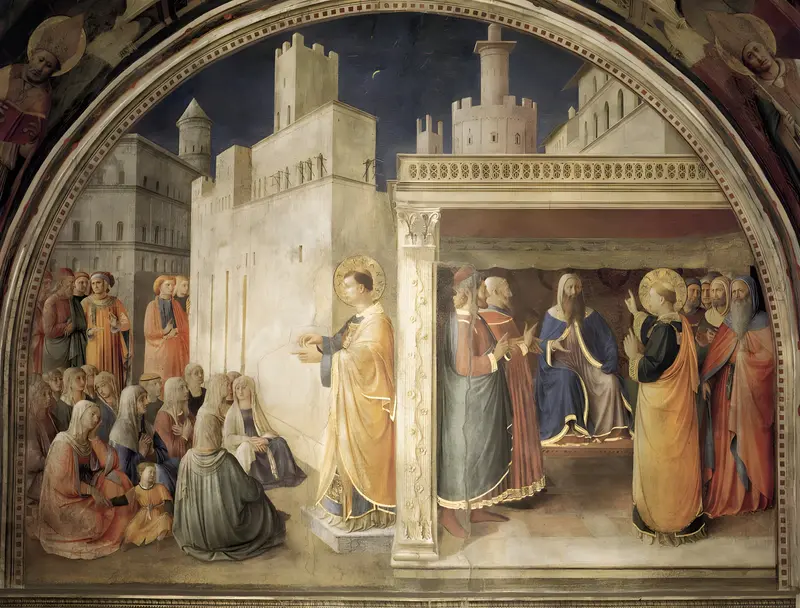
Lunette of the north wall
Fra Angelico
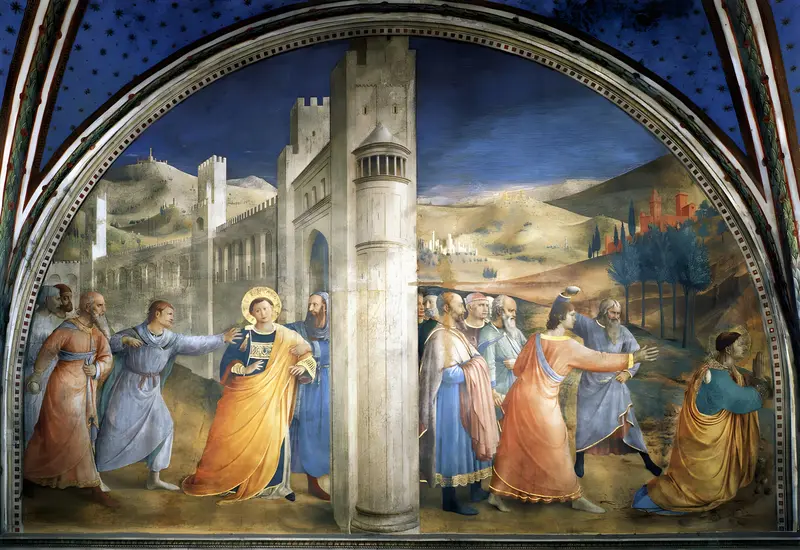
Lunette of the east wall in Niccoline Chapel
Fra Angelico
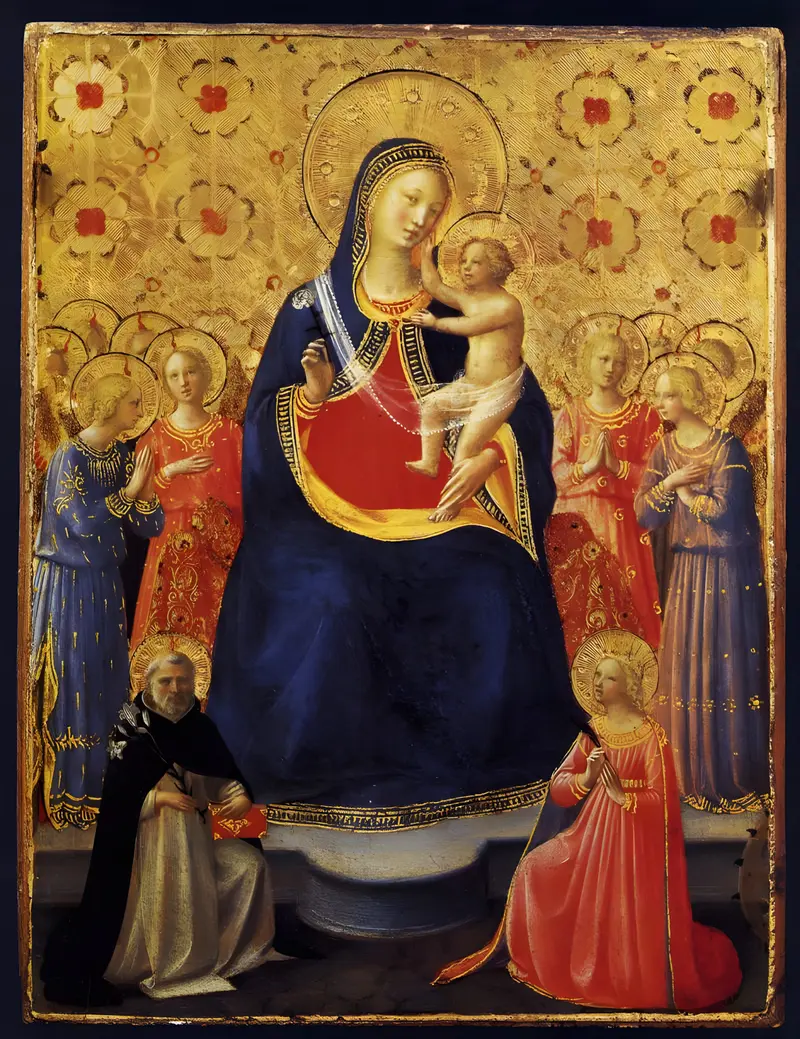
Madonna and Child Enthroned with Nine Angels and Saints Dominic and Catherine of Alexandria
Fra Angelico
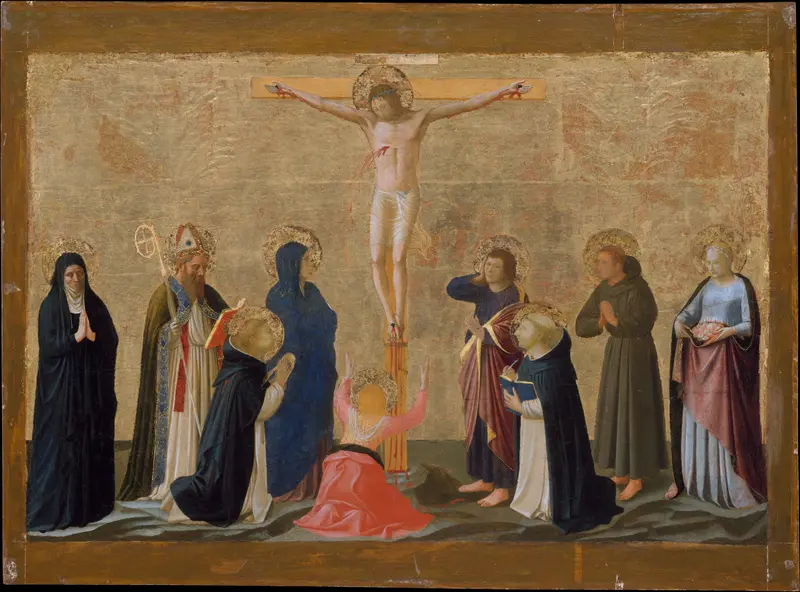
The Crucifixion
Fra Angelico
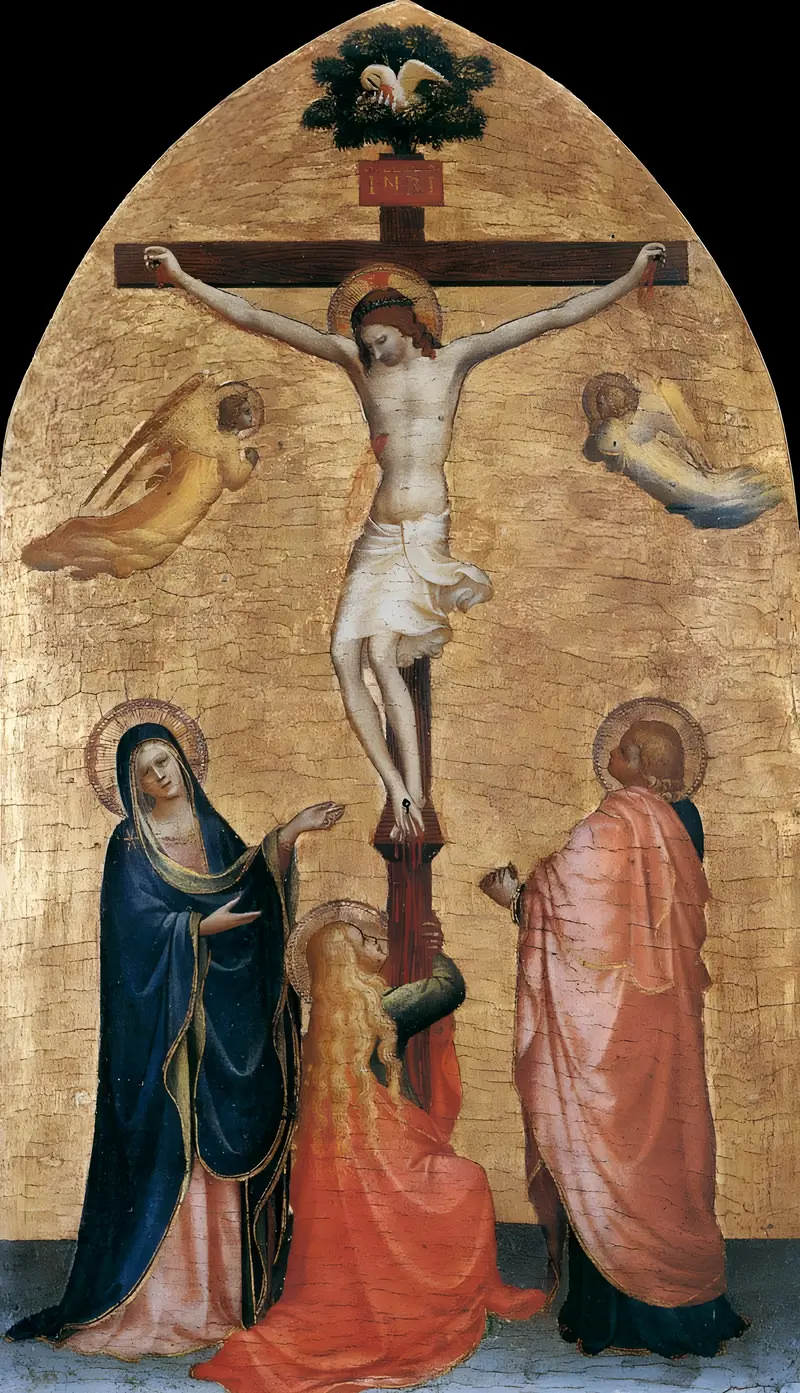
Crucifixion with the Virgin, John the Evangelist, and Mary Magdelene
Fra Angelico
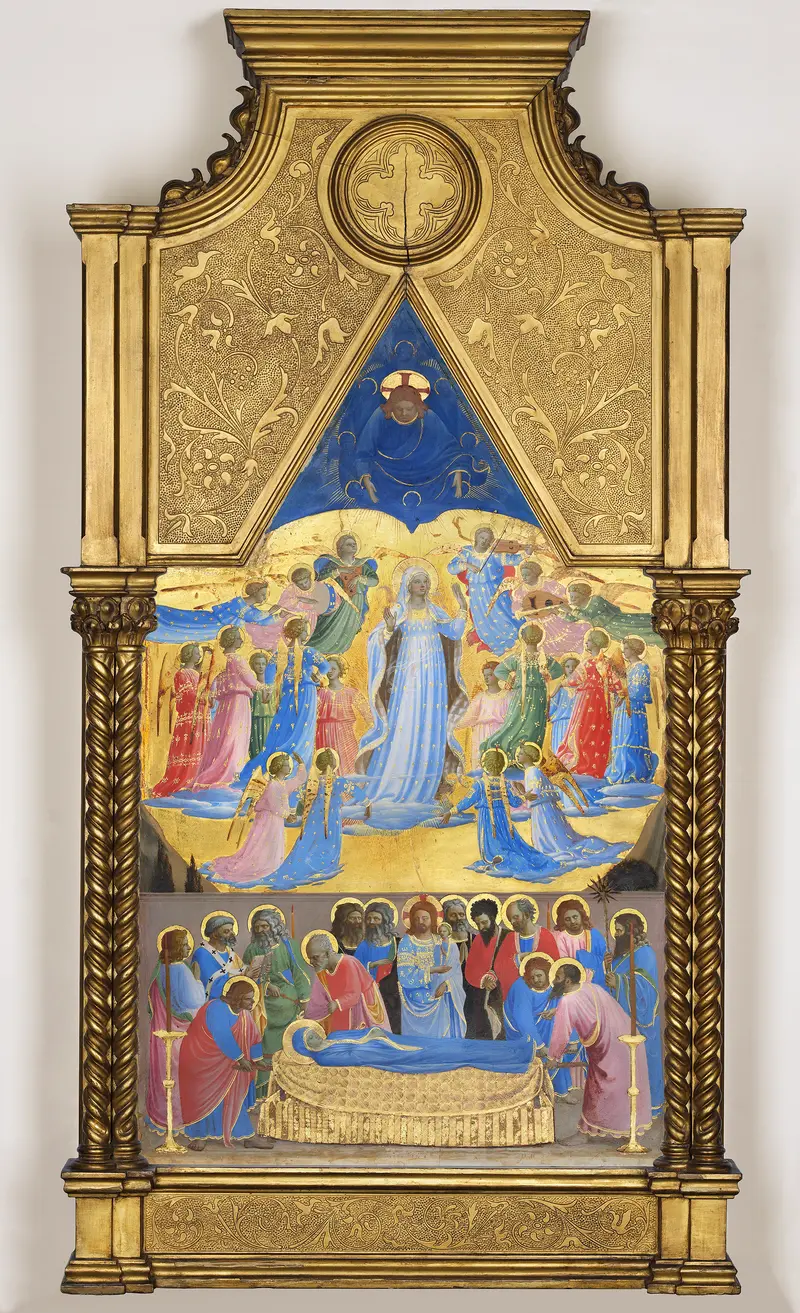
Dormition and Assumption of the Virgin
Fra Angelico
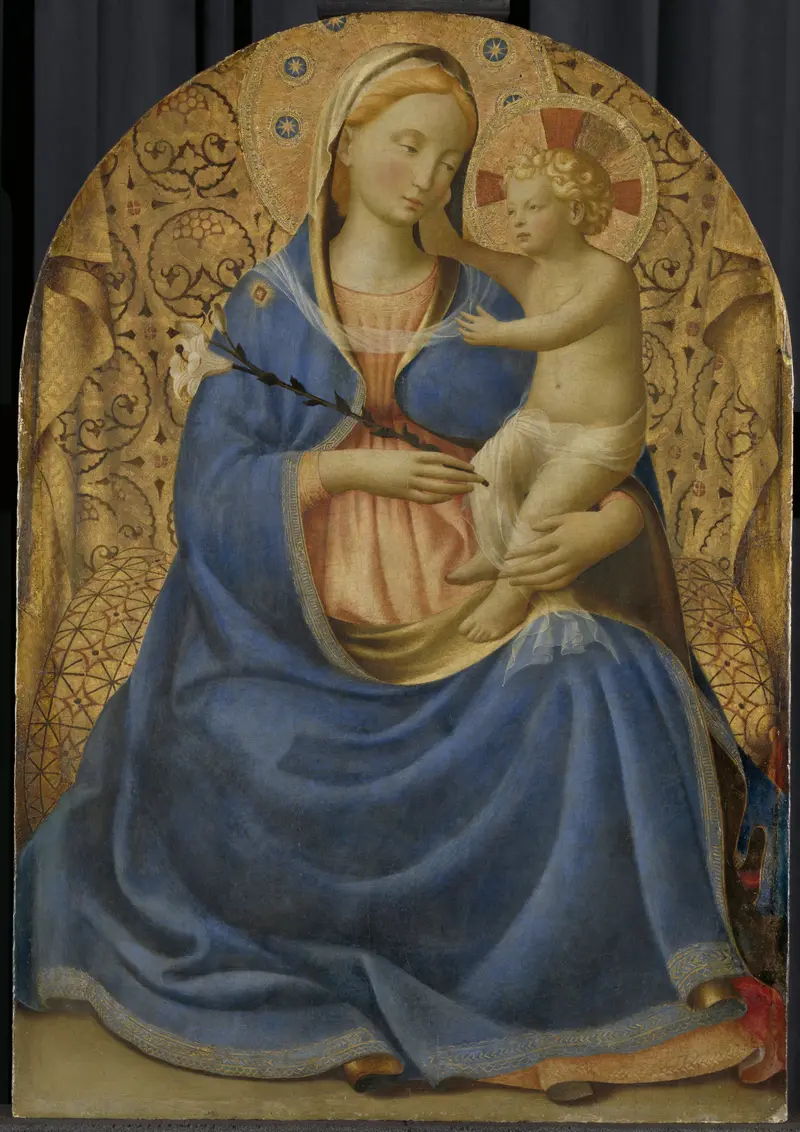
Madonna of Humility
Fra Angelico
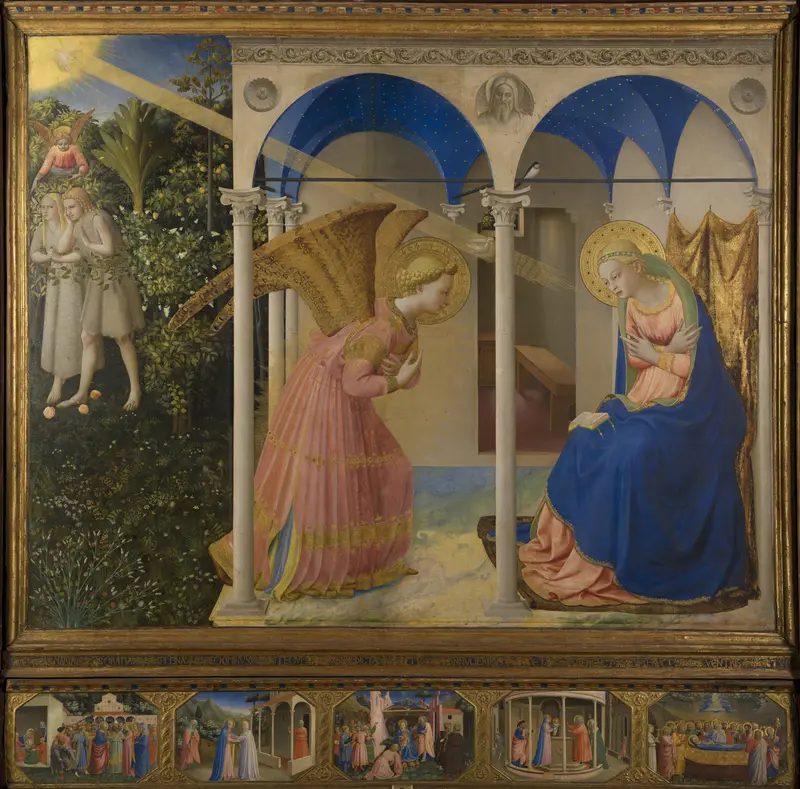
The Annunciation
Fra Angelico

Saint Anthony Abbot
Fra Angelico





