
Madonna and Child with Two Angels — History & Facts
No one knows for certain for whom Fra Angelico painted Madonna and Child with Two Angels around 1420, nor even the exact purpose it once served. Its origins are shrouded in the quiet of early Renaissance Florence, a period when devotional images like this one were often commissioned for private prayer or small chapels. What is remarkable is how early this work is in Fra Angelico’s career—predating his more famous frescoes in San Marco by nearly two decades.
The painting stands as one of the artist’s first known forays into the Madonna and Child theme, a subject he would return to repeatedly, refining his approach with each new version. At the heart of the image, the Virgin Mary cradles the Christ child, while two angels hover in attendance, their hands gently supporting the infant or perhaps offering him up to his mother. The moment is one of serene intimacy rather than public proclamation; the gaze exchanged between mother and child is direct and tender, while the angels’ presence hints at the divine significance of the scene. The gold background, a lingering echo of medieval icon traditions, sets the figures apart from earthly space, yet the soft modeling of faces and hands signals the new Renaissance interest in human presence and emotion.
Compared to Masaccio’s more monumental Madonnas, Fra Angelico’s figures are delicate, suffused with a gentle light that seems to emanate from within. The original home of Madonna and Child with Two Angels remains unknown, and its medium—whether tempera on panel or fresco—has not been definitively established. Over the centuries, the painting has been attributed to various hands, a common fate for early Renaissance works where workshop practices and collaborations were frequent. Today, scholars widely agree on Fra Angelico’s authorship, recognizing in the painting the hallmarks of his early style: graceful lines, luminous color, and a quiet spirituality.
The work now resides in a museum collection, where it offers a glimpse into the formative years of an artist whose later achievements would help define the spirit of the early Renaissance.
More Artworks by Fra Angelico

Condemnation of St Lawrence by the Emperor Valerian
Fra Angelico
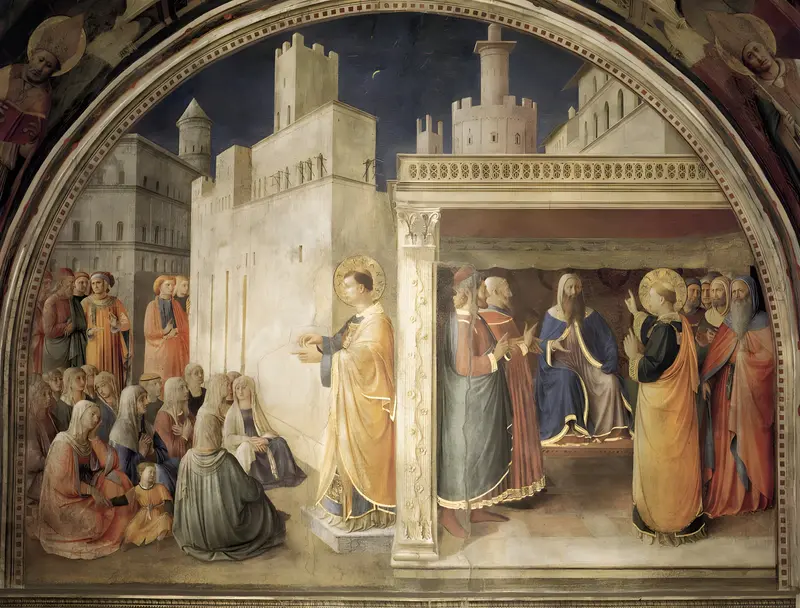
Lunette of the north wall
Fra Angelico
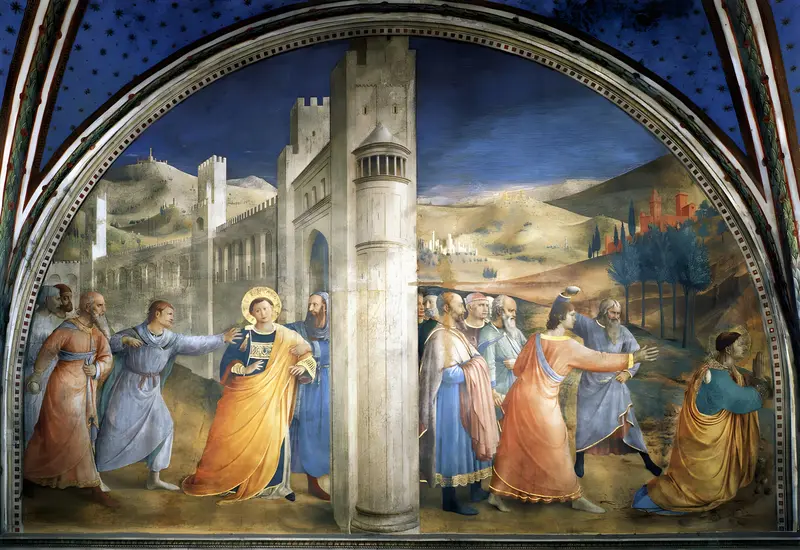
Lunette of the east wall in Niccoline Chapel
Fra Angelico
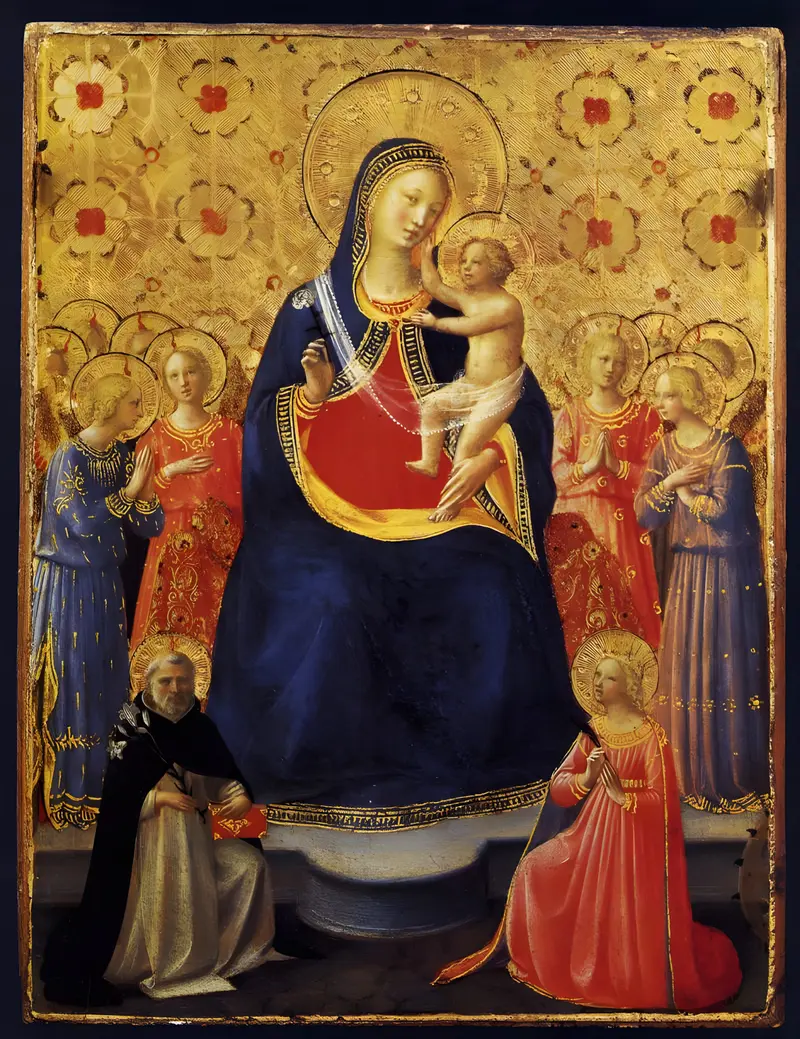
Madonna and Child Enthroned with Nine Angels and Saints Dominic and Catherine of Alexandria
Fra Angelico
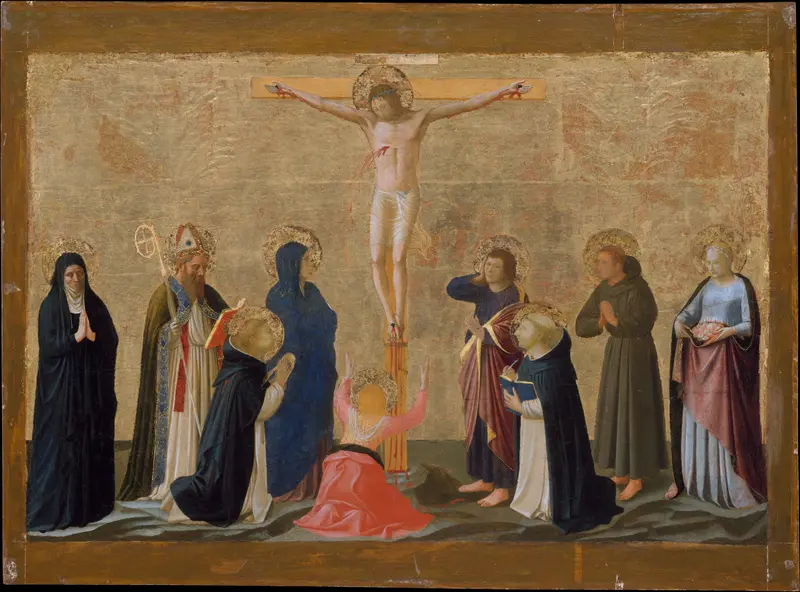
The Crucifixion
Fra Angelico
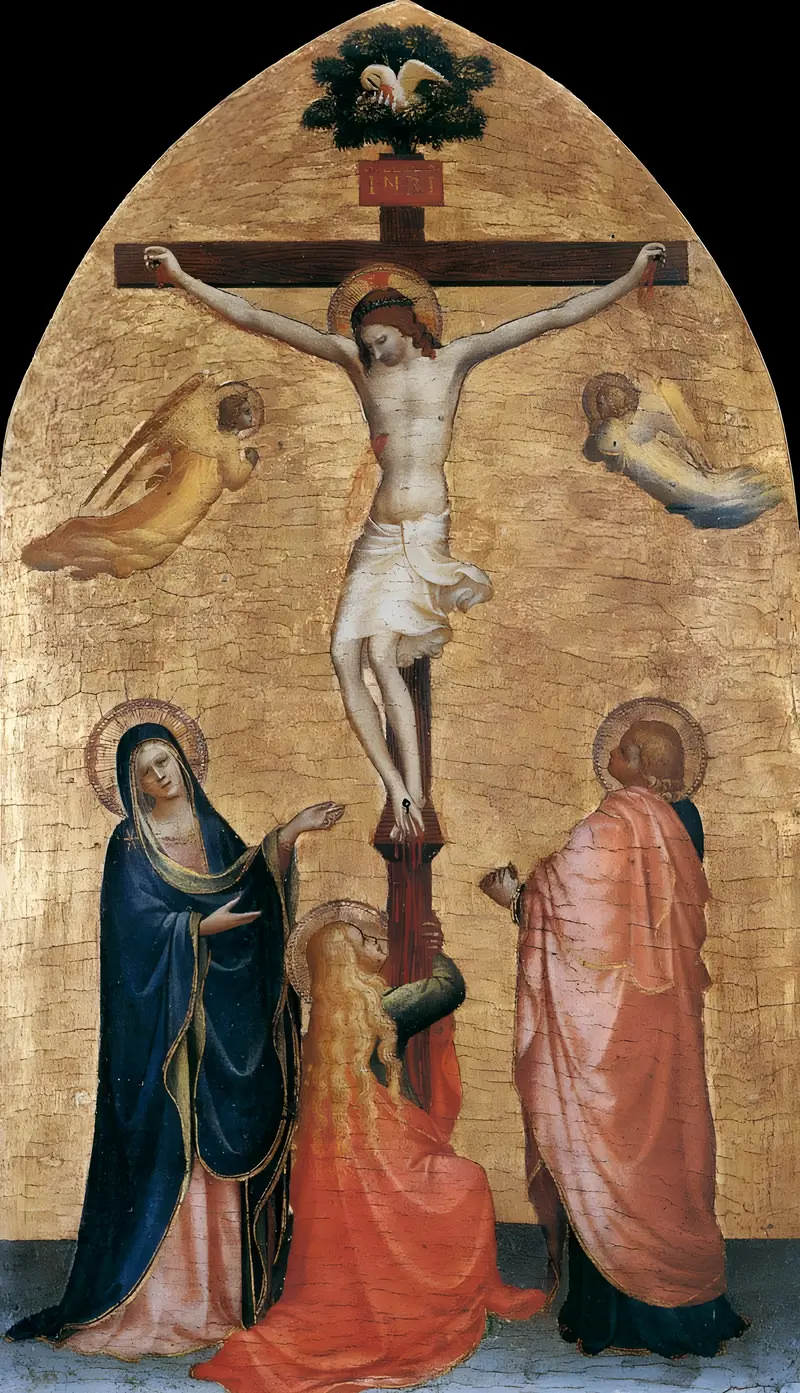
Crucifixion with the Virgin, John the Evangelist, and Mary Magdelene
Fra Angelico
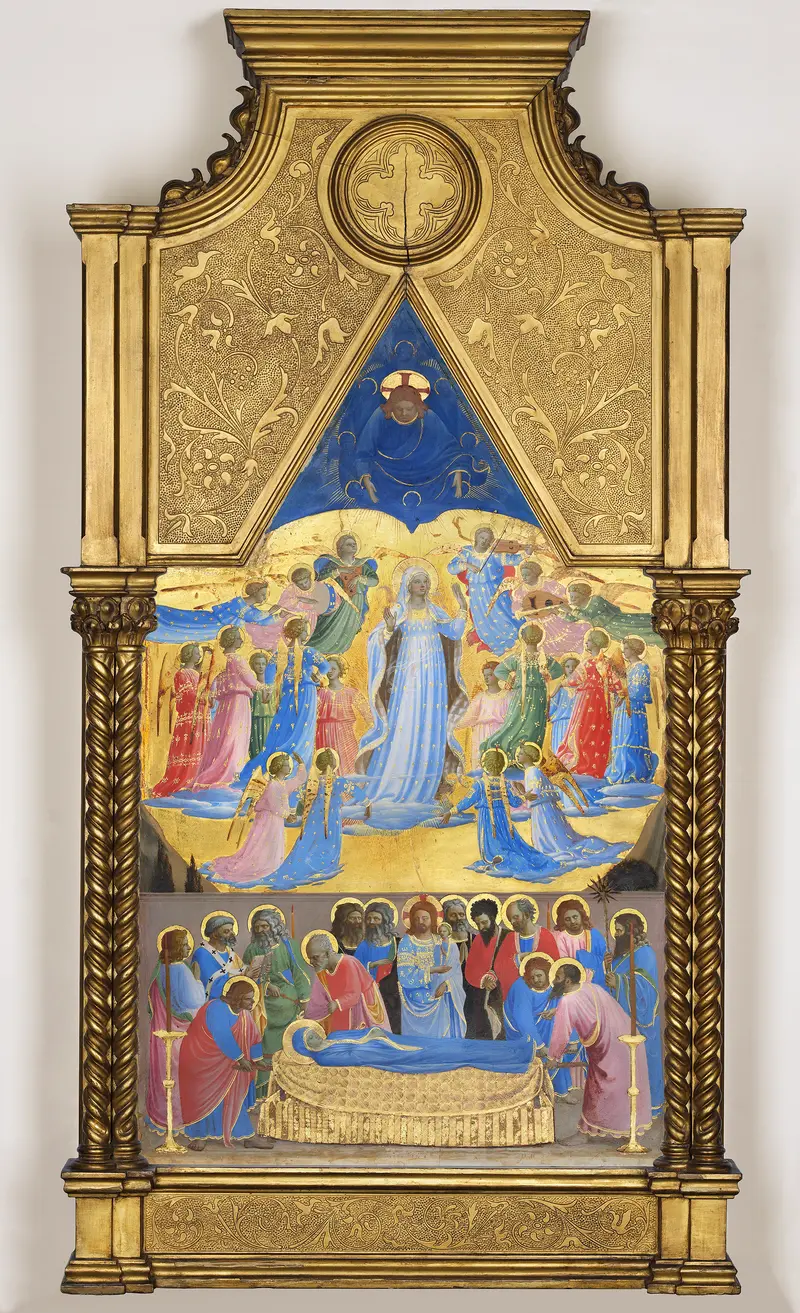
Dormition and Assumption of the Virgin
Fra Angelico
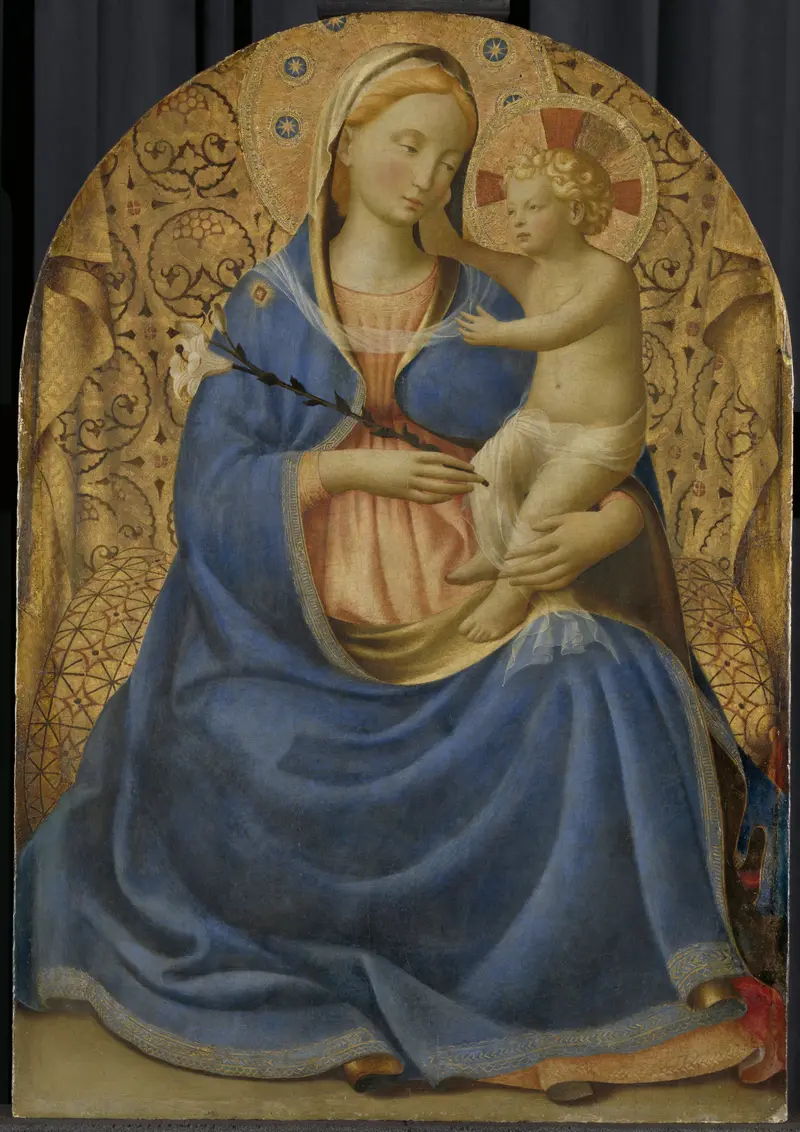
Madonna of Humility
Fra Angelico
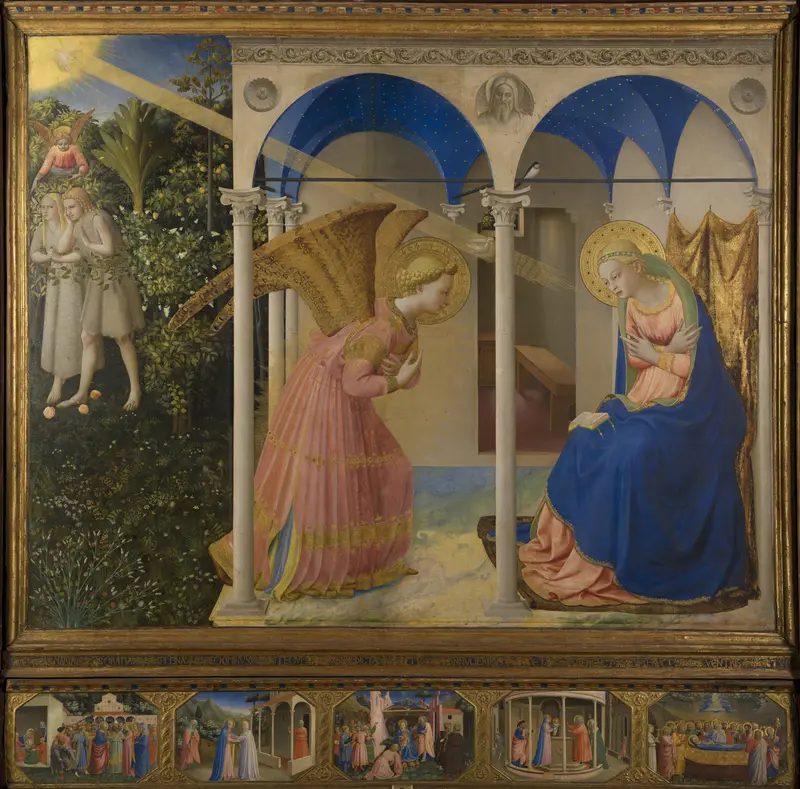
The Annunciation
Fra Angelico

Saint Anthony Abbot
Fra Angelico





