
Madonna Kalmar — History & Facts
No one knows for certain how the Madonna Kalmar by Giovanni Bellini found its way to Sweden, but its earliest recorded appearance is in the cathedral treasury of Kalmar, far from the Venetian workshops where Bellini first made his name. The painting’s journey north remains a subject of speculation among art historians, with some suggesting it was brought by Baltic merchants or as diplomatic tribute in the sixteenth century. Its unfamiliar signature and early date—1457—make it one of the earliest known Madonnas by Bellini, painted when he was still under the influence of his father, Jacopo Bellini, and brother-in-law, Andrea Mantegna.
The work’s mysterious provenance and its survival outside Italy for centuries have made it a touchstone for debates about Bellini’s early career and the spread of Italian Renaissance art. At the heart of the painting, the Virgin Mary sits quietly, holding the infant Christ on her lap, her gaze lowered in gentle contemplation. The moment Bellini chooses is one of intimate stillness: the Christ Child, chubby and alert, raises his hand in a gesture of blessing, while Mary’s fingers delicately support him, her other hand resting protectively on his chest. Behind them, a distant landscape unfurls—soft hills and a strip of sky—hinting at the new Renaissance interest in nature and atmospheric depth.
The Madonna’s blue mantle, edged with gold, and the Christ Child’s coral necklace (a symbol of protection against evil) are rendered with a care that recalls Mantegna’s sculptural approach to form. Unlike the more formal, enthroned Madonnas of the period, Bellini’s figures are approachable, their humanity emphasized by the tender exchange of glances and touch. The exact circumstances of the Madonna Kalmar’s commission remain unknown, but its small scale and intimate mood suggest it was intended for private devotion rather than a public altar. Over the centuries, it passed through several hands—ecclesiastical and private—before entering the Swedish royal collections in the nineteenth century.
For a long time, its attribution was uncertain; some even thought it the work of a northern imitator. Only in the twentieth century did careful comparison with authenticated early works by Giovanni Bellini confirm its authorship. Today, the Madonna Kalmar is recognized as a rare and precious example of Bellini’s youthful style, its survival a testament to the far-reaching influence of the Venetian Renaissance.
More Artworks by Giovanni Bellini
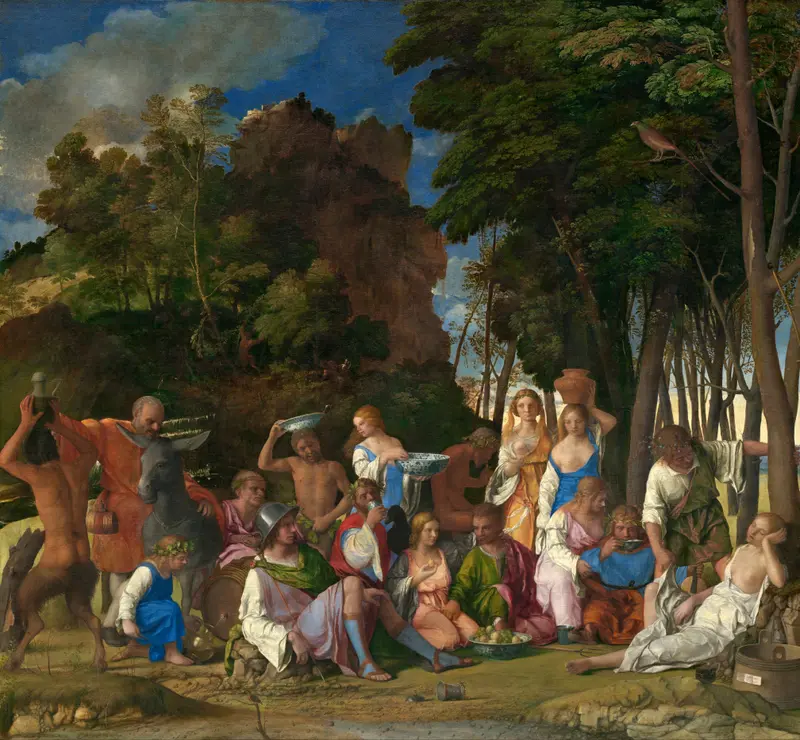
The Feast of the Gods
Giovanni Bellini

Madonna and Child enthroned with Saints and Angels
Giovanni Bellini
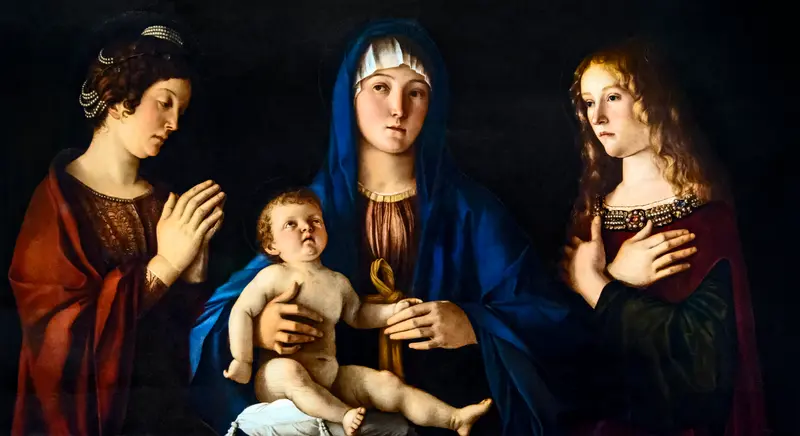
Madonna and Child between Saints Catherine and Mary Magdalene
Giovanni Bellini
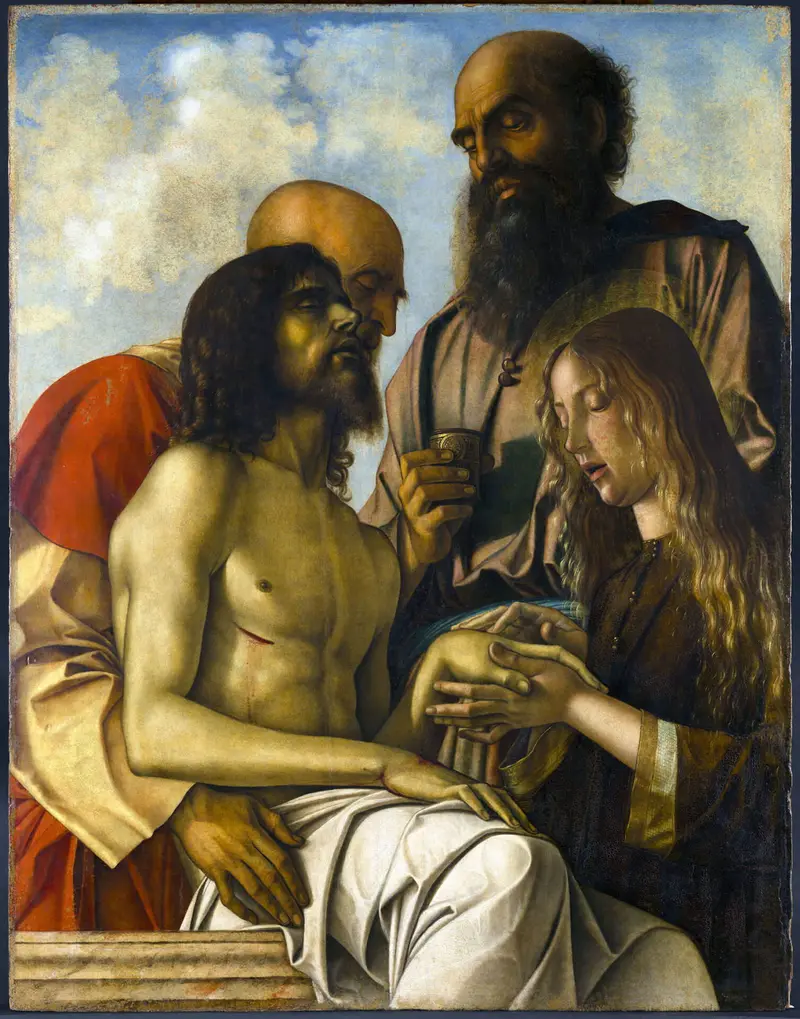
Lamentation over the Dead Christ
Giovanni Bellini
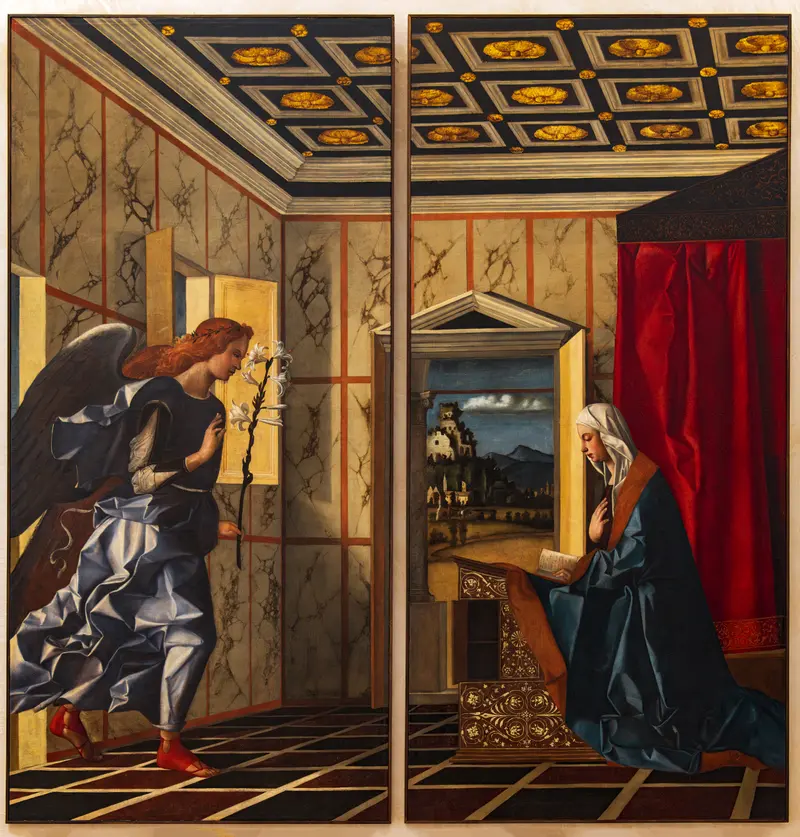
Annunciation
Giovanni Bellini
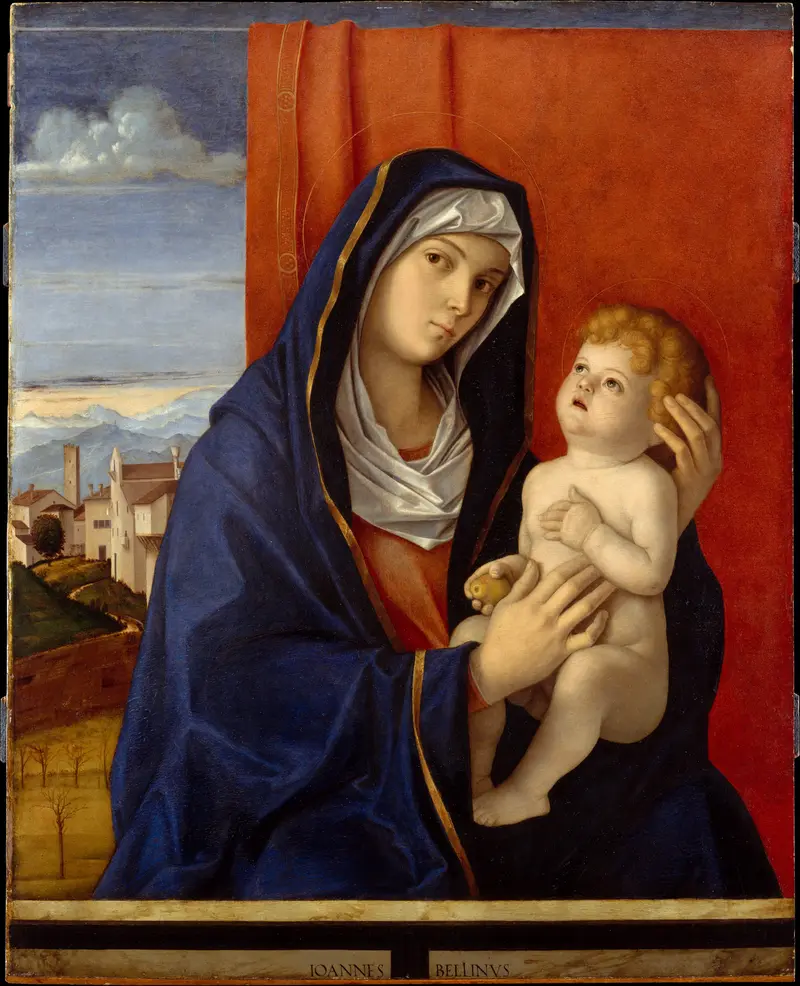
Madonna and Child
Giovanni Bellini
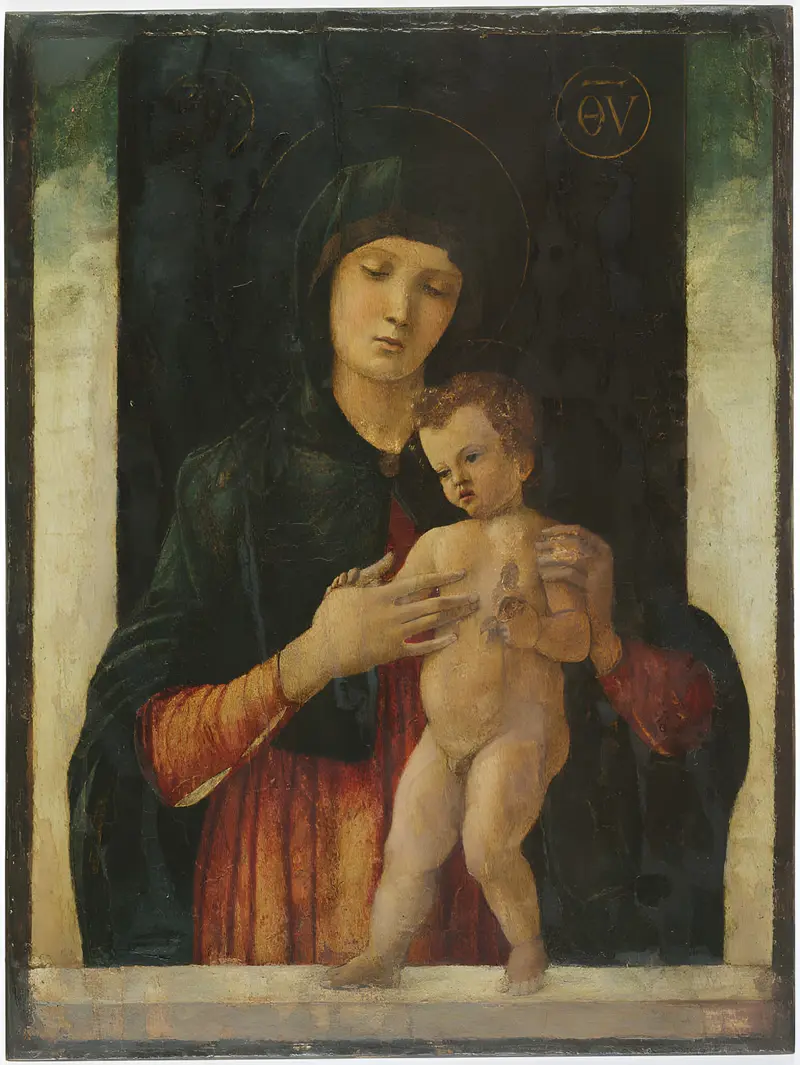
The Virgin and Child
Giovanni Bellini
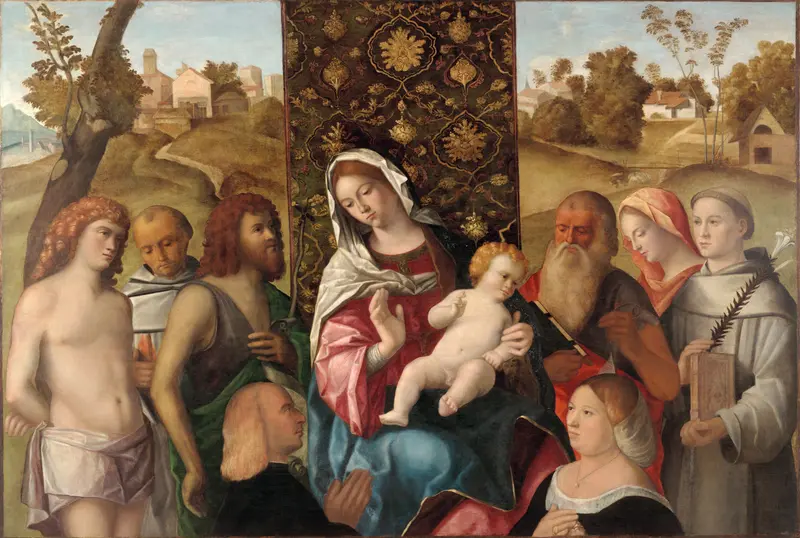
Virgin and Child with Saints Sebastian, Francis, John the Baptist, Jerome, an unidentified female saint, Saint Anthony of Padua and two donors
Giovanni Bellini
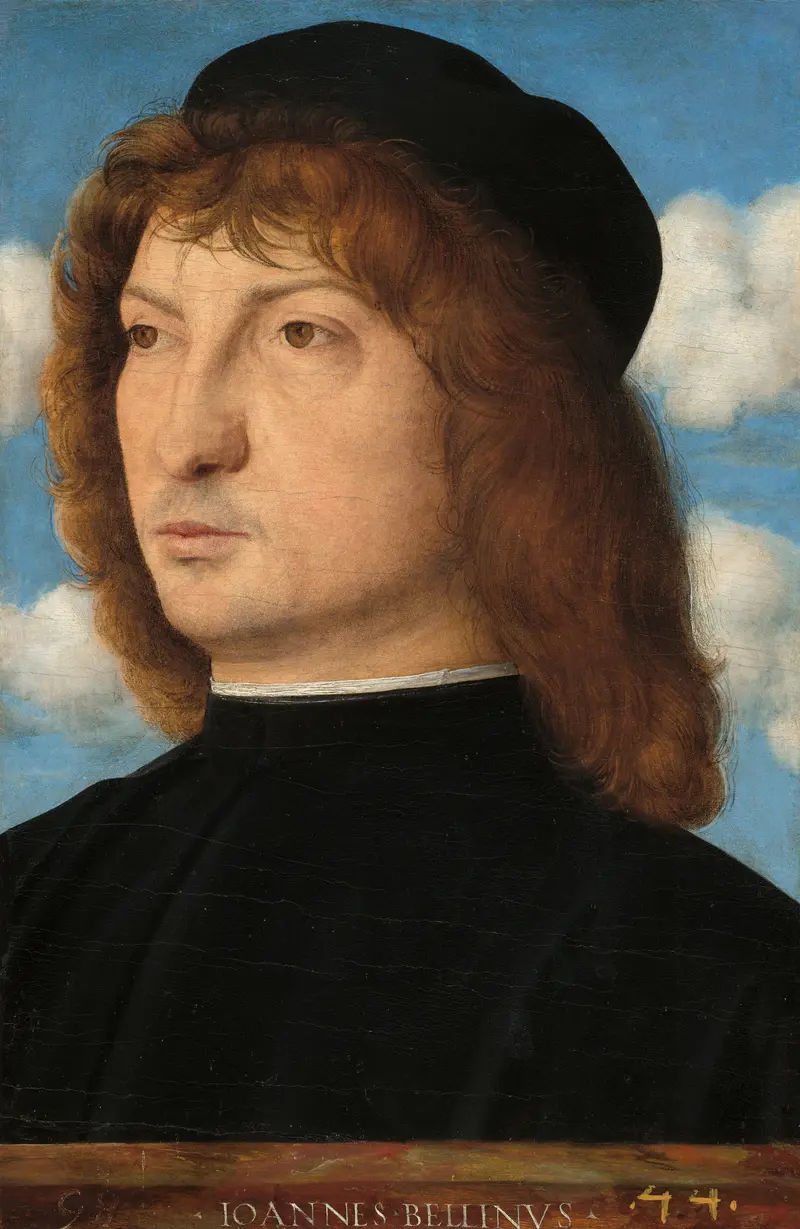
Portrait of a Venetian Gentleman
Giovanni Bellini
Portrait of a Young Man
Giovanni Bellini





