
Madonna of the Pomegranate — History & Facts
In the early 15th century, Fra Angelico painted several images of the Virgin Mary holding a pomegranate, but the Madonna of the Pomegranate from 1426 stands out for its enigmatic symbolism and the fact that its original medium remains uncertain—a rarity for works from this period. Unlike many of his other Madonnas, this version’s provenance is shrouded in mystery; no surviving commission records or early inventories mention it, leaving scholars to piece together its origins from style and iconography alone. The painting’s widespread influence is clear, as later artists in Florence and beyond echoed its gentle forms and distinctive fruit.
The pomegranate itself, bursting with seeds, became a motif that would travel far beyond Fra Angelico’s studio, woven into the visual language of Renaissance devotion. At the heart of the scene, the Virgin Mary sits serenely, her gaze lowered in contemplation as she cradles the Christ Child. In his tiny hand, Jesus grasps a ripe pomegranate, its red seeds exposed—a symbol of resurrection and the promise of eternal life, as well as the suffering to come. Mary’s blue mantle, edged in gold, signals her purity and status as Queen of Heaven, while the delicate halos and the tender interaction between mother and child invite the viewer into a moment of quiet intimacy.
The light falls softly on their faces, illuminating the spiritual bond at the center of the composition. Compared to Botticelli’s later Madonna of the Pomegranate, Fra Angelico’s version is more restrained, focusing on inward reflection rather than decorative flourish. Little is known about the early journey of this painting; its original setting—whether private chapel or monastic cell—remains a matter of speculation. What is certain is that it belongs to the formative years of Fra Angelico’s career, when he was pioneering a new approach to religious imagery in Florence, blending Gothic elegance with the emerging naturalism of the early Renaissance.
Over the centuries, the painting has been attributed to various hands, but consensus now firmly places it among Fra Angelico’s authentic works. Today, it is recognized as a touchstone of early 15th-century Marian art, its quiet power undiminished by the uncertainties of its past.
More Artworks by Fra Angelico

Condemnation of St Lawrence by the Emperor Valerian
Fra Angelico
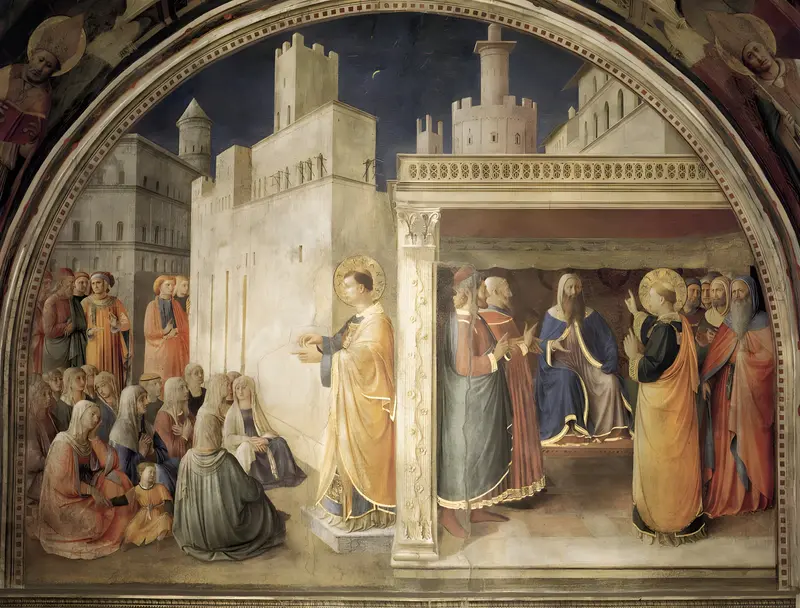
Lunette of the north wall
Fra Angelico
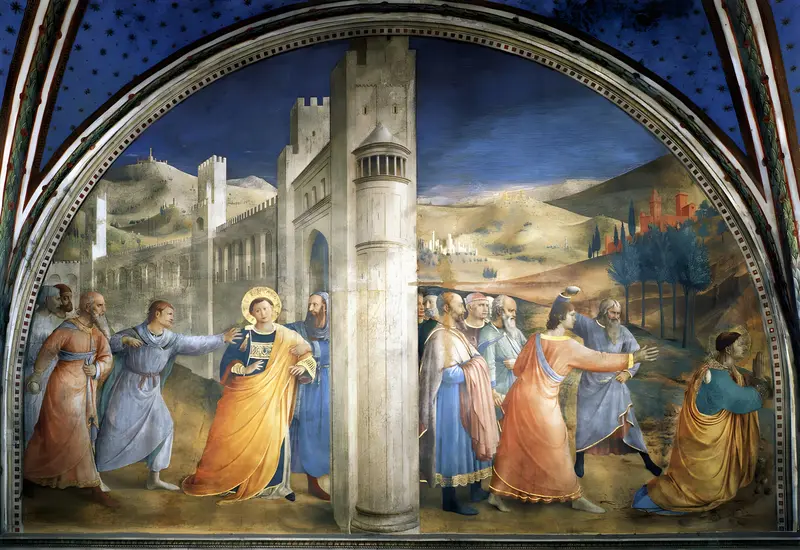
Lunette of the east wall in Niccoline Chapel
Fra Angelico
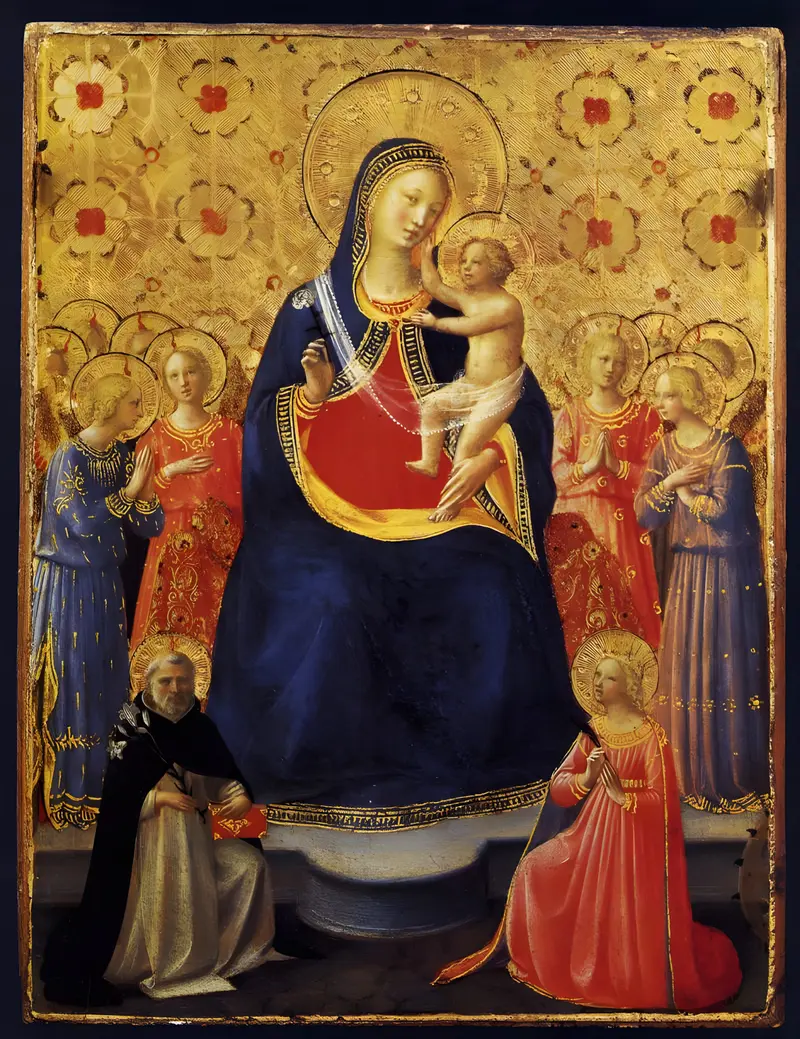
Madonna and Child Enthroned with Nine Angels and Saints Dominic and Catherine of Alexandria
Fra Angelico
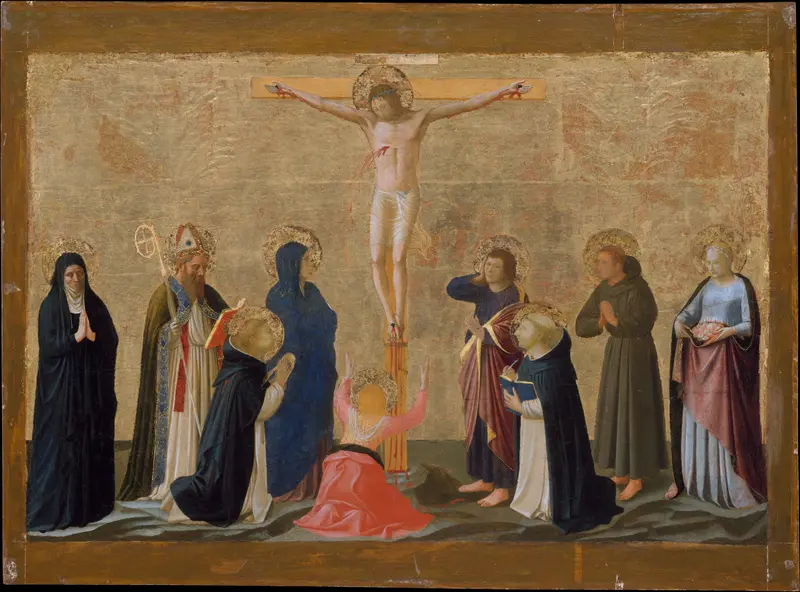
The Crucifixion
Fra Angelico
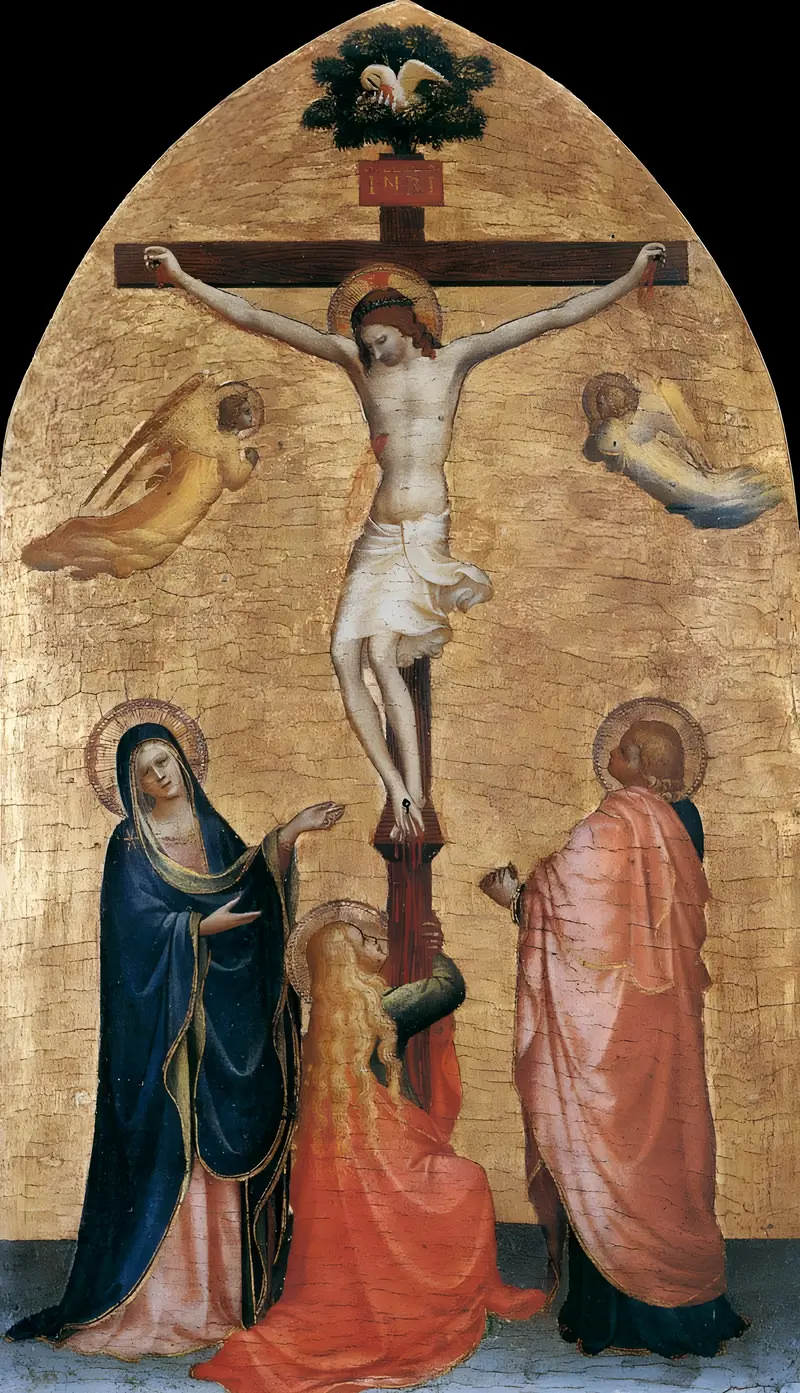
Crucifixion with the Virgin, John the Evangelist, and Mary Magdelene
Fra Angelico
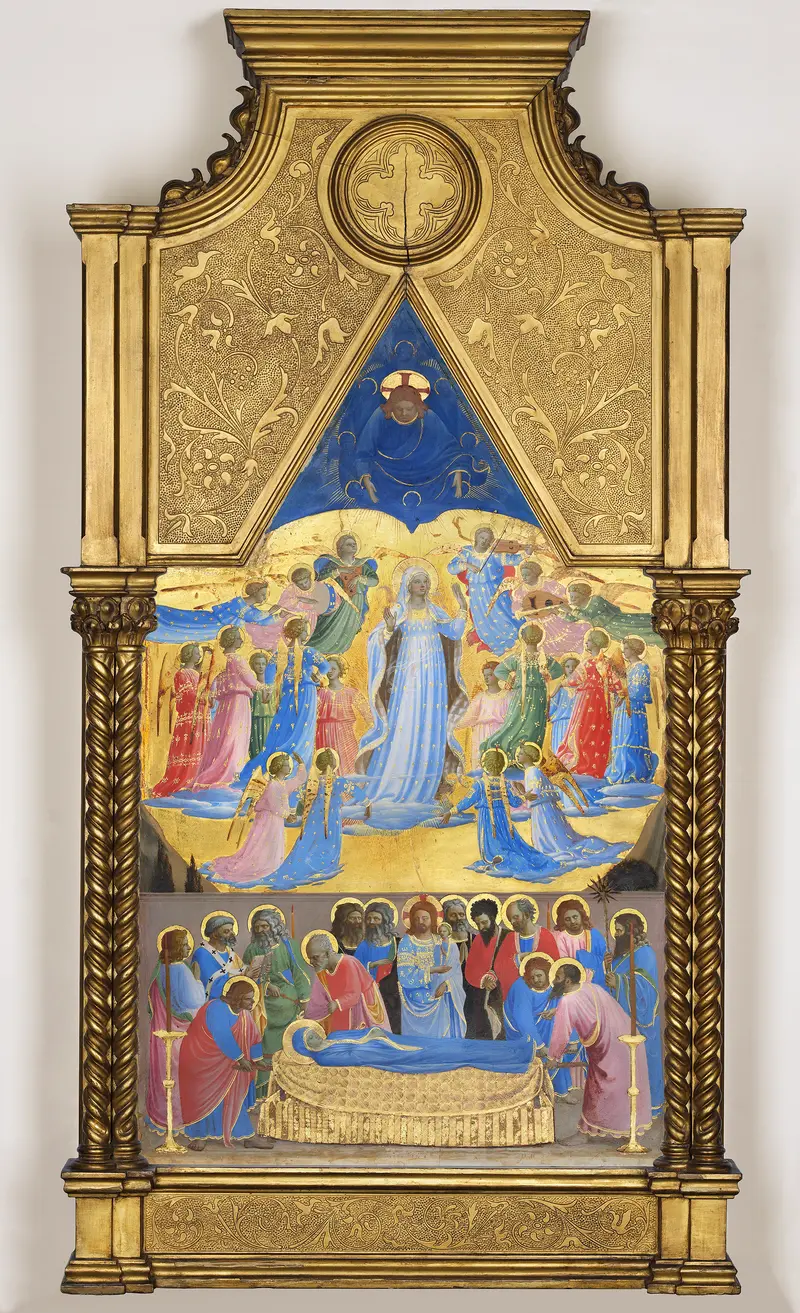
Dormition and Assumption of the Virgin
Fra Angelico
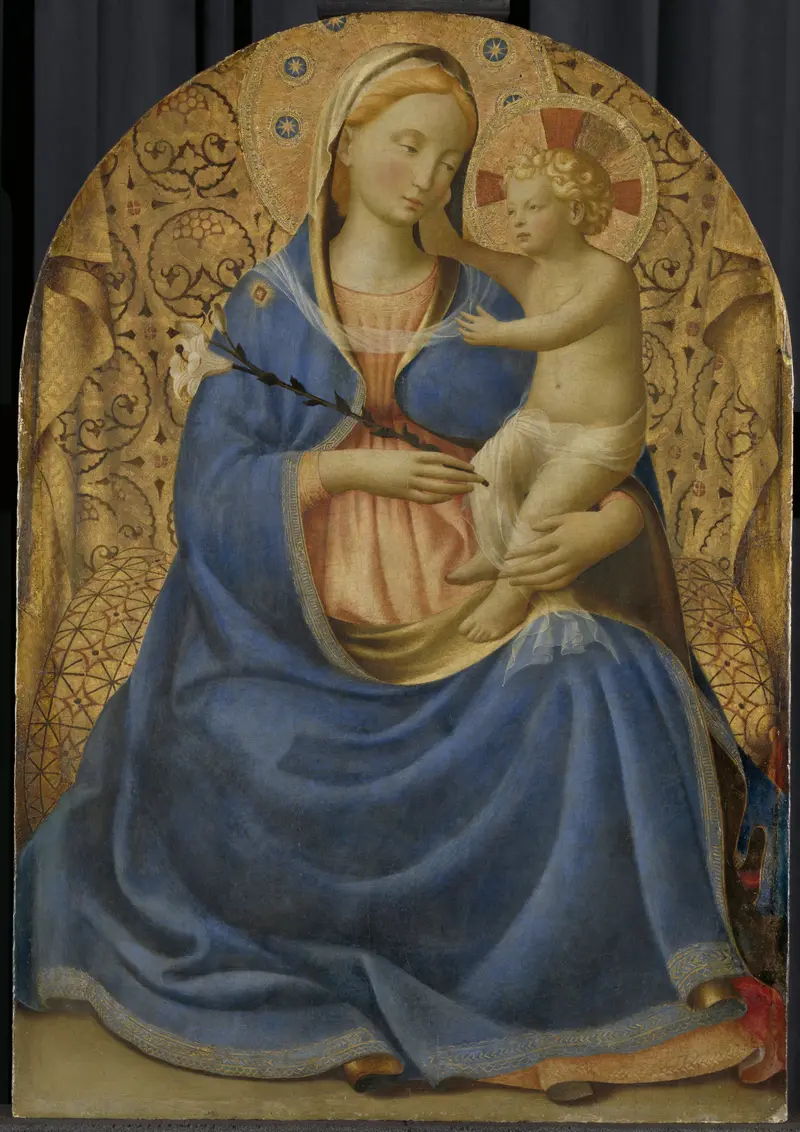
Madonna of Humility
Fra Angelico
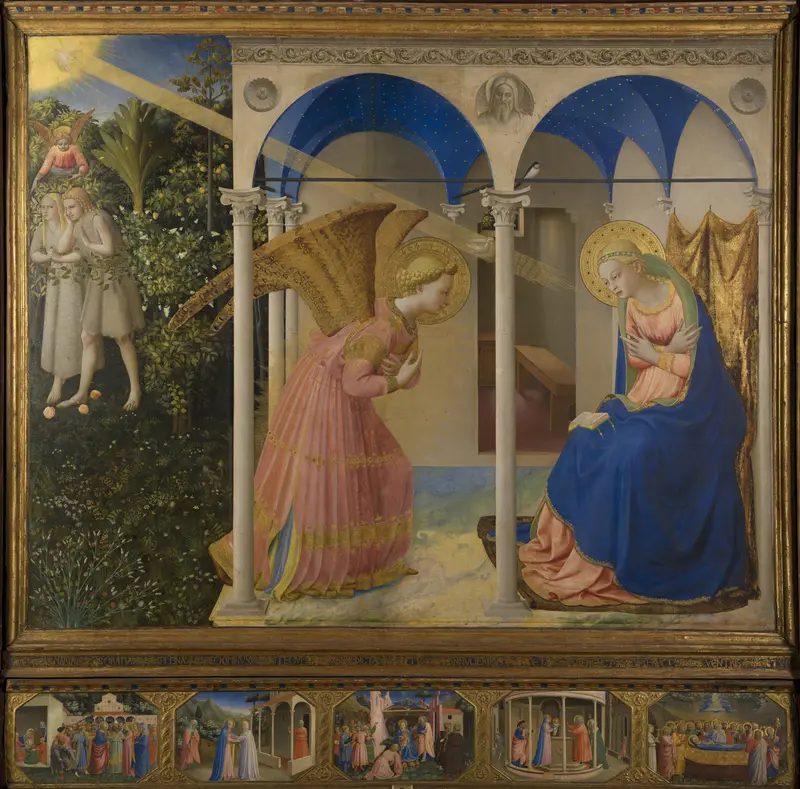
The Annunciation
Fra Angelico

Saint Anthony Abbot
Fra Angelico





