
Madonna with child — History & Facts
What draws the eye first in Madonna with child is the gentle choreography of hands and glances, a moment of shared play between mother and child that feels both intimate and unguarded. The Christ child, twisting toward the viewer, presses his cheek to the Madonna’s, one small hand tugging at her veil as if to draw her closer. Her arms encircle him in a protective embrace, and her face, tilted in soft amusement, radiates a quiet warmth.
The palette is restrained—earthy reds, muted greens, and creamy flesh tones—set against a pale, almost unfinished background that throws the figures into sharper relief. Light falls from the left, modeling the forms with a delicate touch, emphasizing the roundness of the child’s limbs and the softness of the Madonna’s features. Painted in 1523, this work stands at the crossroads of the Italian Renaissance, when artists like Correggio sought to humanize sacred subjects, making them accessible and immediate. Such images were often commissioned for private devotion, intended to bring the holy into the daily life of the faithful.
The tender informality here is characteristic of the period’s shift away from rigid formality toward a more natural, emotional connection between figures. Little is recorded about the specific journey of this painting, now preserved in the Yorck Project’s collection, but its survival allows us to witness the Renaissance’s quiet revolution: the sacred made personal, the divine touched by human affection. Look again at the child’s playful gesture—it is in these small moments that the world of the sixteenth century comes alive.
More Artworks by Antonio da Correggio

Virgin and Child with the Young Saint John the Baptist
Antonio da Correggio
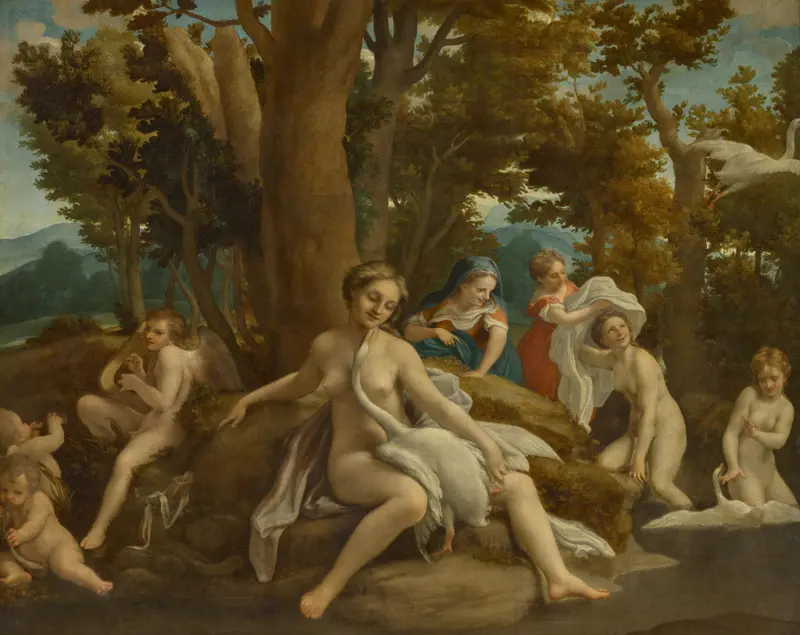
Leda and the Swan
Antonio da Correggio
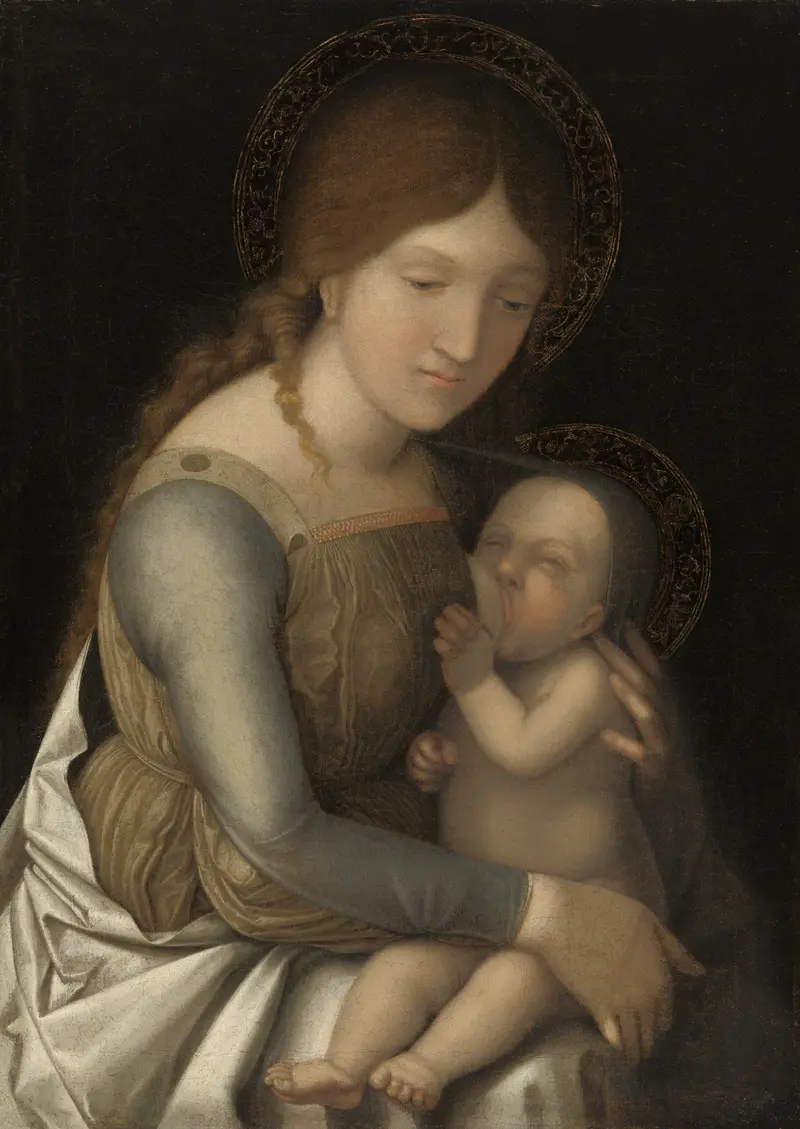
Madonna and Child
Antonio da Correggio
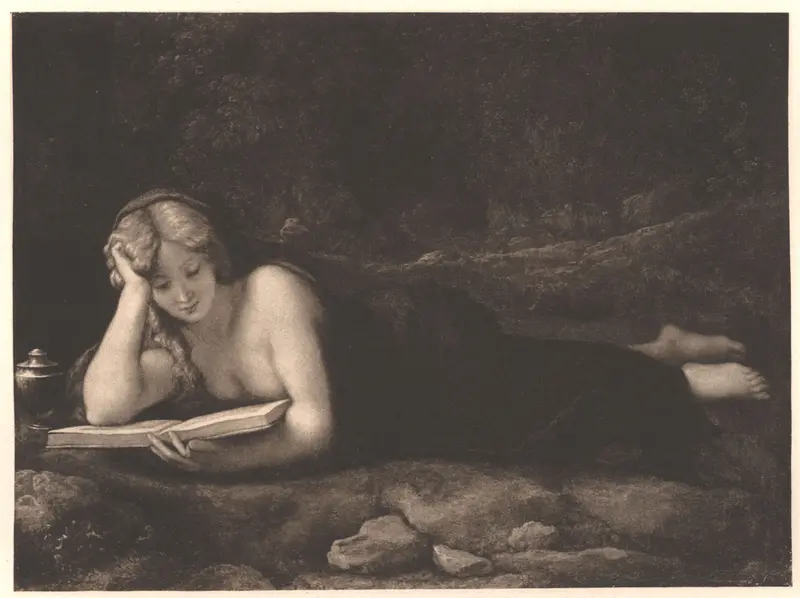
Penitent Magdalene
Antonio da Correggio
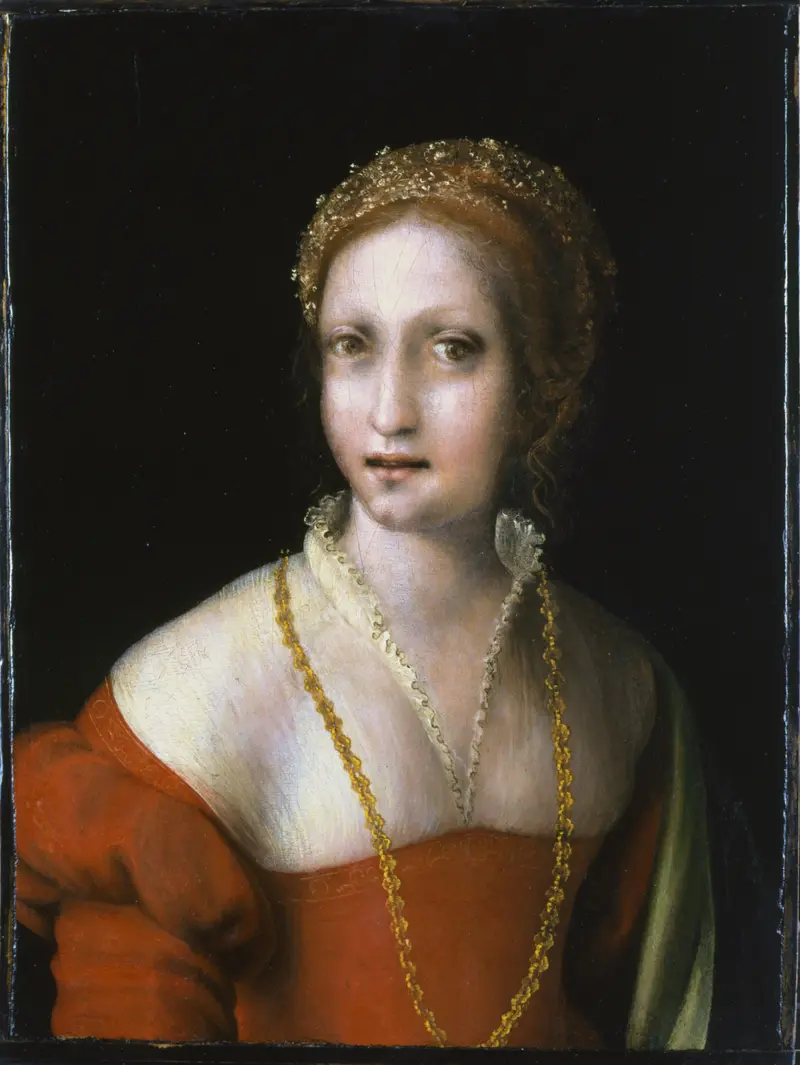
Portrait of a Young Girl
Antonio da Correggio
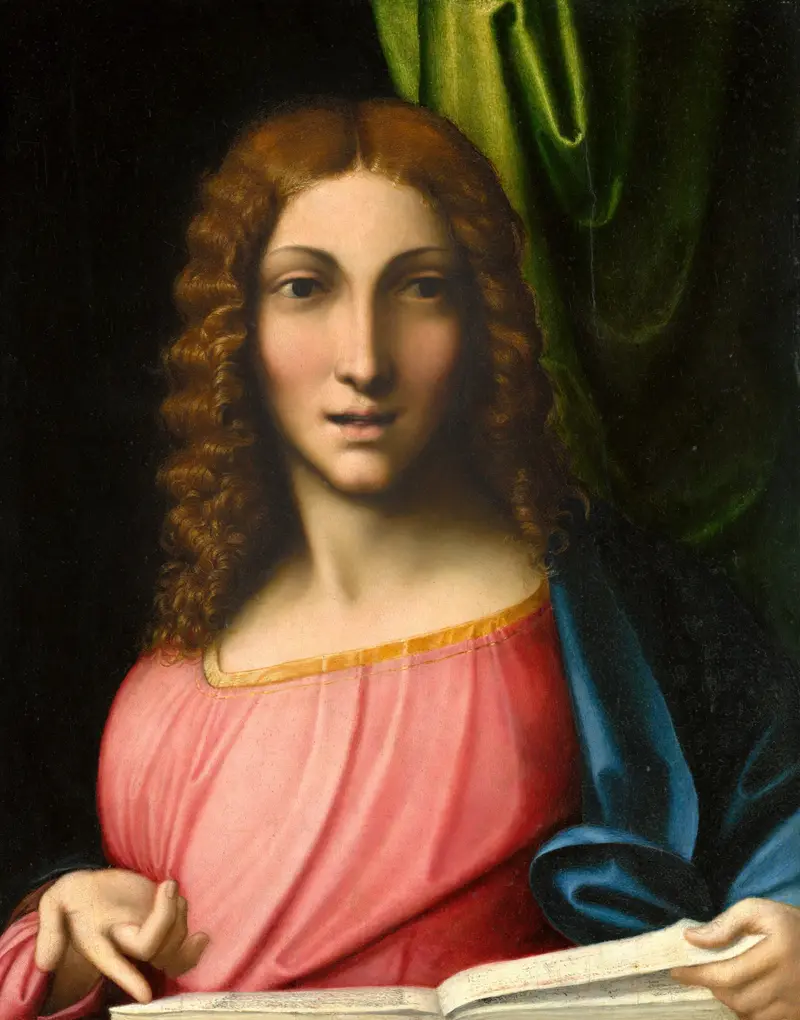
Christ in the Temple
Antonio da Correggio

Nativity
Antonio da Correggio
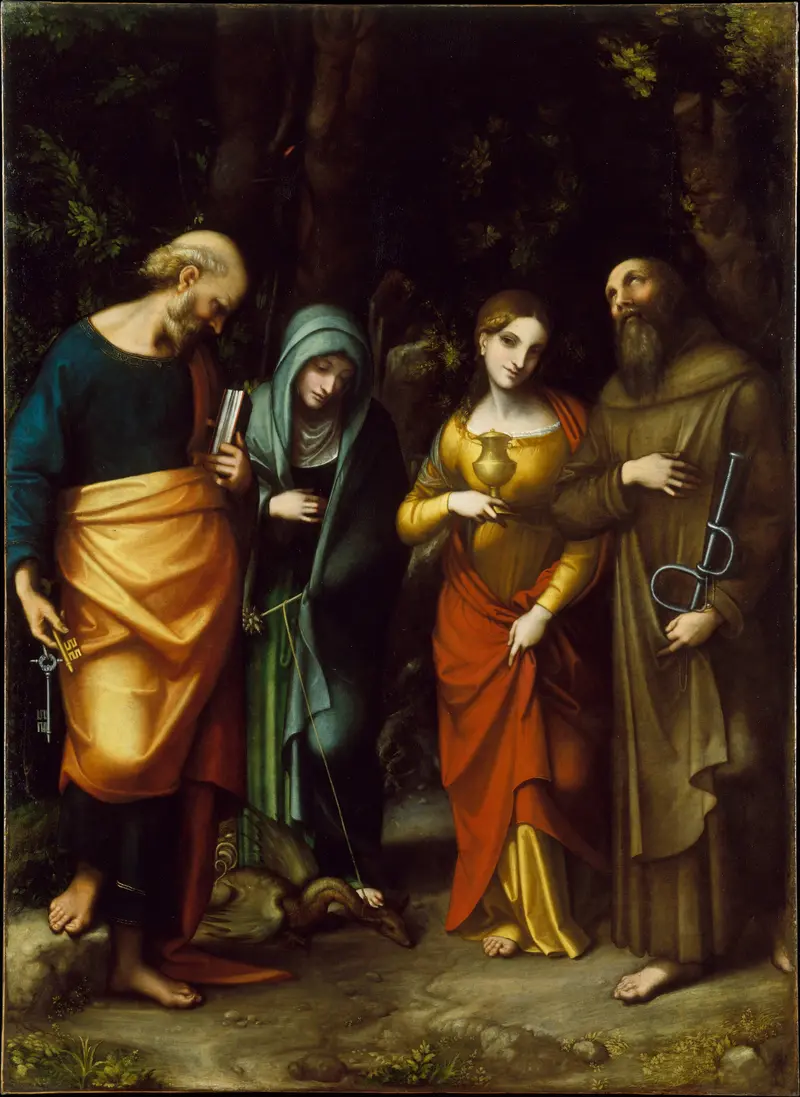
Saints Peter, Martha, Mary Magdalen, and Leonard
Antonio da Correggio
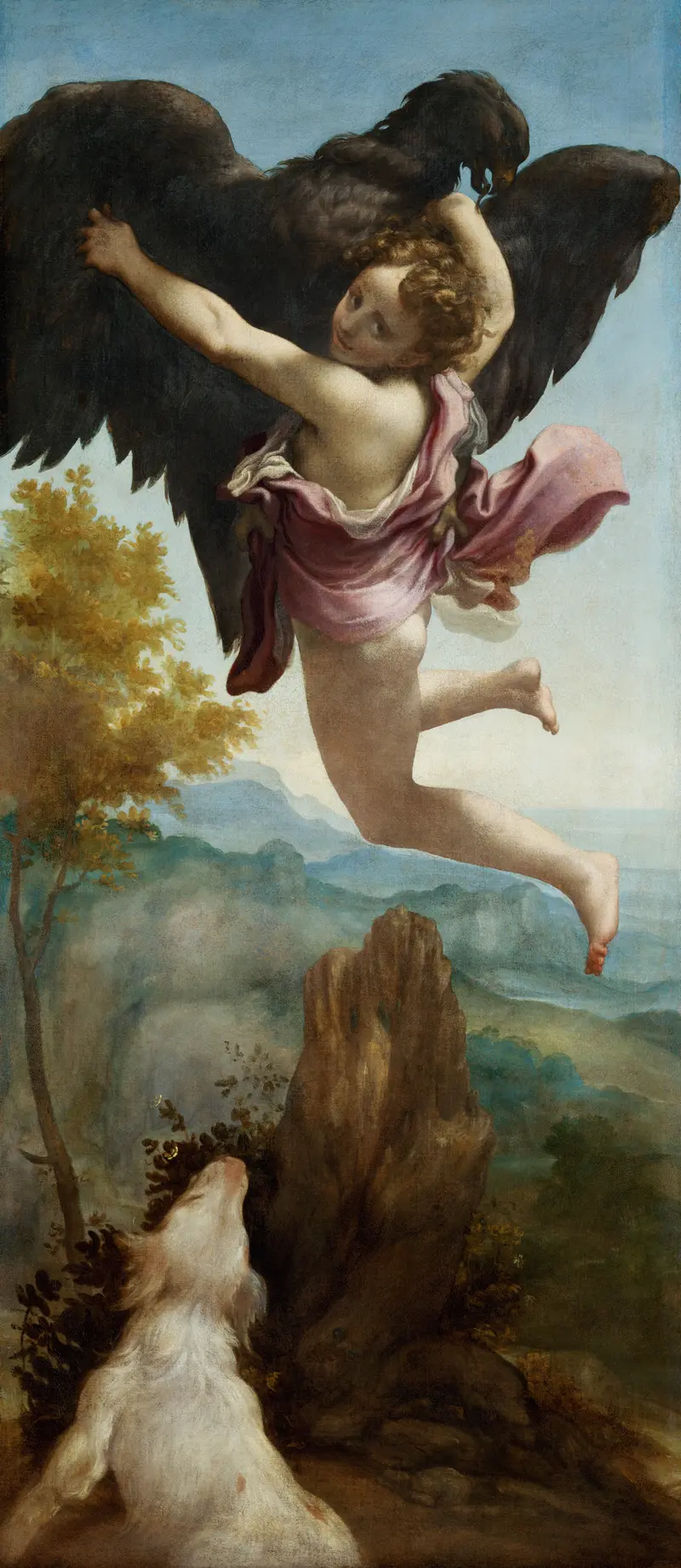
The Loves of Jupiter
Antonio da Correggio

Study for the "Madonna della Scodella" [recto]
Antonio da Correggio





