
Madonna with St. Francis — History & Facts
The first thing that draws the eye in Madonna with St. Francis is the sense of elevation—Madonna and Child enthroned high above, encircled by a cloud of cherubic faces, while the saints below reach upward in gesture and gaze. The painter, Antonio da Correggio, arranges the figures in a careful choreography: St.
Francis, hand to chest, looks up in humble awe, while St. John the Baptist gestures with an open palm, as if inviting us to witness the sacred exchange. The light falls softly, picking out the folds of drapery and the gentle flesh of the Christ child, whose hand extends in a quiet blessing.
Every detail, from the lilies held by the friar to the playful putti supporting the medallion at the base, works to anchor the divine in the earthly world. Created in 1514, this work belongs to the early sixteenth century, a period when altarpieces like this were commissioned to inspire devotion and awe within churches or private chapels. Painters such as Correggio were sought after for their ability to blend the heavenly with the human, using oil or tempera to create luminous skin and deep, architectural spaces. The presence of St.
Francis hints at the Franciscan order’s influence and the growing popularity of saints as intercessors in Renaissance Italy. Though history has kept few traces of this painting’s original home or journey, its careful composition and serene mood are a testament to the ideals of the High Renaissance—inviting us to linger on the faces, gestures, and the quiet drama unfolding between heaven and earth.
More Artworks by Antonio da Correggio

Virgin and Child with the Young Saint John the Baptist
Antonio da Correggio
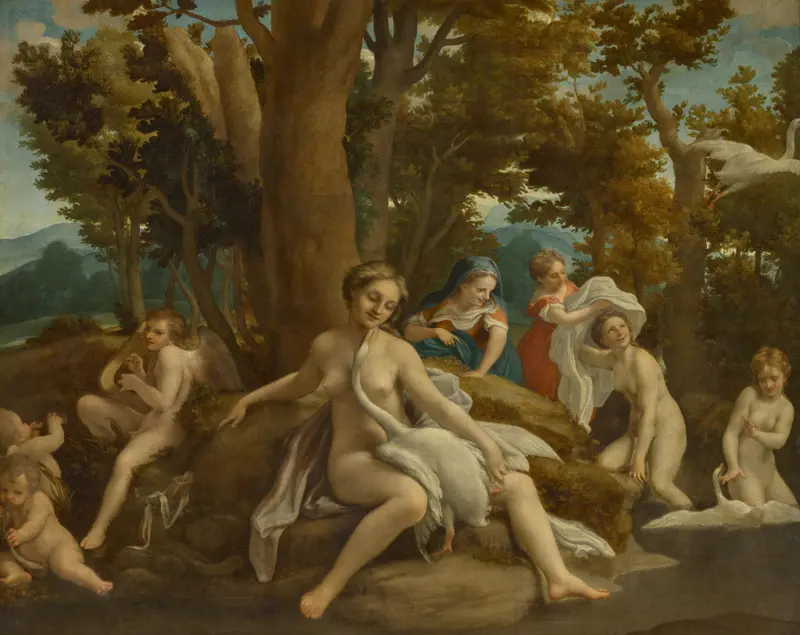
Leda and the Swan
Antonio da Correggio
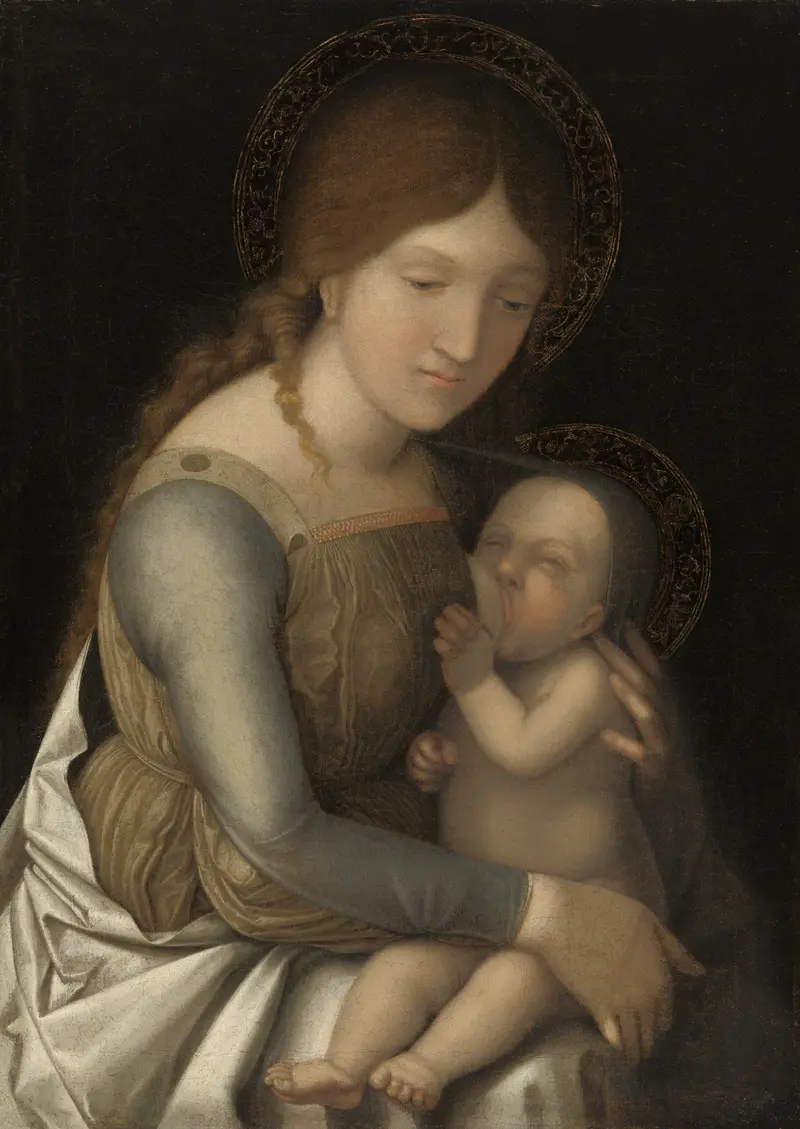
Madonna and Child
Antonio da Correggio
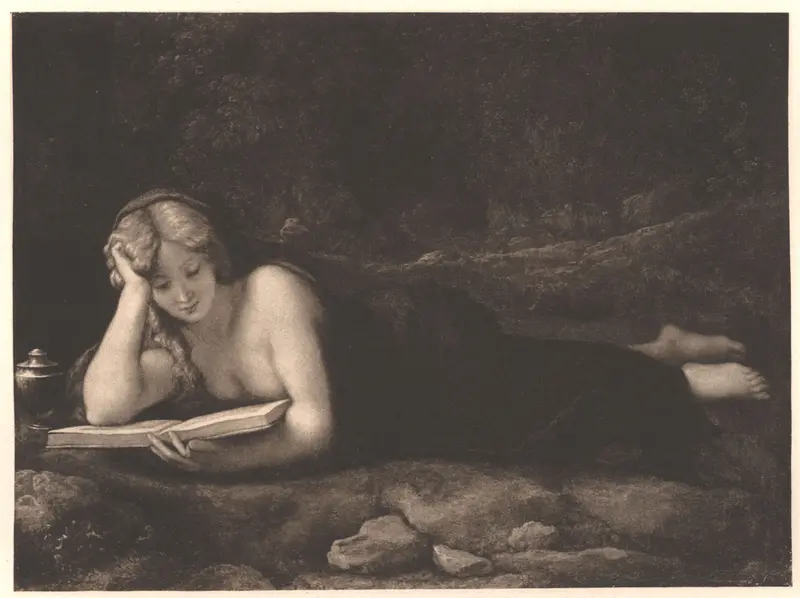
Penitent Magdalene
Antonio da Correggio
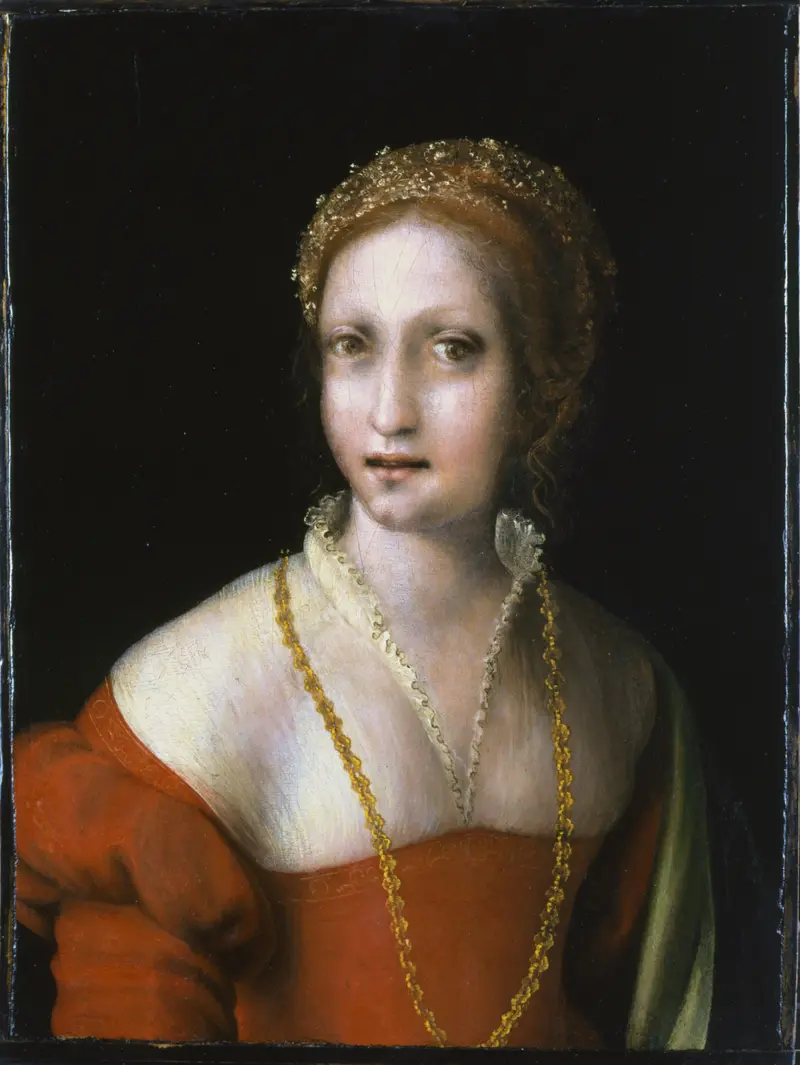
Portrait of a Young Girl
Antonio da Correggio
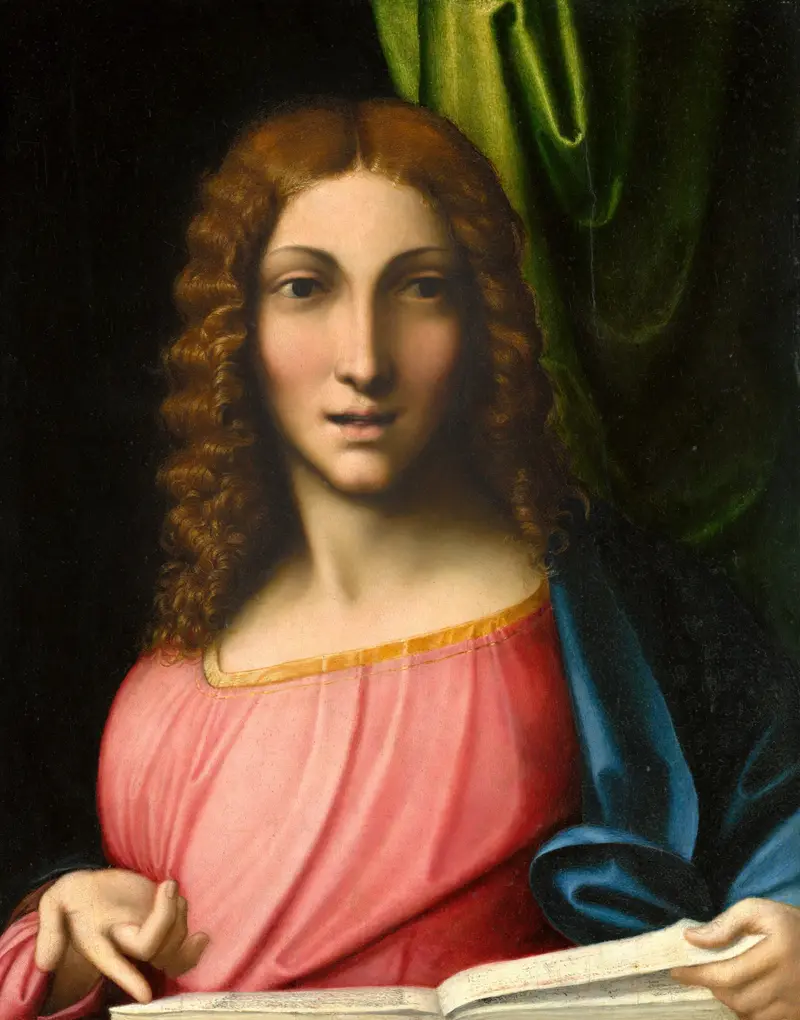
Christ in the Temple
Antonio da Correggio

Nativity
Antonio da Correggio
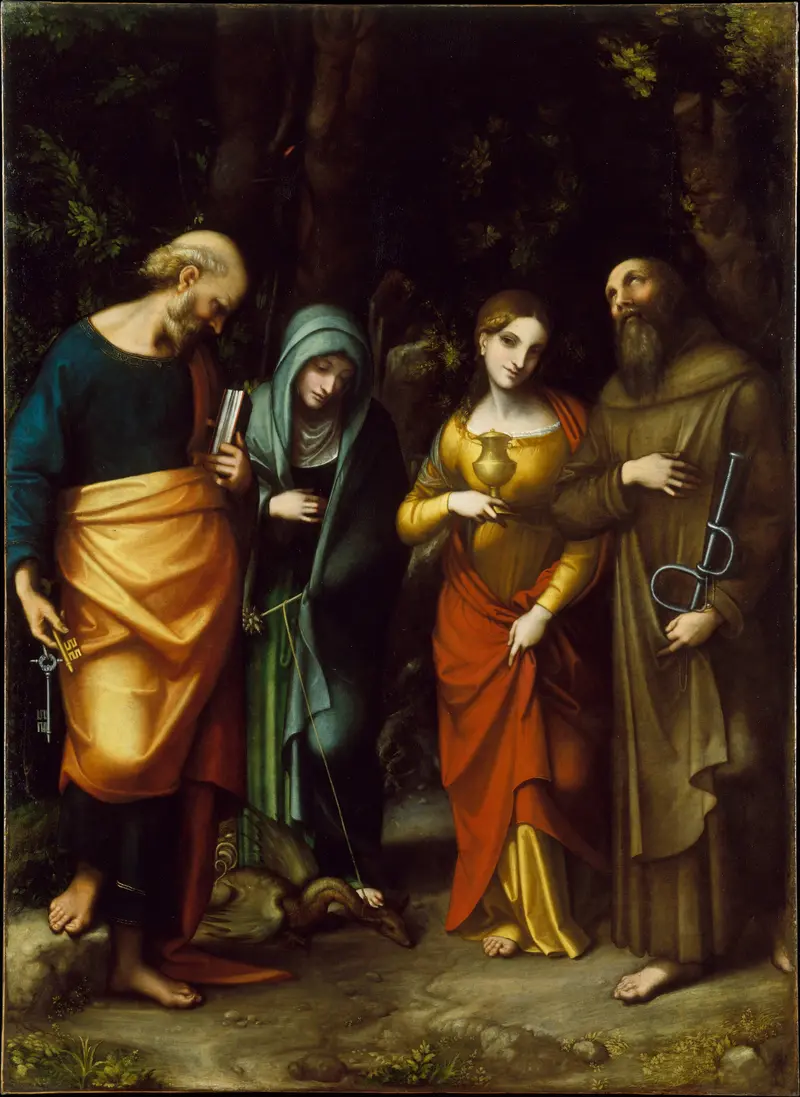
Saints Peter, Martha, Mary Magdalen, and Leonard
Antonio da Correggio
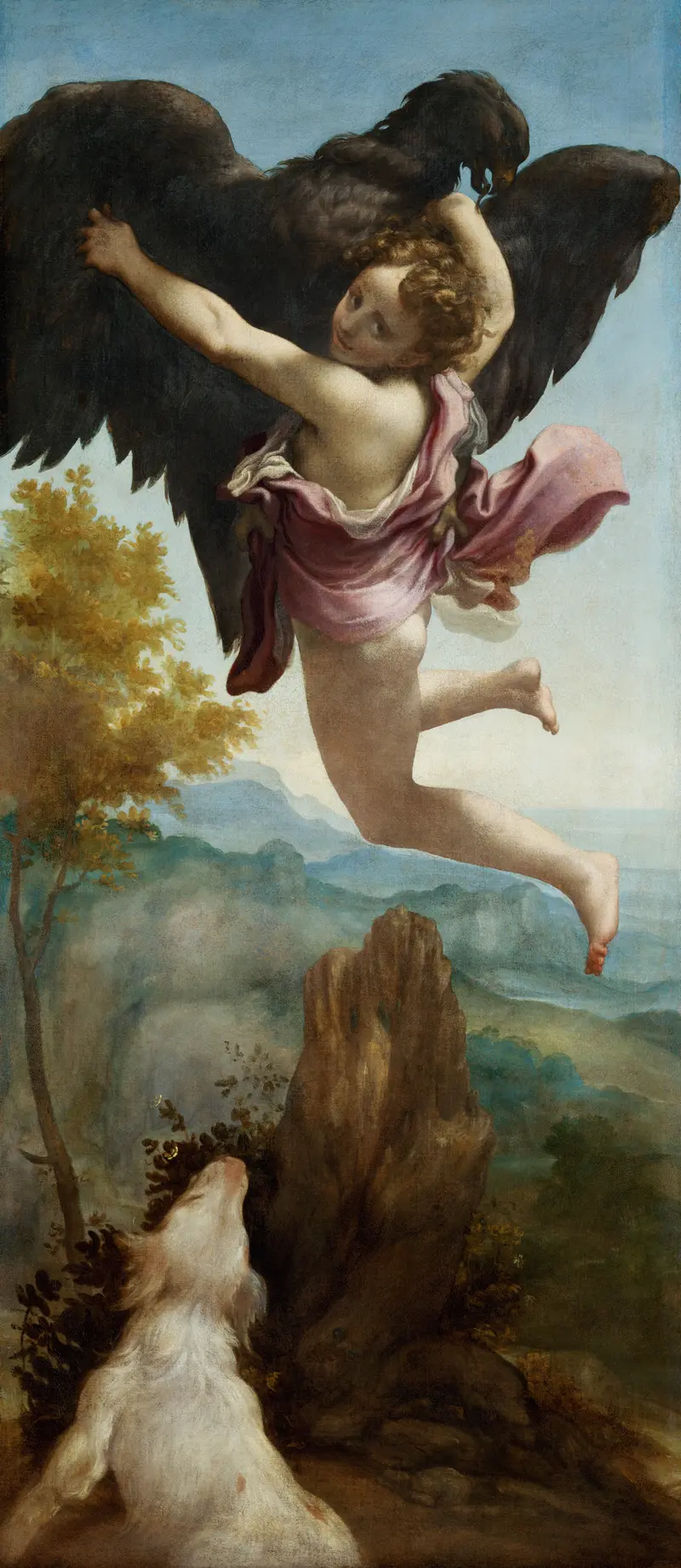
The Loves of Jupiter
Antonio da Correggio

Study for the "Madonna della Scodella" [recto]
Antonio da Correggio





