
Maison De La Poste — History & Facts
This transformation is what encapsulates the spirit of Renoir's work, where every stroke weaves a narrative of beauty from the mundane. Look to the center, where vibrant figures engage in animated conversation, their gestures alive with energy. Notice how the light filters through the trees, casting dappled shadows on their faces, illuminating the warmth of their expressions. The color palette—filled with soft blues, creamy whites, and warm yellows—creates a sense of intimacy and joy, drawing the eye to the way layers of paint blend seamlessly to evoke movement and life. Beneath the lively surface lies a deeper interplay of social dynamics; the closeness of the figures suggests camaraderie amidst an impersonal world.
The juxtaposition of the organic forms with the structured architecture of the post office hints at the changing landscapes of urban life—how communities transform even in the most ordinary settings. The contrast between light and shadow represents the duality of public and private moments, revealing the complexities of human connection. Created in the late 19th century, Renoir painted this piece during a time when Impressionism was gaining prominence, challenging traditional artistic conventions. Living in Paris amidst rapid industrialization, he sought to capture the fleeting moments of joy in everyday life, reflecting both personal experiences and the broader societal changes of his era.
It was a pivotal moment for the artist, as he became increasingly recognized for his vibrant depictions of community and leisure.
More Artworks by Pierre-Auguste Renoir
Browse all →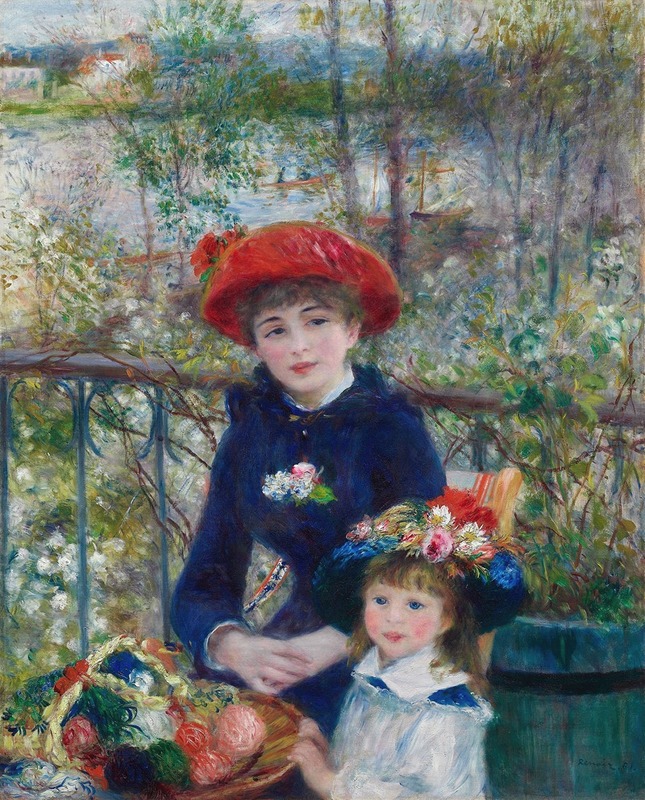
Two Sisters (On the Terrace)
Pierre-Auguste Renoir
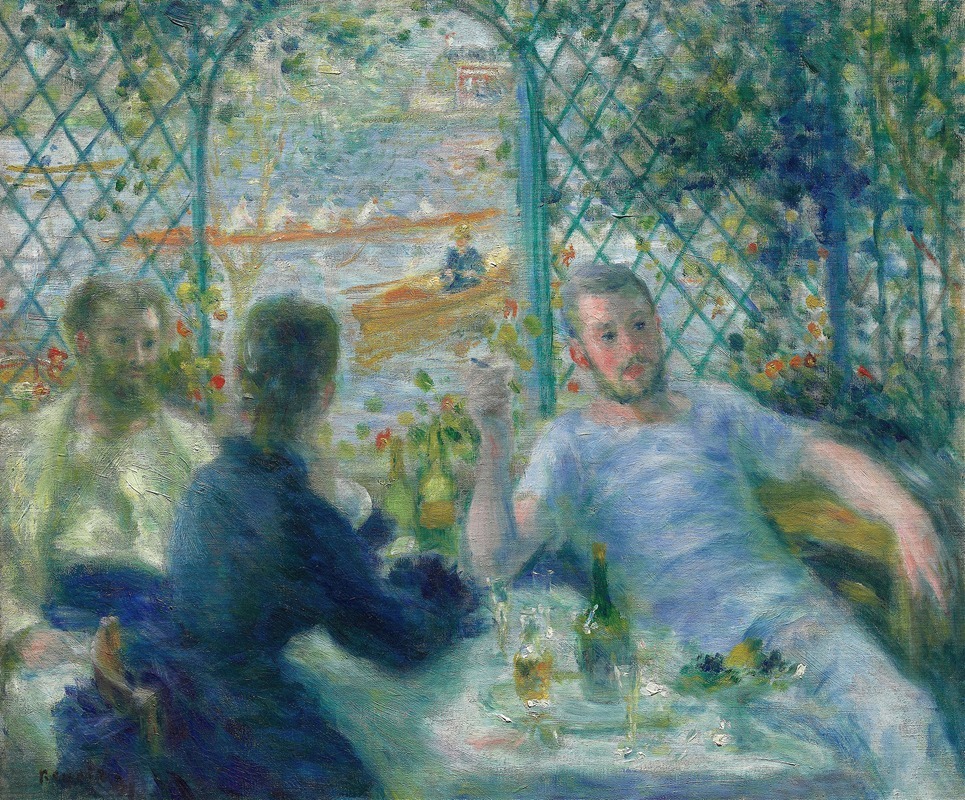
Lunch at the Restaurant Fournaise (The Rowers' Lunch)
Pierre-Auguste Renoir
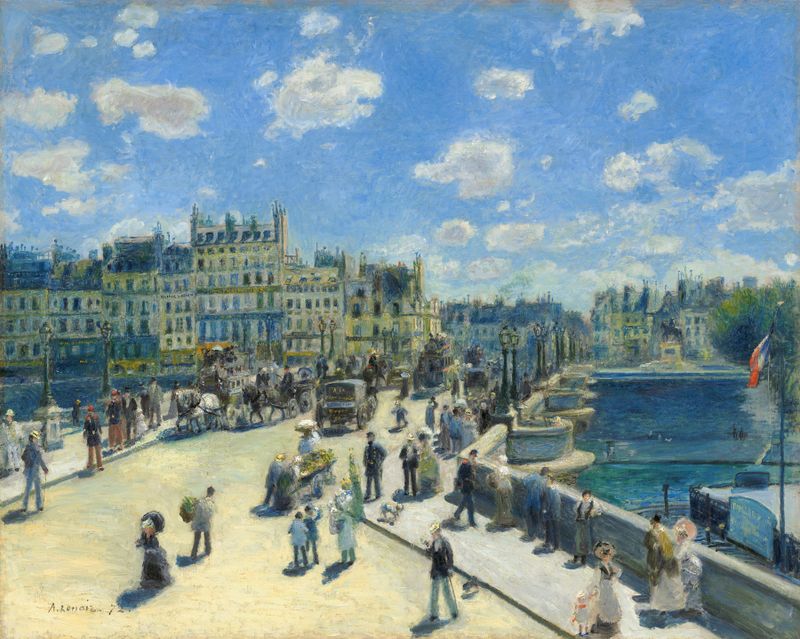
Pont Neuf, Paris
Pierre-Auguste Renoir
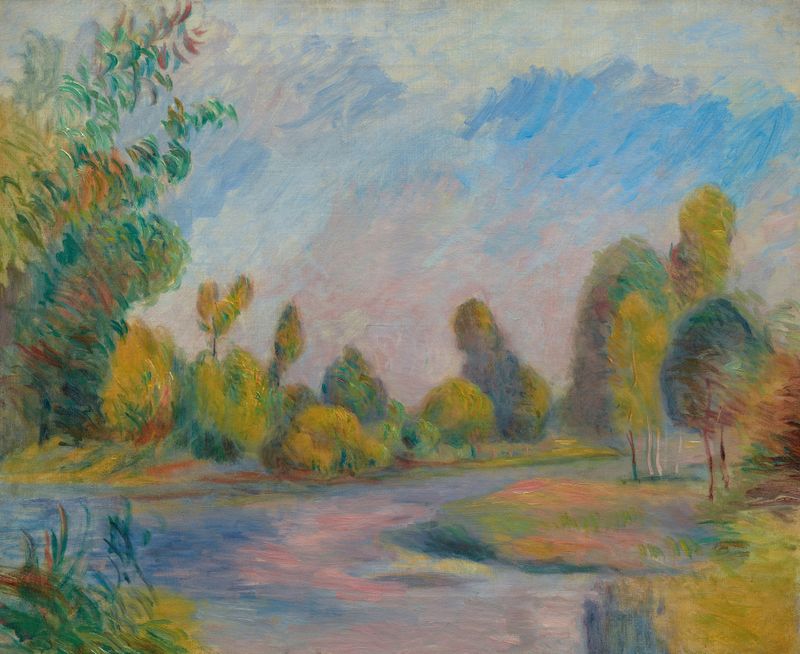
Au bord de la rivière
Pierre-Auguste Renoir

Near the Lake
Pierre-Auguste Renoir
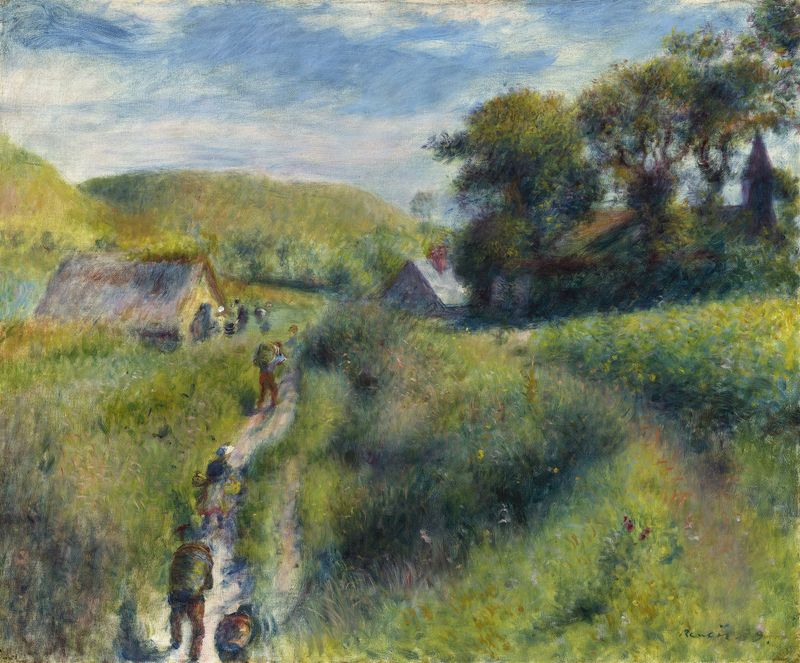
The Mussel Harvest
Pierre-Auguste Renoir

The Seine at Chatou
Pierre-Auguste Renoir
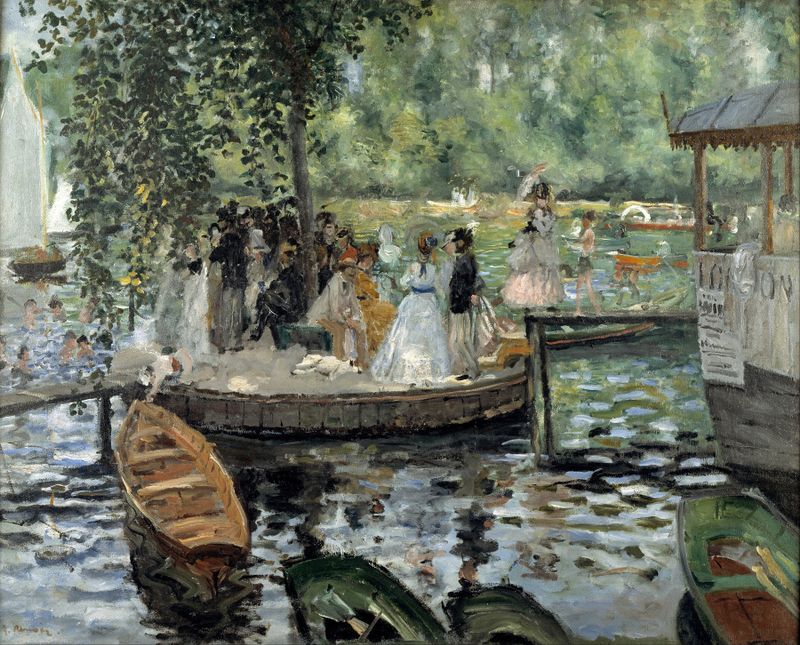
La Grenouillère
Pierre-Auguste Renoir
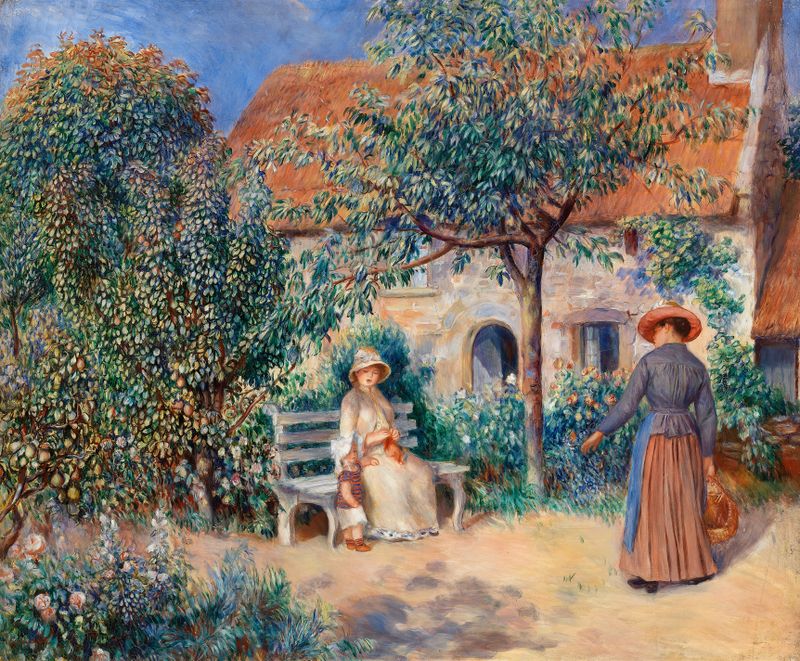
In Brittany (En Bretagne)
Pierre-Auguste Renoir
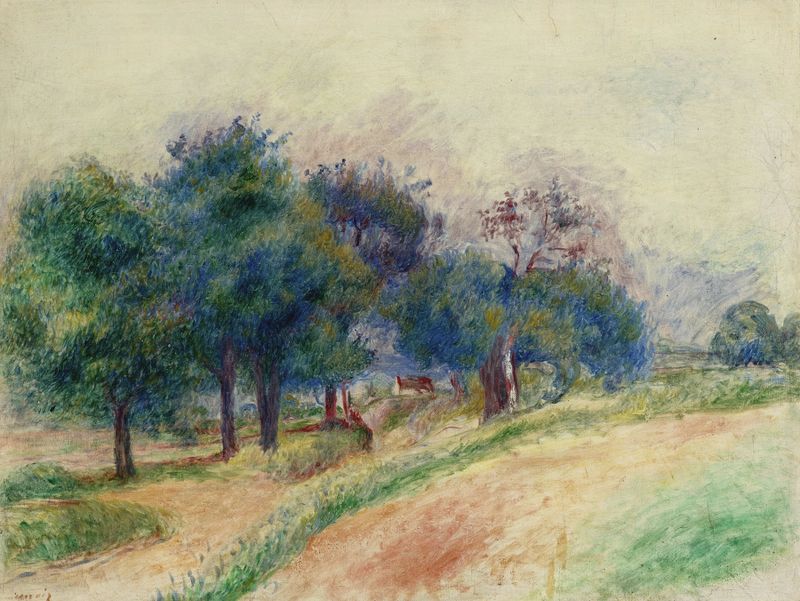
Paysage d’Essoyes
Pierre-Auguste Renoir





