
Hagar and the Angel — History & Facts
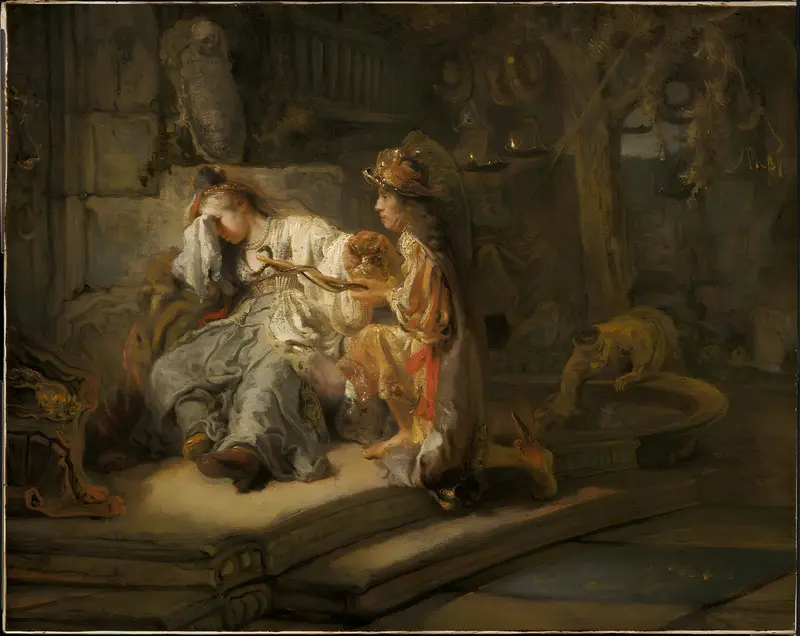
In the small circle of Dutch Golden Age painters, Carel Fabritius stands apart for his rare biblical scenes, and Hagar and the Angel is one of the earliest and most enigmatic. Painted in 1640, this work marks a turning point: it is among the very first paintings Fabritius completed after leaving the workshop of Rembrandt, his famed teacher. The subject, drawn from Genesis, was a favorite among Protestant patrons in the Netherlands, but Fabritius’s interpretation is unusually intimate and restrained, lacking the theatricality often found in his contemporaries’ treatments.
The painting’s medium remains uncertain, adding to its air of mystery—no technical analysis has yet revealed whether it is oil on canvas or panel. The scene unfolds at the moment when Hagar, cast out into the wilderness by Abraham and Sarah, collapses in despair, convinced her son Ishmael will die of thirst. Fabritius captures the instant the angel appears, gesturing toward a hidden spring, his other hand offering comfort. Hagar’s face is turned upward, tears catching the light; the angel’s presence is gentle rather than commanding, his form almost blending into the sunlit haze.
Unlike Rembrandt’s more dramatic Hagar and the Angel (1646), Fabritius’s version is quieter, focusing on the emotional exchange rather than spectacle. The sparse landscape and subdued palette direct the viewer’s attention to the human drama, making the divine intervention feel both miraculous and deeply personal. The subsequent history of Hagar and the Angel is as elusive as its subject. No record survives of its original patron, and the painting’s whereabouts for much of the 18th and 19th centuries remain unknown.
It resurfaced in the 20th century, attributed at first to a follower of Rembrandt before careful study of the brushwork and composition confirmed it as an early work by Fabritius. Today, it is recognized as a key piece in understanding the artist’s brief but influential career, bridging the narrative intensity of his teacher with the quiet observation that would define his later masterpieces. Its presence in the gallery invites viewers to witness both a biblical turning point and a young painter’s emergence from the shadow of his master.
More Artworks by Carel Fabritius

The Goldfinch
Carel Fabritius
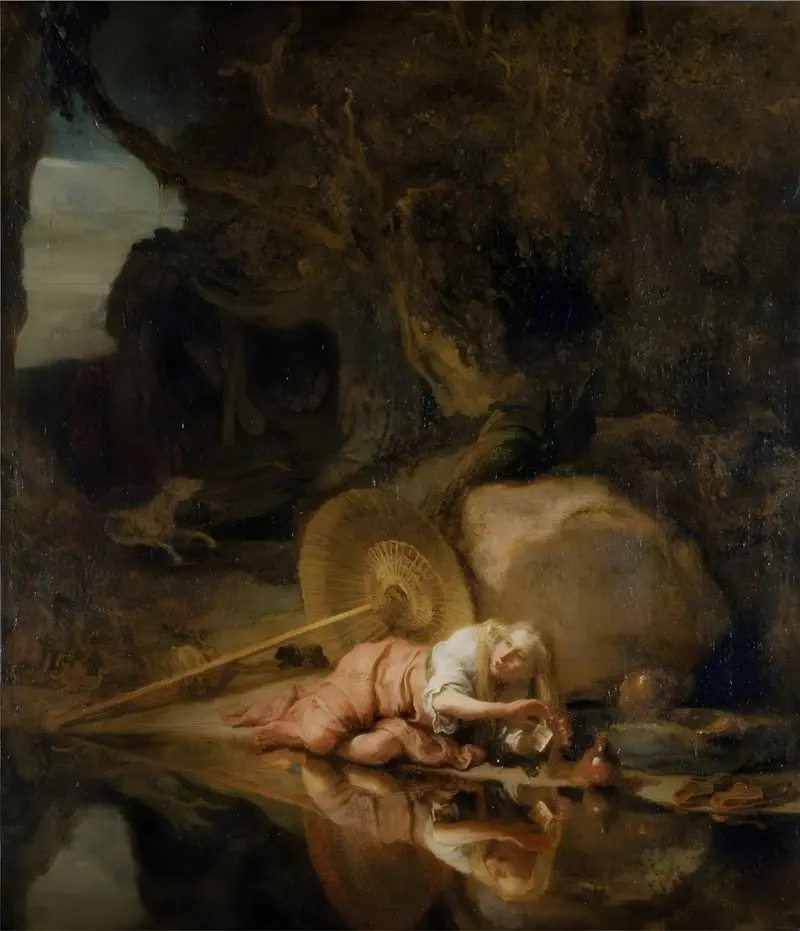
Hera hiding during the battle between the gods and the giants
Carel Fabritius
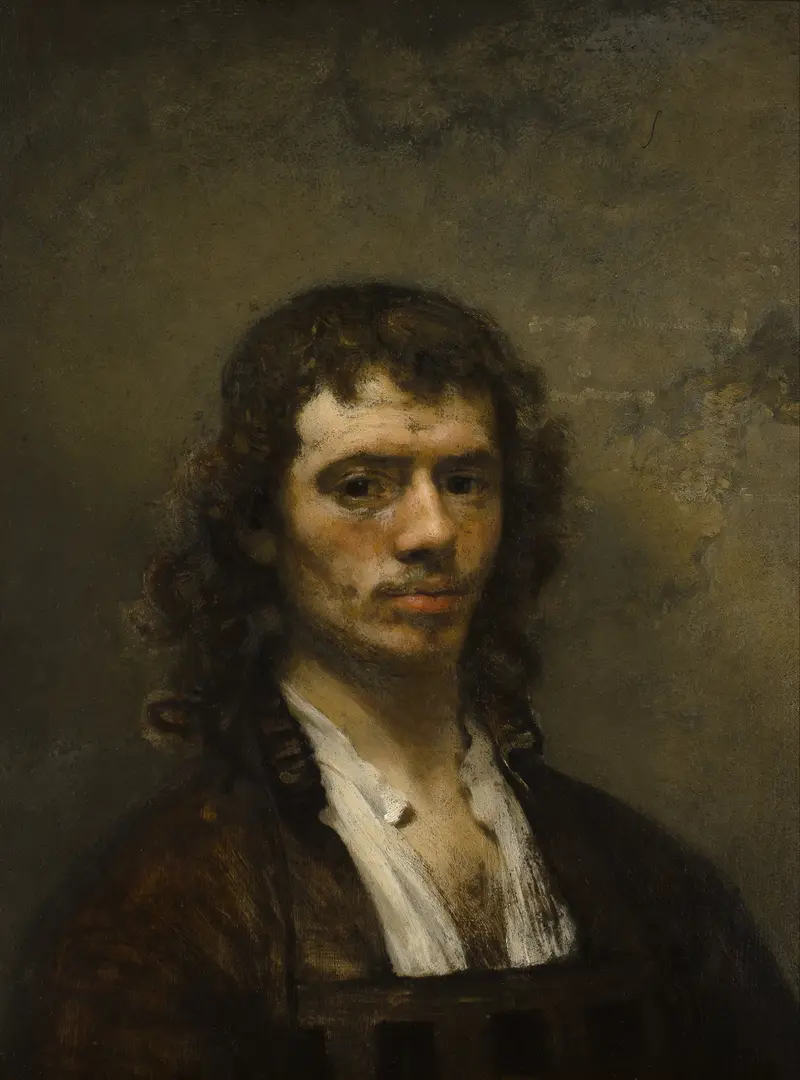
Self-portrait
Carel Fabritius
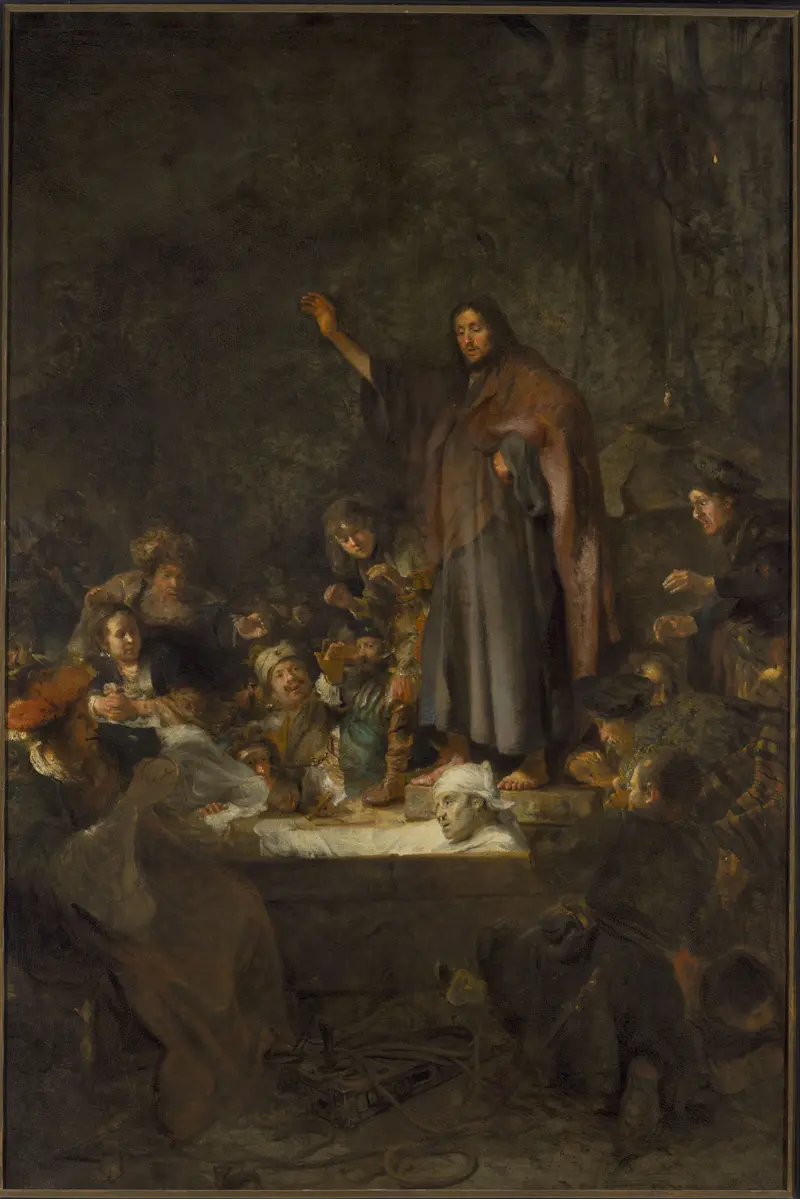
The Raising of Lazarus
Carel Fabritius
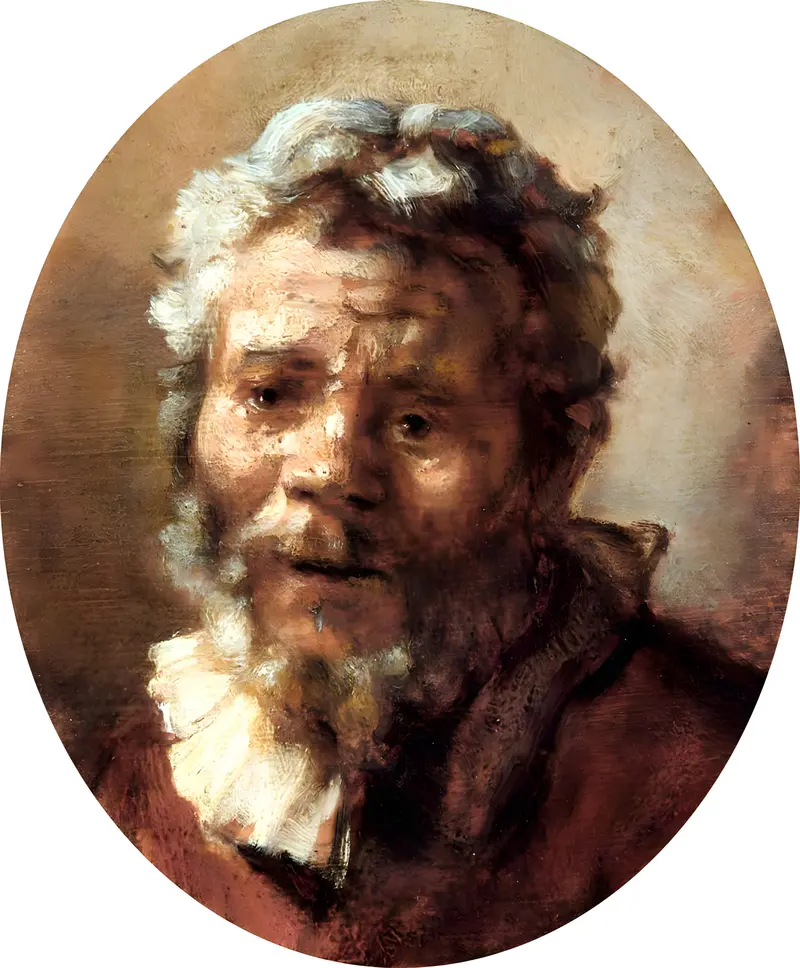
Portrait of a Bearded Man
Carel Fabritius
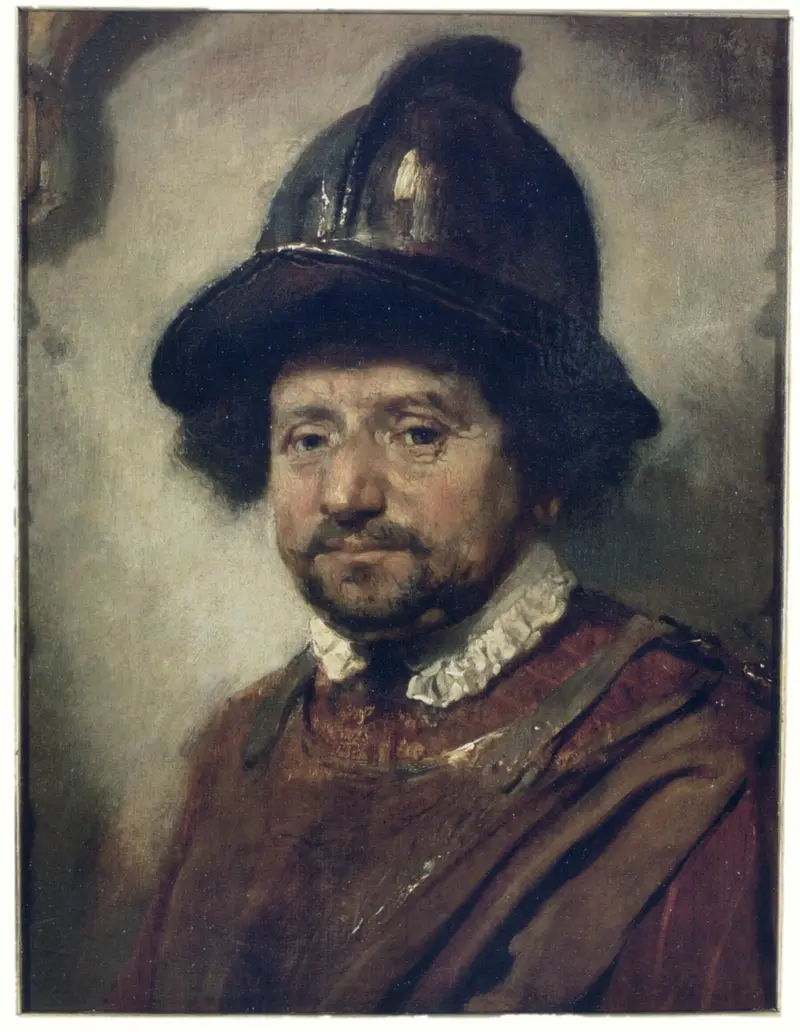
Man with a Helmet
Carel Fabritius
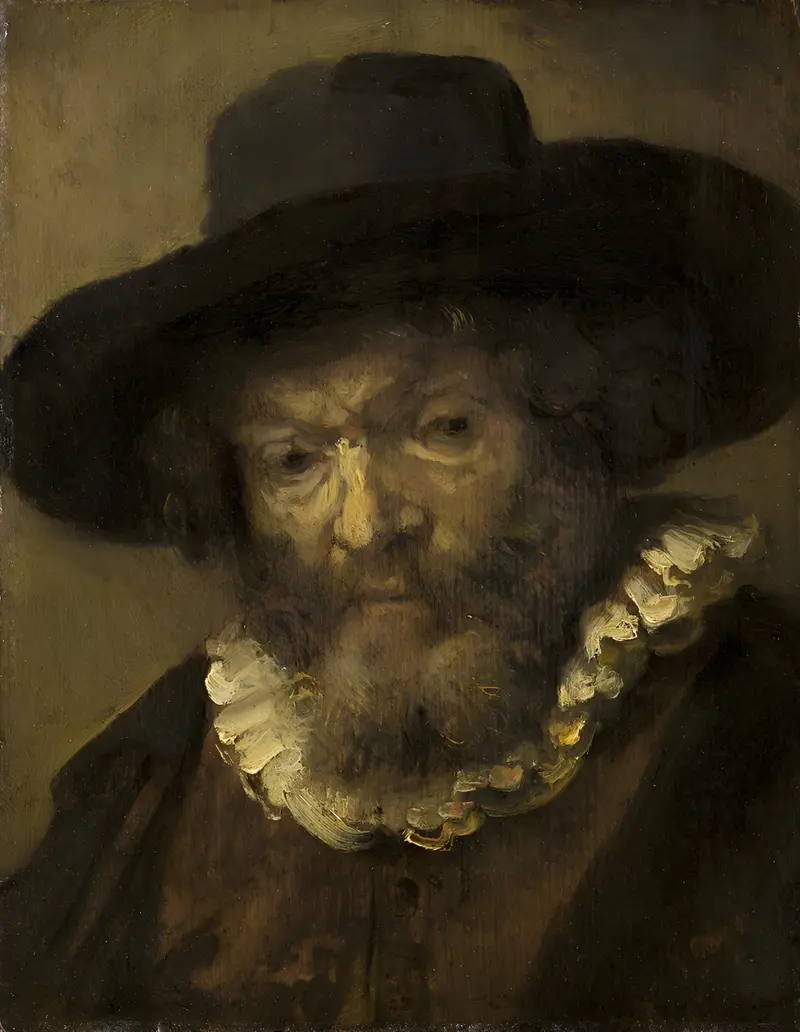
Head of an Old Man
Carel Fabritius
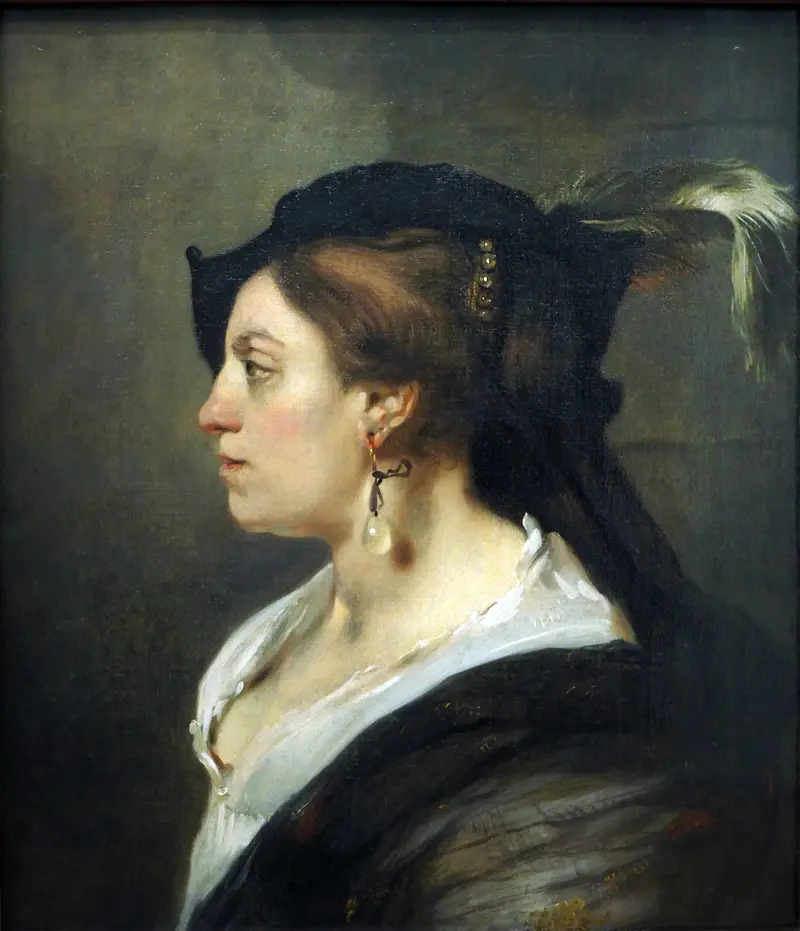
Portrait of a lady in profile
Carel Fabritius
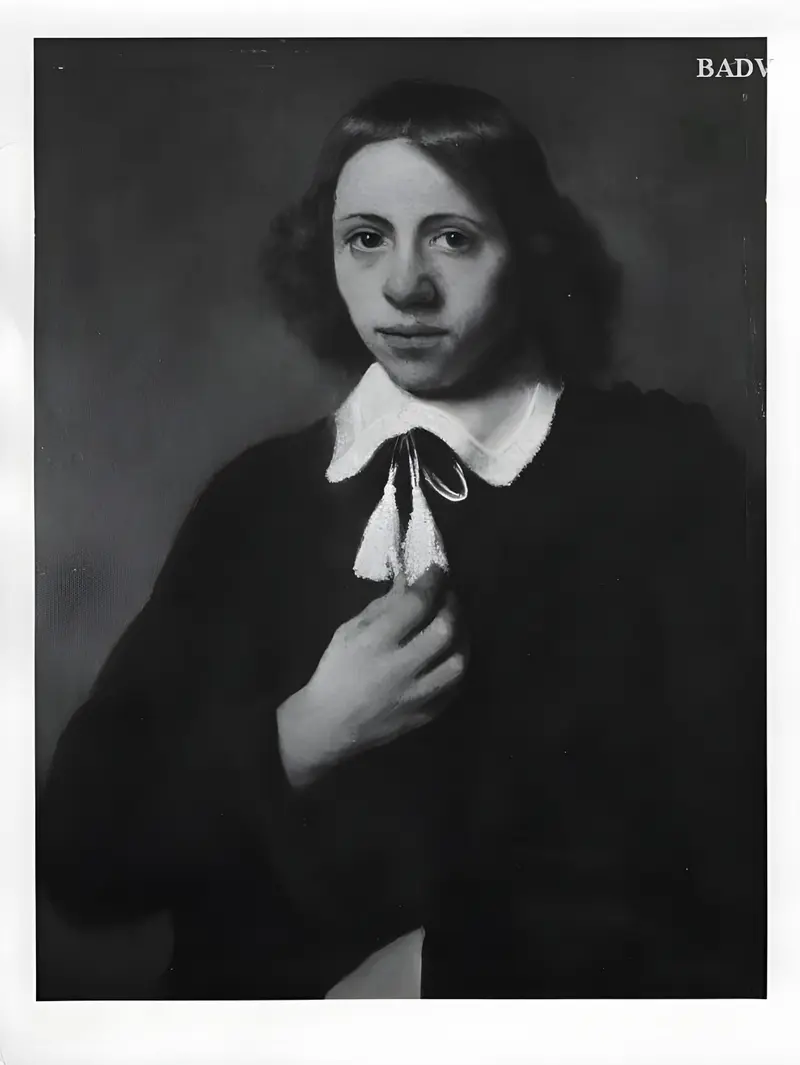
portrait of a boy
Carel Fabritius
Mercury and Aglauros
Carel Fabritius





