
Man with Delusions of Military Command — History & Facts
Few paintings from the mid-nineteenth century have provoked as much speculation as Man with Delusions of Military Command by Théodore Géricault. The work belongs to a haunting series of portraits of the insane that Géricault produced in the late 1820s, commissioned by Dr. Étienne-Jean Georget, a pioneer in the study of mental illness.
Though the exact date and medium of this painting remain uncertain, its subject—a man gripped by the fantasy of martial authority—struck contemporary viewers as both unsettling and compassionate. The painting’s psychological intensity was so remarkable that, decades later, critics still debated whether Géricault had captured a real patient or conjured a type from his imagination. At the heart of the composition, the sitter’s eyes blaze with conviction, his posture rigid as if awaiting invisible orders. The military coat, worn and ill-fitting, hints at a past glory or imagined rank, while the sitter’s clenched jaw and tightly gripped lapel betray both pride and anxiety.
The background is somber, drawing the viewer’s attention to the man’s face and the insignia that seem more symbolic than real. Unlike Ingres’s polished portraits of officers, Géricault strips away any sense of grandeur, focusing instead on vulnerability and delusion. The result is a deeply human portrayal, inviting the viewer to consider the thin line between ambition and madness. The painting’s provenance is as enigmatic as its subject.
While some works from Géricault’s series are securely traced to Georget’s collection and later to French psychiatric institutions, the journey of Man with Delusions of Military Command is less clear. It surfaced in the late nineteenth century in a Parisian private collection, and its attribution to Géricault has been widely accepted, though the lack of signature and documentation leaves room for scholarly debate. Today, the painting stands as a testament to Géricault’s fascination with the human psyche, marking a pivotal moment in the Romantic movement’s exploration of the mind’s shadows.
More Artworks by Théodore Géricault
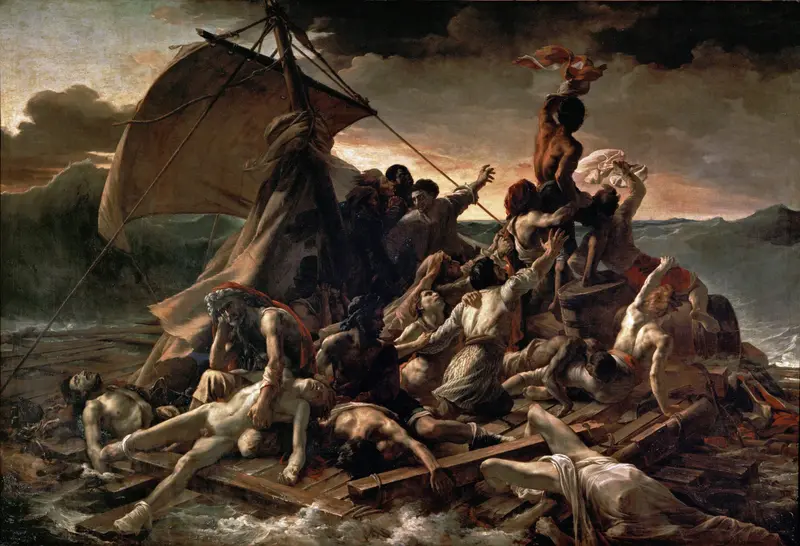
The Raft of the Medusa
Théodore Géricault

Géricault - Le naufrage du radeau de la Méduse, MBA 790
Théodore Géricault
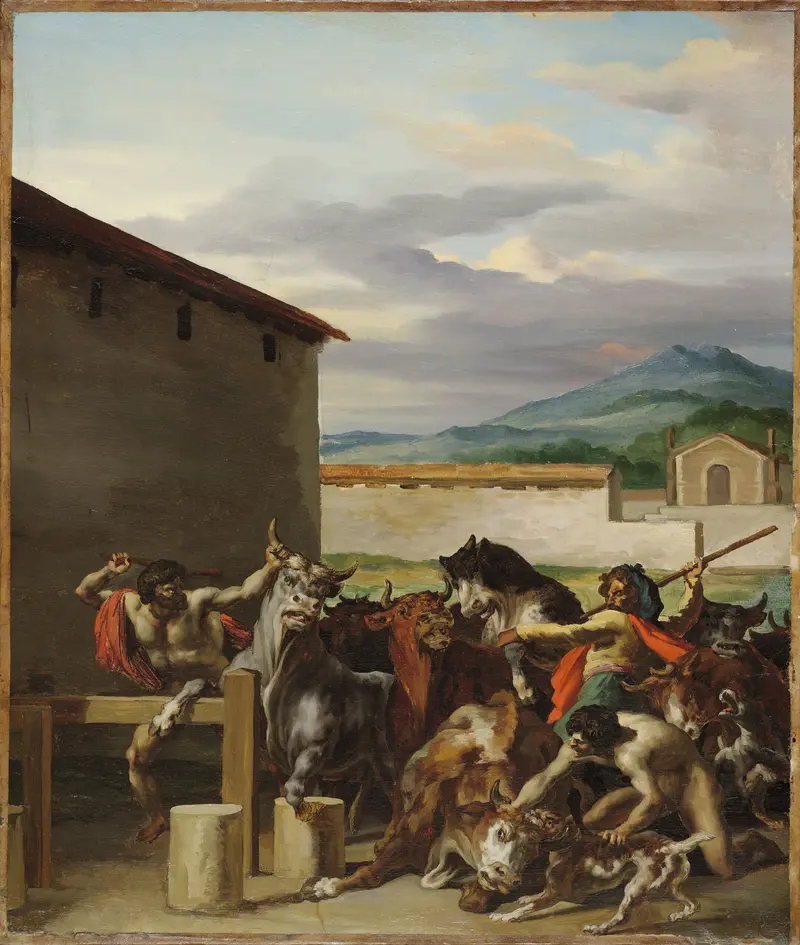
Cattle Market
Théodore Géricault
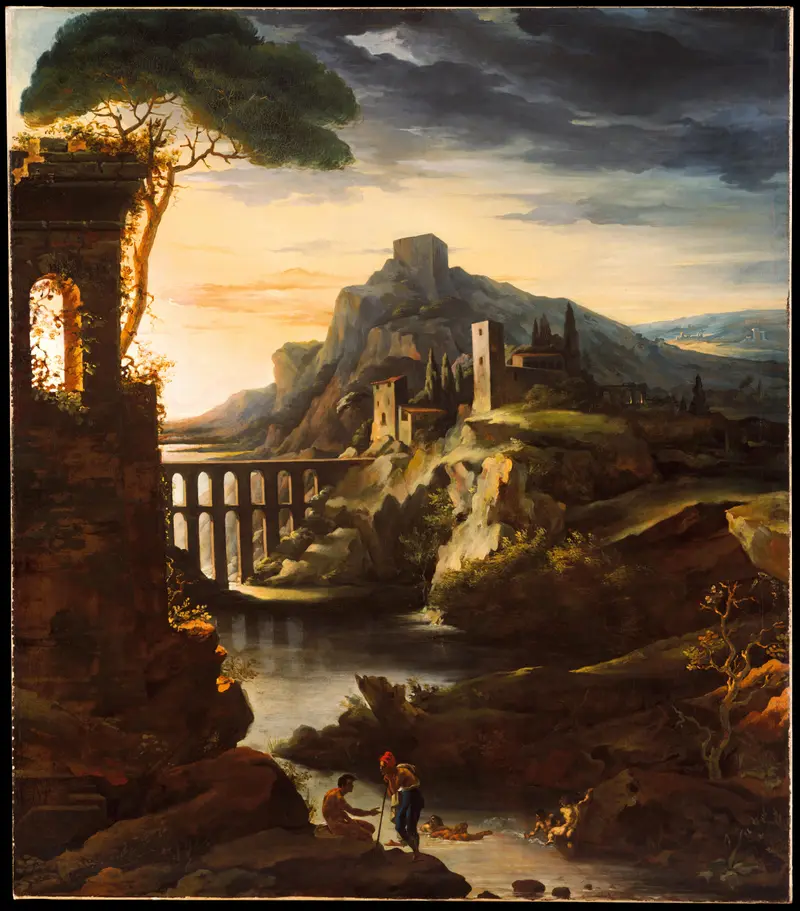
Evening; Landscape with an Aqueduct
Théodore Géricault
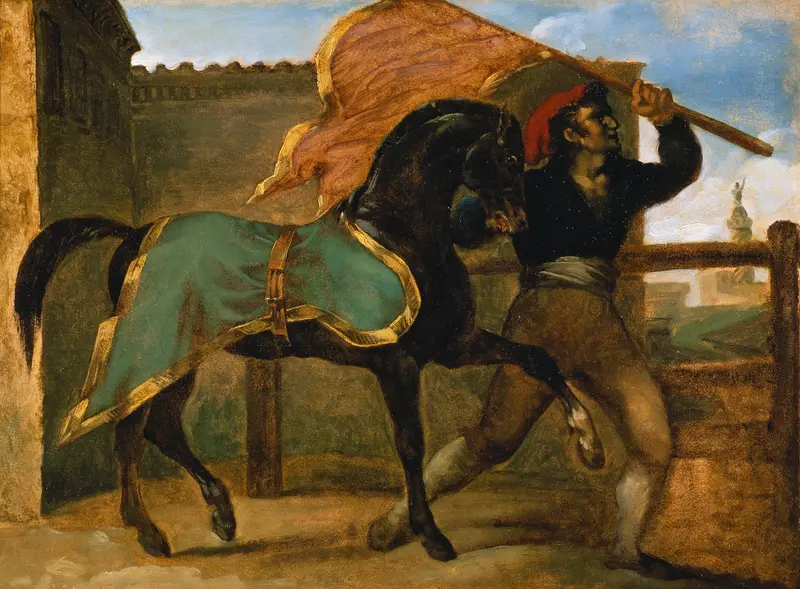
Horse Race
Théodore Géricault

Horses Standing in a Mews
Théodore Géricault
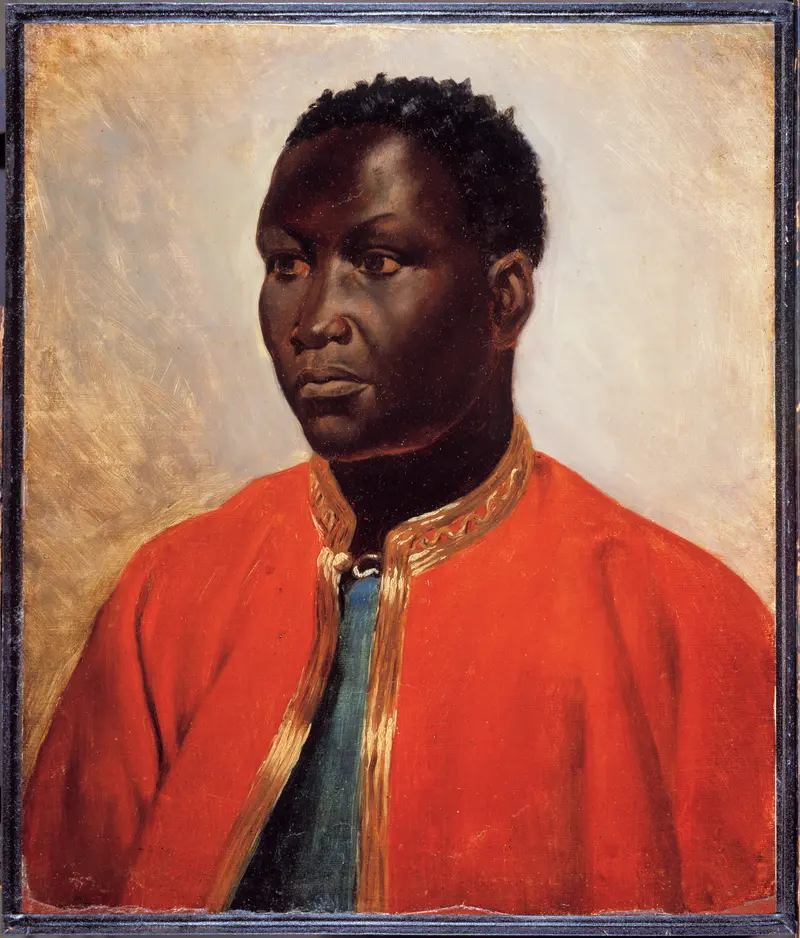
Portrait of a Negro
Théodore Géricault
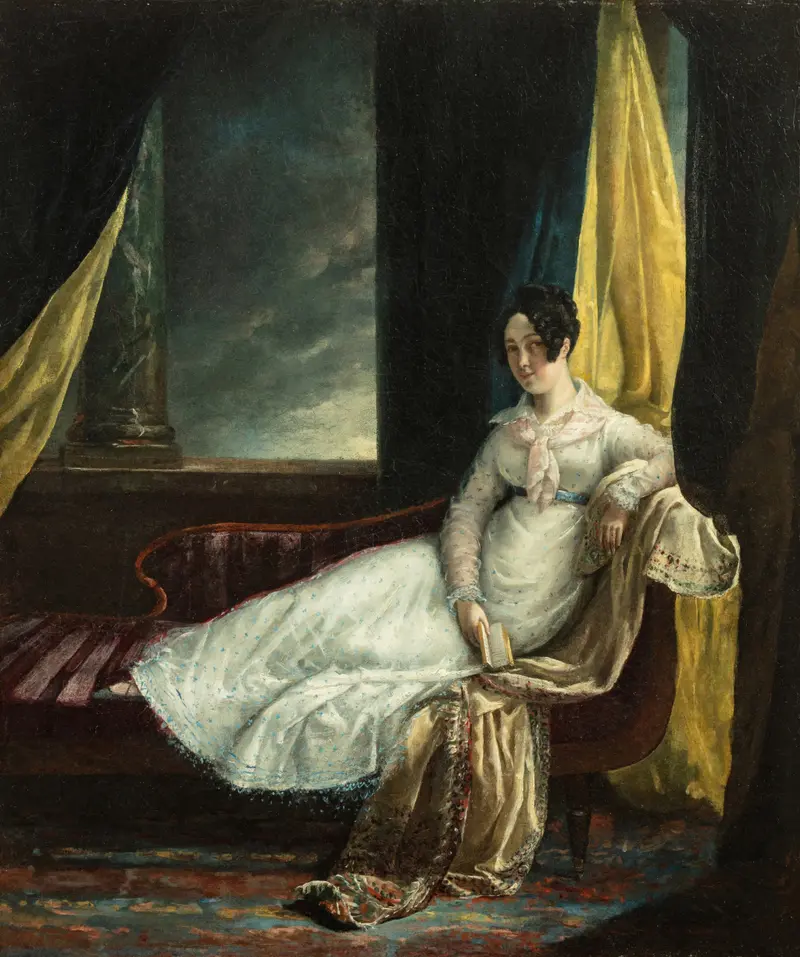
Portrait of Zoë Elmore
Théodore Géricault
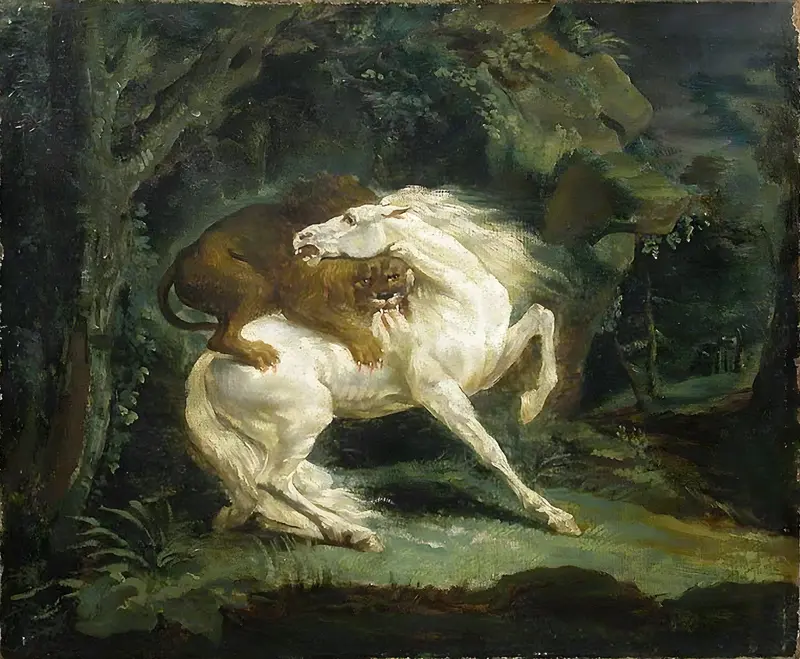
Cheval attaqué par un lion
Théodore Géricault
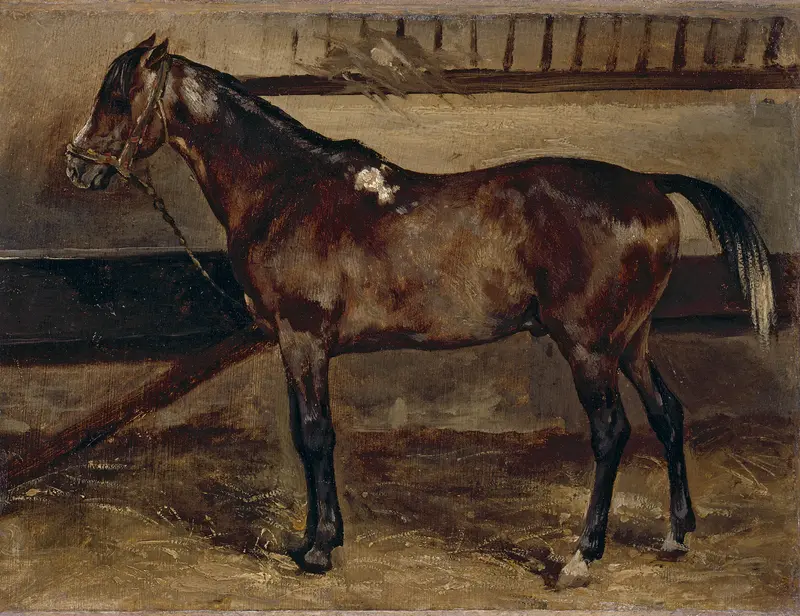
Cheval brun à l'écurie
Théodore Géricault





