
Man wordt verleid door lichtzinnige vrouw — History & Facts
Did the painter know this moment would outlive them? In the delicate interplay between desire and consequence, Man wordt verleid door lichtzinnige vrouw captures a fleeting encounter steeped in melancholy, echoing through the ages like a whispered warning. Look to the left at the man, his features etched with both longing and hesitation, caught in the seductive gaze of the woman opposite him. Notice how the light filters through the translucent fabric of her gown, casting an ethereal glow that draws the viewer's eye and accentuates the tension between innocence and temptation. The rich, muted colors lend a sense of depth, while the intricate details of the clothing hint at the social status of the figures—a commentary on the allure of wealth and beauty. Beneath the surface of this moment lies an exploration of the duality of human nature.
The woman's allure is not merely physical; it embodies the profound impact of desire on one's moral compass. The stark contrast between her vibrant presentation and the man's troubled demeanor suggests an inner conflict, framing the seduction as both enchanting and perilous. Each glance exchanged is laden with unspoken implications, inviting viewers to ponder the consequences of succumbing to temptation. In 1538, while Holbein was in England, he painted this work during a time when court intrigue and shifting alliances were rampant.
The artist was immersed in the Tudor court, where he served as a portraitist and advisor. This historical moment, rife with questions of fidelity and power, informs the emotional gravity of this piece, grounding its timeless themes in the rich tapestry of human experience.
More Artworks by Hans Holbein (II)
Browse all →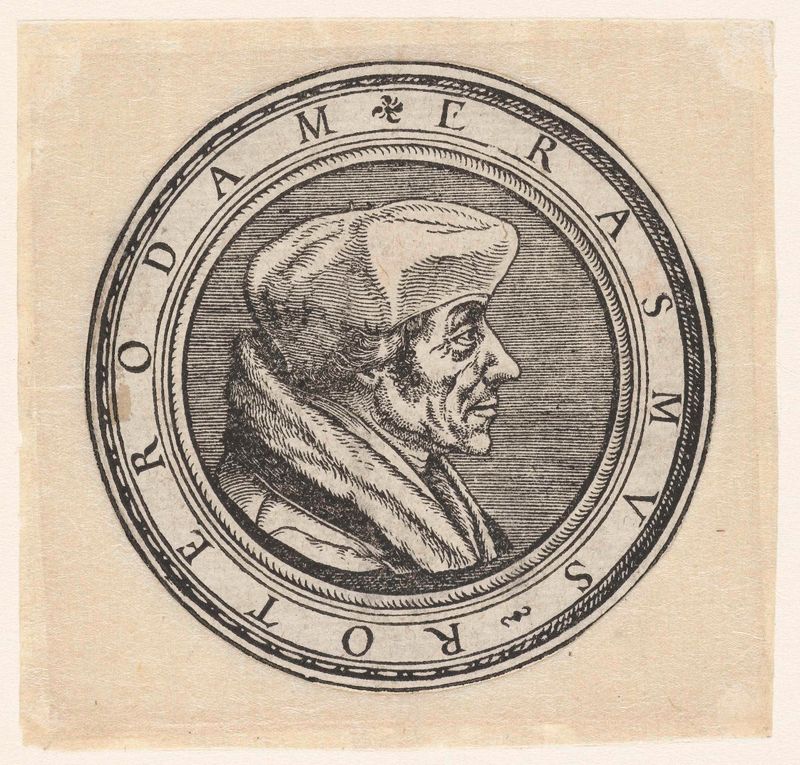
Portret van Erasmus
Hans Holbein (II)
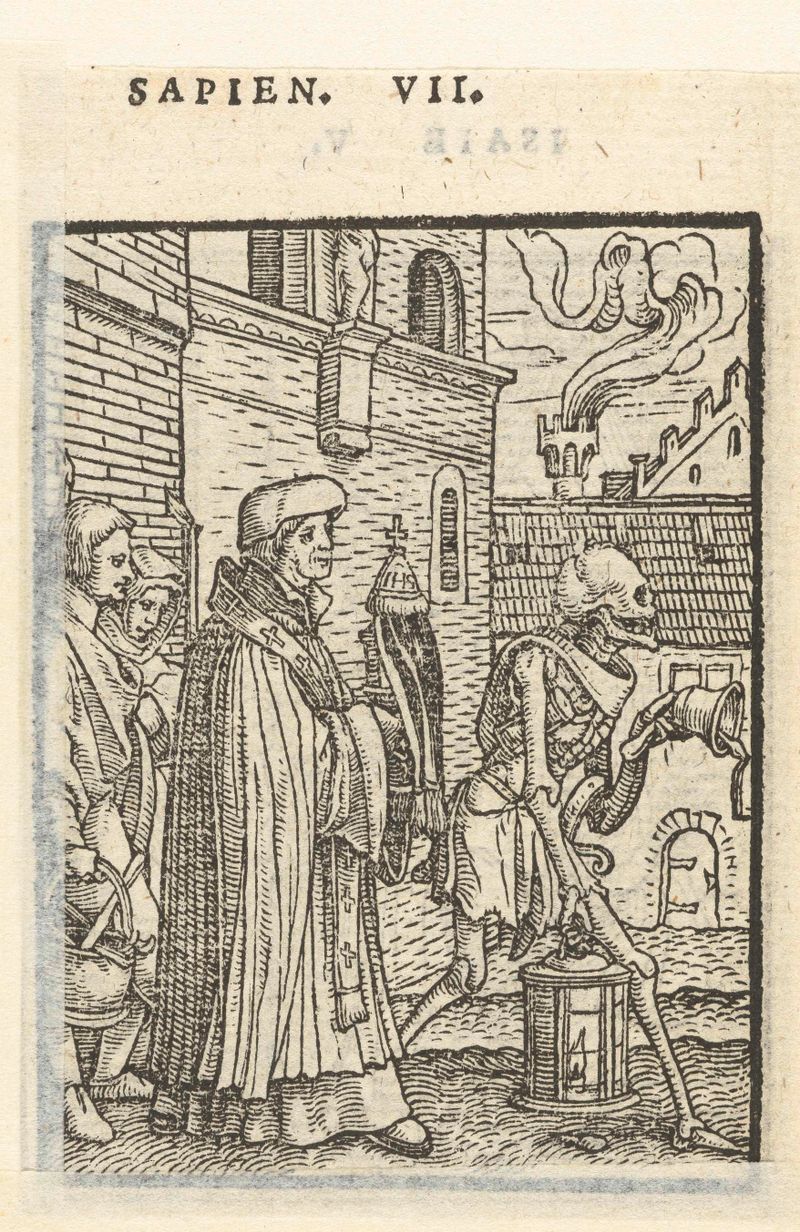
Priester en de Dood
Hans Holbein (II)
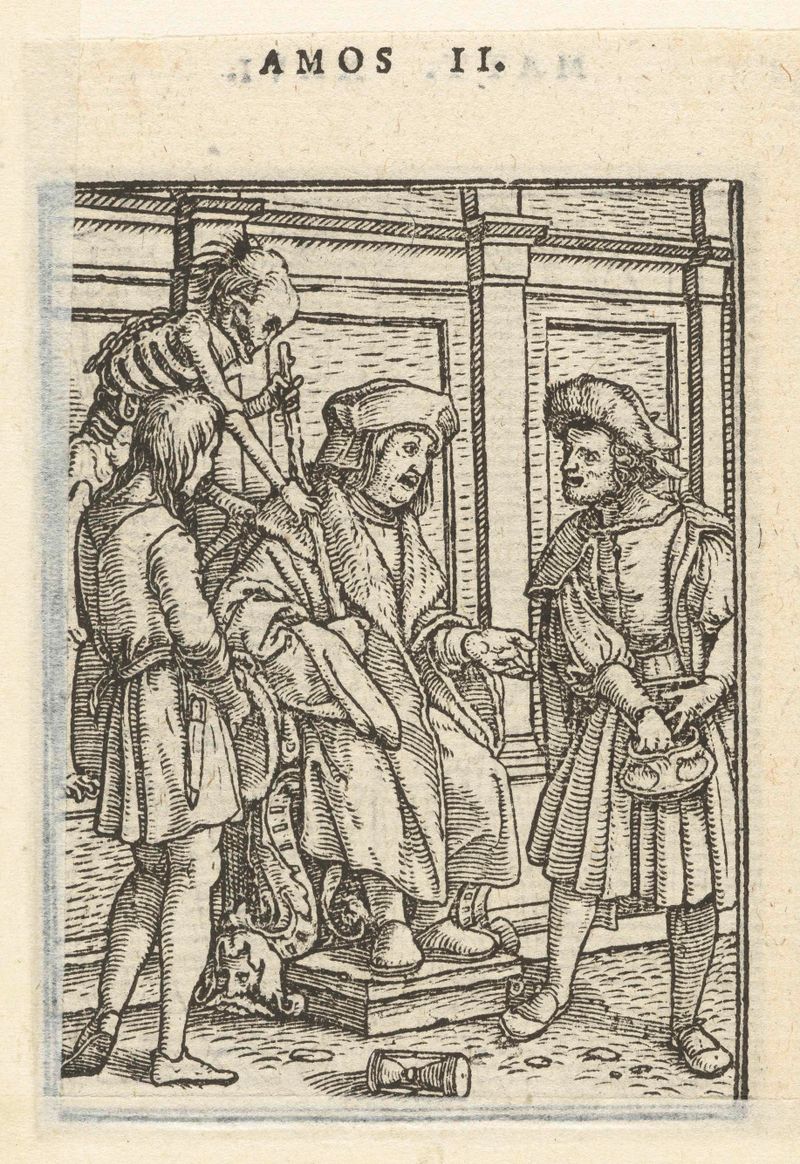
Rechter en de Dood
Hans Holbein (II)
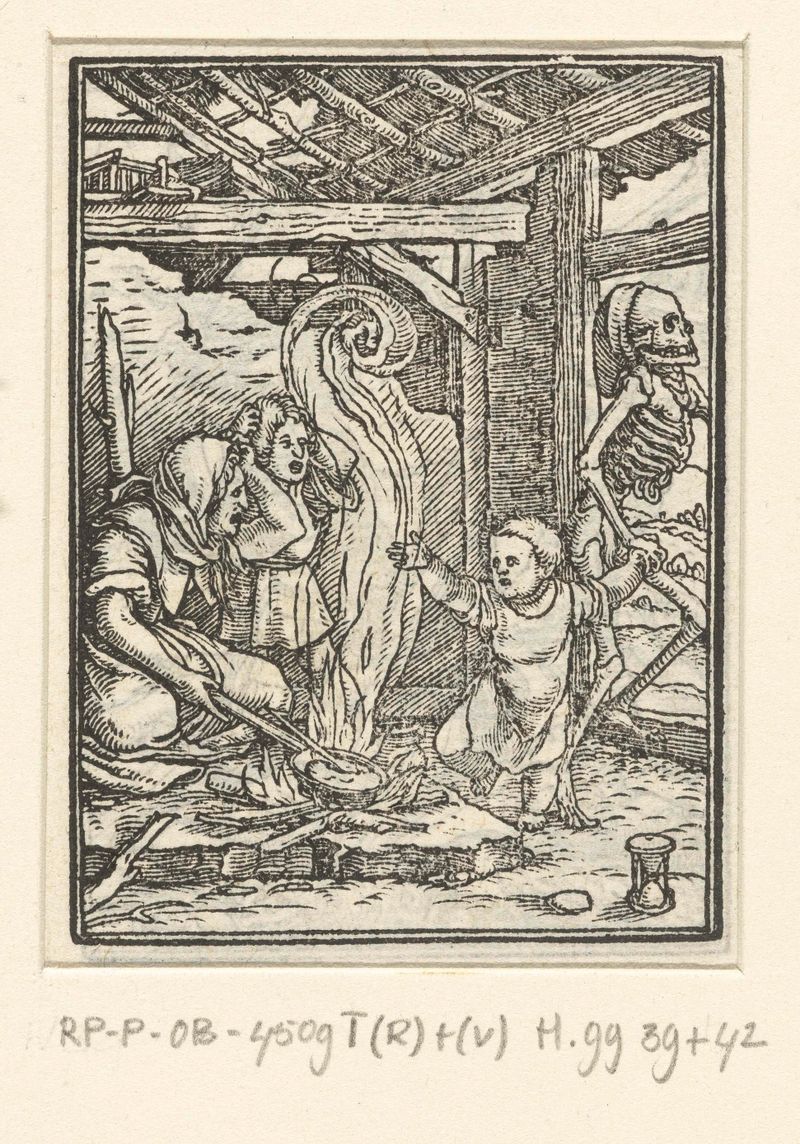
Kind en de Dood
Hans Holbein (II)
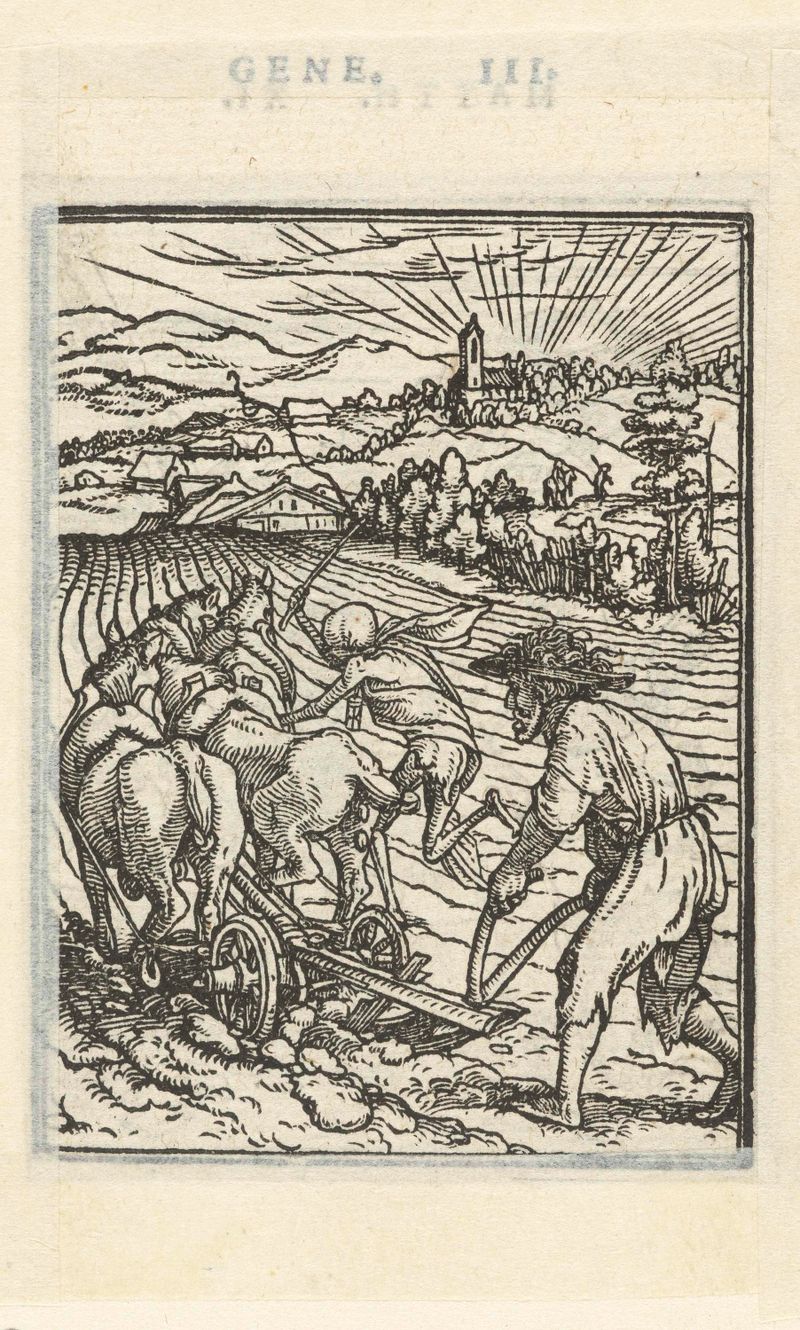
Boer en de Dood
Hans Holbein (II)
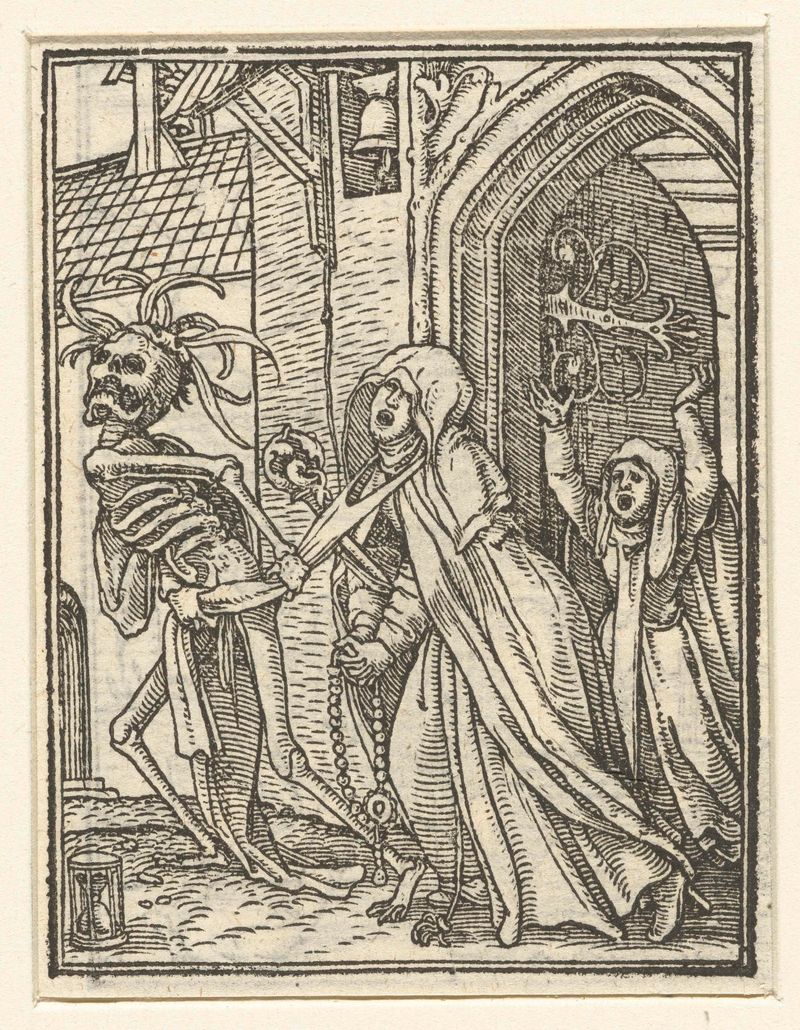
Abdis en de Dood
Hans Holbein (II)
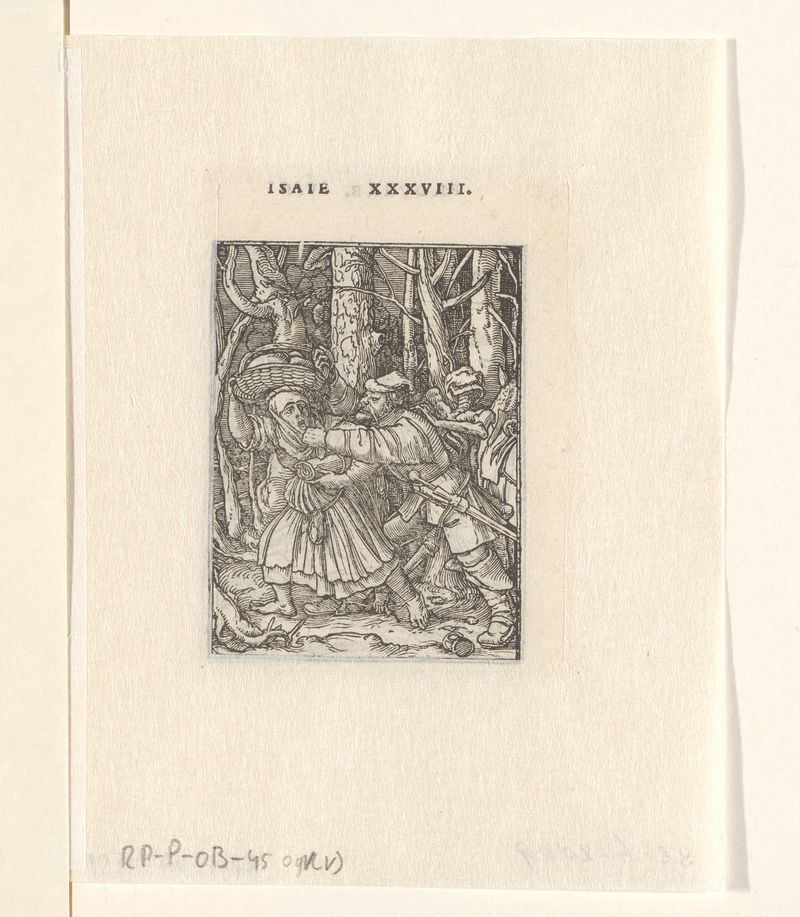
Dief en de Dood
Hans Holbein (II)
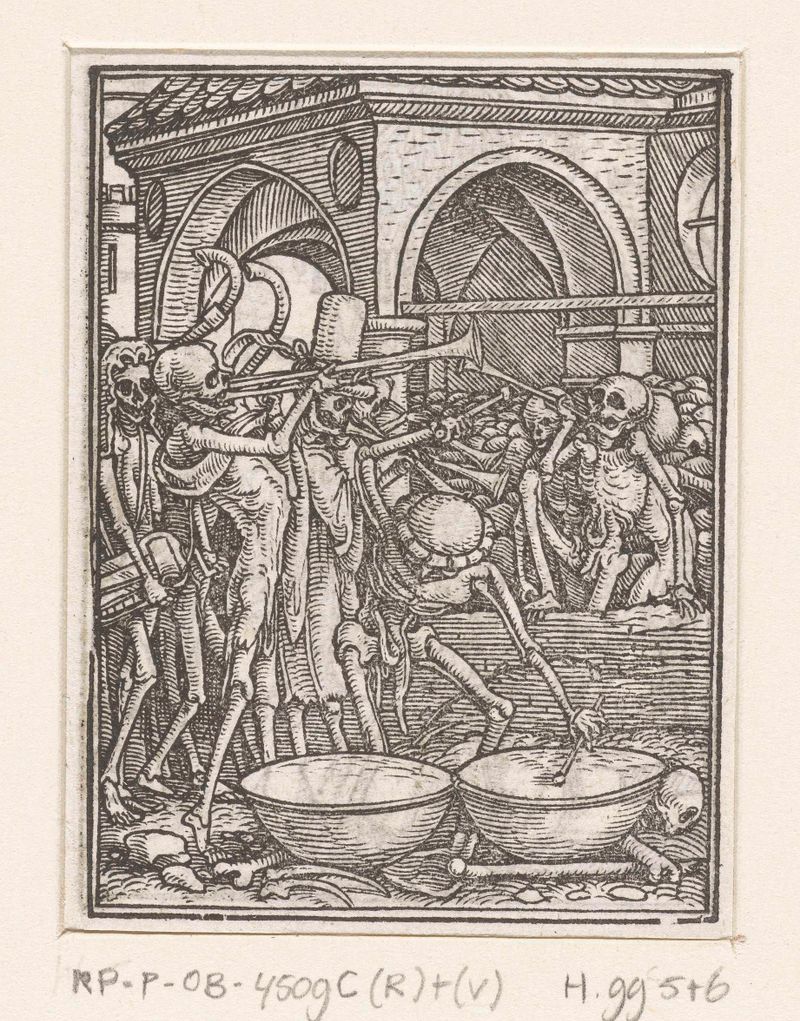
Skeletons Making Music from Dance of the Dead
Hans Holbein (II)
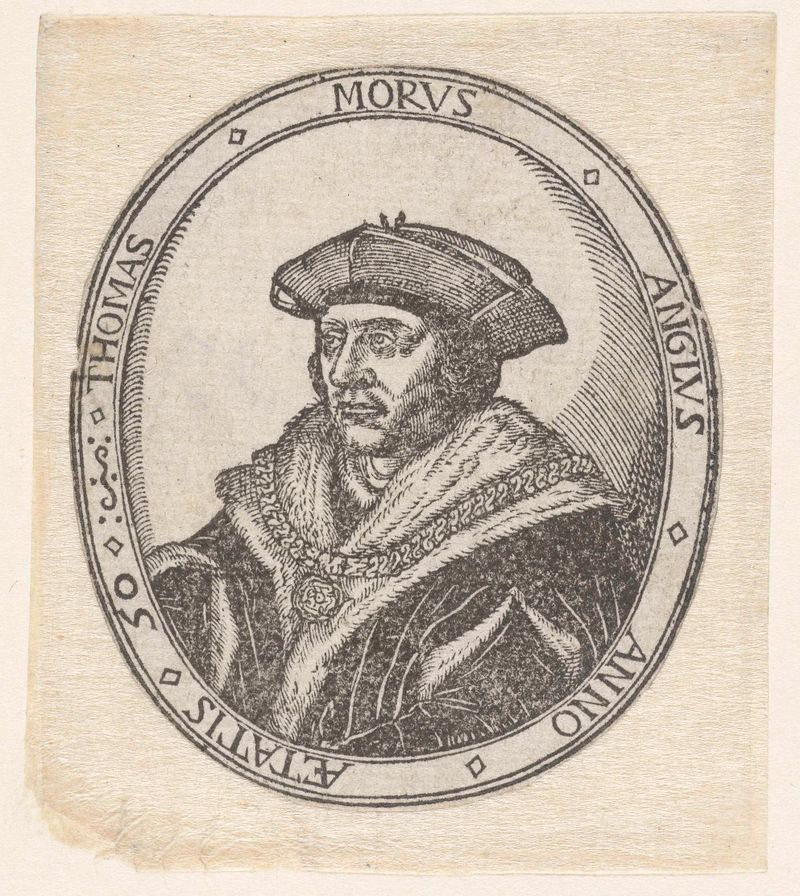
Portret van Thomas More
Hans Holbein (II)
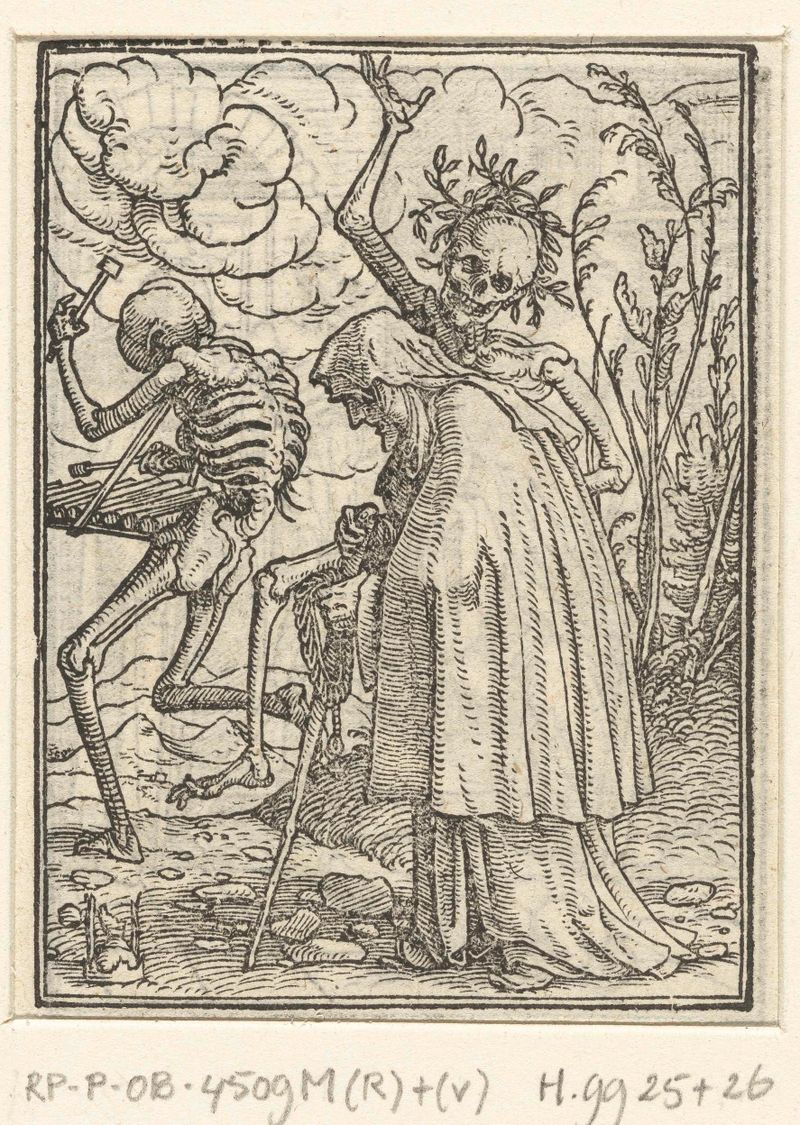
Oude vrouw en de Dood
Hans Holbein (II)





