
Margot In Big Bonnett And Red Dress — History & Facts
No other American artist was so closely associated with the Parisian Impressionists as Mary Cassatt, and yet her depictions of women and children were often more intimate and psychologically acute than those of her French peers. In Margot In Big Bonnett And Red Dress, Cassatt returned again to a favorite subject: the world of childhood, seen through the lens of domestic life. The identity of Margot remains uncertain—she may have been a family friend or one of the many children Cassatt painted from her social circle—but the painting stands out for its bold color and the striking presence of the child, whose personality seems to radiate from the canvas. Cassatt chooses a moment of quiet self-possession: Margot, dressed in a vivid red dress and crowned with an oversized bonnet, sits or stands in a pose that feels both formal and utterly natural.
The large bonnet, with its extravagant bow, frames Margot’s face and draws the viewer’s eye to her direct, thoughtful gaze. The red dress, rendered in loose, visible brushstrokes, pulses with life, contrasting with the softer background and the delicate tones of Margot’s skin. Unlike Renoir’s children, who often appear as decorative cherubs, Cassatt’s Margot is alert and individual, her expression hinting at a private world beyond the painter’s reach. The precise date and medium of Margot In Big Bonnett And Red Dress remain unknown, and its early history is not well documented—a common fate for many works by Cassatt that were created for private clients or family.
What is clear is that paintings like this one helped secure Cassatt’s reputation on both sides of the Atlantic as a chronicler of modern womanhood and childhood. Today, Margot In Big Bonnett And Red Dress is celebrated as a testament to Cassatt’s ability to blend Impressionist technique with a distinctly American sense of character and observation, ensuring her place among the leading figures of the movement.
More Artworks by Mary Cassatt

The Child's Bath
Mary Cassatt
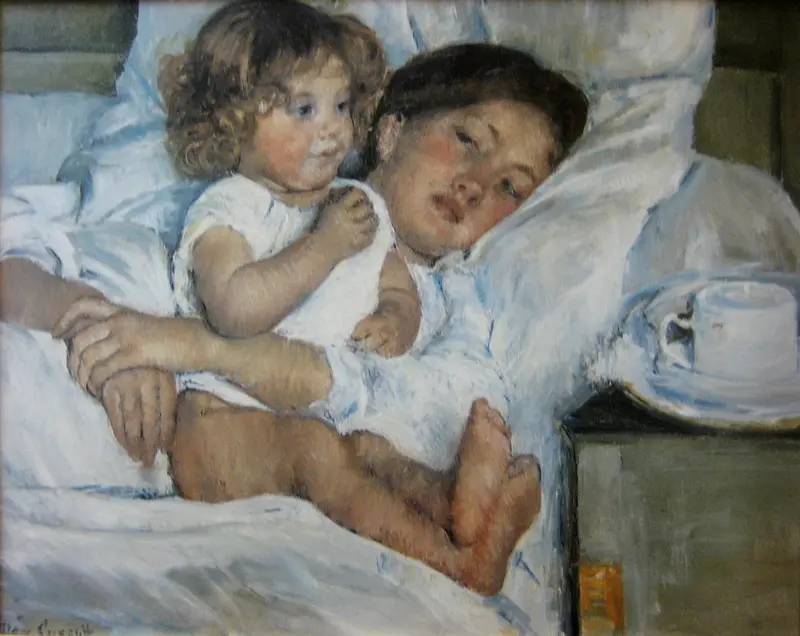
Breakfast in Bed
Mary Cassatt

Mother and Child (Baby Getting Up from His Nap)
Mary Cassatt
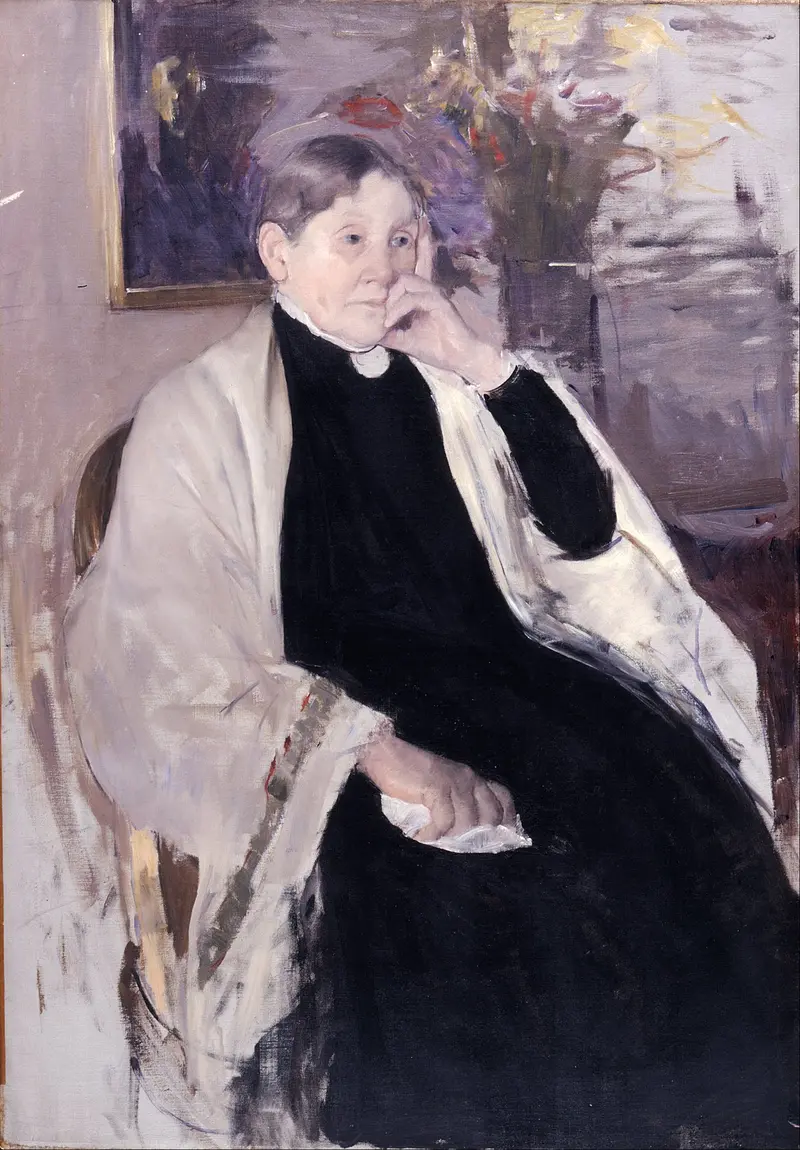
Mrs. Robert S. Cassatt, the Artist's Mother
Mary Cassatt
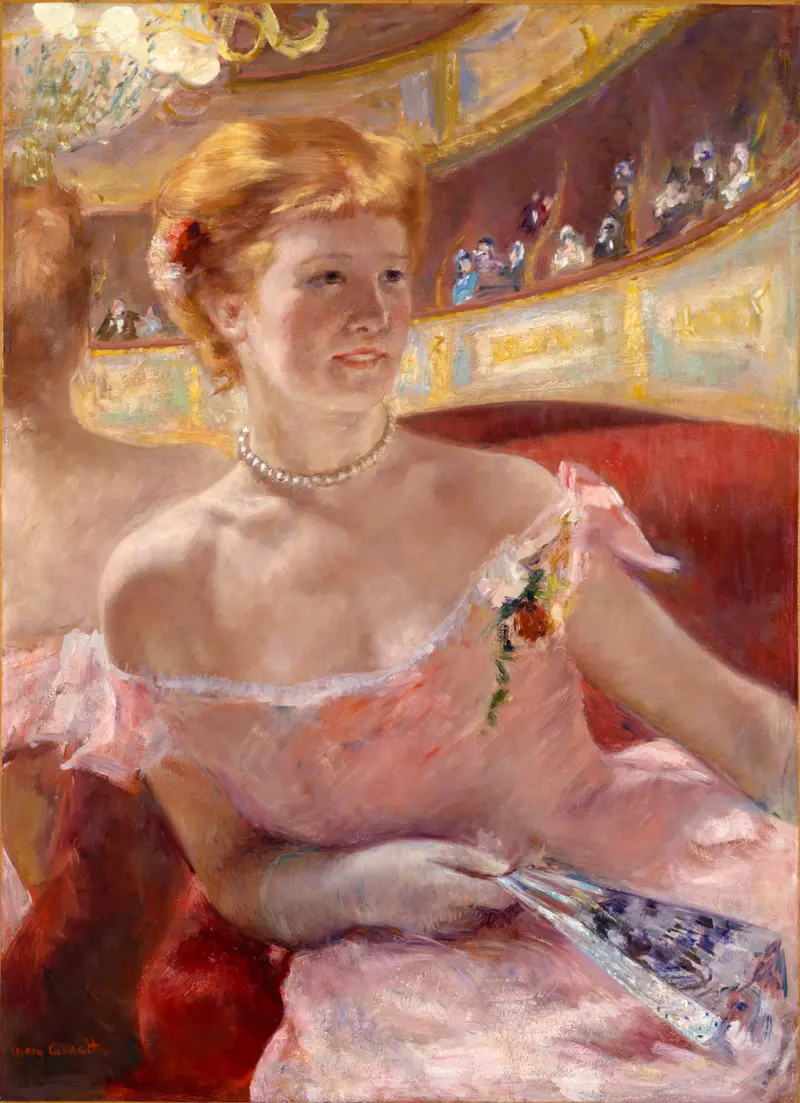
Woman with a Pearl Necklace in a Loge
Mary Cassatt
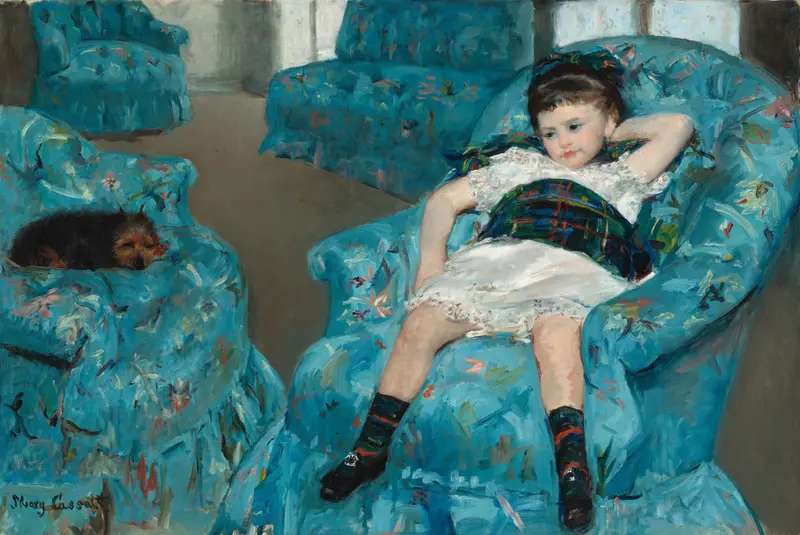
Little Girl in a Blue Armchair
Mary Cassatt
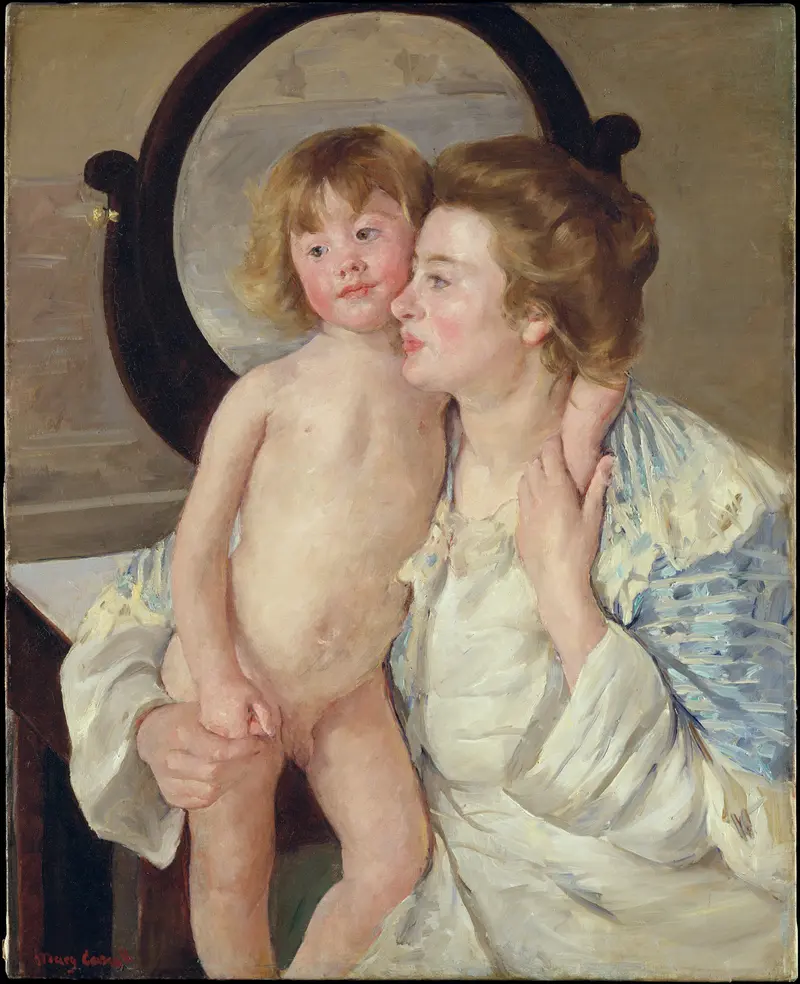
Mother and Child (The Oval Mirror)
Mary Cassatt
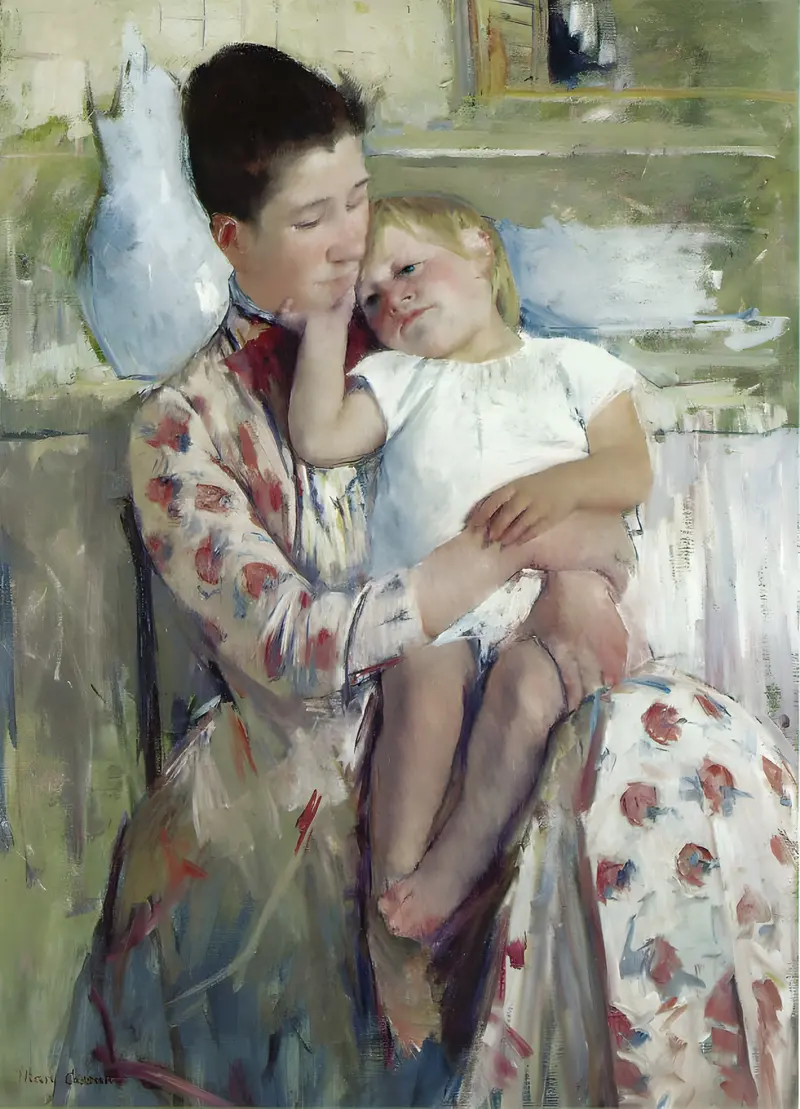
Mother and Child
Mary Cassatt
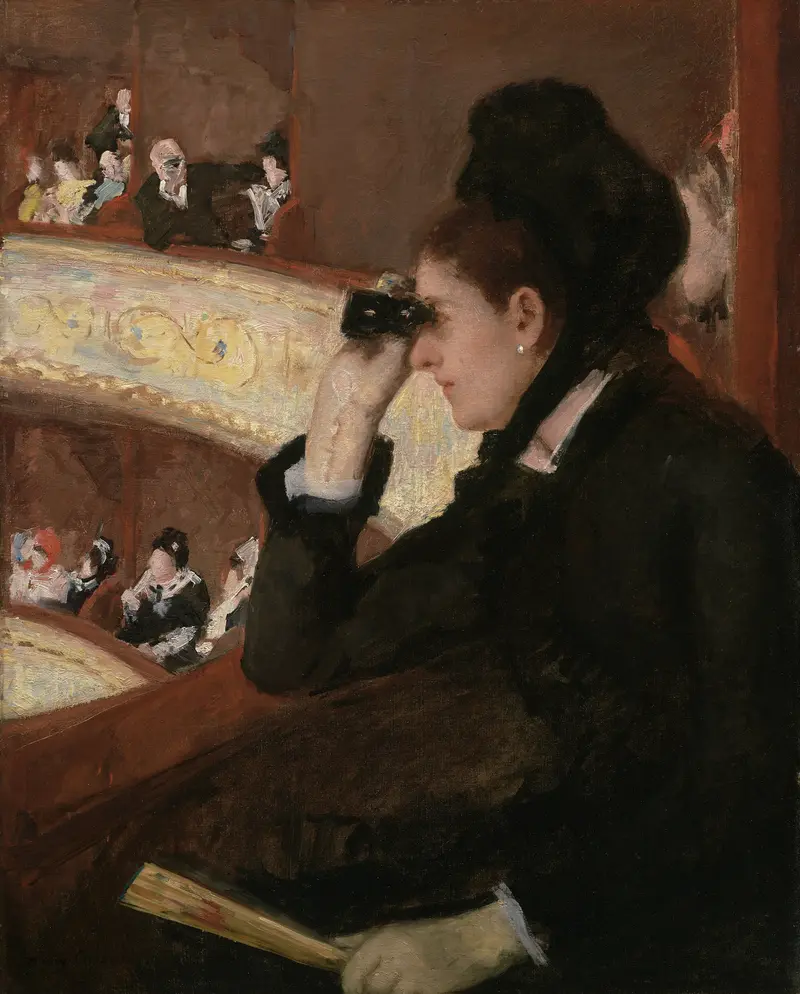
In The Loge
Mary Cassatt
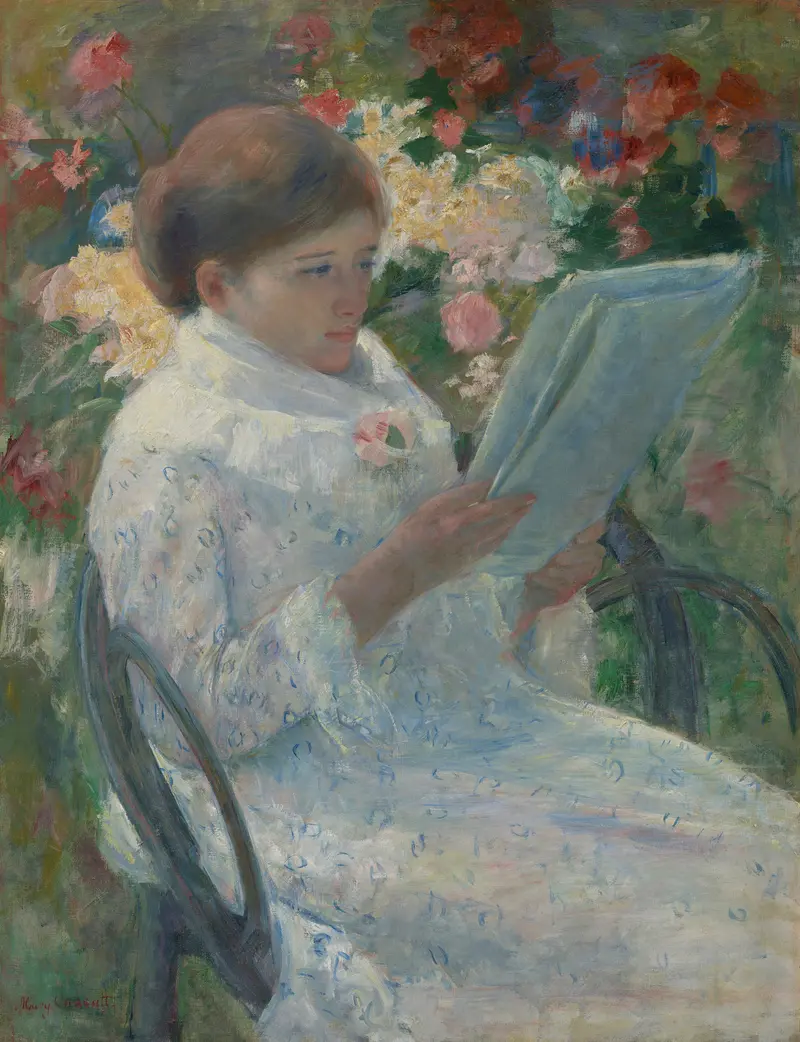
On a Balcony
Mary Cassatt





