
Market Scene, Nassau — History & Facts
Could beauty survive in a century of chaos? This question lingers in the air, echoing through the vibrant colors and dynamic forms captured in this work. Look to the center of the canvas where the bustling market unfolds, a vibrant tapestry of figures and commodities. Observe the animated gestures of the vendors as they reach for fish, their hands alive with purpose and urgency. The sunlight spills across the scene, illuminating the rich blues and earthy browns, accentuating the warmth and life of the market.
The intricate details of the woven baskets and the textures of the produce invite the viewer to step closer, immersing them in an atmosphere imbued with energy and commerce. Yet beneath this lively surface, a sense of obsession emerges—an almost desperate pursuit of sustenance and survival. The expressions of the market-goers reflect not just the joy of trade but also an undercurrent of anxiety, hinting at the social dynamics of the time. The contrast between the teeming life of the market and the isolated, introspective figures at the fringes underscores the tension between communal vitality and individual struggle. Winslow Homer painted this scene in Nassau during the winter of 1885, a time when he was exploring the Caribbean's unique culture and landscape.
This period marked a significant evolution in his artistic journey, as he moved towards more vibrant color palettes and themes of human connection to nature. Amidst a world grappling with rapid industrialization and social change, this artwork encapsulates a moment where beauty and chaos coexist, inviting reflection on the complexities of life.
More Artworks by Winslow Homer
Browse all →
The Gulf Stream
Winslow Homer
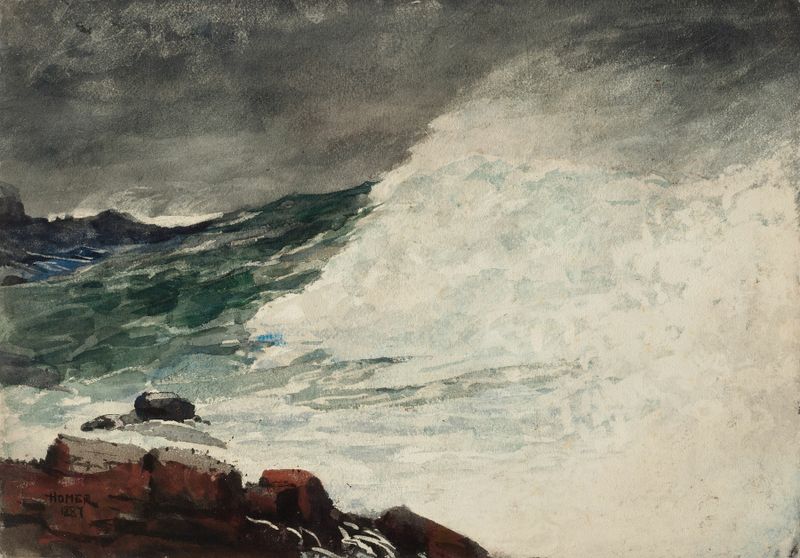
Prout’s Neck, Breaking Wave
Winslow Homer
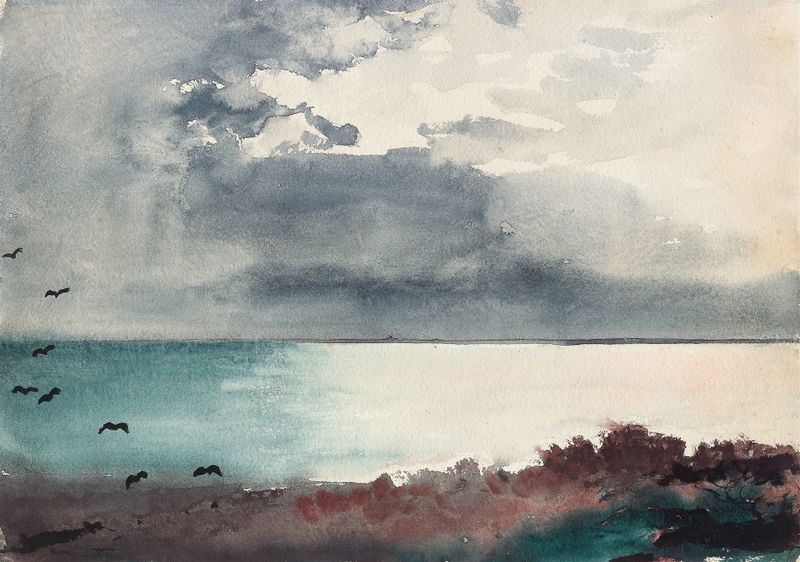
Breaking Storm, Coast of Maine
Winslow Homer
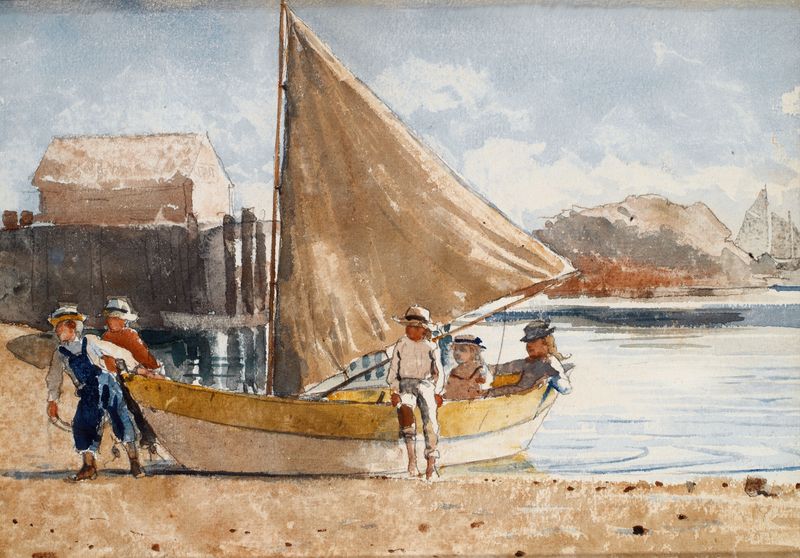
Summertime
Winslow Homer
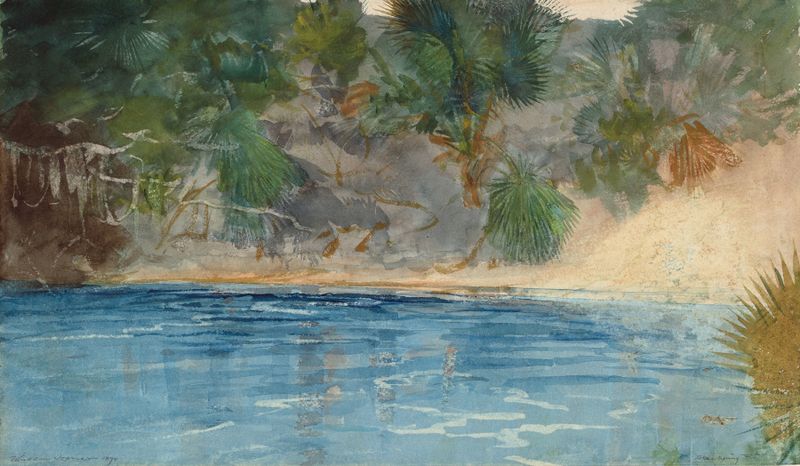
Blue Spring, Florida
Winslow Homer
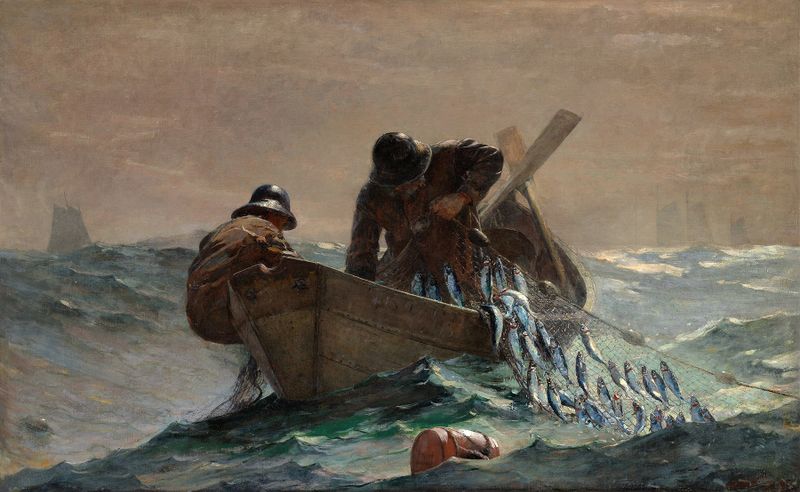
The Herring Net
Winslow Homer
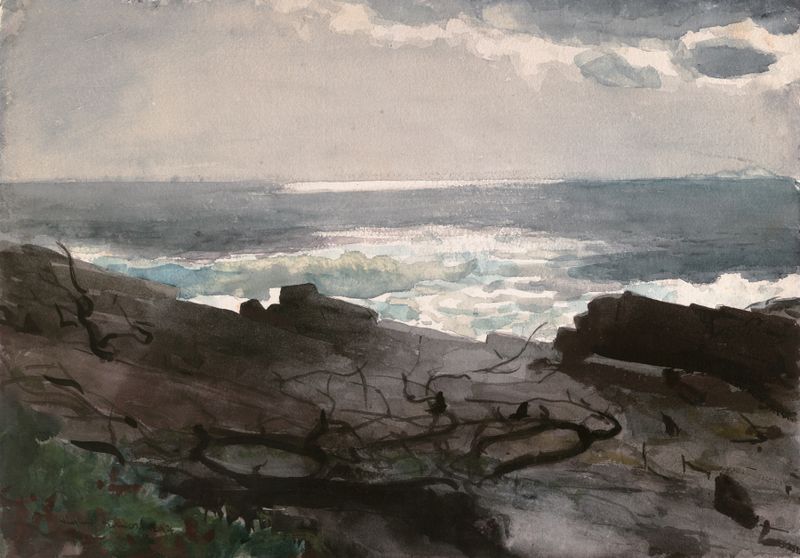
Sunshine and Shadow, Prout’s Neck
Winslow Homer
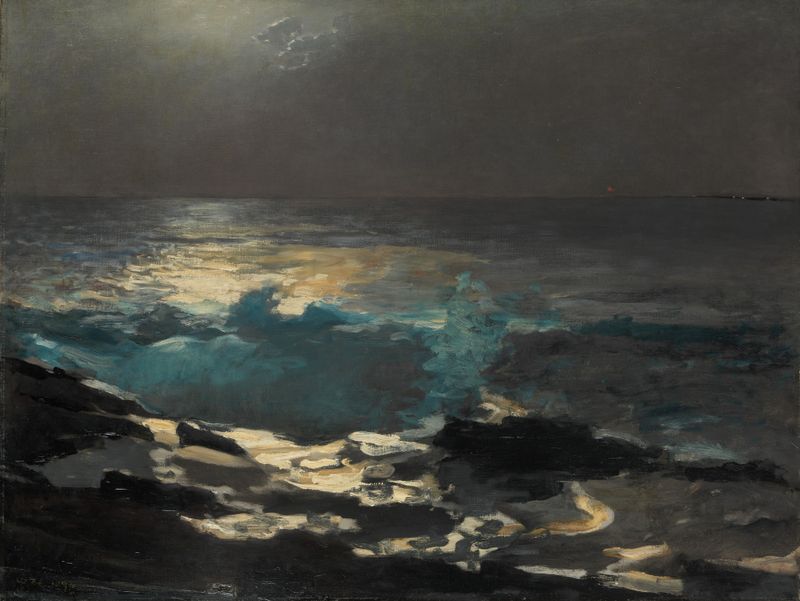
Moonlight, Wood Island Light
Winslow Homer
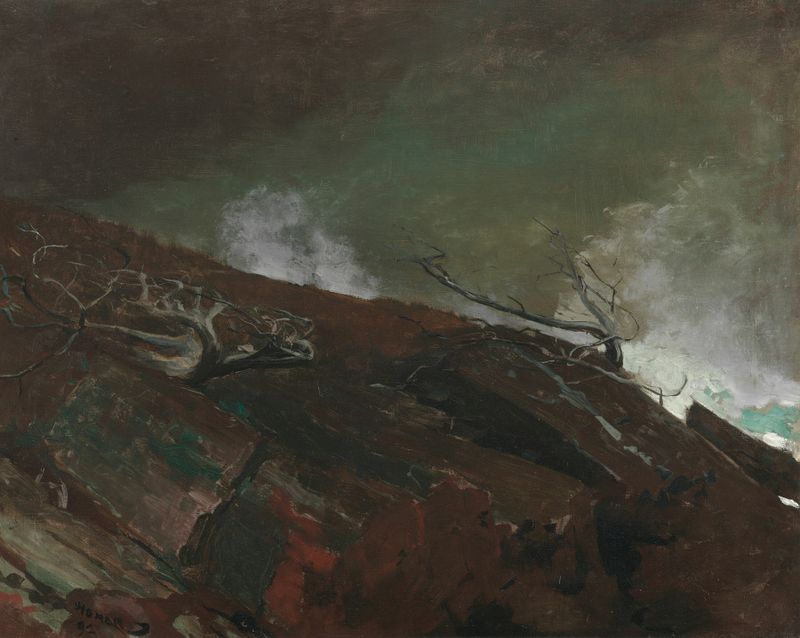
Coast of Maine
Winslow Homer
Bass Fishing – Florida
Winslow Homer





