Mars, Venus en Cupido — History & Facts
In Mars, Venus en Cupido, the tumultuous dance of love and conflict unfolds, inviting us to explore the complexities of human emotions. Look to the center of the canvas, where the striking figure of Venus cradles her son, Cupid, the embodiment of desire. Her serene expression contrasts sharply with the armored silhouette of Mars looming to the left, a testament to the eternal battle between love and war. The vibrant reds and soft pastels create a dynamic interplay, drawing the viewer's gaze across the composition, while the delicate details of fabric and foliage ground the scene in a tangible reality. The juxtaposition of Venus’s softness and Mars’s rigidity encapsulates the tension inherent in romantic relationships.
Notice how Cupid's mischievous smile hints at the chaos he can unleash, while the delicate flowers at Venus's feet symbolize fleeting beauty against the backdrop of war. This duality provokes a reflection on the madness of passion, intertwining desire and conflict in a single frame, reminding us that love often thrives amid disorder. Lucas van Leyden created this masterpiece in 1530 during a time when the Northern Renaissance was flourishing. Living in Leiden, a city marked by a burgeoning art scene, he contributed to the shift from medieval themes toward humanist ideals.
This period saw artists striving to capture both the essence of humanity and the complexities of emotional experiences, paving the way for future generations to explore such intimate themes in their work.
More Artworks by Lucas van Leyden
Browse all →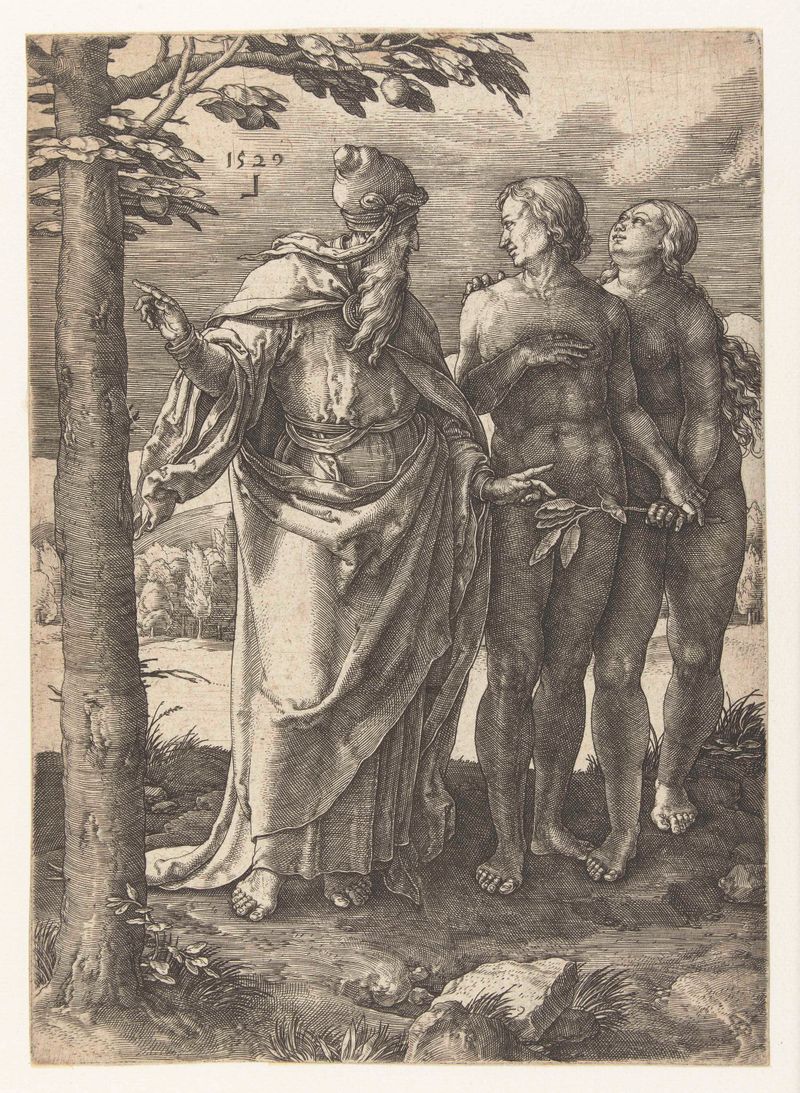
Het eerste verbod
Lucas van Leyden
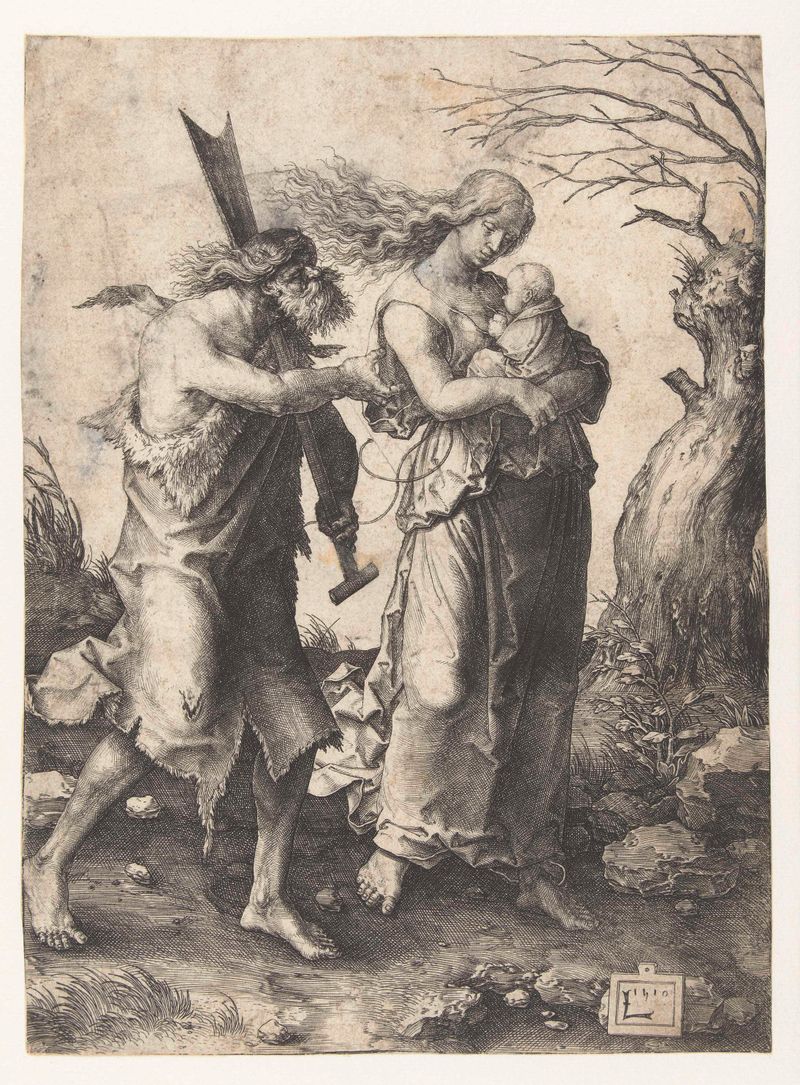
Adam en Eva na de verdrijving uit het paradijs
Lucas van Leyden
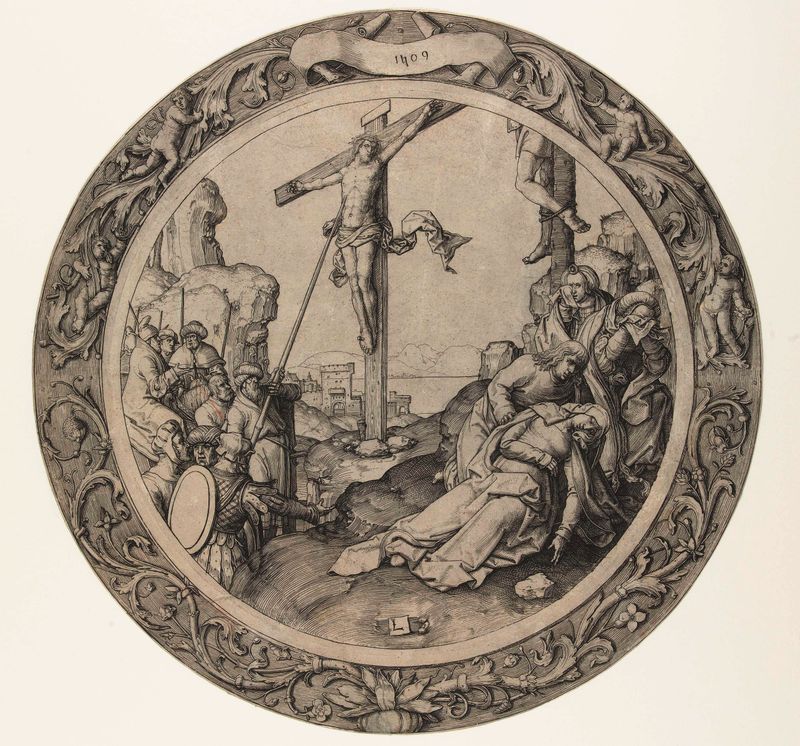
De kruisiging
Lucas van Leyden
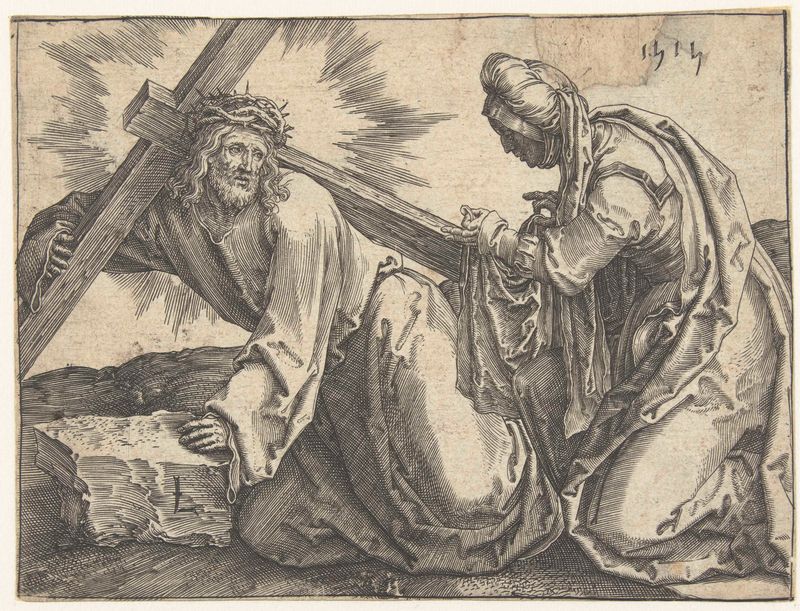
Kruisdraging
Lucas van Leyden
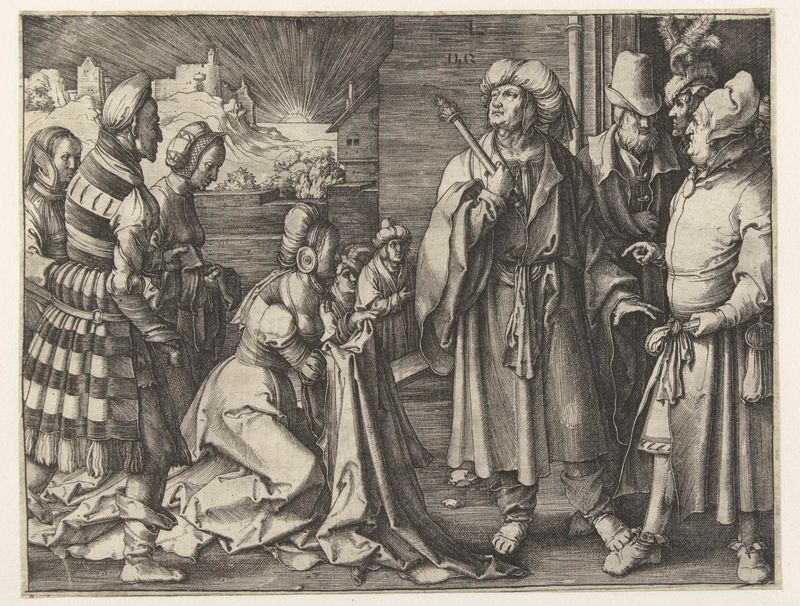
De vrouw van Potifar beschuldigt Jozef
Lucas van Leyden
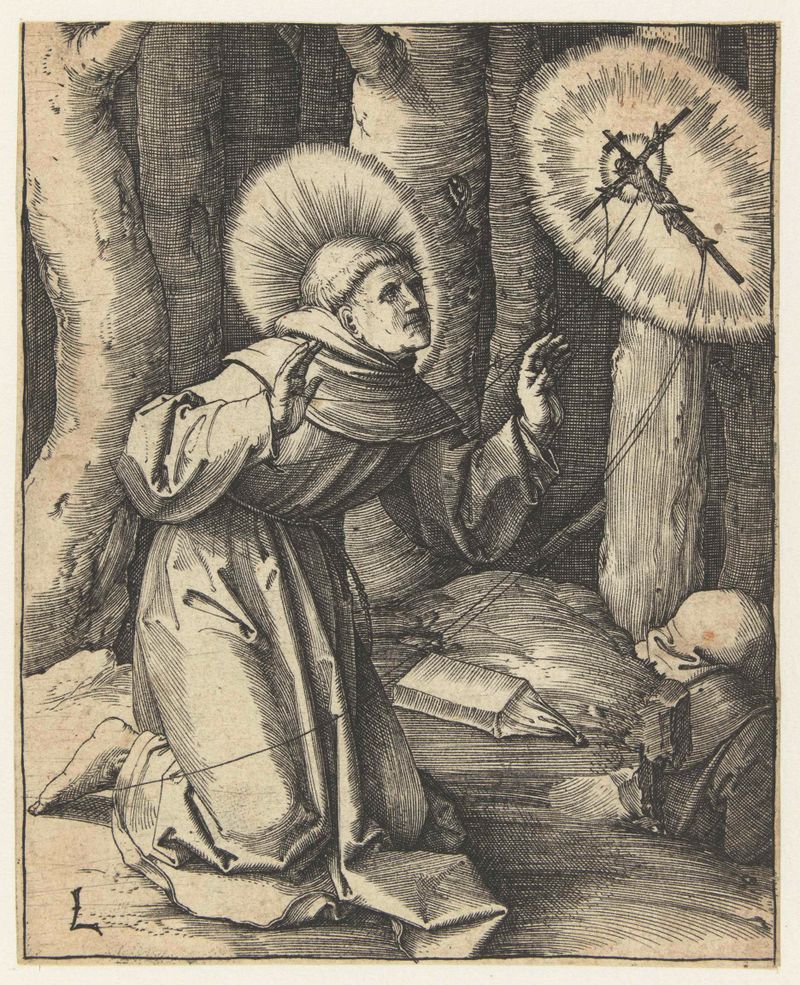
De stigmatisatie van de heilige Franciscus
Lucas van Leyden
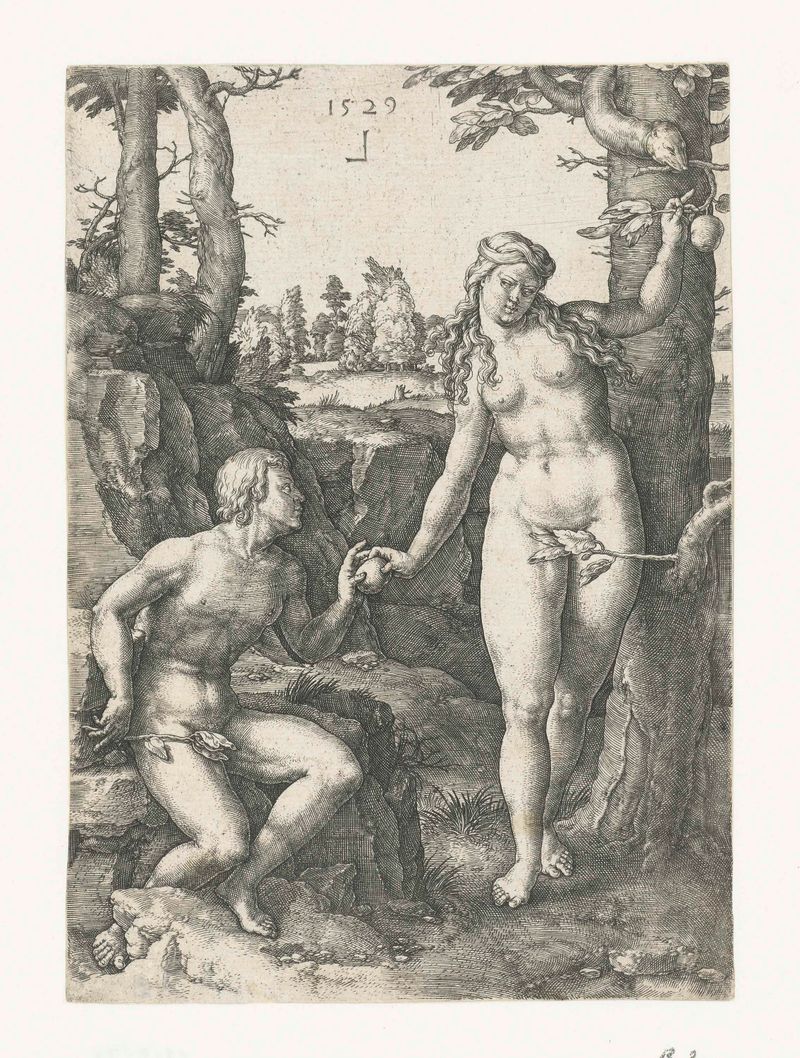
De zondeval
Lucas van Leyden
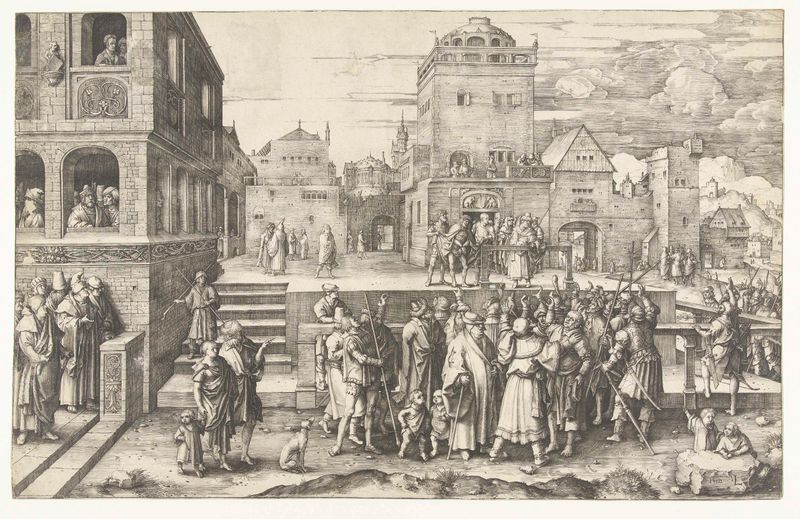
De grote Ecce Homo
Lucas van Leyden
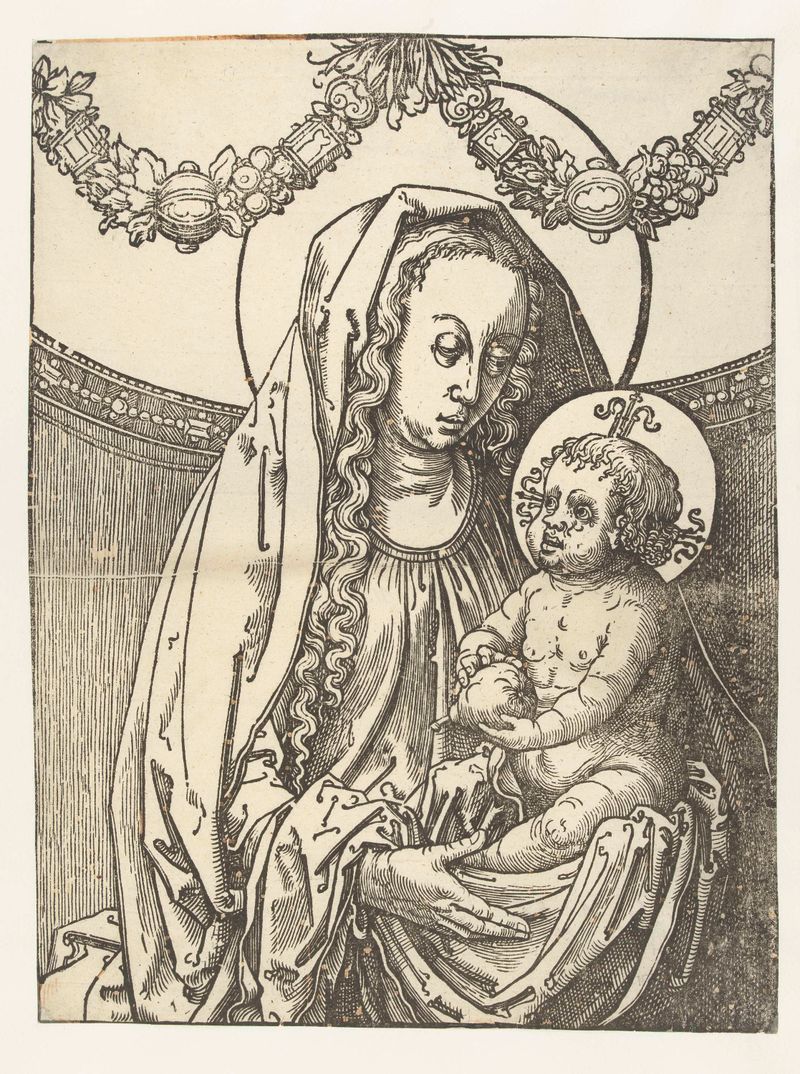
Maria met kind
Lucas van Leyden

Doornenkroning
Lucas van Leyden