
Scene Of Algiers — History & Facts
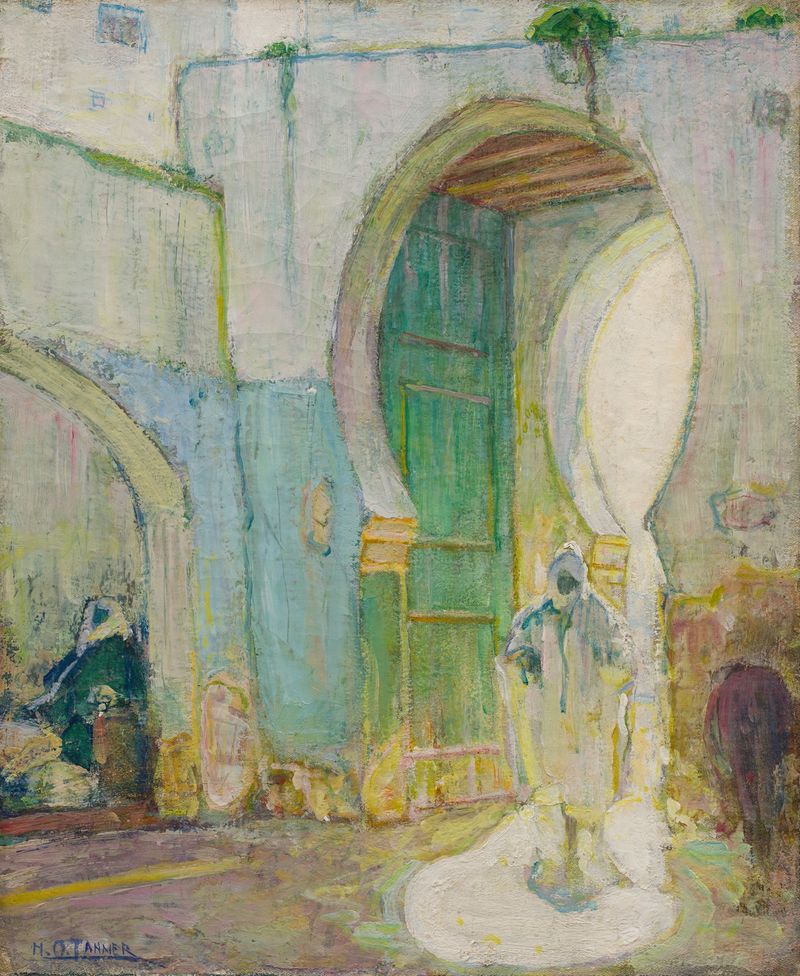
Could beauty survive in a century of chaos? This question hangs in the air, whispering through the brushstrokes of a painting that reflects both the vibrancy of life and the shadow of mortality. Look to the center where the sun-drenched rooftops of Algiers stretch outward, their warm hues of ochre and pink alive against the cool azure of a serene sky. The play of light is masterful; it dances across the canvas, illuminating the intricate details of the architecture while casting soft shadows that hint at stories untold. Notice how the artist's delicate brushwork captures the essence of the bustling city, the energy palpable even in stillness, drawing the eye from the foreground to the distant hills that cradle this lively scene. Delve deeper and uncover the contrasts hidden within the work.
Amidst the vibrant colors, there’s an underlying tension between the beauty of the setting and the ephemeral nature of life. The viewer might feel a haunting sense of isolation despite the depicted vibrancy, a reminder of the quiet moments of reflection and mortality that exist within the chaos of existence. Each corner of the painting holds a narrative, a fleeting glimpse into the life of a city, suggesting that even in beauty, there lies the inevitability of change and decay. Created during a tumultuous period in the late 19th century, the artist painted this scene in a time of personal and societal upheaval.
Henry Ossawa Tanner, an African American artist, found himself navigating both his identity and the broader art world, which was beginning to embrace new perspectives and styles. This work emerged as he sought to translate his experiences and observations into a visual form that celebrated beauty while acknowledging life's transience.
More Artworks by Henry Ossawa Tanner
Browse all →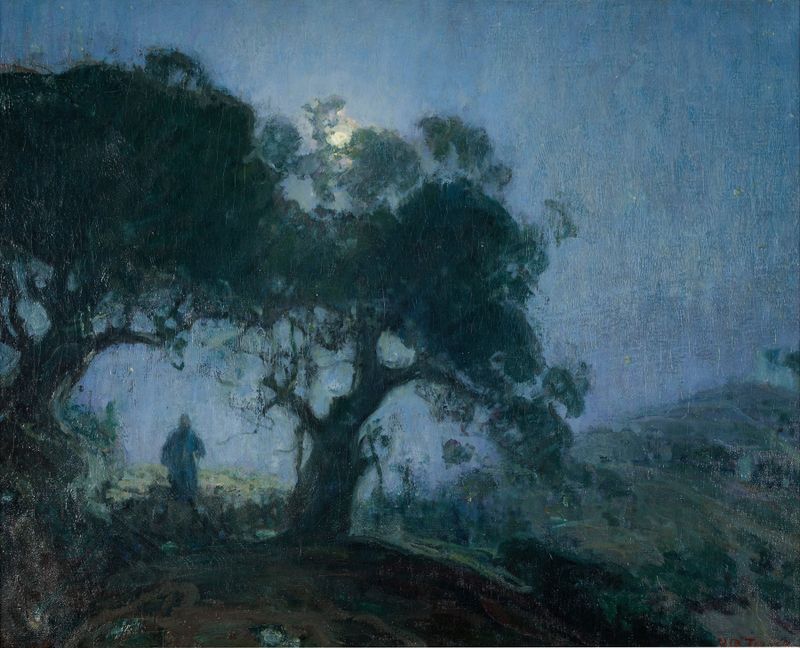
The Good Shepherd
Henry Ossawa Tanner
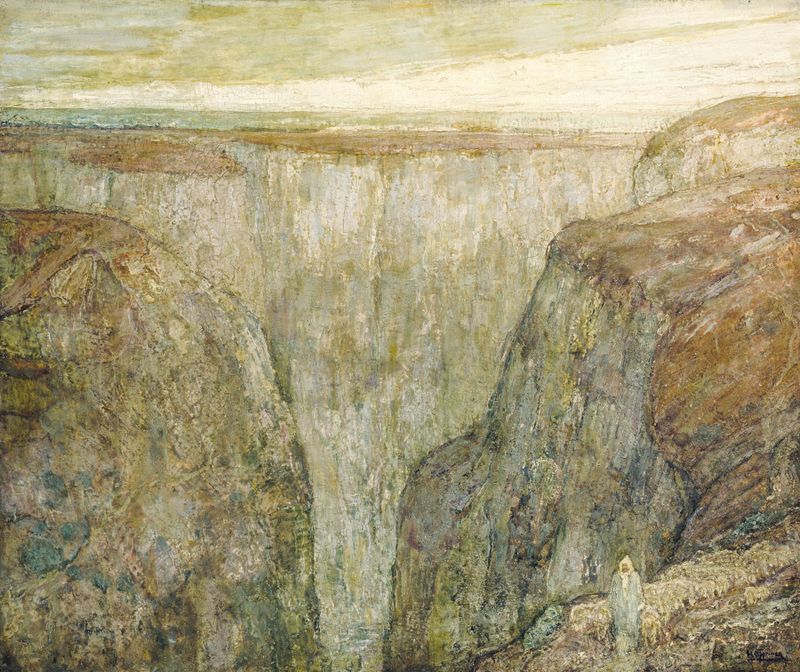
The Good Shepherd (Atlas Mountains, Morocco)
Henry Ossawa Tanner
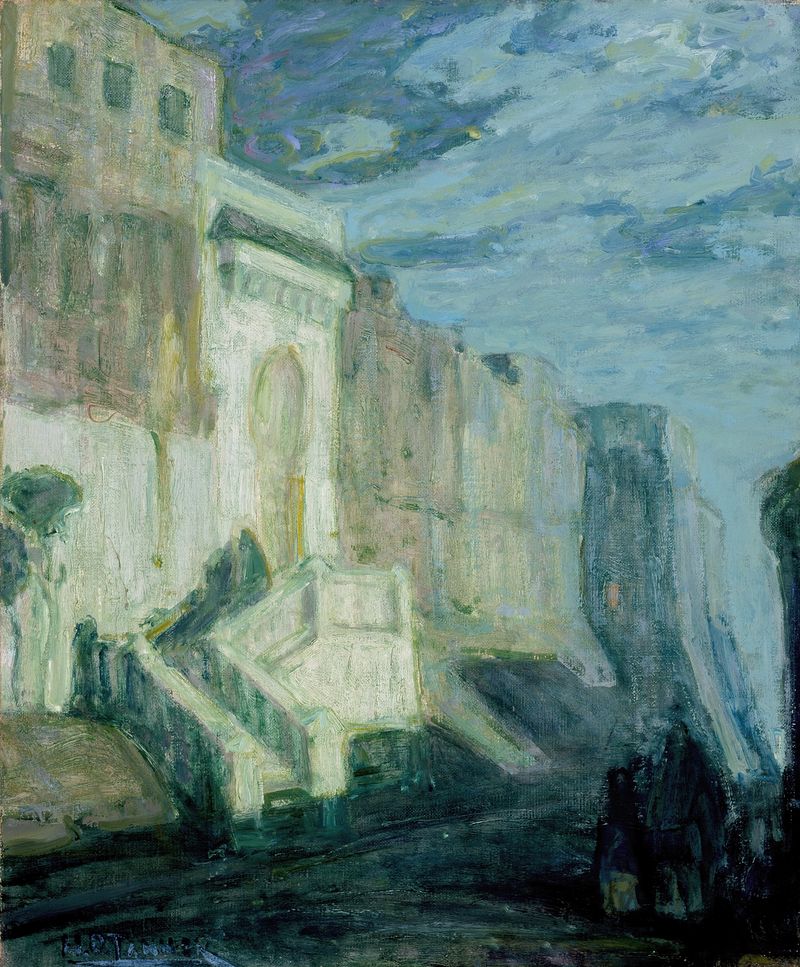
Moonlight; Walls of Tangiers
Henry Ossawa Tanner
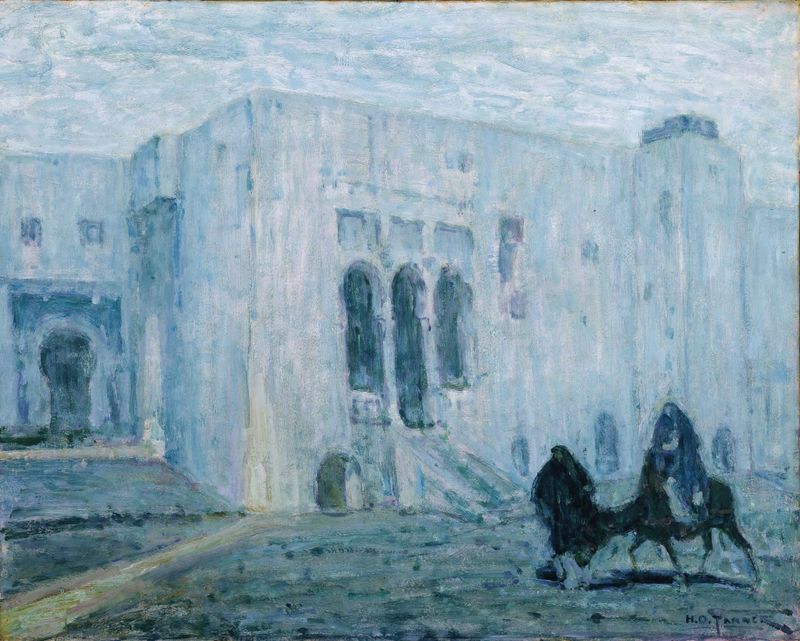
Palace of Justice, Tangier
Henry Ossawa Tanner
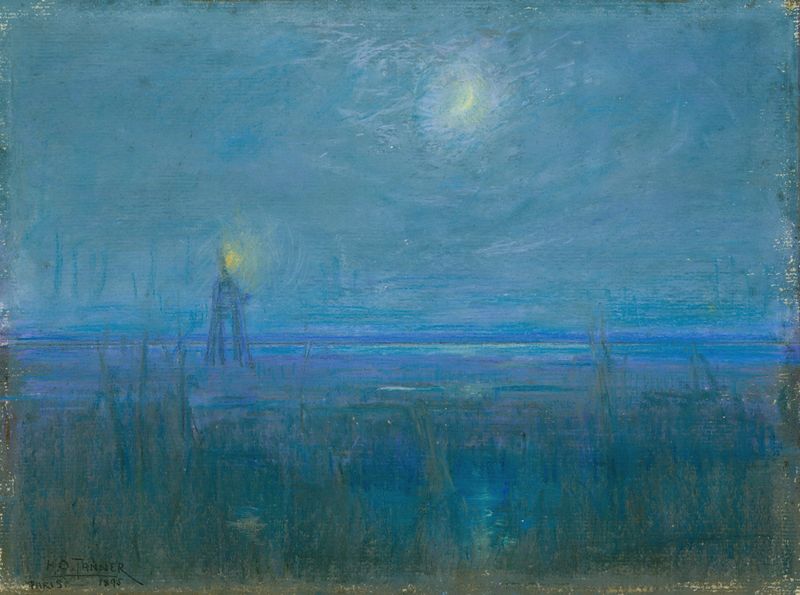
Marshes In New Jersey
Henry Ossawa Tanner
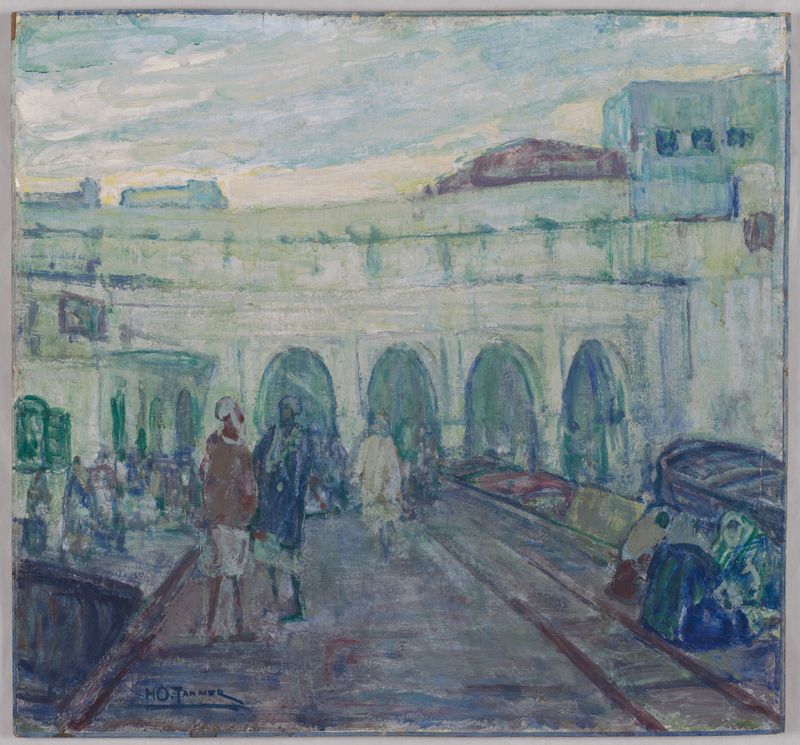
Port of Tangiers (Entrance to the Customs House)
Henry Ossawa Tanner
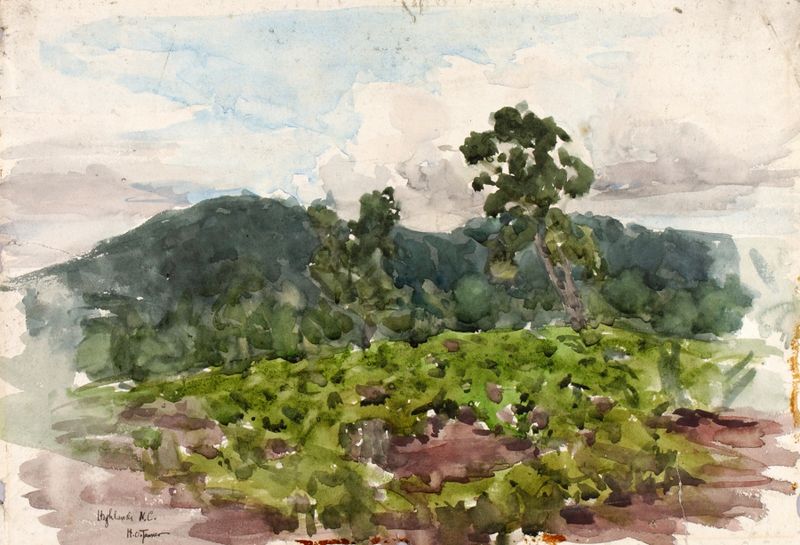
Highlands, N.C.
Henry Ossawa Tanner
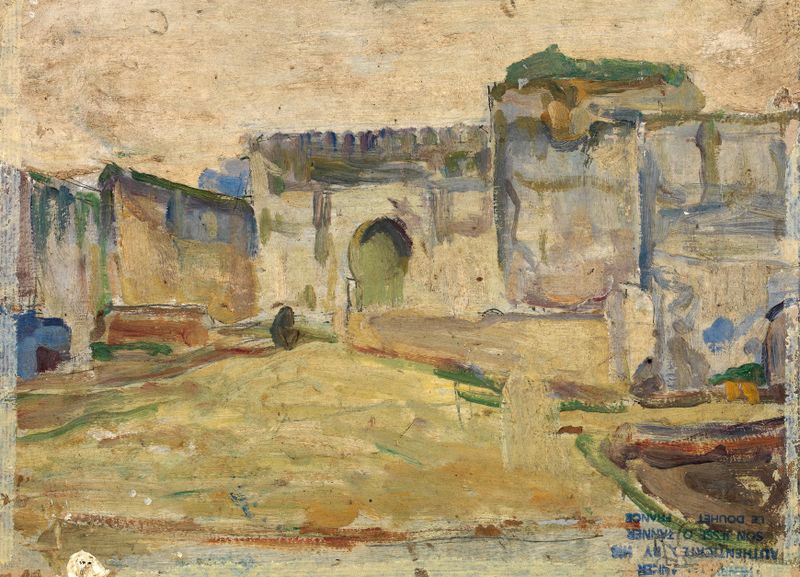
Street Scene, Tangier (Crenelated Architecture)
Henry Ossawa Tanner
Gateway, Tangier
Henry Ossawa Tanner
Kansas City, Kansas
Henry Ossawa Tanner





