
Mary Magdalene in Ecstasy — History & Facts
No other artist of the Italian Baroque so insistently returned to Mary Magdalene as Artemisia Gentileschi. Between 1616 and 1625, she painted the saint in states of penance, contemplation, and—most unusually—rapturous ecstasy, a theme more often reserved for male mystics. This 1625 Mary Magdalene in Ecstasy is one of at least three known versions by Gentileschi, each exploring the boundary between spiritual and physical experience.
The painting’s whereabouts were lost for centuries until its rediscovery in 2011, sparking debate over its attribution and the identity of its original patron. At the heart of the canvas, Mary Magdalene is caught in a moment of spiritual transport: her head flung back, eyes closed, lips parted as if mid-sigh. The saint’s loose hair and exposed shoulder speak to her humanity and her past, while the strong, golden light isolates her against a dark background, focusing the viewer’s attention on her uplifted face and clasped hands. This is not the penitent Magdalene of Caravaggio—weeping in the shadows—but a woman seized by divine love, her ecstasy rendered with a frankness rare for the period.
The absence of traditional symbols—the ointment jar, the skull—shifts the emphasis from repentance to spiritual awakening. The precise origins of this painting remain uncertain, as do details of its early history. Like much of Gentileschi’s work, it was long misattributed or overlooked, a fate shared by many women artists of the Baroque. Its rediscovery has prompted new appreciation for her bold approach to female sanctity and emotion.
Today, Mary Magdalene in Ecstasy stands as a testament to Gentileschi’s singular voice, bridging the sensual and the sacred in a way that continues to challenge and inspire.
More Artworks by Artemisia Gentileschi

Judith Beheading Holofernes
Artemisia Gentileschi
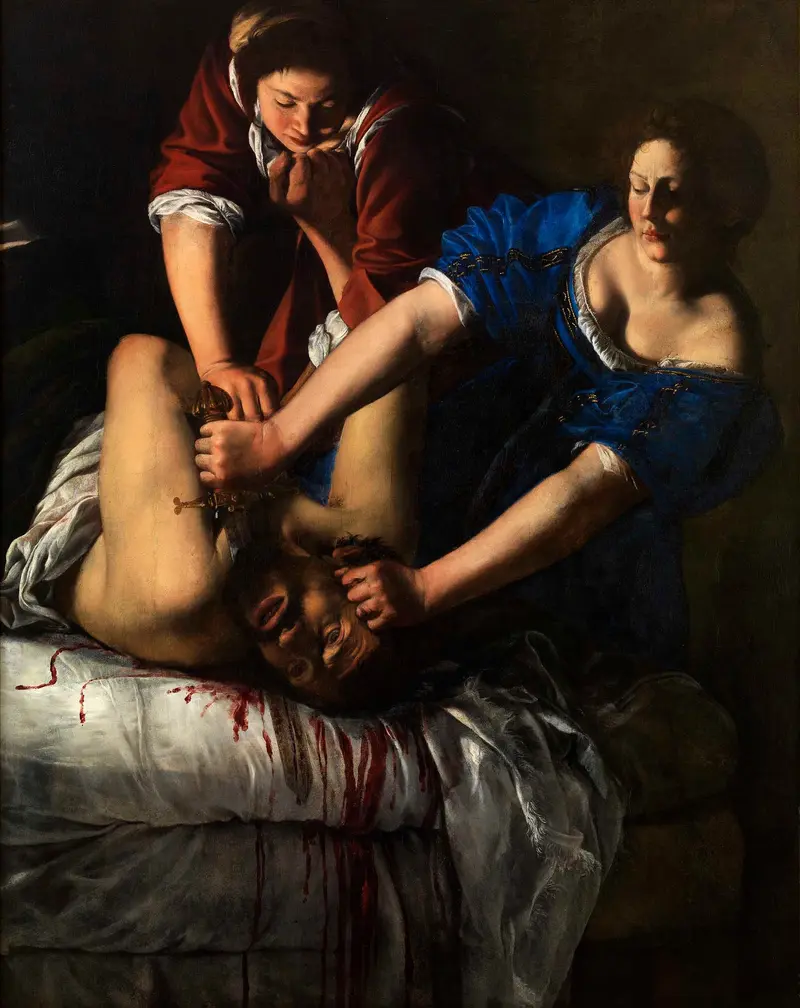
Judith Slaying Holofernes
Artemisia Gentileschi
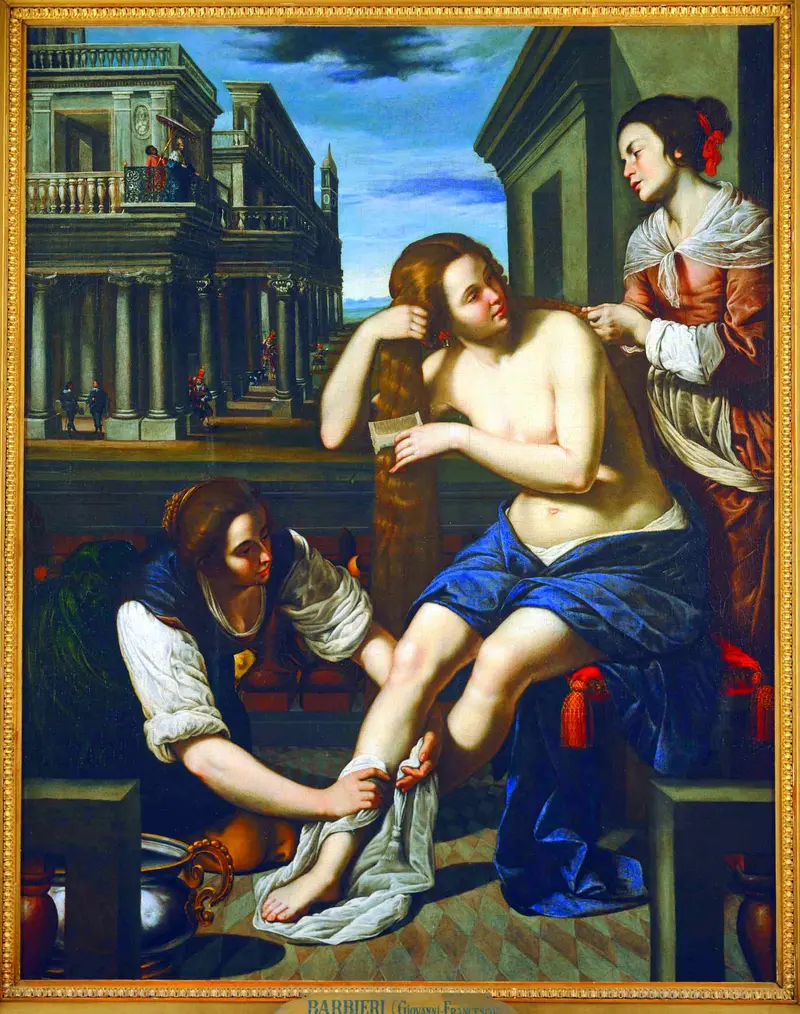
Bathsheba at Her Bath
Artemisia Gentileschi
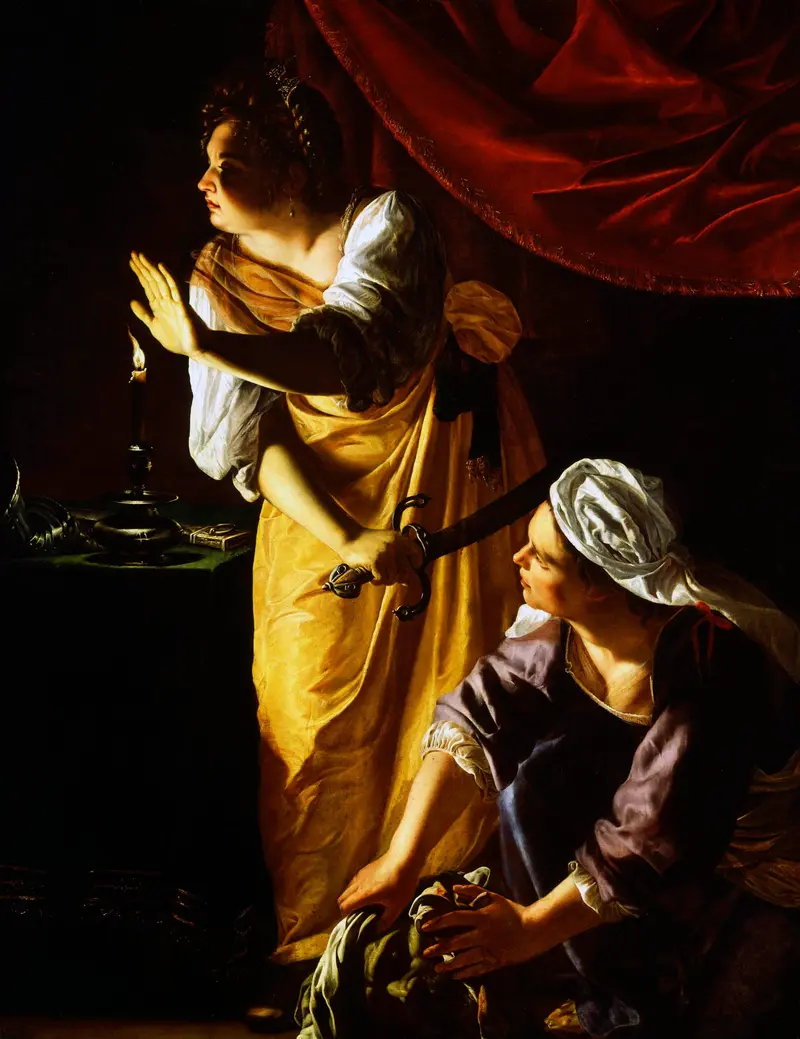
Judith and Maidservant with Head of Holofernes
Artemisia Gentileschi
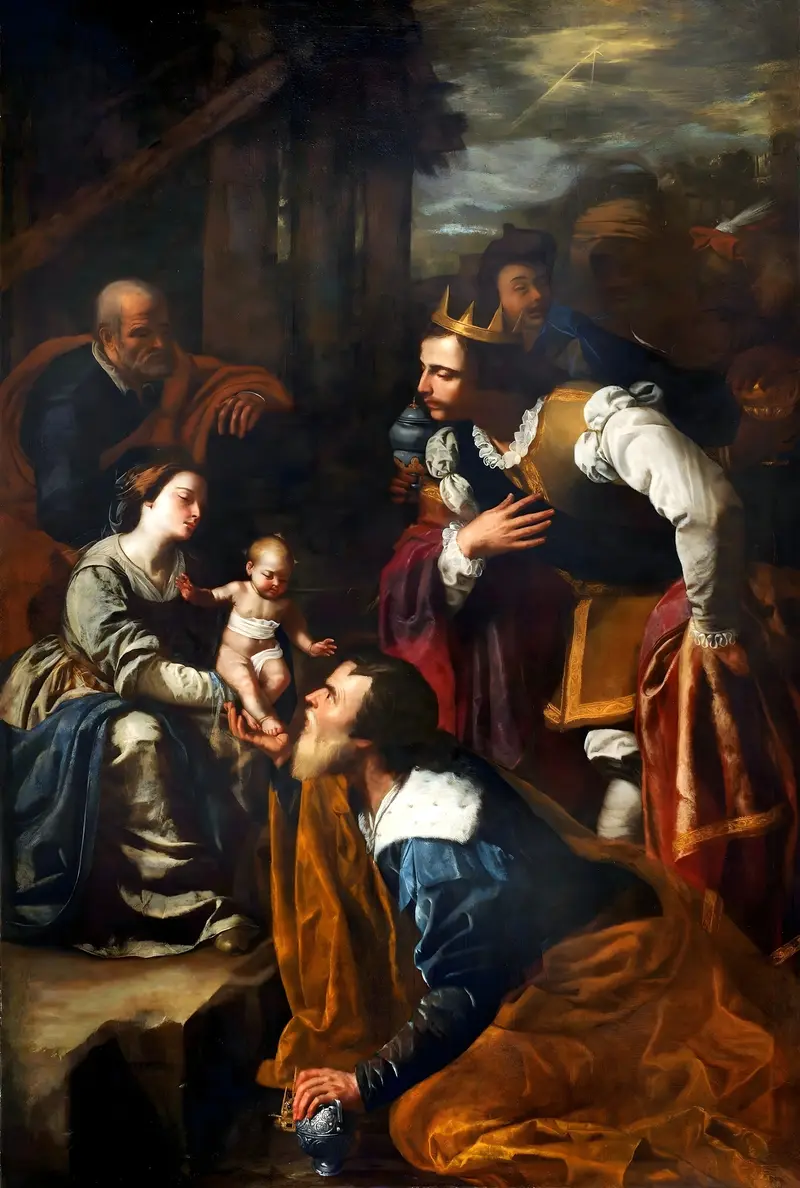
Adoration of the Magi
Artemisia Gentileschi
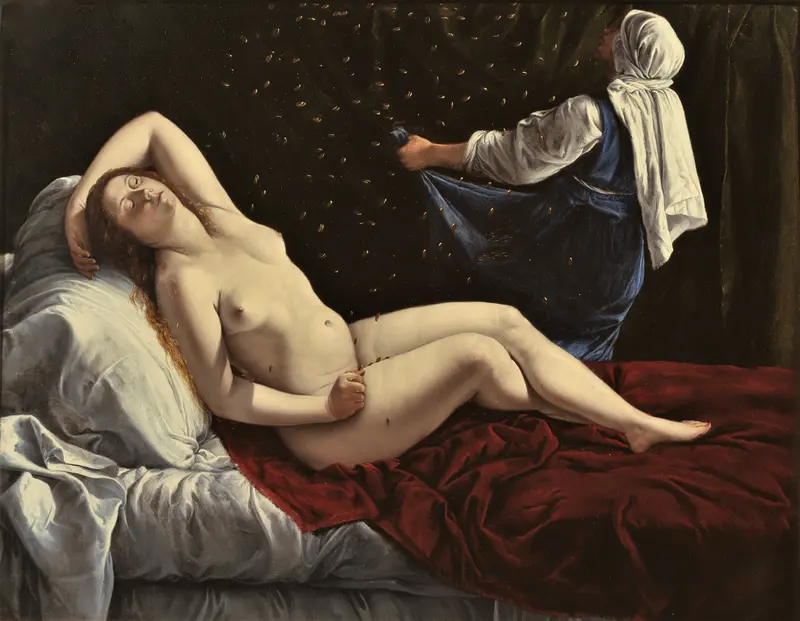
Danaë
Artemisia Gentileschi
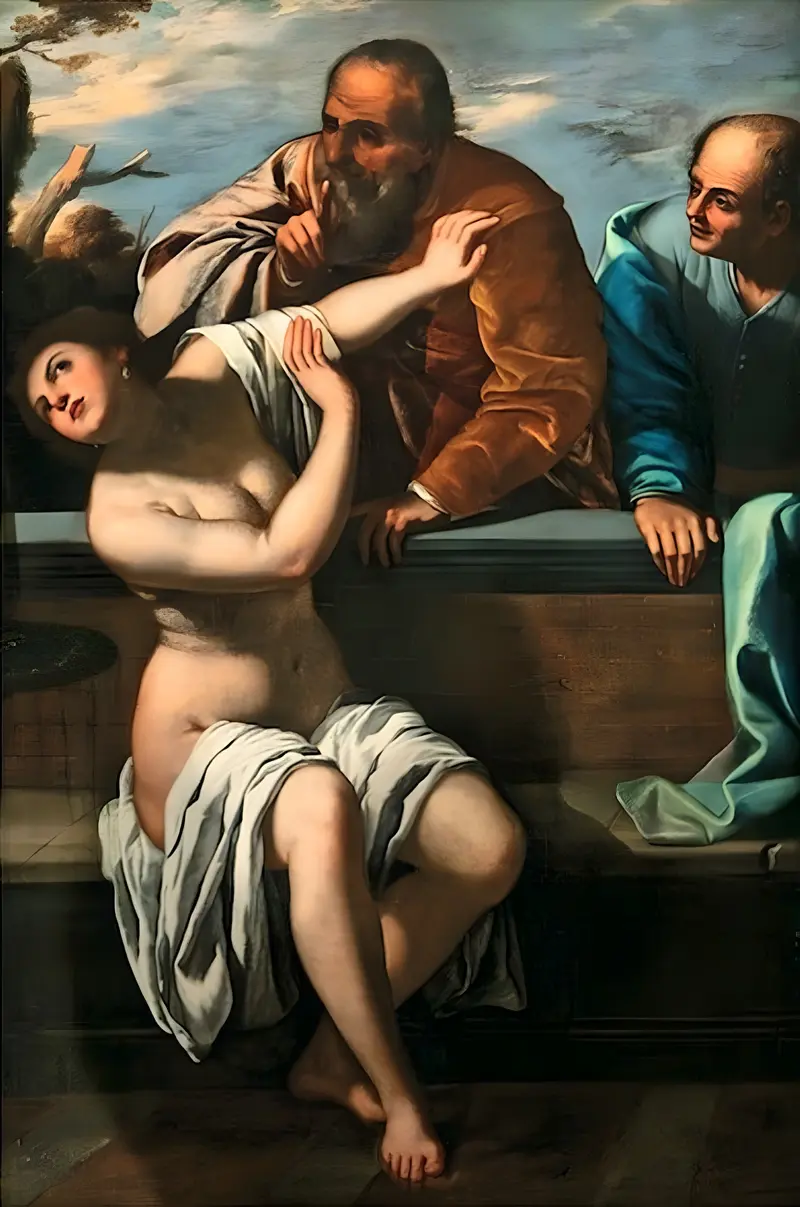
Susannah and the Elders
Artemisia Gentileschi

Judith and her Servant with the Head of Holofernes
Artemisia Gentileschi
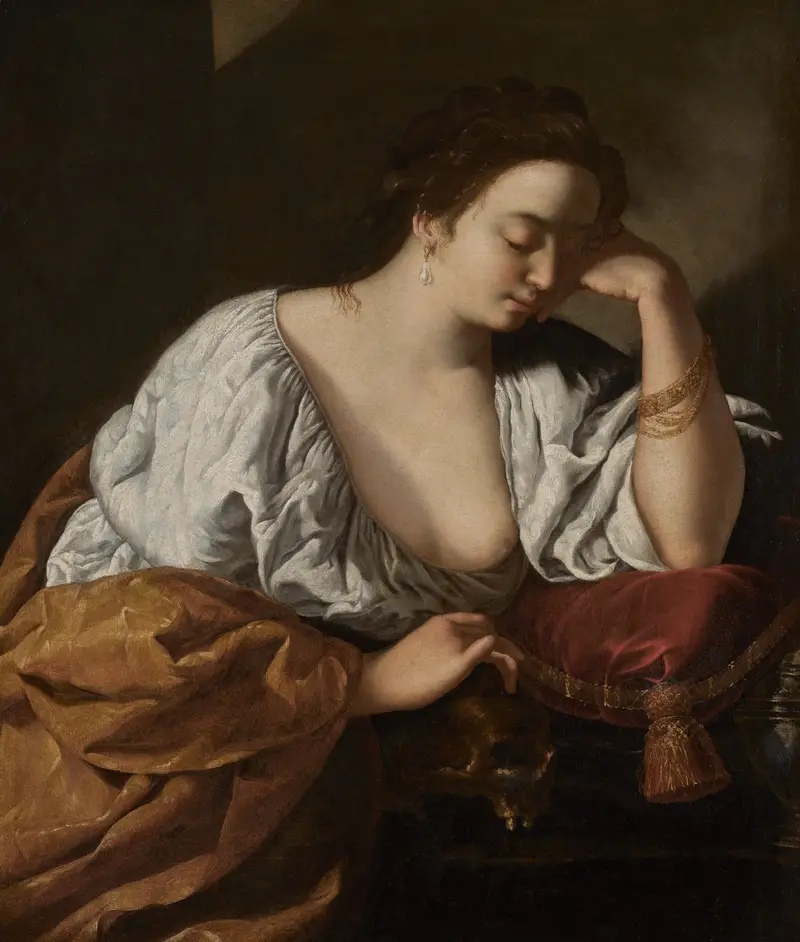
Madeleine pénitente, par
Artemisia Gentileschi
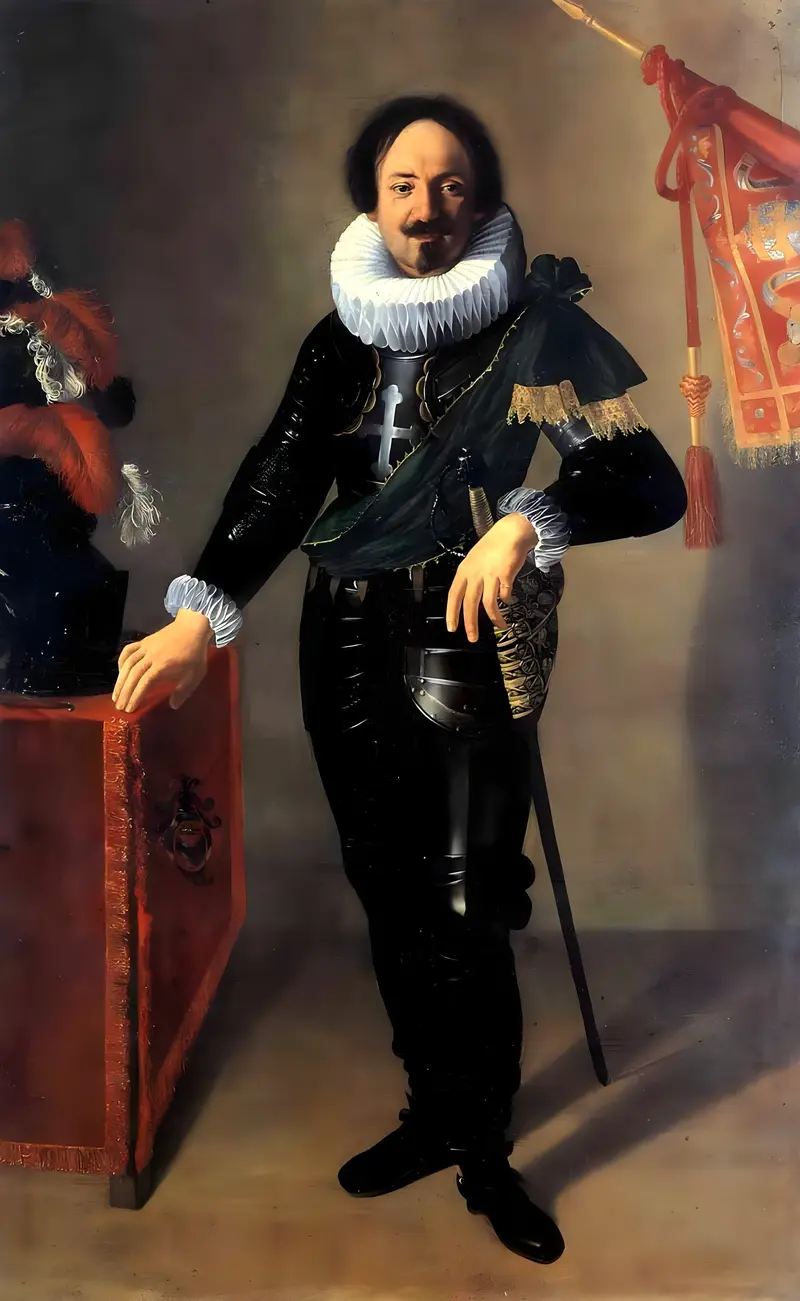
Portrait of a Gonfaloniere
Artemisia Gentileschi





