
Matsuura Screens — History & Facts
A gathering of elegantly dressed figures occupies the six panels of this early 17th-century Japanese folding screen, rendered in color on gold-leafed paper. The figures are arranged in a continuous scene, with each person engaged in a different activity, including reading, playing musical instruments, and conversation. The clothing features intricate patterns and a variety of colors, from bold reds and blacks to softer blues and golds, set against the luminous gold background typical of Japanese screen painting of the period.
Objects such as a shamisen and a game board are depicted with careful attention to detail, contributing to the sense of a refined indoor setting. Screens such as this example, known as Matsuura Screens, were commonly produced in Japan during the Edo period, serving both practical and decorative purposes in elite households. This work dates from the early 17th century, a time when folding screens often depicted scenes of courtly or domestic life, rendered with a focus on costume and gesture. The screen is one of a pair held by the Museum Yamato Bunkakan in Nara and designated a National Treasure of Japan.
The artist is unknown; the screens take their name from the Matsuura family, lords of Hirado, who once owned them.
More Artworks by Unknown Artist

The Tale of Genji Scroll: Yadorigi
Unknown Artist
Legends of Mount Shigi: The Flying Granary
Unknown Artist
Night Attack on the Sanjō Palace
Unknown Artist
Womb World Mandala (Mandala of the Two Realms)
Unknown Artist
Hikone Screen
Unknown Artist
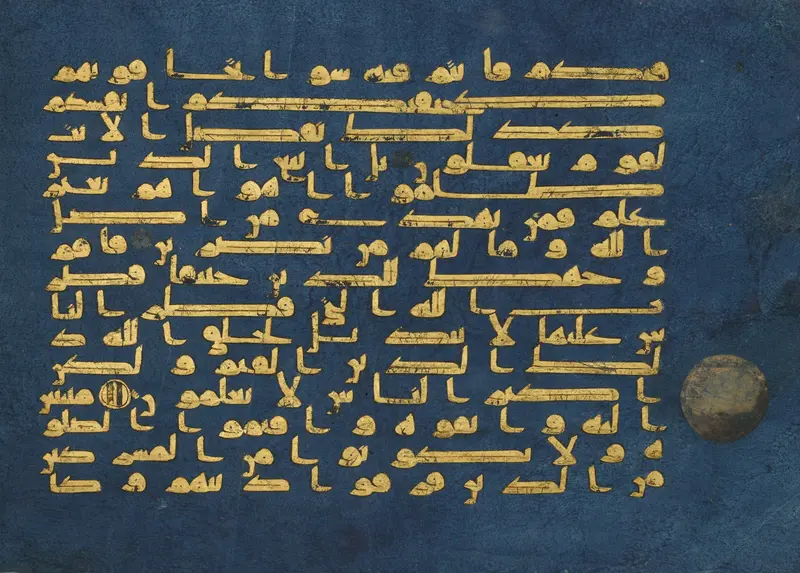
Folio from the Blue Qur'an
Unknown Artist
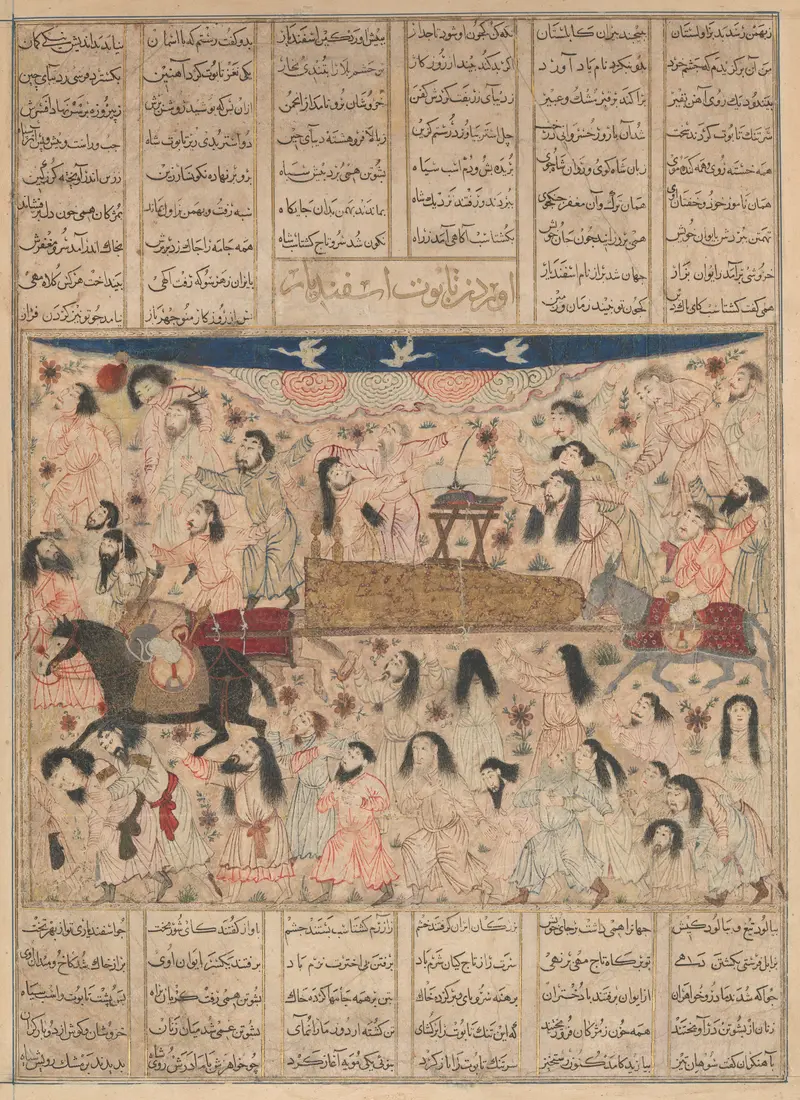
The Funeral of Isfandiyar (Great Mongol Shahnama)
Unknown Artist

The Ideal City
Unknown Artist
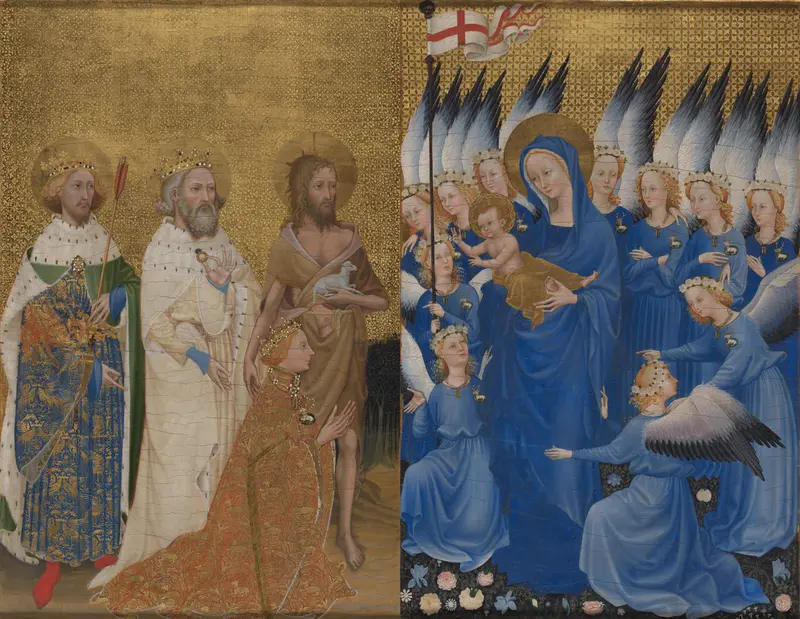
The Wilton Diptych
Unknown Artist

Ridder, Dood en Duivel
Unknown Artist
More Genre Scene Art

Banquet of the Officers of the St George Civic Guard
Frans Hals

Rembrandt and Saskia in the Scene of the Prodigal Son
Rembrandt van Rijn

Bal du moulin de la Galette
Pierre-Auguste Renoir

Quadrille at the Moulin Rouge
Henri de Toulouse-Lautrec

A Burial at Ornans
Gustave Courbet

When Will You Marry?
Paul Gauguin