
Meer van Genève — History & Facts
Where does light end, and longing begin? In the quiet expanse of an azure lake, innocence floats like a forgotten memory, gently disturbed by the soft brush of nature. Look to the foreground, where the water shimmers with a crystalline clarity, a delicate interplay of blues and greens that beckons your gaze. Notice how the wispy clouds reflect upon the surface, creating a dreamy mirage that blurs the line between sky and water. The horizon, painted with muted pastels, seems to stretch infinitely, drawing you deeper into the tranquil embrace of the scene.
This interplay of light and color evokes a sense of peace, yet beneath that serenity lies a whisper of yearning. As you linger, observe the subtle details — a lone sailboat gliding across the water, its white sails stark against the vivid backdrop. This solitary vessel embodies both freedom and isolation, a reminder of our fleeting moments of joy contrasted against the vastness of existence. Each brushstroke conveys a tender vulnerability, as if the artist captures an ephemeral state of being, a moment suspended in time where innocence dances just out of reach. Etienne Bosch created this evocative piece between 1873 and 1931, a period marked by significant social and artistic upheaval.
During this time in Europe, the aftermath of World War I began to shape a new vision, one characterized by both nostalgia and a search for solace. In the face of uncertainty, Bosch's work reflects a yearning for beauty and simplicity, illustrating how the natural world can embody our deepest emotions.
More Artworks by Etienne Bosch
Browse all →
Gezicht op de achterkant van de Notre Dame in Parijs Notre Dame
Etienne Bosch
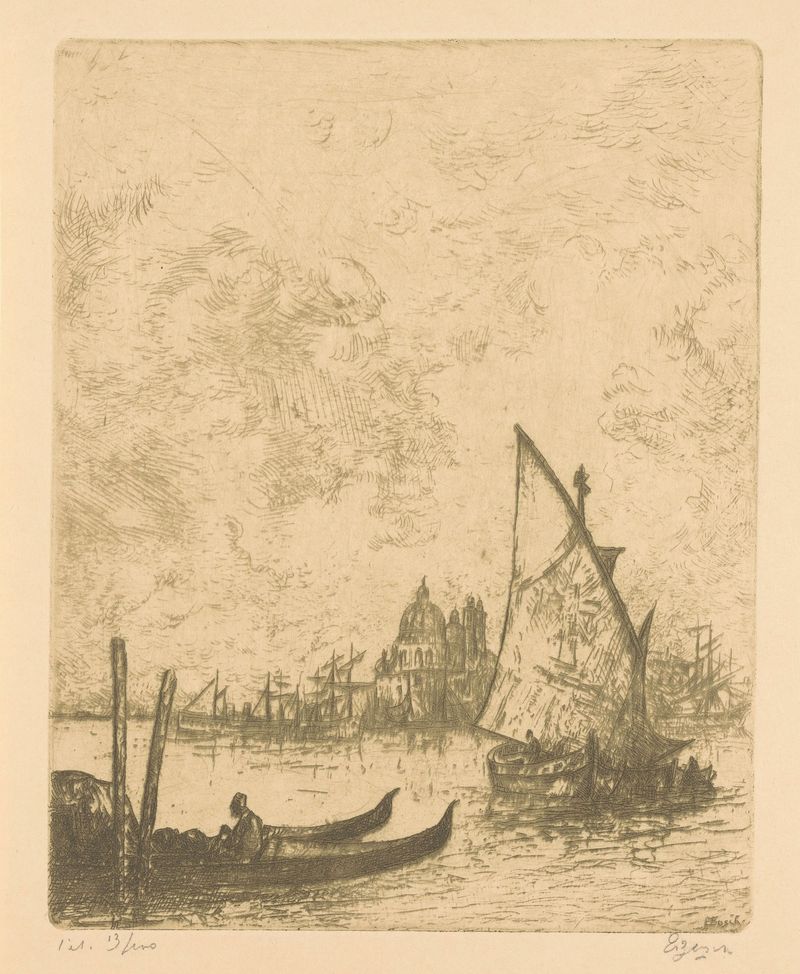
Venetië
Etienne Bosch

Amsterdamse poort te Haarlem
Etienne Bosch

Le Palatin Rome
Etienne Bosch

Landschap bij Rome
Etienne Bosch
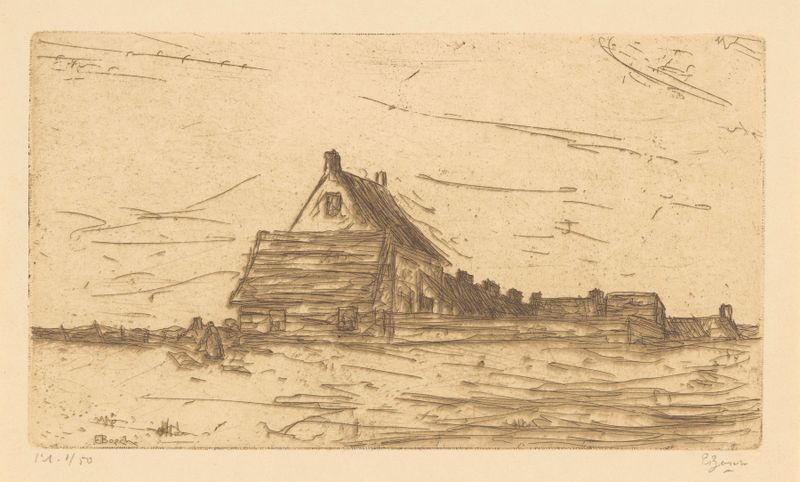
Boerenwoning
Etienne Bosch

Scheveningen
Etienne Bosch
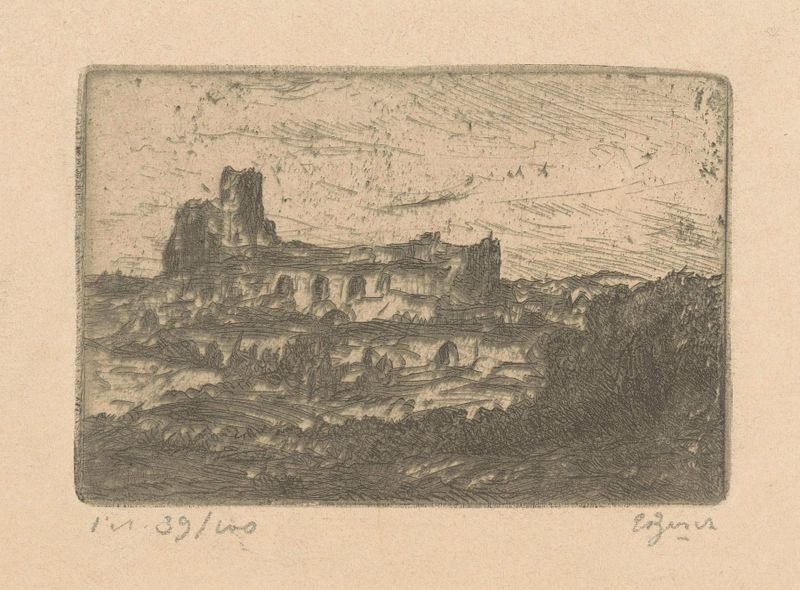
Ruïne Rome
Etienne Bosch
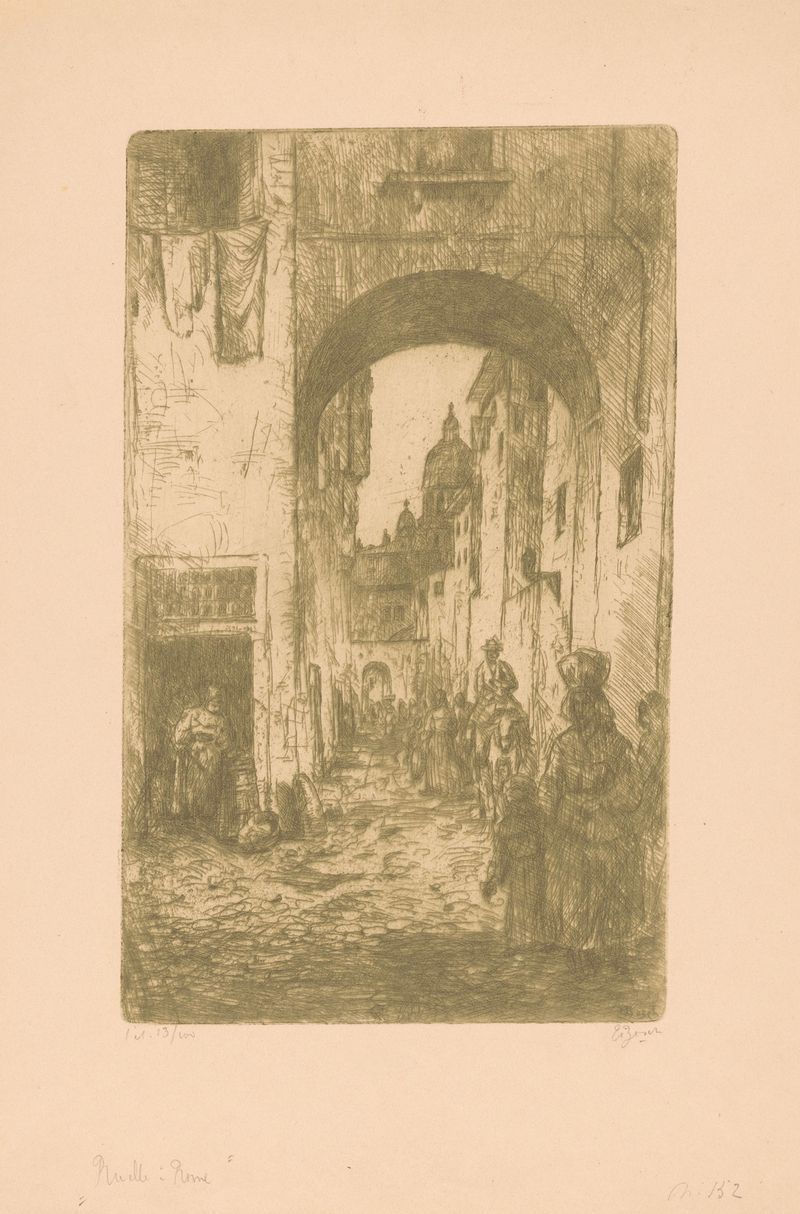
Ruelle, Rome
Etienne Bosch
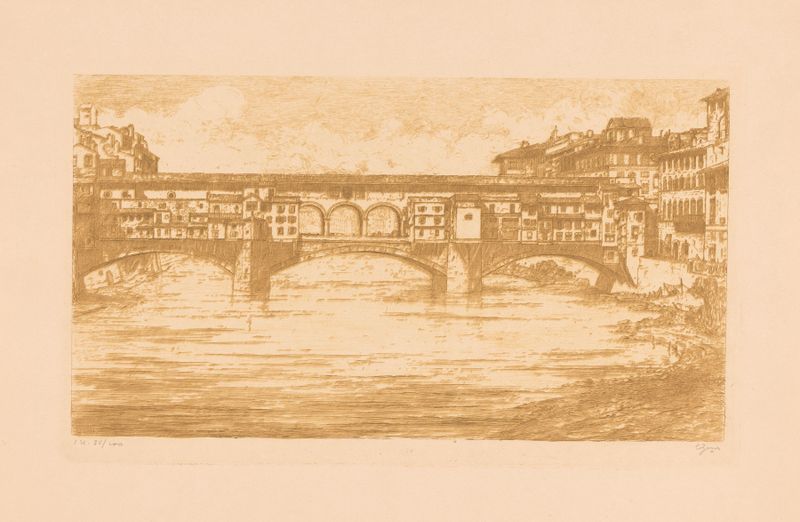
Ponte Vecchio in Florence
Etienne Bosch





