
Mercury, Argus and Io — History & Facts
A quiet tension hums beneath the dappled shade in Mercury, Argus and Io by Adriaen van de Velde. At first, the scene seems a tranquil pastoral: cattle and sheep rest or graze beneath a great oak, their calm interrupted only by the gentle play of light across their backs. But look closer—two figures, one nearly nude, sit at the base of the tree, their bodies angled in wary conversation.
The one on the left, head bowed, appears lost in thought, while the other, more alert, glances outward as if anticipating a visitor or a threat. The cluster of animals, so carefully arranged, acts as both audience and camouflage, drawing the viewer into the mythic drama hidden within the ordinary. Painted in 1665, this work belongs to a world where Dutch and Flemish artists delighted in weaving classical myths into the familiar rhythms of rural life. Such paintings were prized by collectors who sought both beauty and erudition—artworks that rewarded close looking with layers of meaning.
The Petit Palais now houses this canvas, but history has kept few traces of its early journey or its patrons. In van de Velde’s hands, the myth of Mercury, Argus, and Io becomes not a spectacle of gods and monsters, but a moment of suspense held in golden afternoon light—inviting us to linger, to search for the story beneath the surface.
More Artworks by Adriaen van de Velde

Staande stier
Adriaen van de Velde
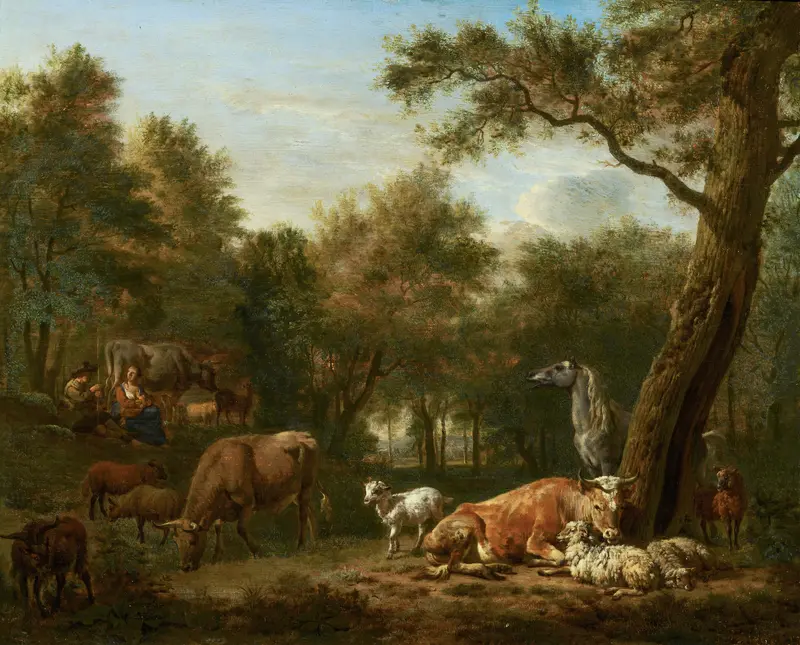
Wooded Landscape with Cattle
Adriaen van de Velde
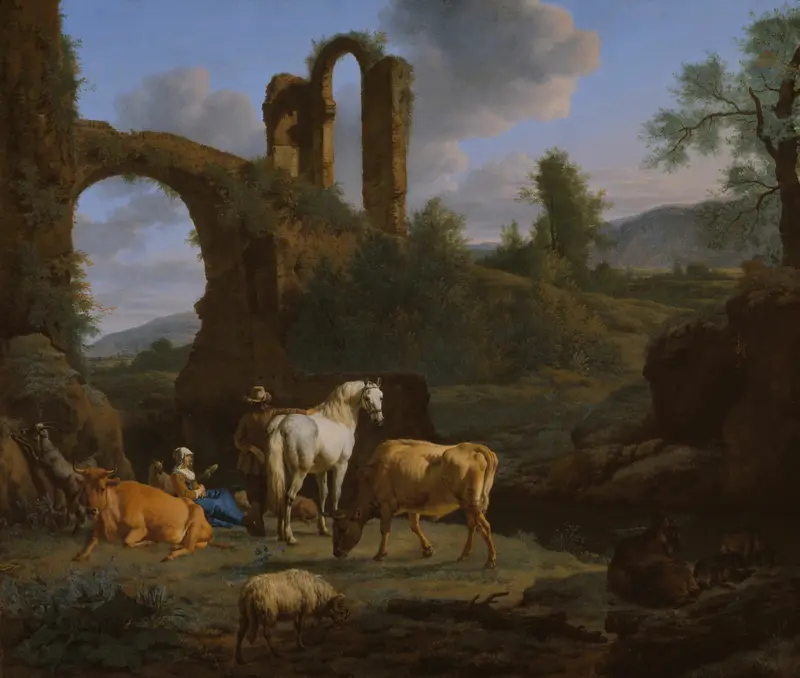
Pastoral Landscape with Ruins
Adriaen van de Velde
Pastoral Landscape with Ruins
Adriaen van de Velde
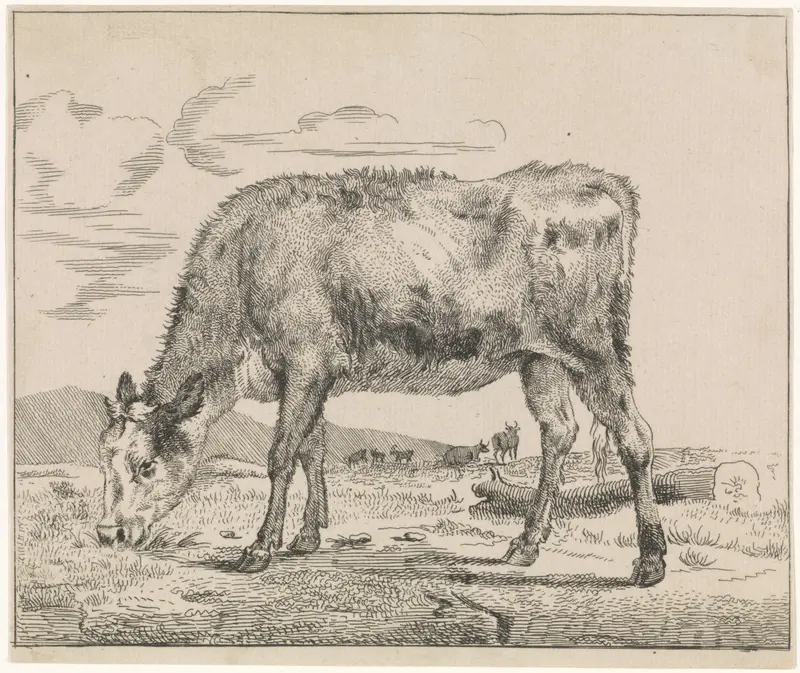
Grazend kalf
Adriaen van de Velde
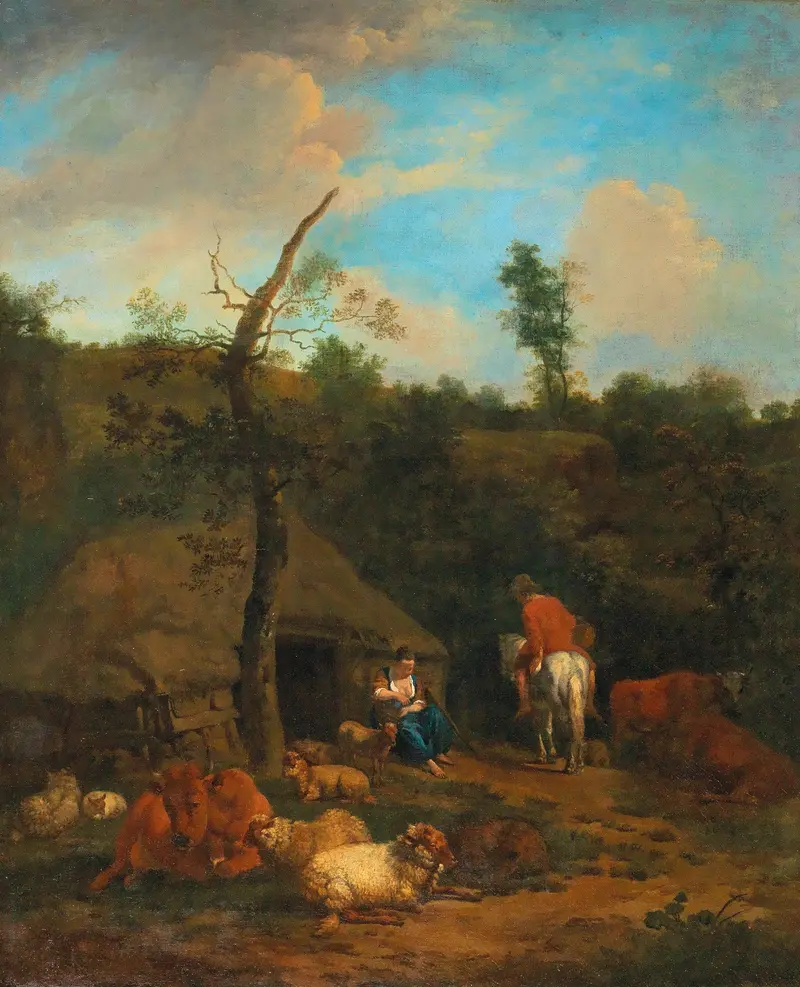
A herdsman and a shepherdess in front of a wooden farmhouse
Adriaen van de Velde
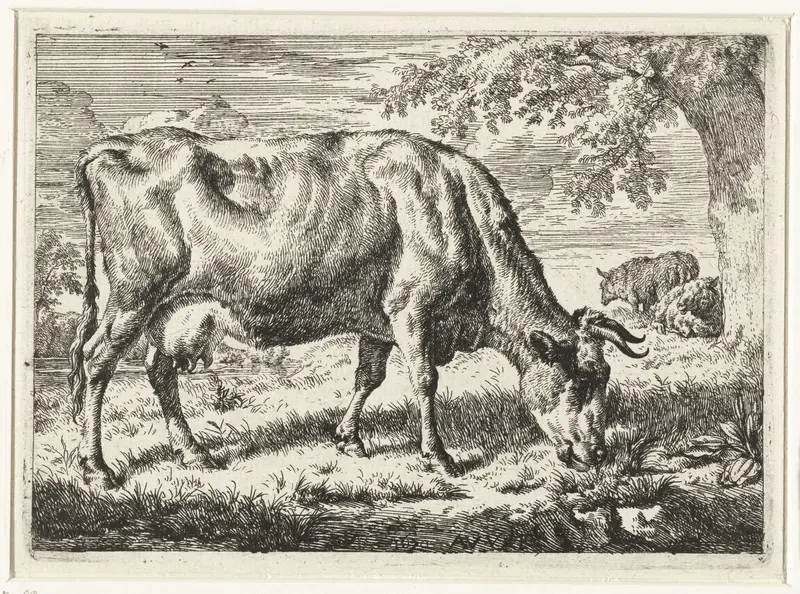
Grazende koe en twee schapen
Adriaen van de Velde
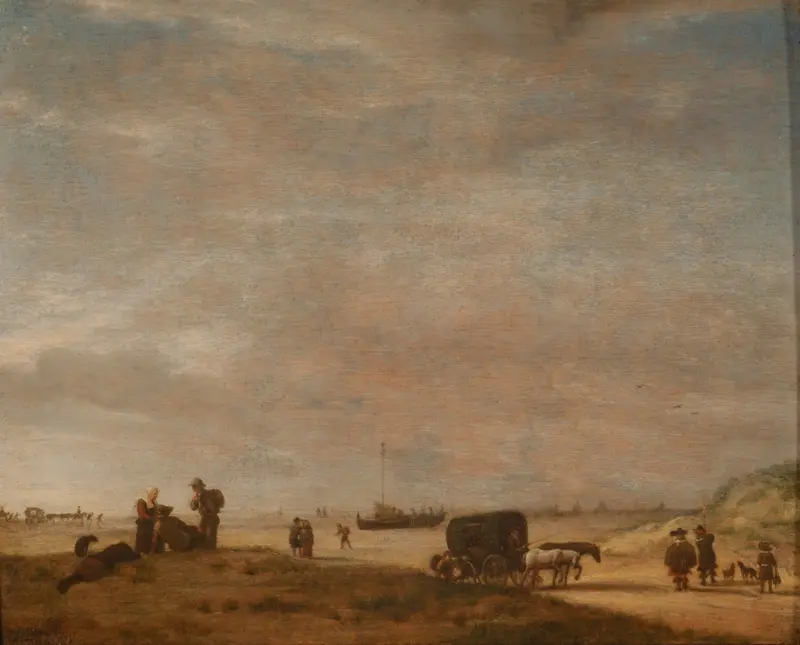
Scheveningen Beach
Adriaen van de Velde
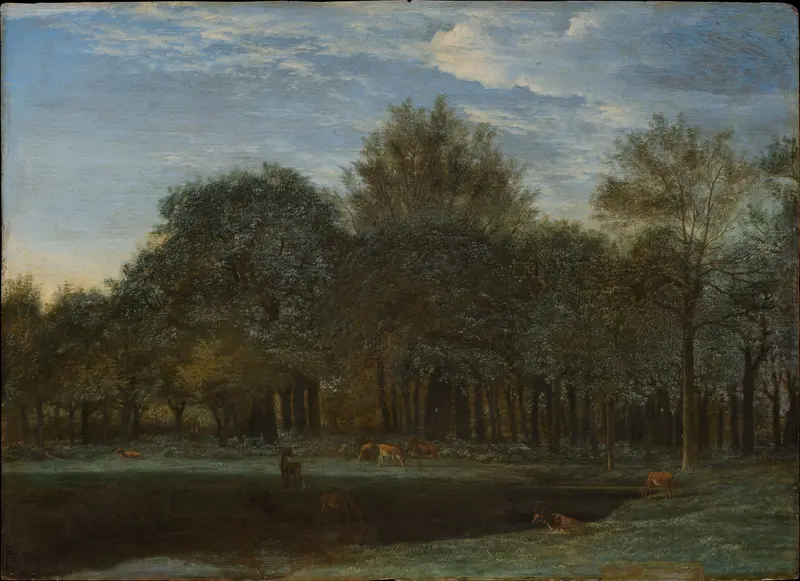
Forest Clearing with Grazing Deer
Adriaen van de Velde
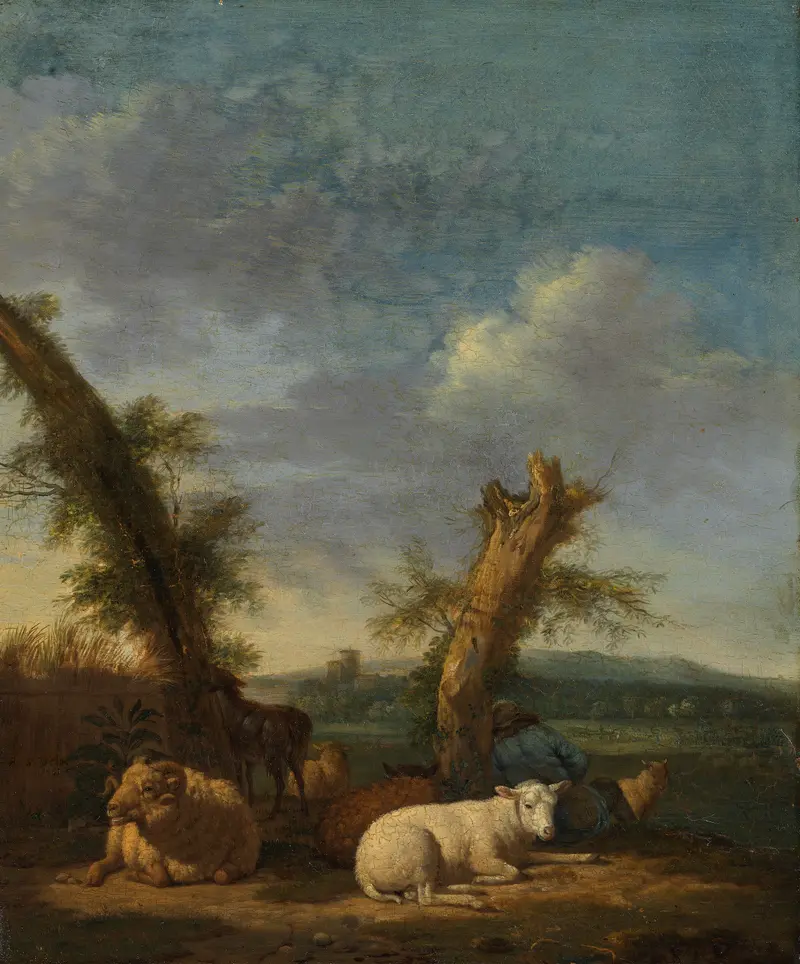
Landscape with Sheep and a Sleeping Shepherd
Adriaen van de Velde





