
Midsummer — History & Facts
In Midsummer, Edvard Munch presents a vibrant landscape filled with lush greenery and bright colors. The painting features figures enjoying the warmth of summer, surrounded by a rich natural setting. The use of greens, yellows, and blues creates a lively atmosphere, evoking the joy of the season.
The figures appear relaxed, embodying the spirit of summer leisure. The painting is executed in oil on canvas, showcasing Munch's characteristic brushwork and color palette. The dimensions are approximately 100 x 80 cm, making it a substantial work that draws viewers in. Munch's technique emphasizes the emotional resonance of the scene, with bold strokes and dynamic forms.
The overall composition invites the viewer to immerse themselves in the summer experience. Edvard Munch, known for his exploration of psychological themes, created Midsummer around the turn of the 20th century. This work reflects his interest in nature and its connection to human emotion. Interestingly, Munch often painted during the summer months, finding inspiration in the natural world.
Midsummer stands out as a celebration of life and vitality, contrasting with some of his darker themes.
More Artworks by Edvard Munch

The Scream
Edvard Munch

The Scream (1910 version)
Edvard Munch

Despair
Edvard Munch

The Day After
Edvard Munch
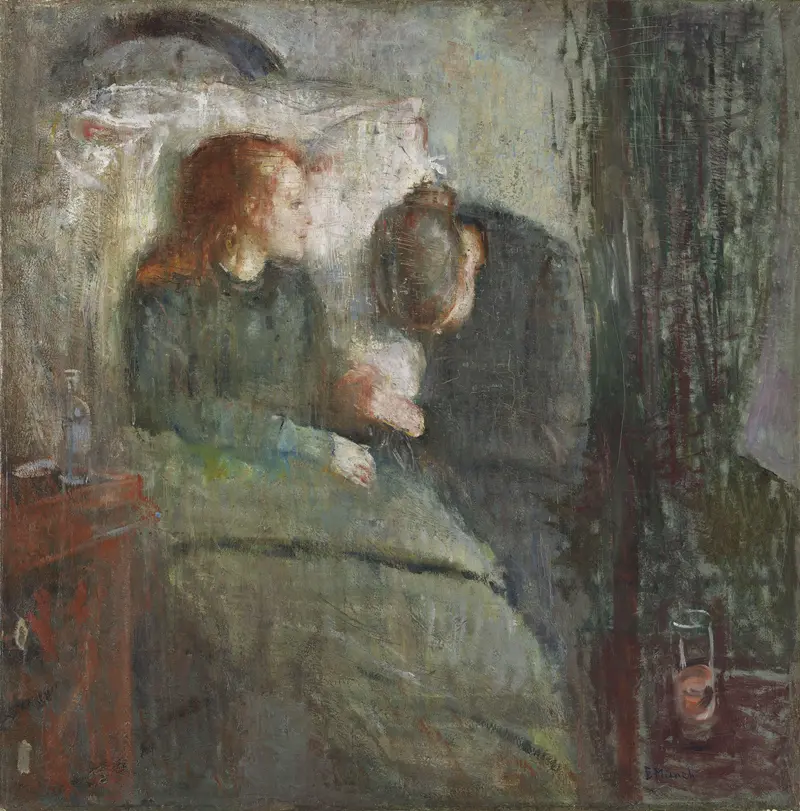
The Sick Child
Edvard Munch
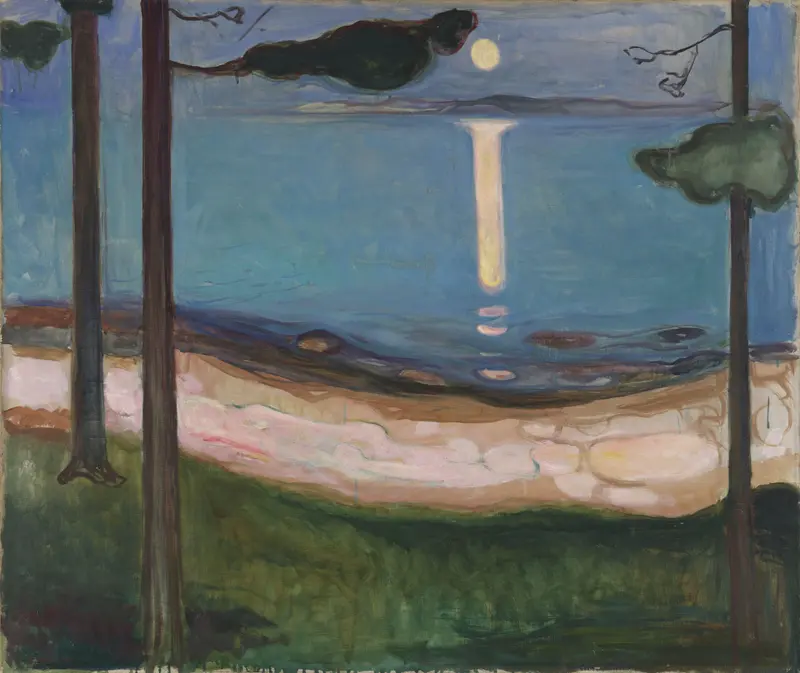
Moonlight
Edvard Munch
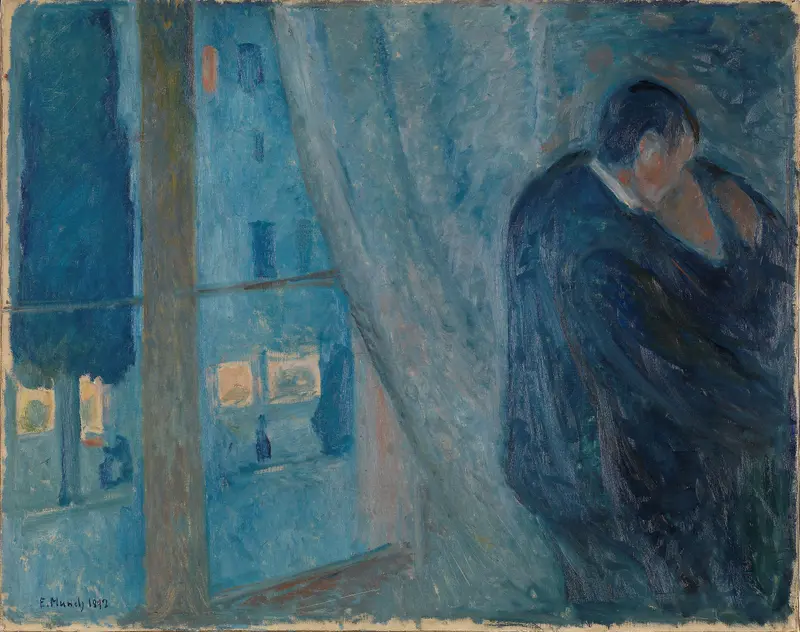
The Kiss
Edvard Munch
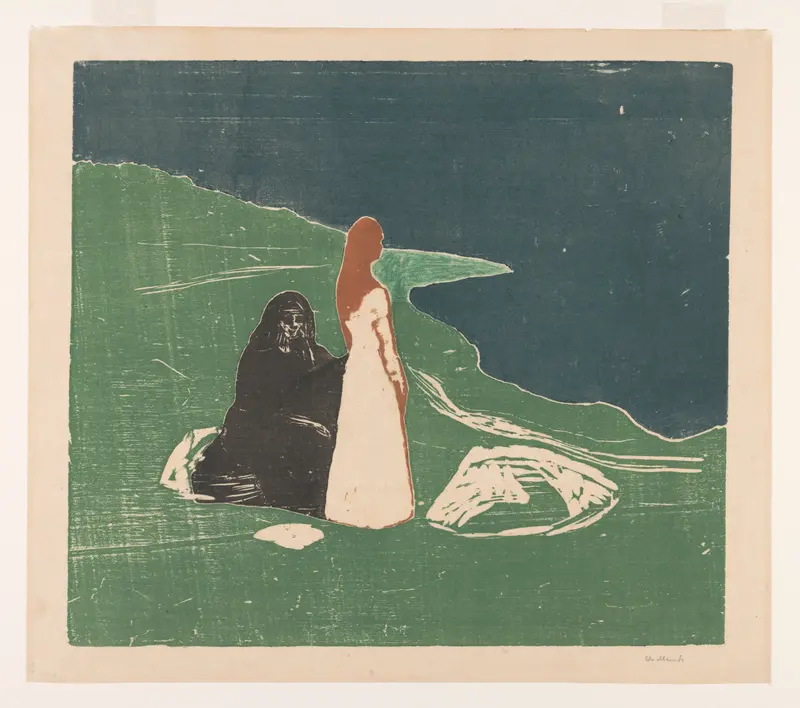
Two Women on the Shore
Edvard Munch
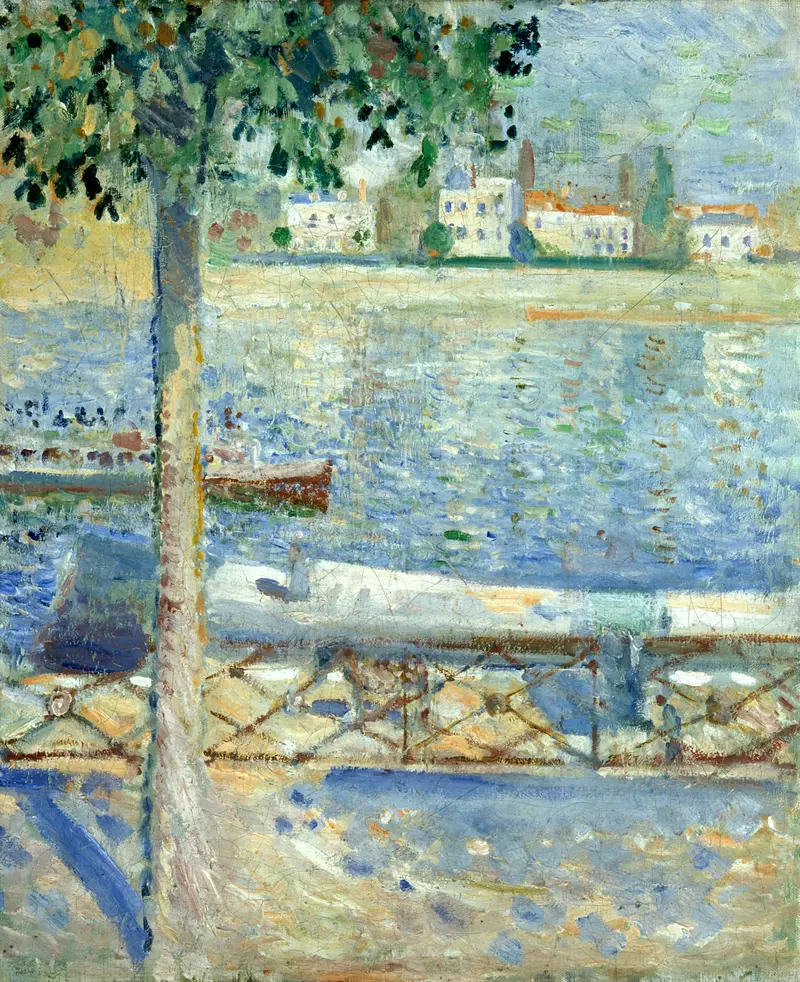
The Seine At Saint-Cloud
Edvard Munch
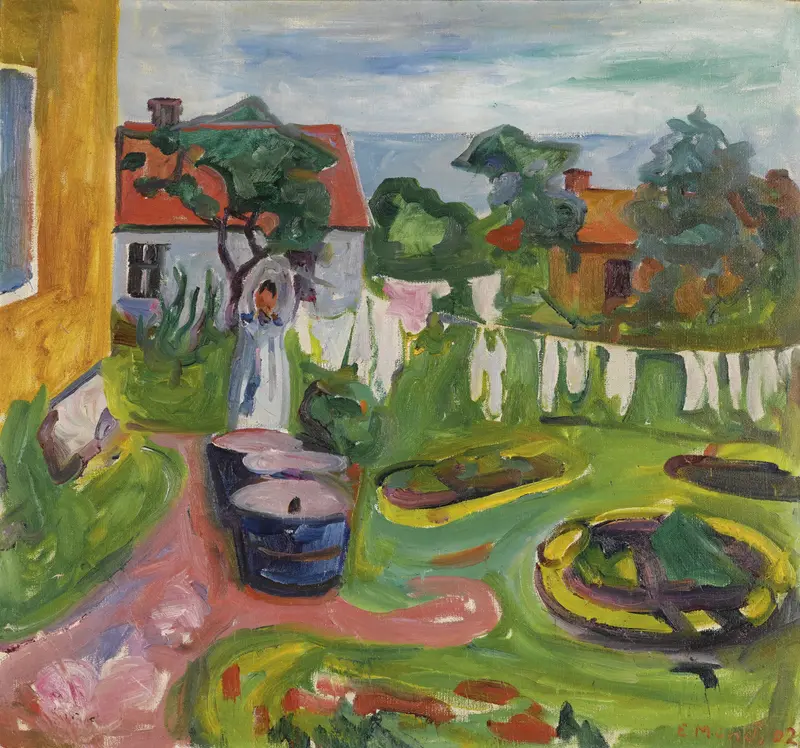
Klestørk I Åsgårdstrand (Clothes On A Line In Åsgårdstrand)
Edvard Munch
More Landscape Art

The Starry Night
Vincent van Gogh

View of Delft
Johannes Vermeer

Water Lilies
Claude Monet

The Grand Canal, Venice, looking north-west from the Ca' Corner to the Ca' Contarini degli Scrigni, with the campanile of Santa Maria della Carità
Canaletto

Windsor Castle
Canaletto

The Grand Canal looking North-East from the Palazzo Dolfin-Manin to the Rialto Bridge
Canaletto