
Millbank — History & Facts
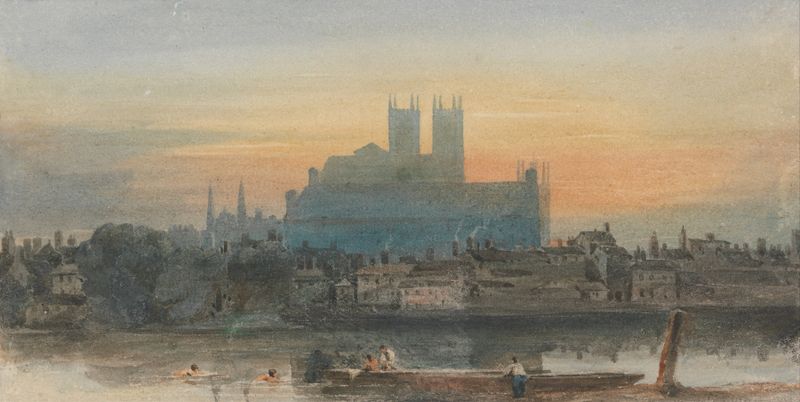
In the quiet corners of existence, decay becomes a canvas for beauty, revealing the fragile truth of our mortality. Focus on the gentle interplay of light and shadow across the landscape. Look at the hazy horizon, where muted tones of gray and ochre blend harmoniously, suggesting the passage of time. The trees, though bare and skeletal, stand as guardians of memory, each twisted branch meticulously rendered, breathing depth into the scene.
Note the water’s reflective surface, rippling softly, as if the very essence of life is captured in its fleeting currents. Yet, beneath the surface, a poignant narrative unfolds. The dilapidated structures hint at a forgotten past, evoking feelings of nostalgia and loss. The absence of vibrant life speaks to a deeper sense of decay, juxtaposing the beauty of nature against the remnants of human existence.
It invites contemplation on the impermanence of both the physical world and our own lives, highlighting the bittersweet relationship between creation and destruction. In 1810, while living in England, the artist was deeply engaged with the Romantic movement's exploration of nature’s sublime and often melancholy aspects. During this period, the industrial revolution was beginning to reshape the landscape, contrasting with the tranquility and decay depicted in Millbank. This work reflects Cox's desire to capture the essence of a changing world, one that resonates with both beauty and the inevitable passage of time.
More Artworks by David Cox
Browse all →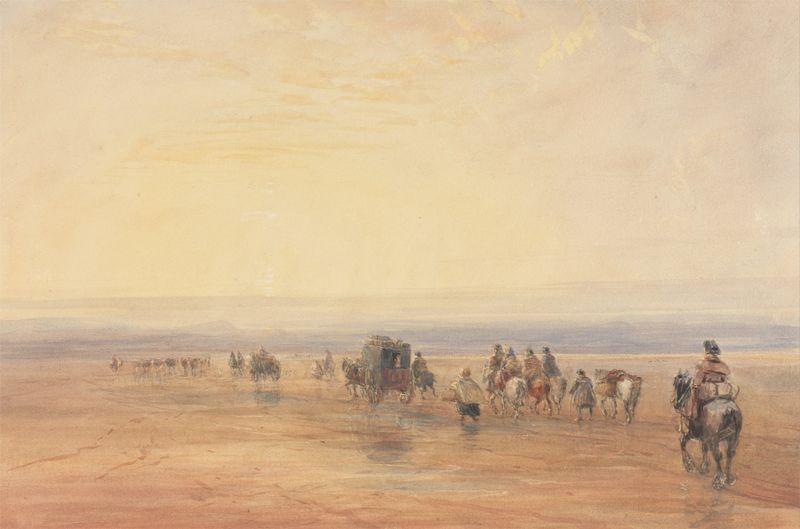
Crossing Lancaster Sands
David Cox
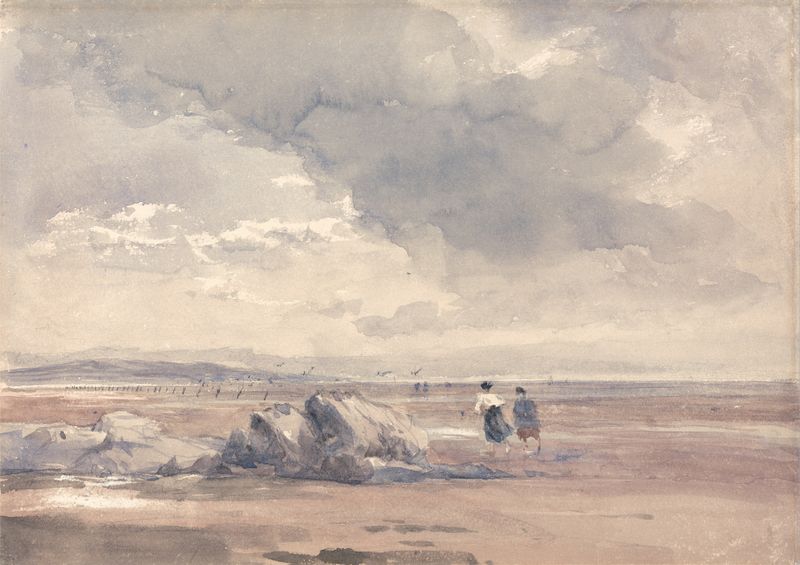
On Lancaster Sands, Low Tide
David Cox

Lincoln Cathedral from Brayford Pool
David Cox

View in Wales
David Cox
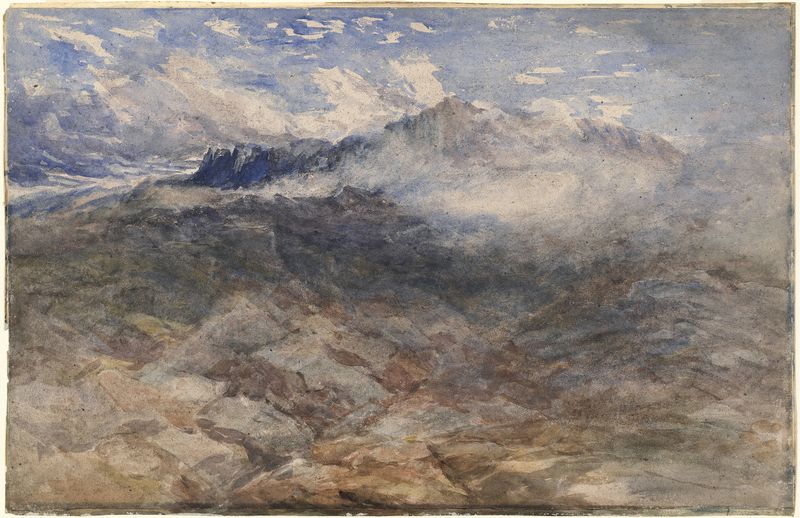
Mountain Heights, Cader Idris
David Cox

Bergen op Zoom
David Cox

Boating Before Lambeth Palace, London
David Cox
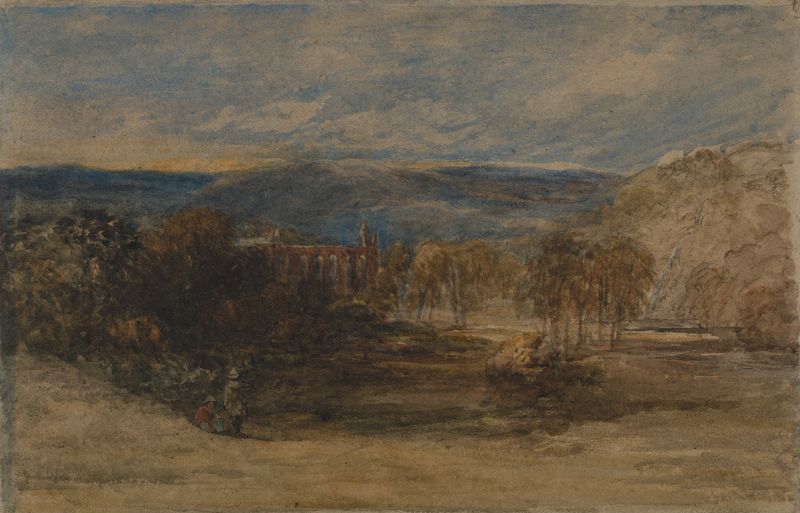
Bolton Abbey
David Cox

London Bridge
David Cox
Westminster from Lambeth
David Cox





