Monmouth before James II — History & Analysis
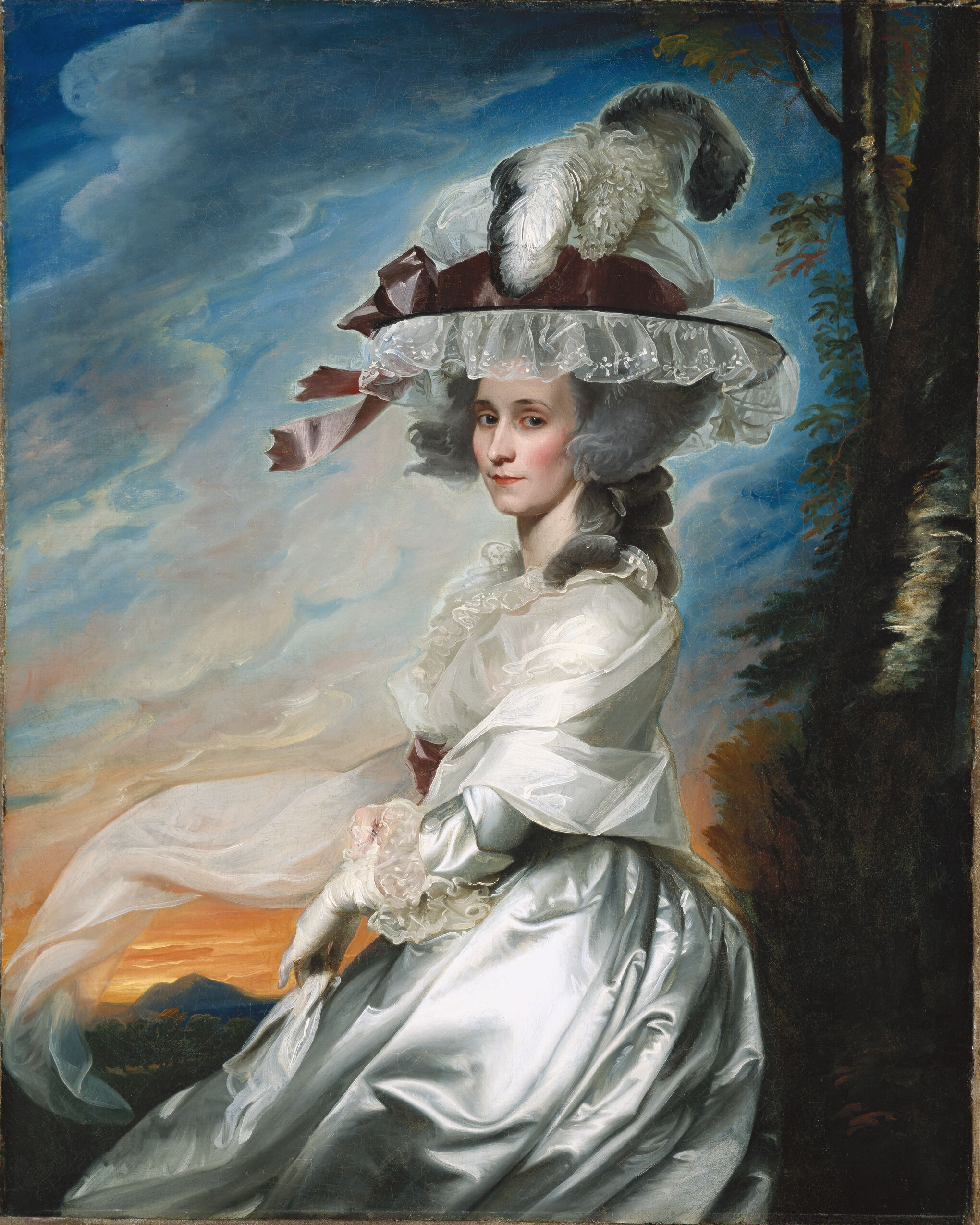
“Under the brush, chaos becomes grace.” In a world filled with uncertainty, we often seek glimpses of hope amid turmoil. Look to the center, where a figure emerges, caught between light and shadow. The tension in the composition is palpable, as the glowing hues of gold and blue draw our focus toward the protagonist, who stands resolute against a backdrop of tumult. Notice how the brushstrokes articulate the fabric of his garments, imbued with life, while the chaotic landscape swirls around him, echoing both imminent danger and an unyielding spirit.
The stark contrast of warm and cool tones enhances the emotional gravity of the moment. This painting encapsulates the duality of struggle and resilience. The protagonist’s posture suggests a readiness to confront what lies ahead, embodying a profound sense of hope in the face of chaos. Surrounding figures and the tumultuous sky further amplify this tension, hinting at the fragility of stability and the courage needed to persevere.
Every detail, from the expressions to the swirling clouds, resonates with the human experience of grappling with uncertainty while yearning for brighter days. Copley painted this work in the mid-1790s, a time when political and social upheaval gripped both America and Europe. Living in London, he was navigating his identity as an American artist in a foreign land while responding to the changing tides of revolution and conflict. This painting reflects not only his personal struggles but also the broader search for hope in a world teetering on the brink of transformation.