
Monsignor Cristoforo Segni — History & Facts
When Diego Velázquez arrived in Rome in 1649, he found himself at the center of papal power and intrigue, and it was here, in 1650, that he painted Monsignor Cristoforo Segni. The portrait is one of a remarkable series Velázquez made during his second Italian sojourn, capturing the likenesses of leading Vatican figures. What sets this painting apart is that Segni, a high-ranking prelate and papal chamberlain, was not only a powerful figure but also a key supporter of Velázquez’s ambitions at the papal court.
The artist’s Roman portraits, including this one, were so admired that they drew the attention of Pope Innocent X himself, leading to Velázquez’s celebrated commission for the Pope’s own portrait. The canvas presents Monsignor Segni at a moment of poised formality, seated and robed in rich ecclesiastical garb, his gaze direct yet reserved. Velázquez’s brushwork is swift and confident, capturing the sheen of silk and the weight of authority in the sitter’s posture. The monsignor’s hand rests on a letter, perhaps a nod to his administrative duties, while the deep, shadowed background isolates him in a world of power and contemplation.
The psychological acuity here recalls Velázquez’s earlier Portrait of Juan de Pareja, painted the same year, where the sitter’s dignity is rendered with similar economy and empathy. Unlike the more theatrical portraits of Anthony van Dyck, Velázquez’s approach is understated, focusing on the sitter’s inner life rather than external grandeur. After its creation, Monsignor Cristoforo Segni remained in Italy for many years, its early provenance somewhat obscure, as was often the case with portraits of churchmen. It eventually entered the Spanish royal collection, likely due to Velázquez’s position as court painter to King Philip IV, and from there found its way to the Museo del Prado, where it hangs today.
The painting stands as a testament to Velázquez’s Roman period, a time when he refined his portraiture to its most subtle and penetrating form. Though less famous than his royal sitters, Segni’s portrait is cherished for its quiet authority and the insight it offers into the artist’s mature style.
More Artworks by Diego Velázquez

Las Meninas
Diego Velázquez
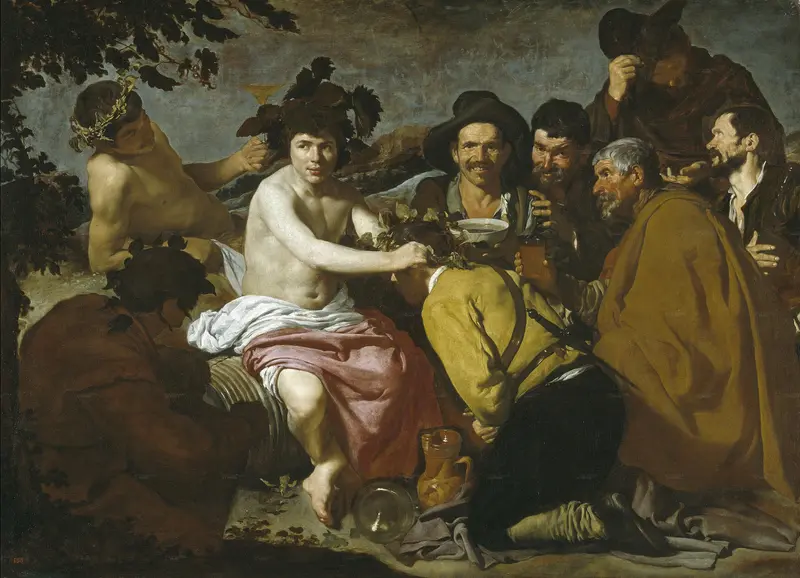
The Triumph of Bacchus
Diego Velázquez
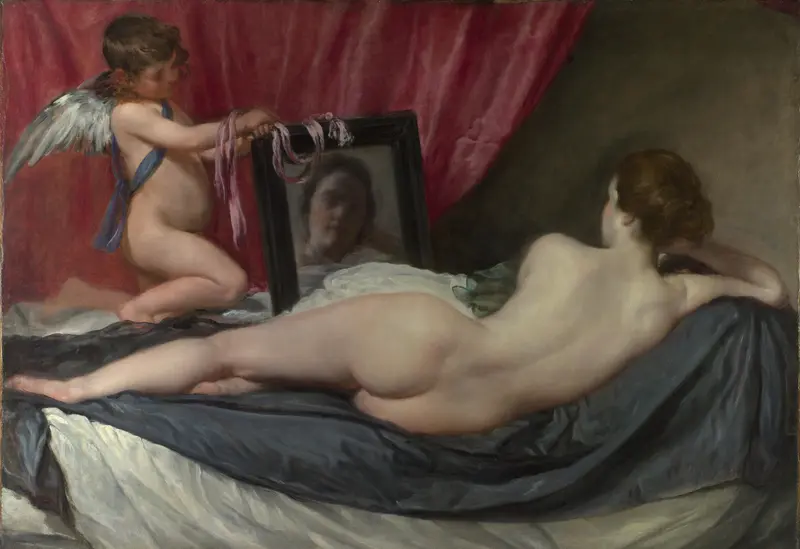
Rokeby Venus
Diego Velázquez
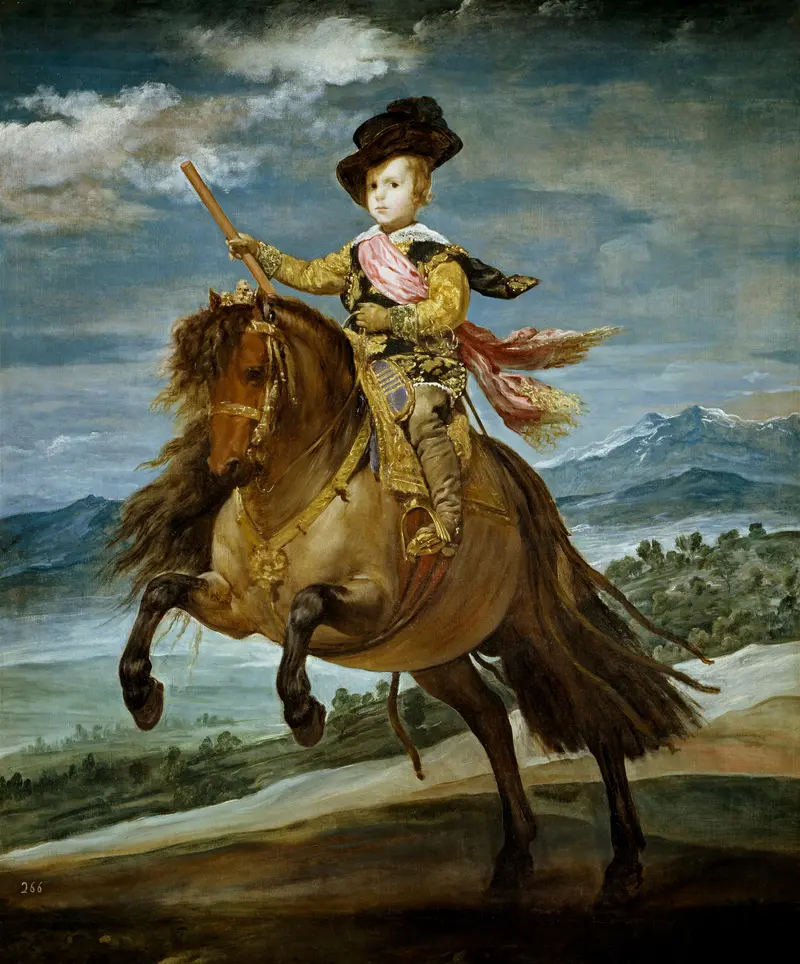
Equestrian Portrait of Prince Balthasar Charles
Diego Velázquez
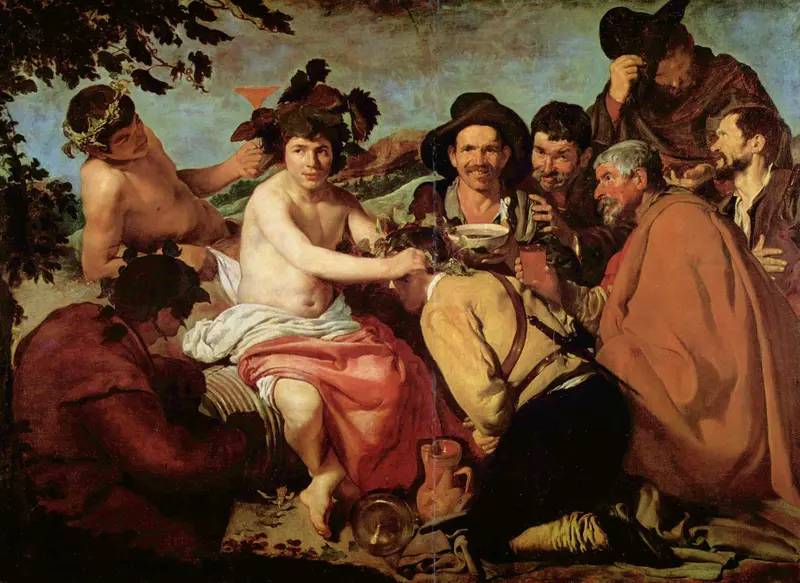
Bacchus
Diego Velázquez
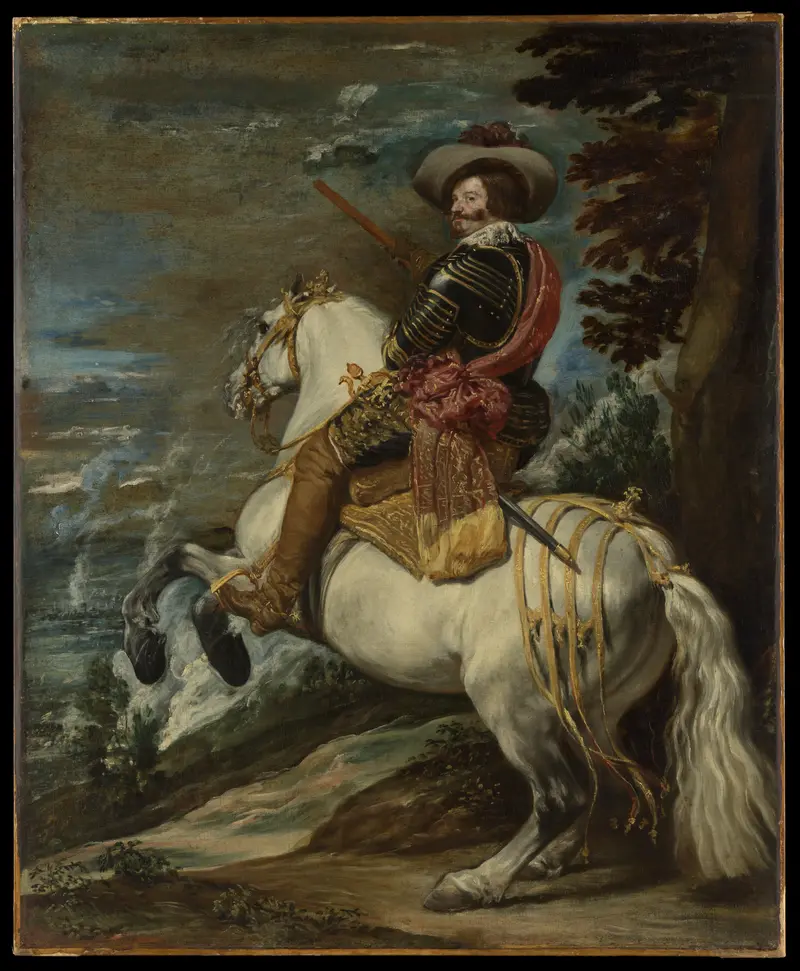
Don Gaspar de Guzmán (1587–1645), Count-Duke of Olivares
Diego Velázquez
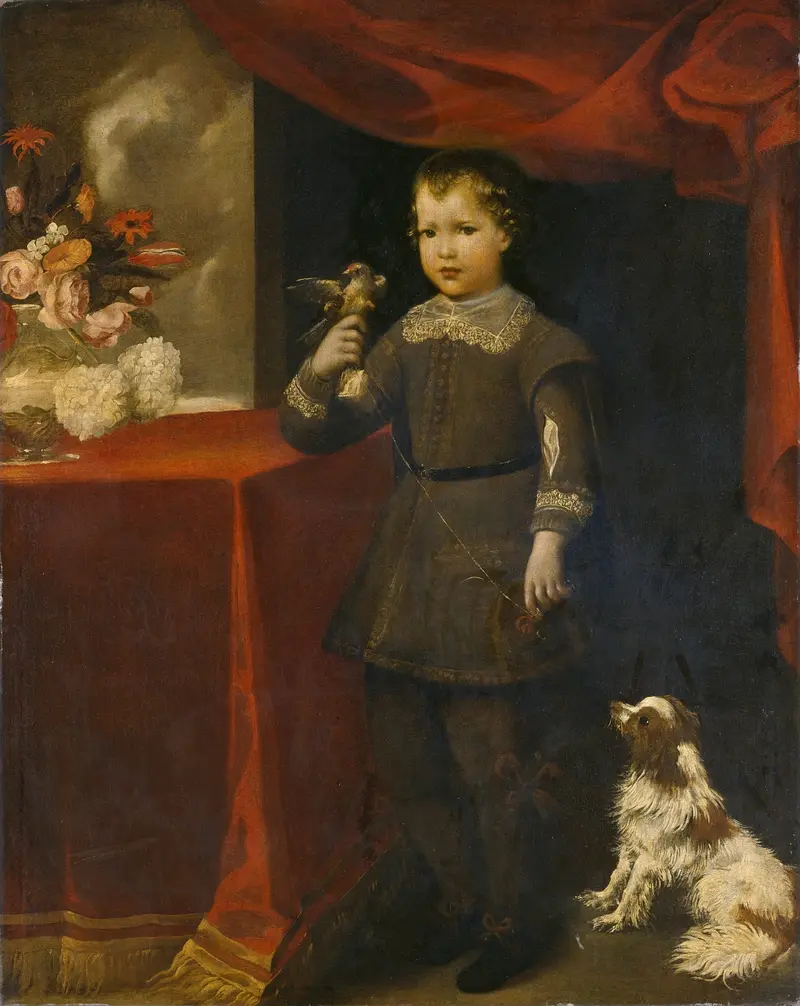
El príncipe Baltasar Carlos de Austria
Diego Velázquez
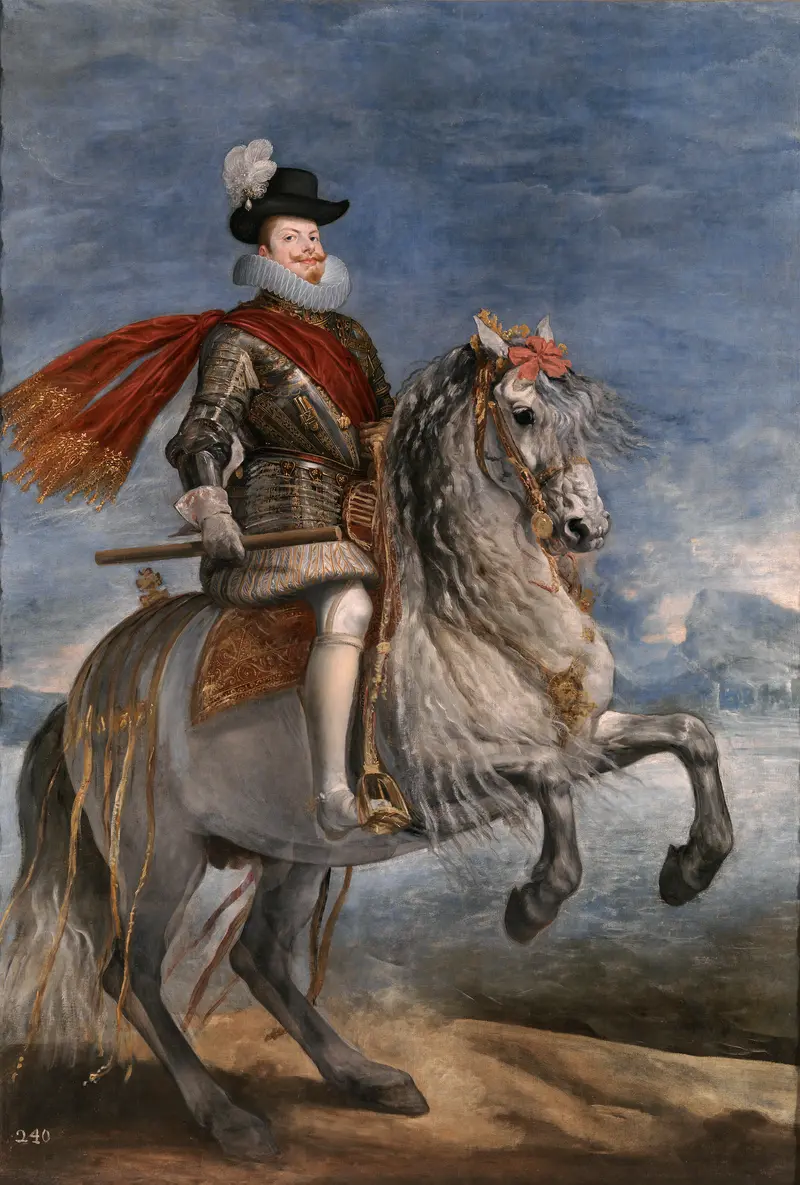
Equestrian Portrait of Philip III
Diego Velázquez
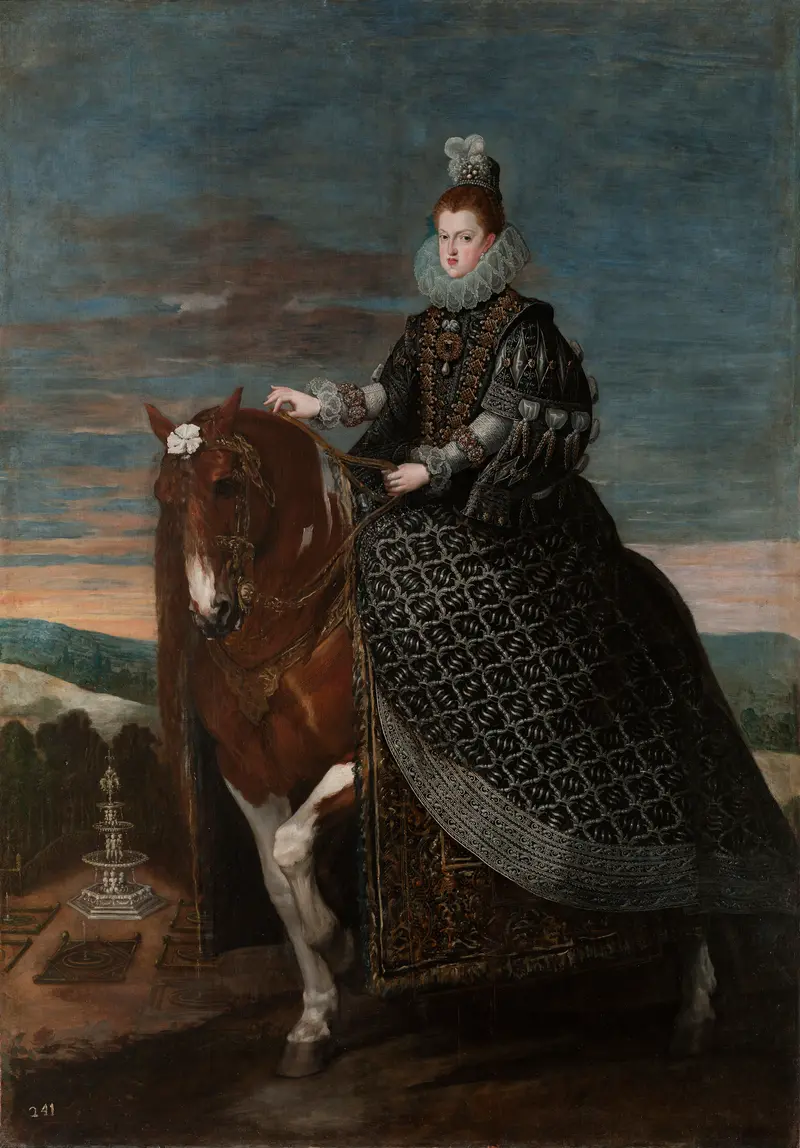
Equestrian Portrait of Margarita of Austria
Diego Velázquez
Las Hilanderas
Diego Velázquez




