
Moon — History & Facts
Could beauty survive in a century of chaos? This question reverberates through time, whispering into the hearts of those who seek solace amid turmoil. Look to the moon, hovering in the deep azure sky, its luminous glow casting a silvery embrace over the tranquil landscape below. The soft brushstrokes reveal layers of texture in the clouds, while the rich colors evoke both serenity and intrigue. Notice how the light dances across the scene, creating a play of shadows that enriches the depth and dimension of this nocturnal vision, inviting the viewer to linger longer in contemplation. Within the composition lies a poignant contrast: the stillness of the natural world against the vibrant pulse of the moonlight.
The celestial body stands as a beacon of hope, illuminating the darkness of uncertainty. This juxtaposition suggests an unwavering faith, urging us to look beyond the immediate chaos of life and consider the beauty that can endure. Amidst the quiet, the painting speaks volumes, capturing a moment where nature cradles both dreams and fears. Jan Stanisławski created Moon in 1902, during a period when Poland was struggling with partitions and national identity.
Living in Warsaw, he was deeply influenced by the Symbolist movement, which sought to express emotions and ideas beyond mere representation. This work reflects his innovative approach to color and light, embodying a moment of introspection and hope amid a rapidly changing world.
More Artworks by Jan Stanisławski
Browse all →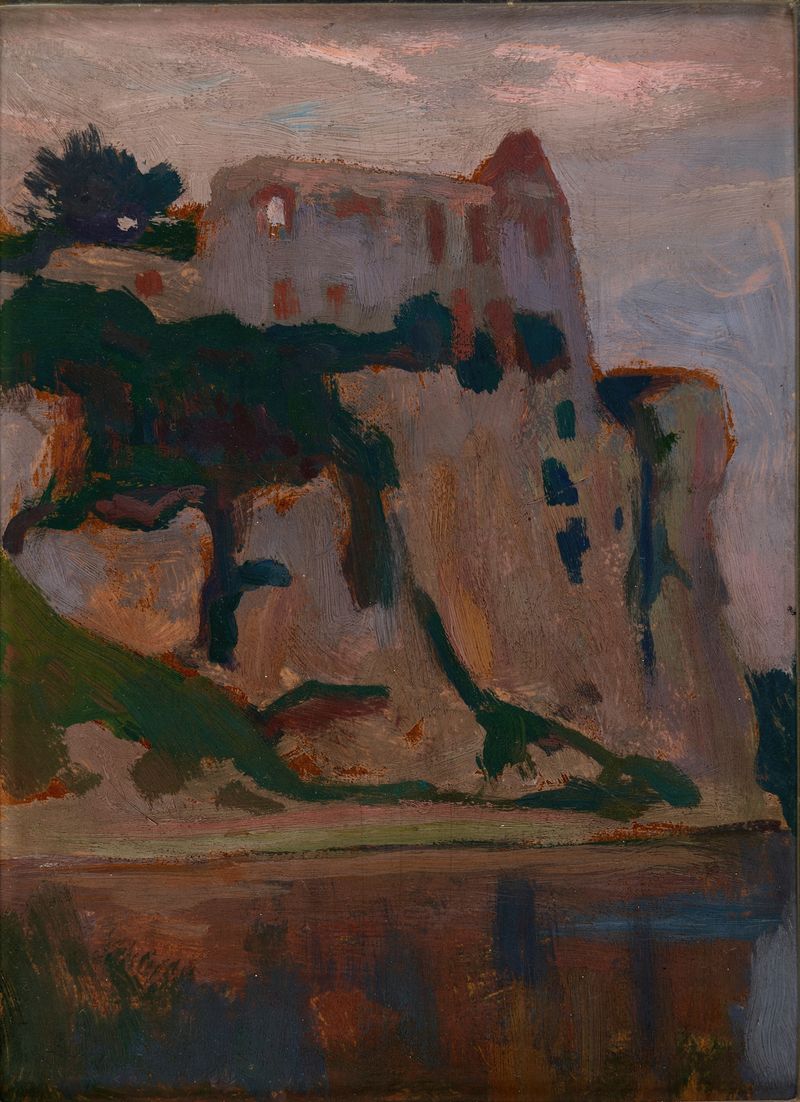
Tyniec at Dawn
Jan Stanisławski
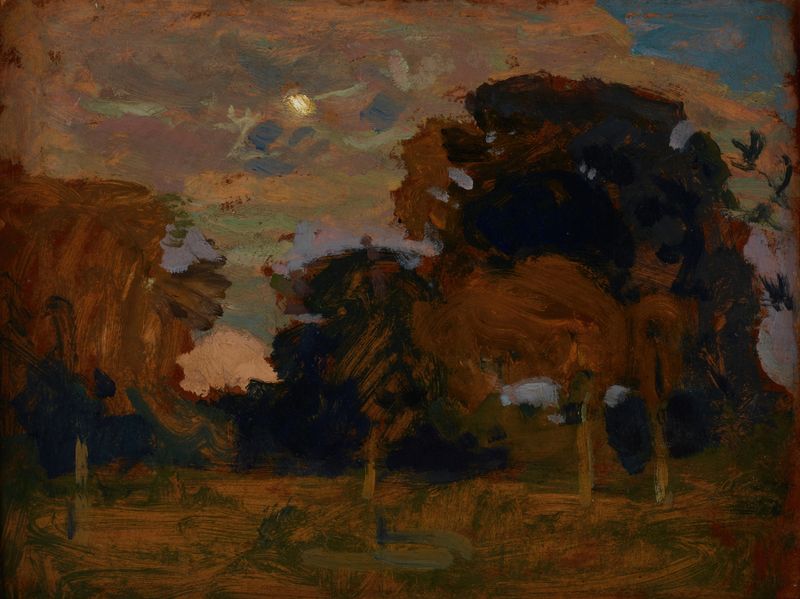
Moon in the Clouds
Jan Stanisławski
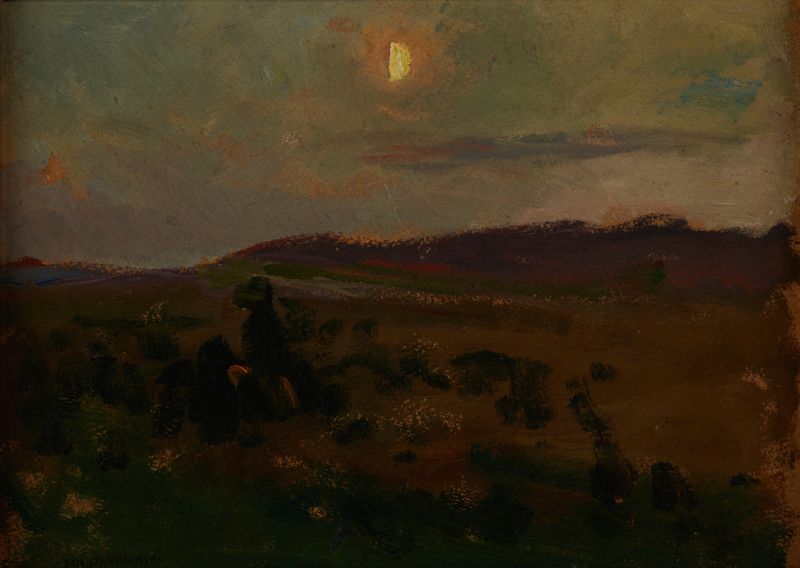
Moonrise
Jan Stanisławski
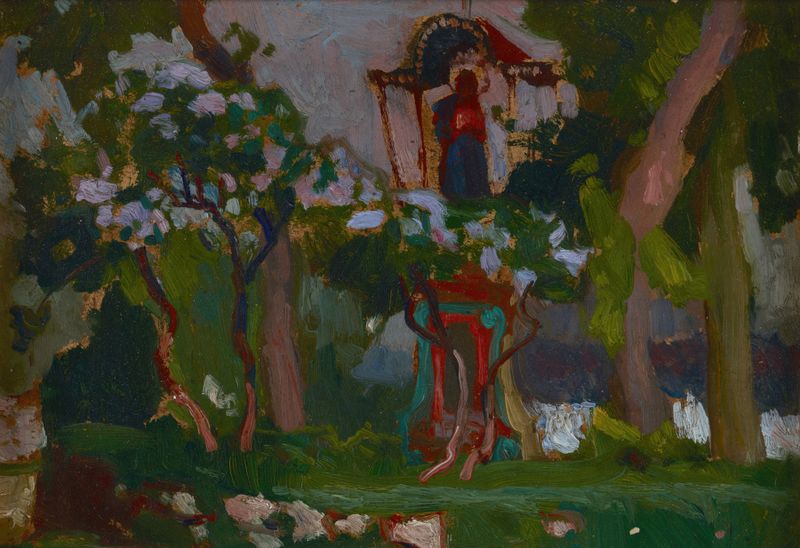
May
Jan Stanisławski
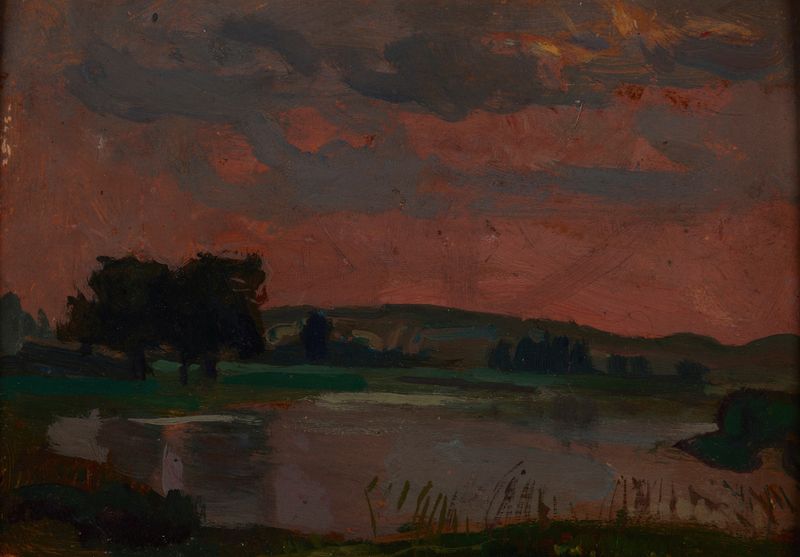
The Vistula in the Twilight
Jan Stanisławski
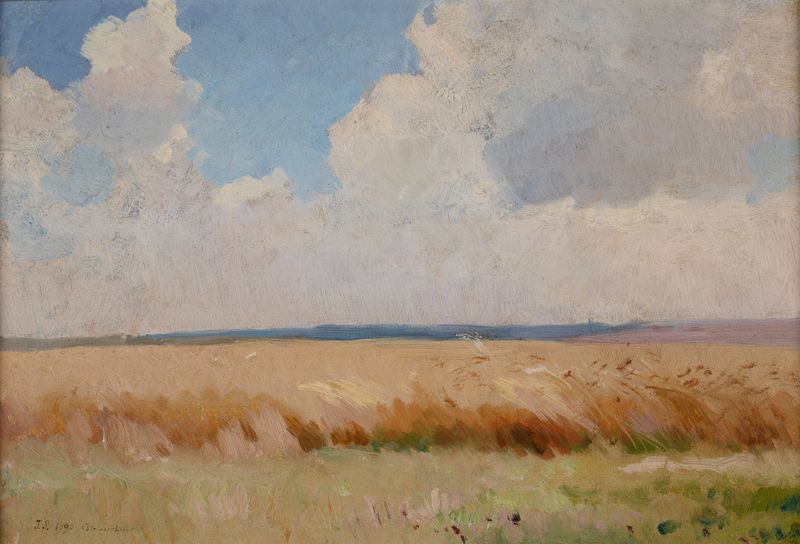
Field at Białocerkiew (Bila Tserkva)
Jan Stanisławski
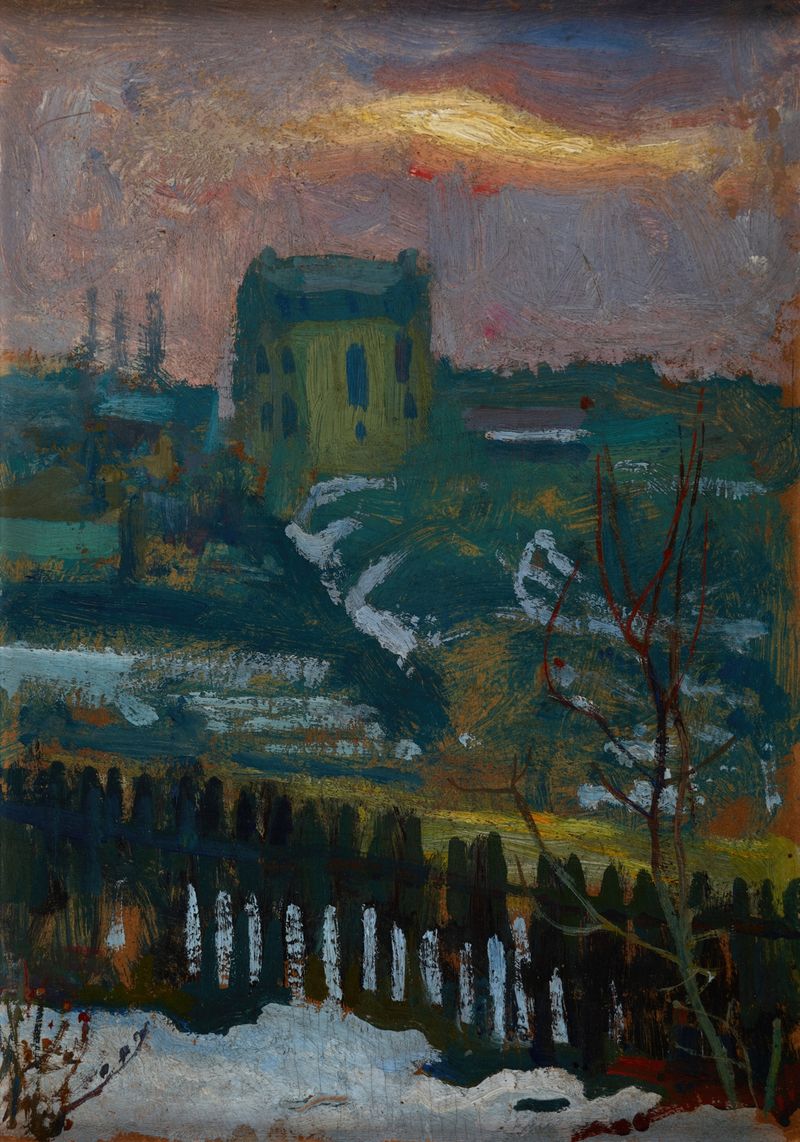
House in Winter
Jan Stanisławski
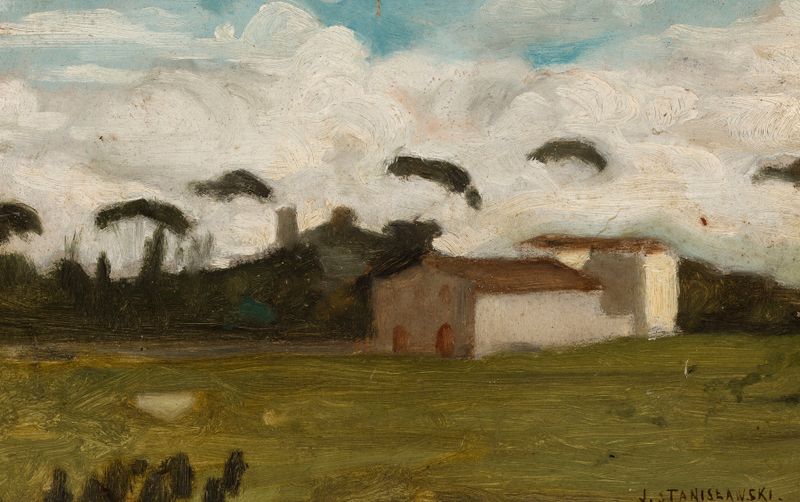
Landscape
Jan Stanisławski
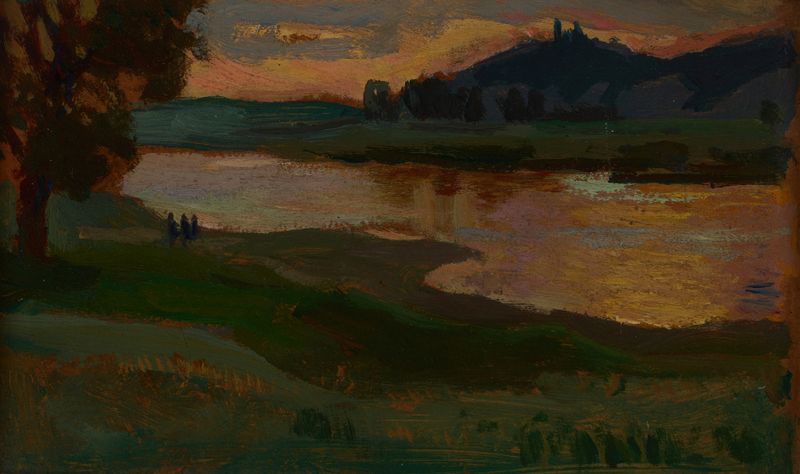
Bielany at Dusk
Jan Stanisławski
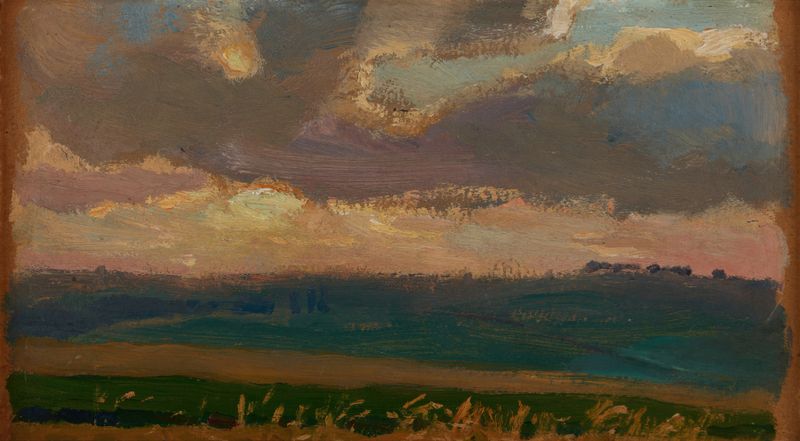
Fields at Proszowice
Jan Stanisławski





