
Moonlight (Moonlight. Night in St. Cloud) — History & Facts
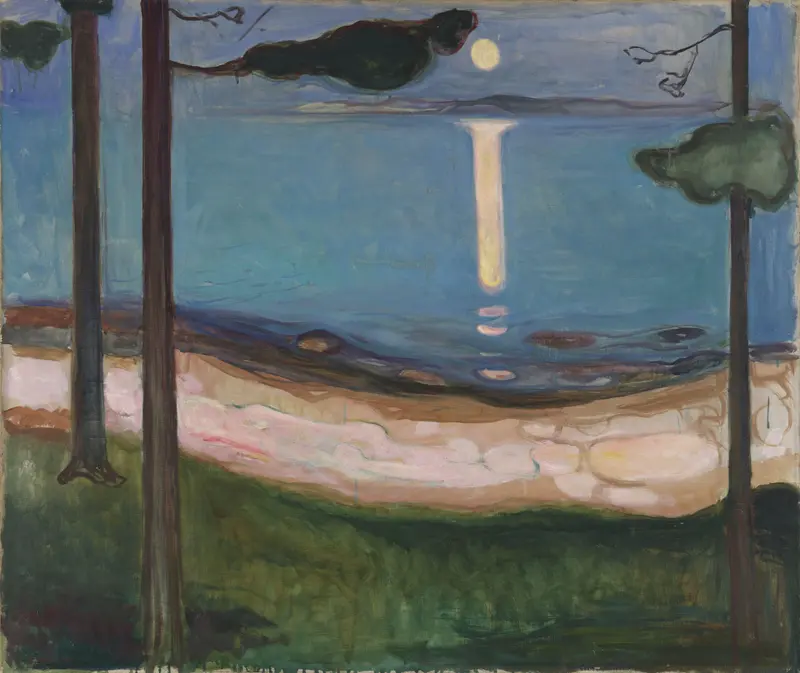
In Moonlight (Moonlight. Night in St. Cloud) by Edvard Munch, the viewer is greeted with a tranquil night scene.
The painting features a luminous moon casting a soft glow over a serene landscape. Deep blues and silvery whites dominate the palette, creating a calm and reflective atmosphere. Silhouetted trees and gentle waves suggest a quiet body of water, enhancing the peacefulness of the setting. The painting is executed in oil on canvas, showcasing Munch's signature brushwork and use of color.
The dimensions are approximately 90 x 70 cm, making it a medium-sized work that invites close inspection. Viewers can appreciate the texture created by Munch's layered application of paint. The composition balances light and shadow, drawing the eye towards the moon as the focal point. Edvard Munch, a key figure in the Symbolism movement, created Moonlight around the late 19th century.
This work reflects his fascination with nature and the emotional resonance of night scenes. Interestingly, Munch often used moonlight to symbolize deeper themes of love and longing. This painting exemplifies his ability to blend the natural world with psychological depth.
More Artworks by Edvard Munch

The Scream
Edvard Munch

The Scream (1910 version)
Edvard Munch

Despair
Edvard Munch

The Day After
Edvard Munch
The Sick Child
Edvard Munch
Moonlight
Edvard Munch
The Kiss
Edvard Munch
Two Women on the Shore
Edvard Munch
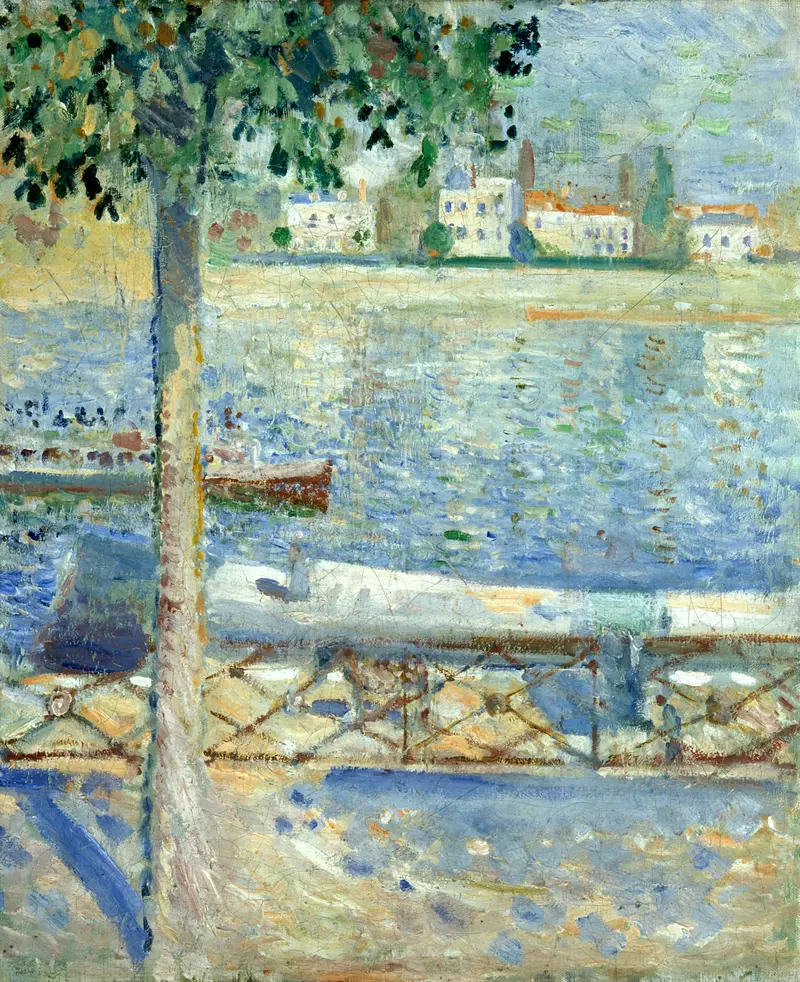
The Seine At Saint-Cloud
Edvard Munch
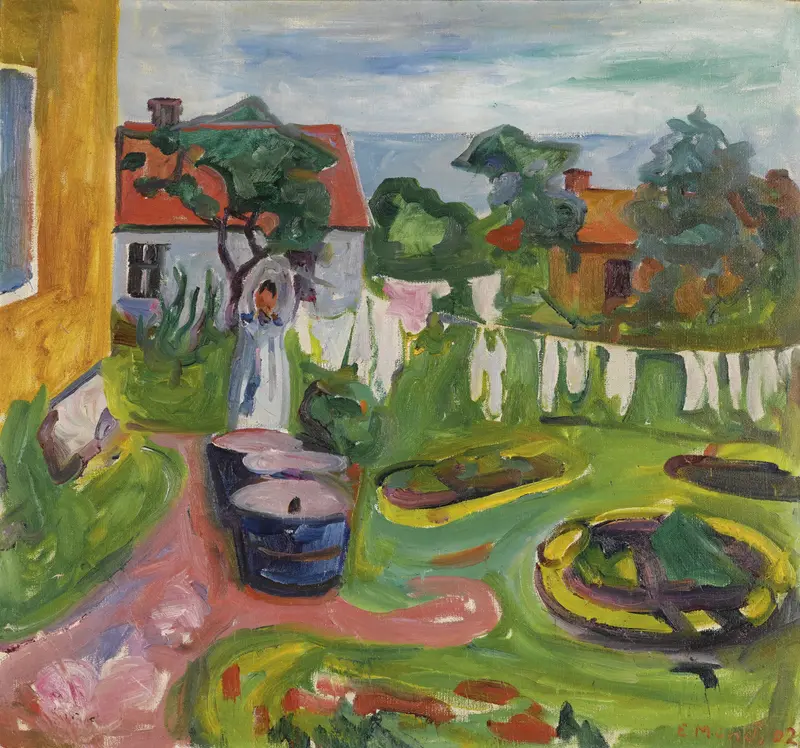
Klestørk I Åsgårdstrand (Clothes On A Line In Åsgårdstrand)
Edvard Munch
More Landscape Art

Starry Night
Vincent van Gogh

View of Delft
Johannes Vermeer

Water Lilies
Claude Monet

The Grand Canal, Venice, looking north-west from the Ca' Corner to the Ca' Contarini degli Scrigni, with the campanile of Santa Maria della Carità
Canaletto

Windsor Castle
Canaletto

The Grand Canal looking North-East from the Palazzo Dolfin-Manin to the Rialto Bridge
Canaletto