
Moonlit Cove — History & Facts
No one knows for certain what medium Albert Pinkham Ryder used for Moonlit Cove, a mystery that has intrigued conservators for decades. Ryder was notorious for his experimental techniques, often mixing unconventional materials into his paints, which has led to the unpredictable aging of his works. This uncertainty has made Moonlit Cove both a technical enigma and a challenge for those tasked with its preservation.
The painting’s surface, with its rich, moody texture, hints at Ryder’s restless search for new effects. In the absence of clear documentation, the painting stands as a testament to the artist’s fiercely independent spirit. The scene captures a nocturnal coastline, where moonlight breaks through heavy clouds to illuminate a secluded inlet. Ryder’s brushwork blurs the boundaries between sea, sky, and land, drawing the viewer’s eye to the silvery path of light that pools on the water.
The craggy rocks and shadowed forms along the shore create a sense of isolation, while the moon’s glow suggests a moment of quiet revelation. Unlike the crisp realism of Winslow Homer’s seascapes, Ryder’s approach is dreamlike, inviting the viewer to linger in ambiguity. The painting’s mood is shaped as much by what is hidden in darkness as by what is revealed. Moonlit Cove belongs to Ryder’s early period in the 1880s, when he was living in New York and developing his unique vision apart from academic conventions.
Its provenance is uncertain, as many of Ryder’s works were sold directly from his studio or changed hands privately, often without records. Today, the painting is prized by collectors and museums for its atmospheric power and its role in the evolution of American art toward modernism. Though the original exhibition history of Moonlit Cove is unclear, it is now recognized as a key example of Ryder’s singular style, bridging the gap between the Hudson River School and later Symbolist painters.
More Artworks by Albert Pinkham Ryder

The Toilers of the Sea
Albert Pinkham Ryder
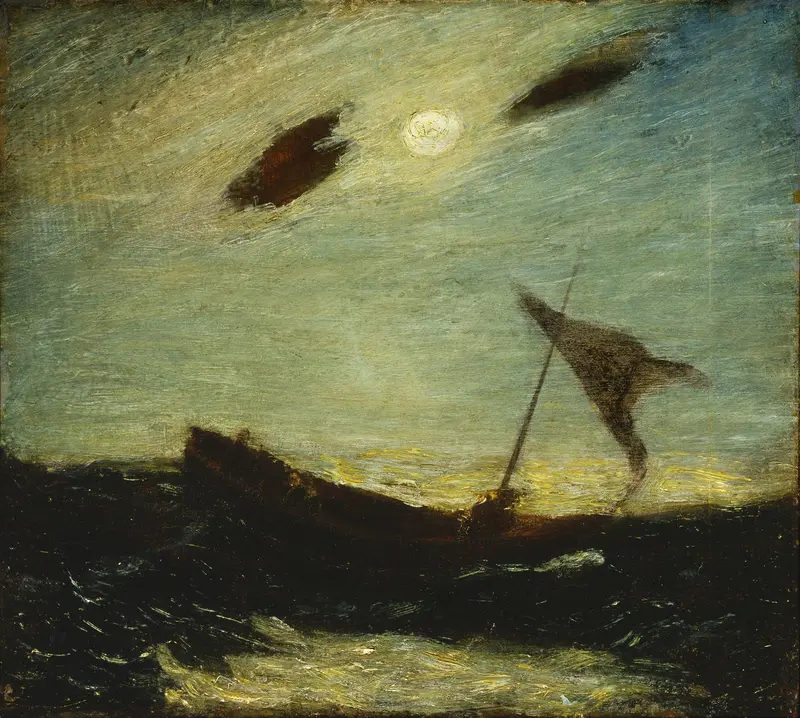
Moonlight
Albert Pinkham Ryder
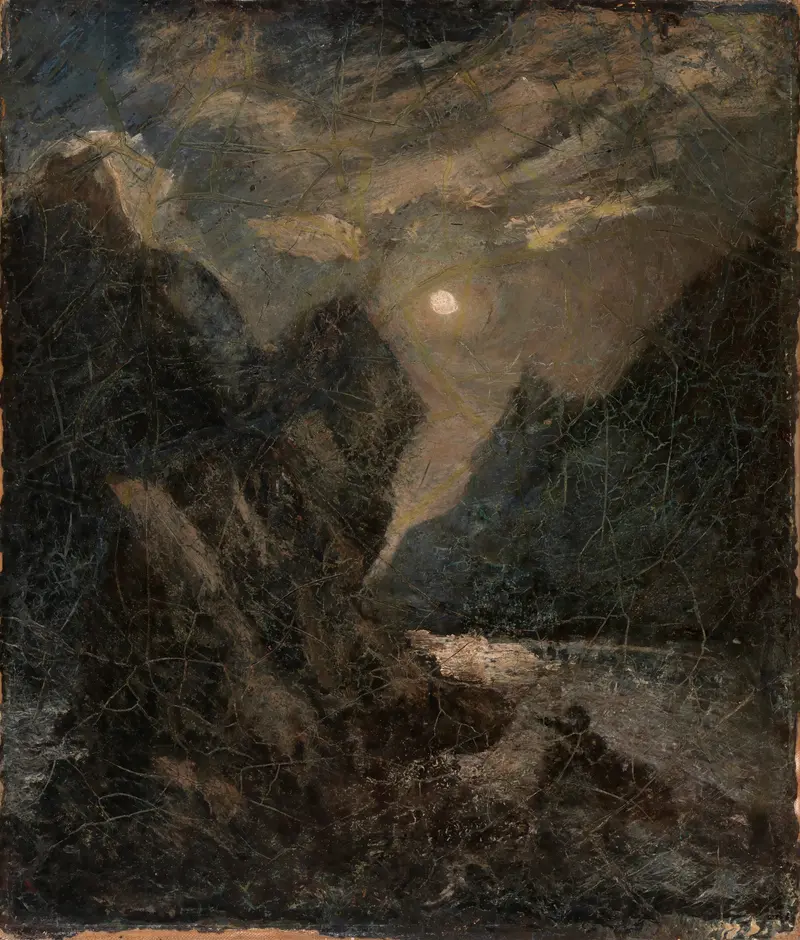
The Lorelei
Albert Pinkham Ryder
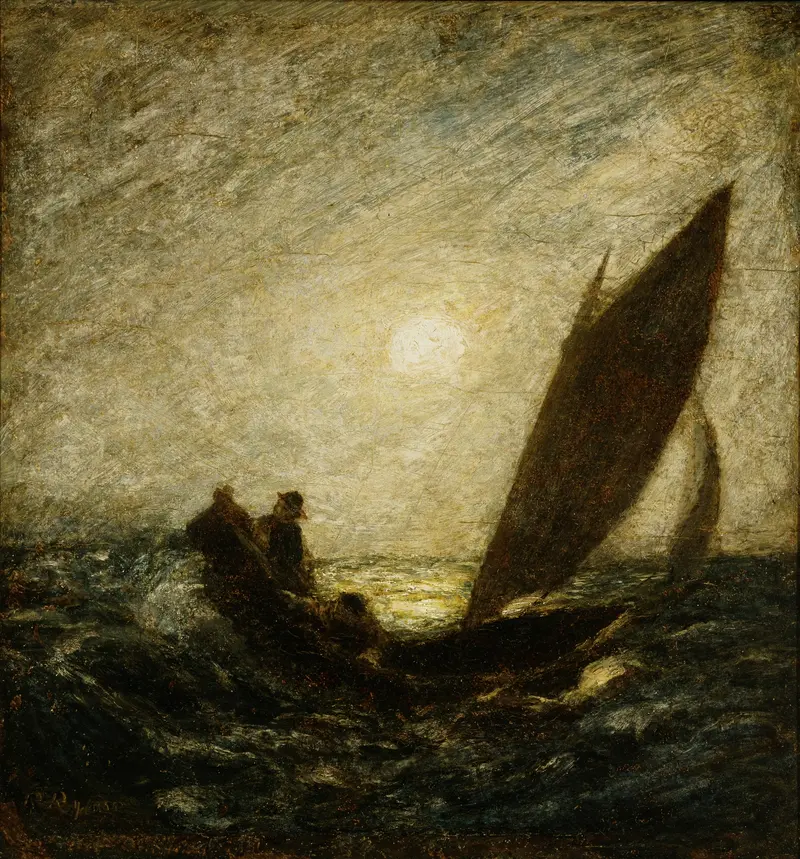
With Sloping Mast And Dipping Prow
Albert Pinkham Ryder
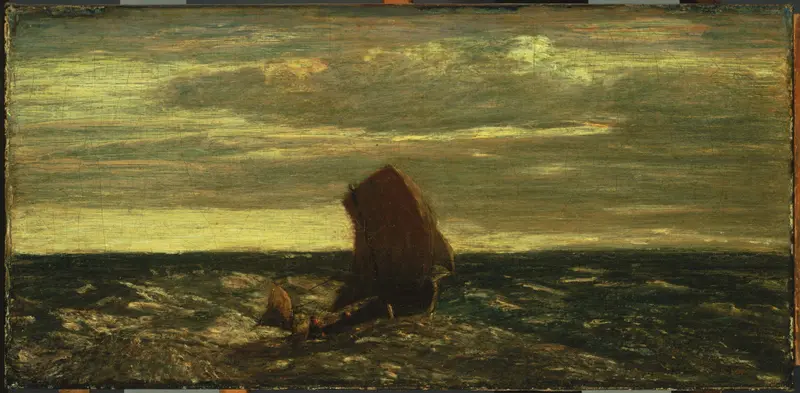
Homeward Bound
Albert Pinkham Ryder
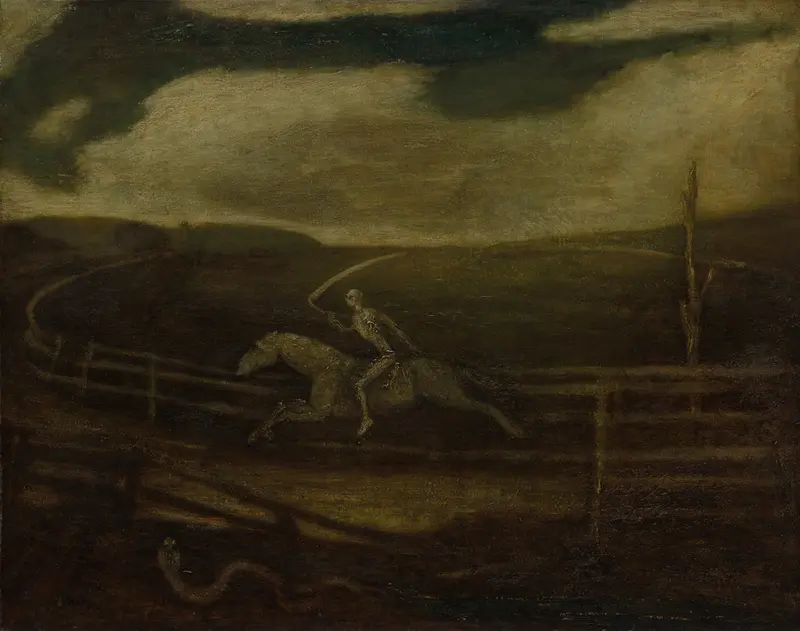
The Race Track (Death on a Pale Horse)
Albert Pinkham Ryder
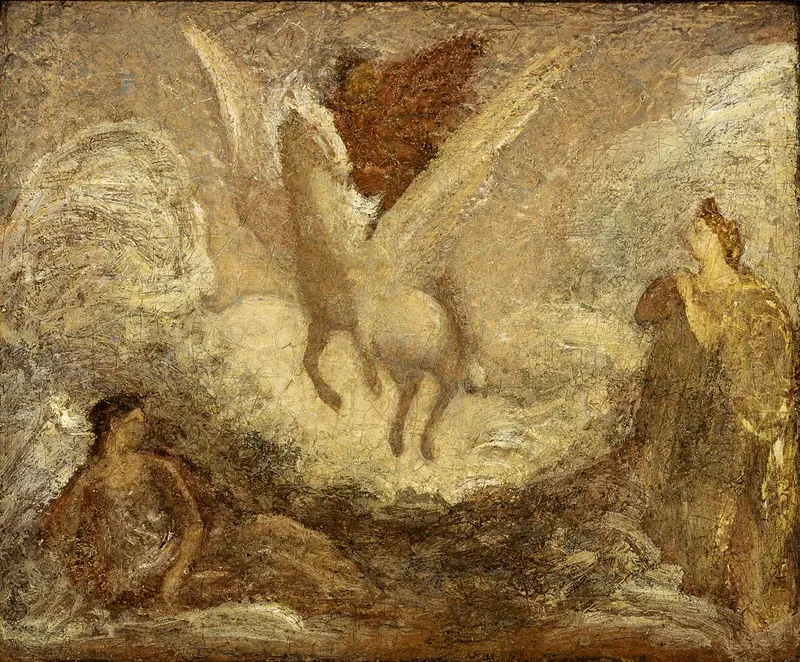
Pegasus Departing
Albert Pinkham Ryder
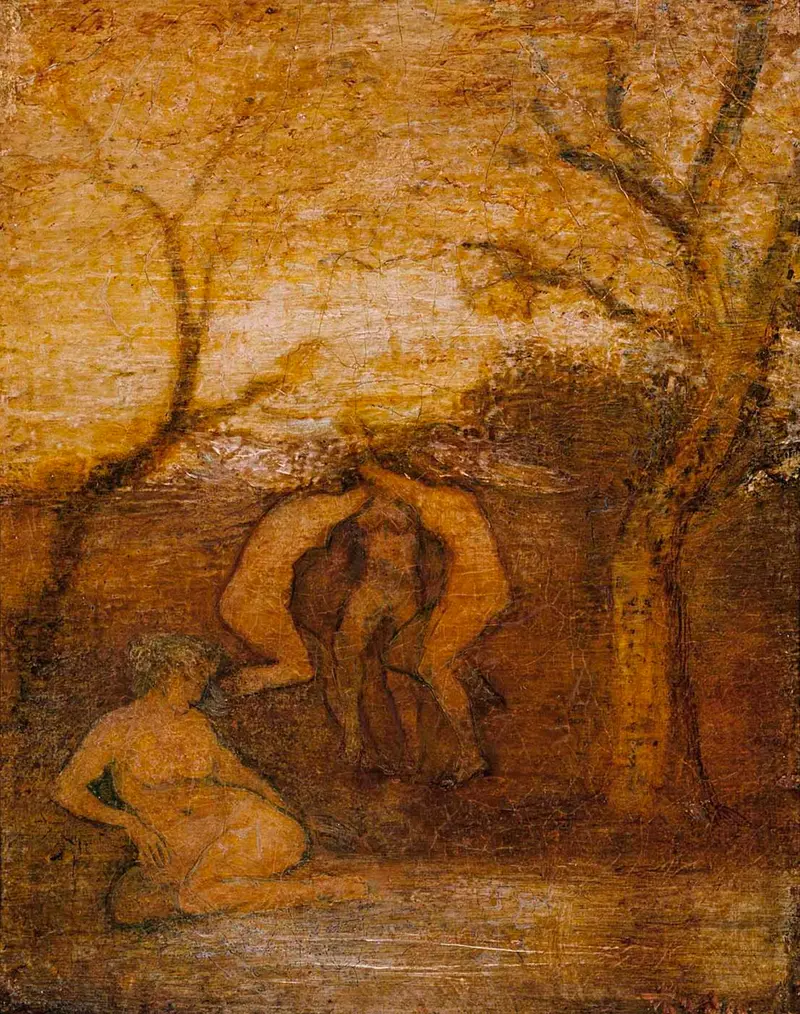
Dancing Dryads
Albert Pinkham Ryder
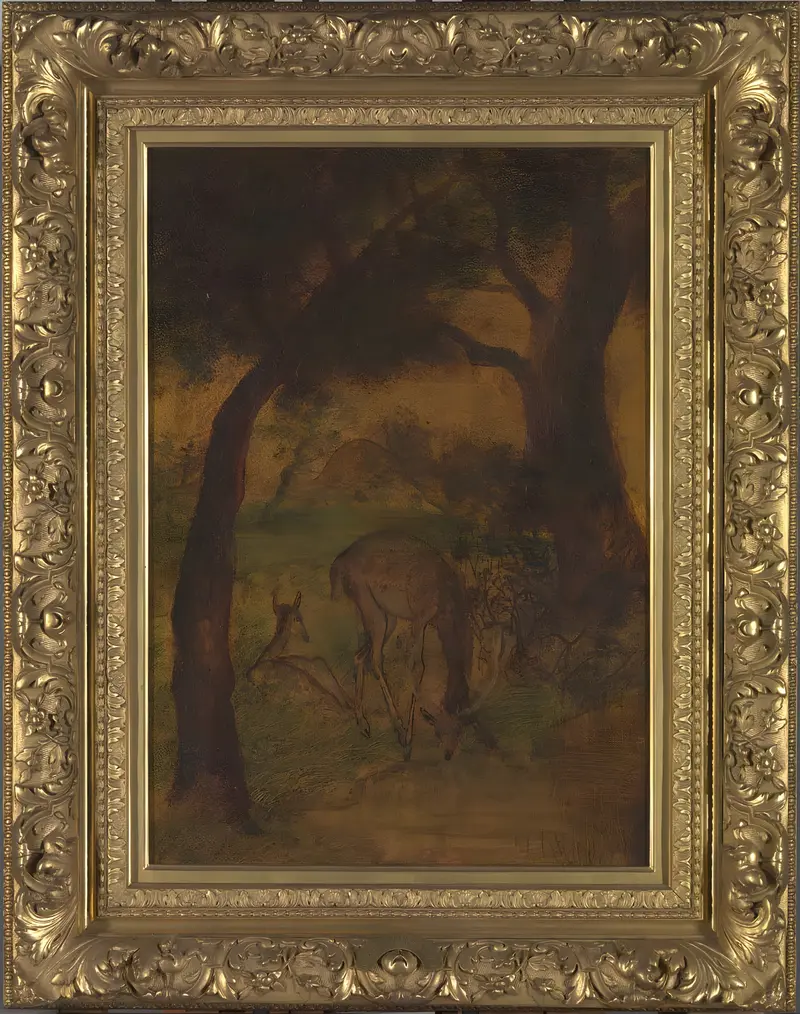
A Stag Drinking
Albert Pinkham Ryder
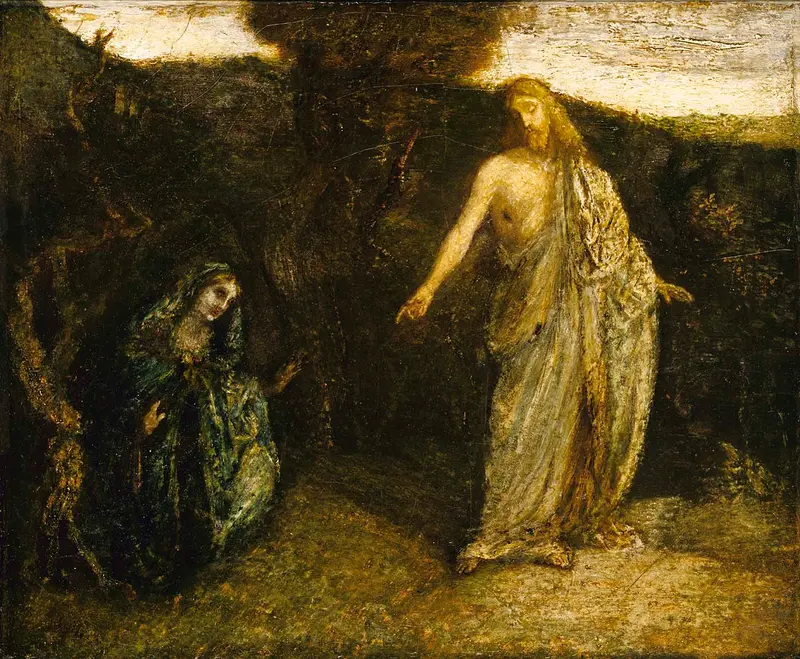
Christ Appearing to Mary
Albert Pinkham Ryder





