
Moonlit Night — History & Facts
Did the painter know this moment would outlive them? A silent yearning lingers in the moonlit glow, whispering stories of time's passage and the deep desire for connection. Look to the left at the soft, shimmering lake reflecting the celestial body above. The interplay of blues and silvers draws you in, while the delicate brushstrokes evoke a sense of tranquility. Notice how the gentle ripples in the water mirror the stillness of the night sky, creating an intimate dialogue between the earth and the heavens.
This exquisite use of light and shadow accentuates the depth of night, capturing a fleeting moment as if the canvas itself breathes. Beneath the serene surface lies a tension of longing and solitude. The solitary figure on the bank, almost lost in contemplation, beckons viewers to ponder their own desires as they gaze upon the heavens. A sense of nostalgia pervades the scene, reminiscent of moments once cherished and now distant.
The contrast between the vibrancy of the moon and the shadows around it reflects the dichotomy of hope and despair, evoking an emotional resonance that transcends time. In 1903, the artist was immersed in a burgeoning movement of Polish Impressionism, capturing the essence of the natural world with poignant clarity. Living in Warsaw, he sought to express the emotional depth of everyday moments. This period marked a growing interest in capturing light and atmosphere, as artists sought to leave a lasting imprint on their viewers, much like the moonlit scene that continues to inspire and evoke longing long after its creation.
More Artworks by Jan Stanisławski
Browse all →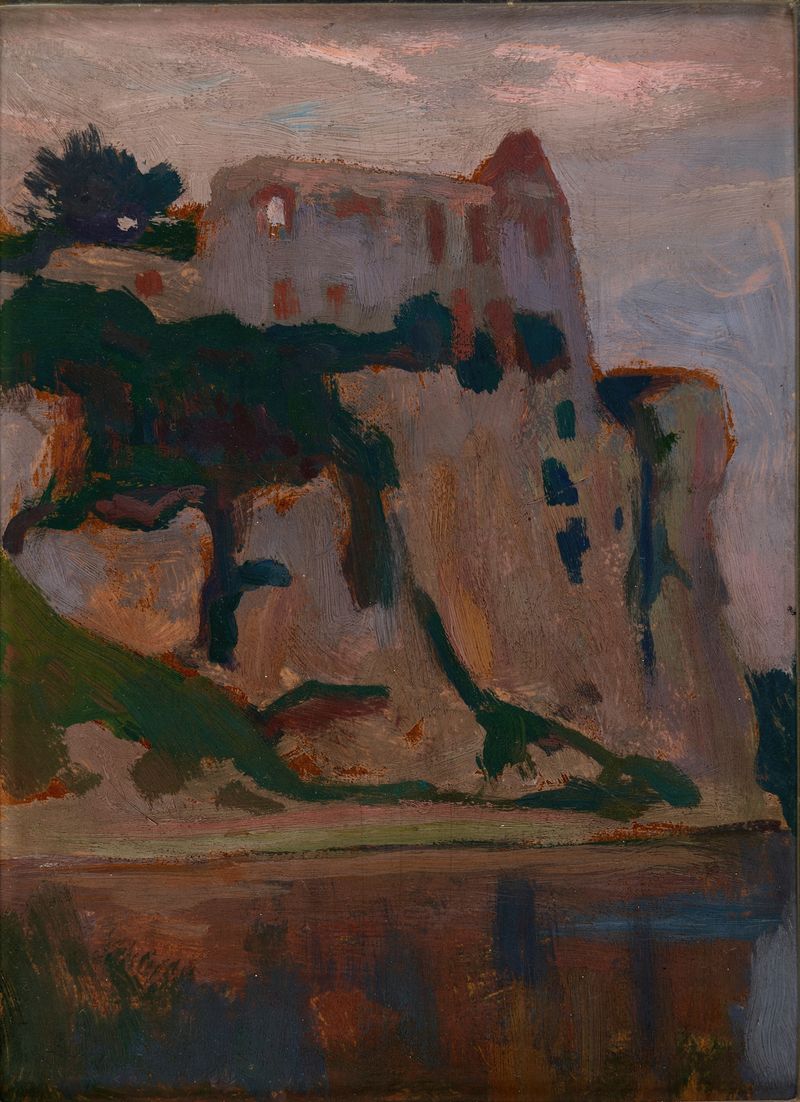
Tyniec at Dawn
Jan Stanisławski
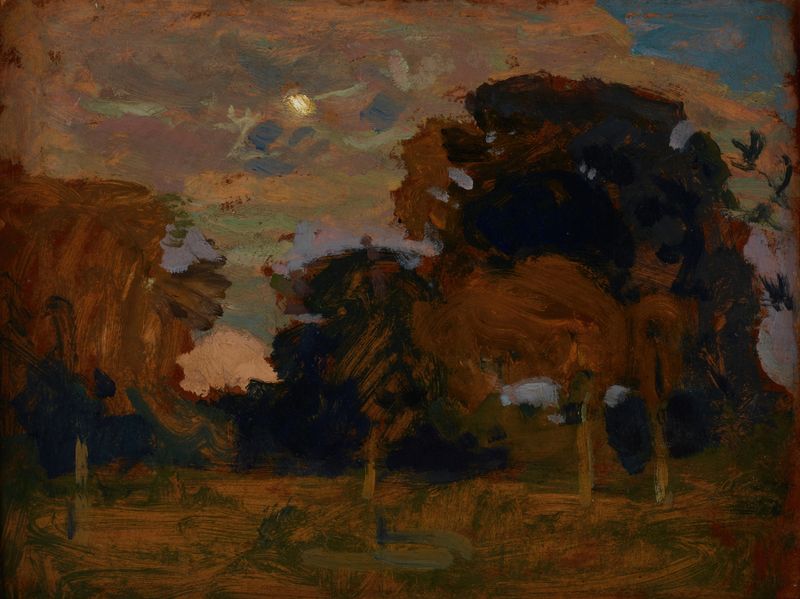
Moon in the Clouds
Jan Stanisławski
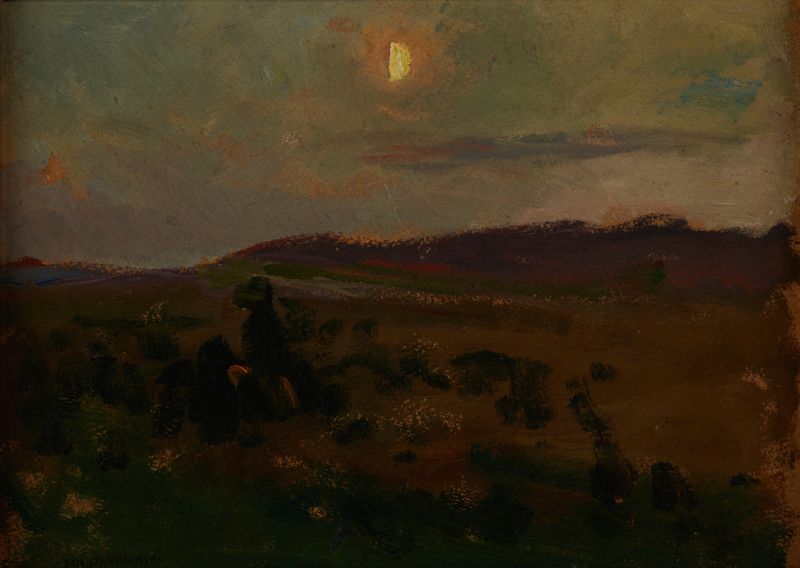
Moonrise
Jan Stanisławski
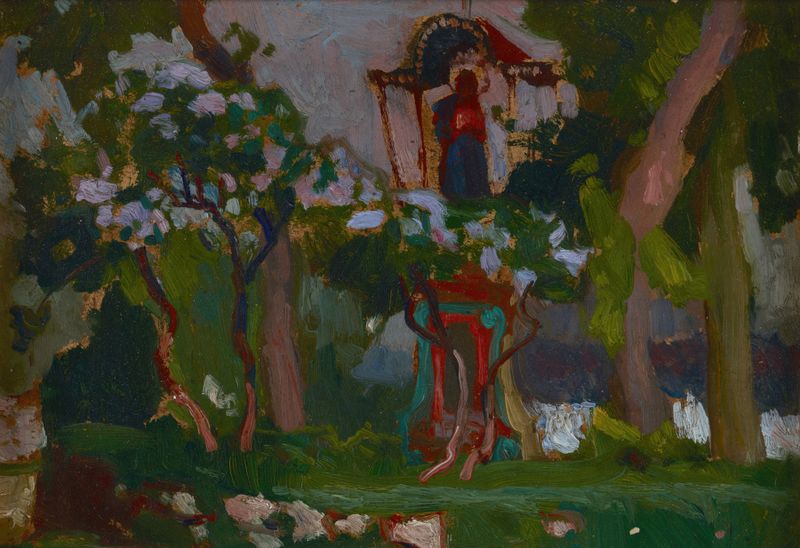
May
Jan Stanisławski
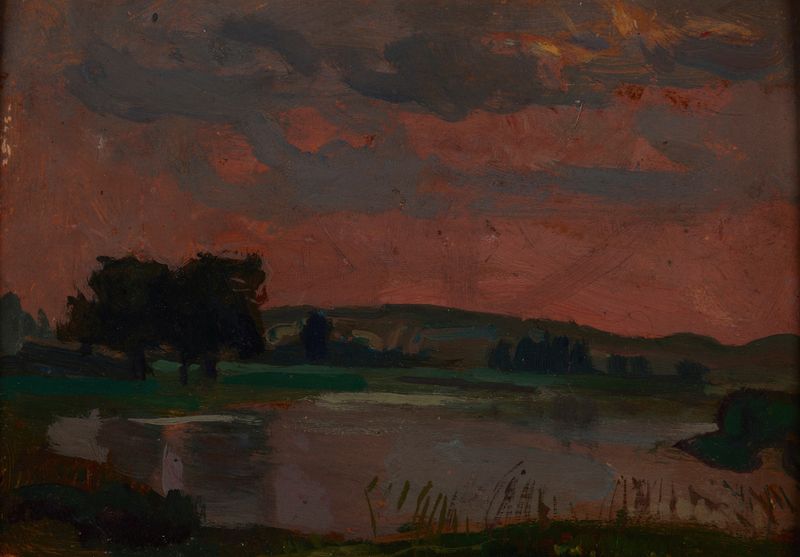
The Vistula in the Twilight
Jan Stanisławski
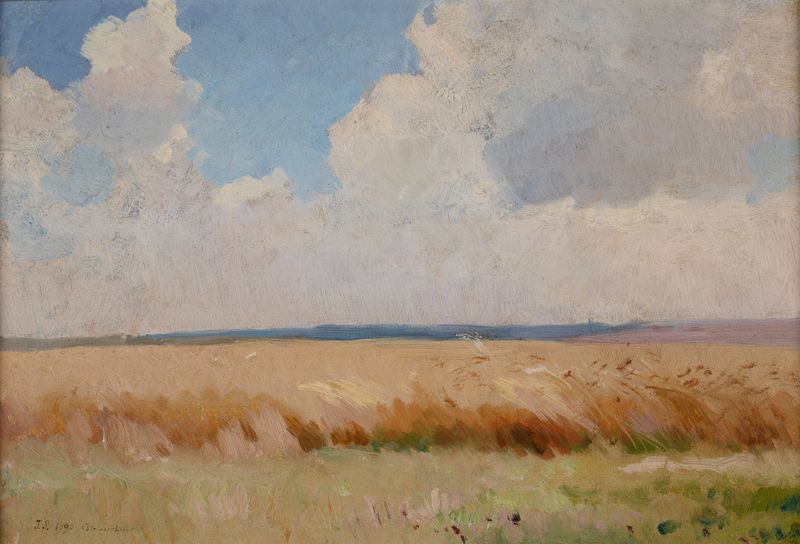
Field at Białocerkiew (Bila Tserkva)
Jan Stanisławski
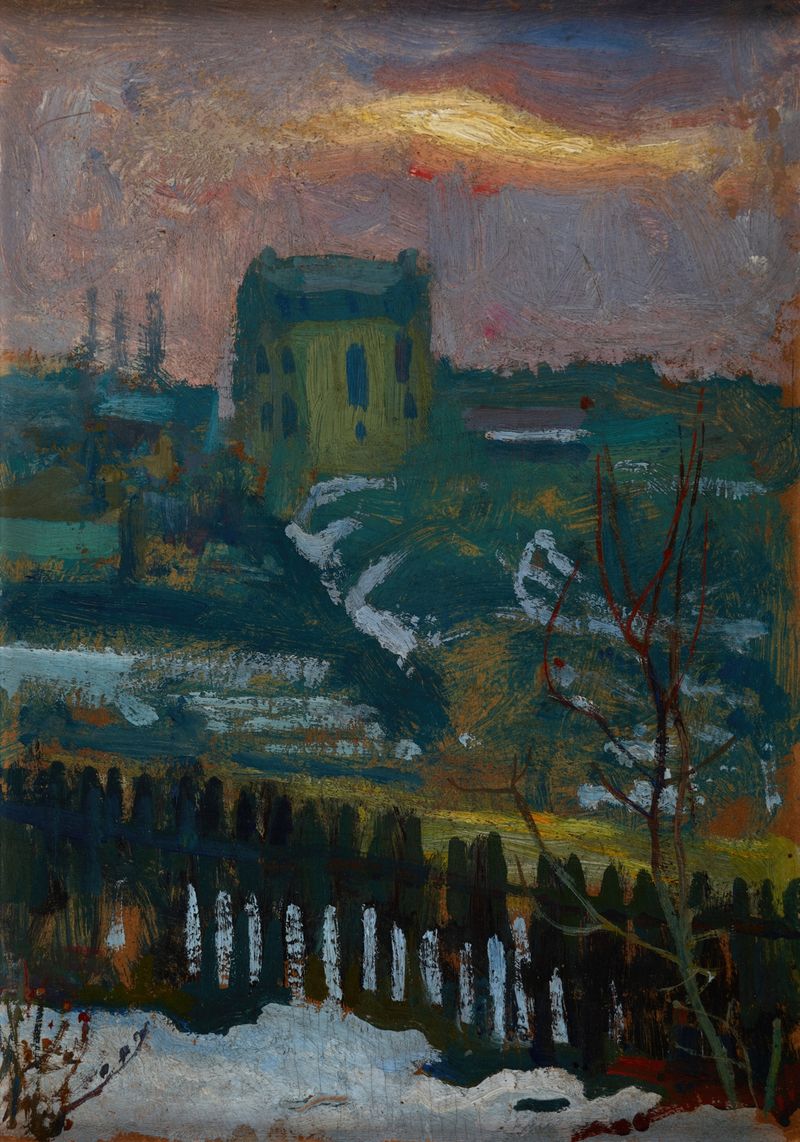
House in Winter
Jan Stanisławski
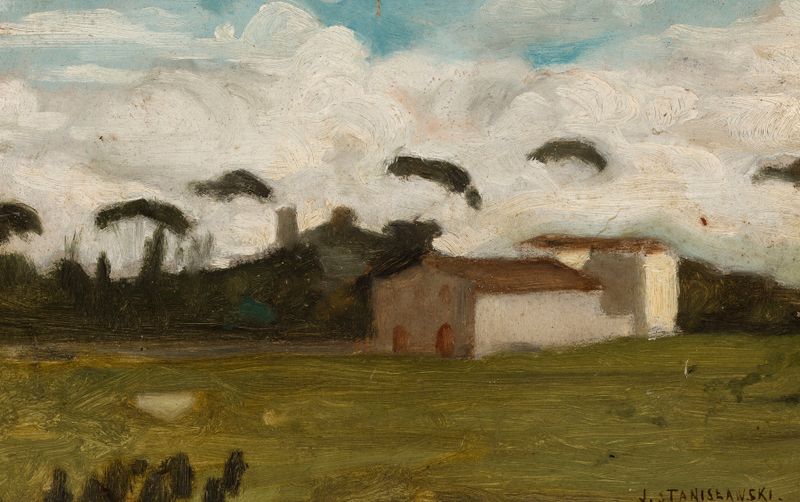
Landscape
Jan Stanisławski
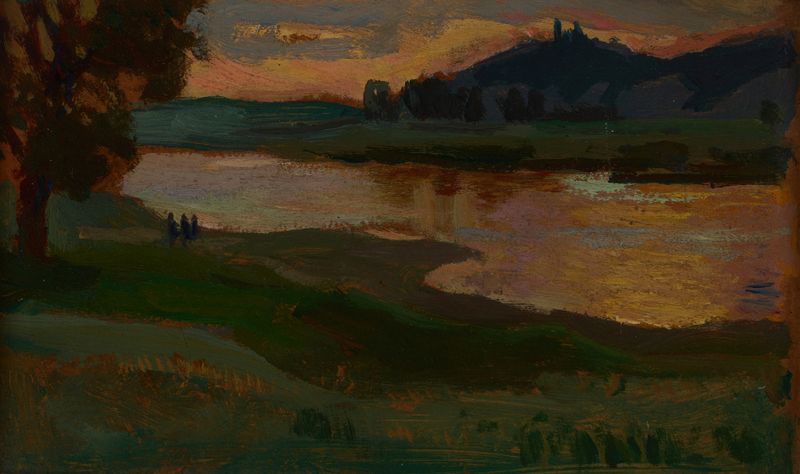
Bielany at Dusk
Jan Stanisławski
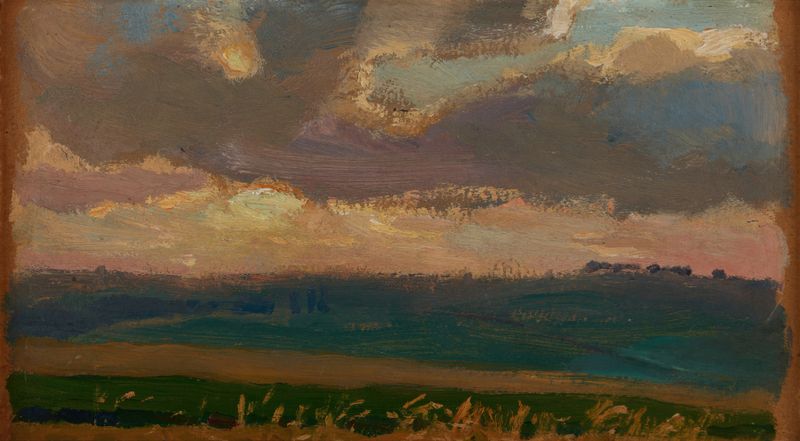
Fields at Proszowice
Jan Stanisławski





