
Moroccan riders at the foot of the Chiffrarots — History & Facts
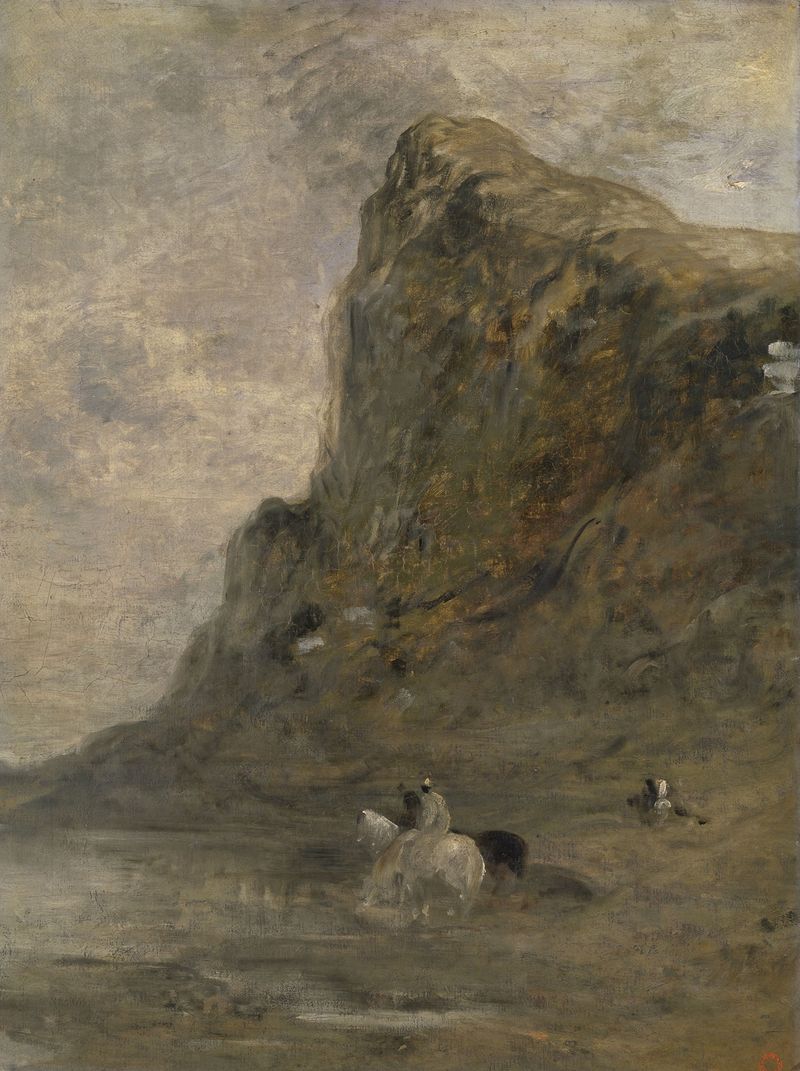
Could beauty survive in a century of chaos? This question reverberates through the vibrant hues and textured strokes of Moroccan Riders at the Foot of the Chiffrarots. In a world where tumult often reigns, Fromentin captures a fleeting moment that invites both admiration and reflection, urging viewers to seek the essence of longing amidst uncertainty. Focus on the center, where richly adorned riders atop their horses command attention against the sweeping backdrop of the Chiffrarots. The warmth of the sun bathes the scene in golden light, accentuating the intricate patterns of the riders' garments.
Notice how the rugged terrain contrasts with the elegance of the figures, while the bold blues and earthy tones intertwine, creating a harmonious balance that draws the eye deeper into the landscape. Along the edges, subtle details emerge—delicate shadows hint at the passage of time, while the riders' postures suggest a moment of contemplation before dusk. The juxtaposition of the riders' poised elegance against the harsh, imposing mountains evokes a sense of yearning, as if they stand at the crossroads of tradition and the inexorable changes of the modern world. Each brushstroke pulses with a quiet tension, revealing the artist's deep engagement with the themes of beauty and transience. Eugène Fromentin painted Moroccan Riders at the Foot of the Chiffrarots in 1850 during a period marked by the Romantic movement's exploration of exoticism and the sublime.
Living in Paris, Fromentin was captivated by the allure of North Africa, a fascination reflected in his art as he sought to convey the beauty and complexity of the landscapes and peoples he encountered. This work emerged at a time when artists began to embrace cultural diversity, challenging the conventions of their own world.
More Artworks by Eugène Fromentin
Browse all →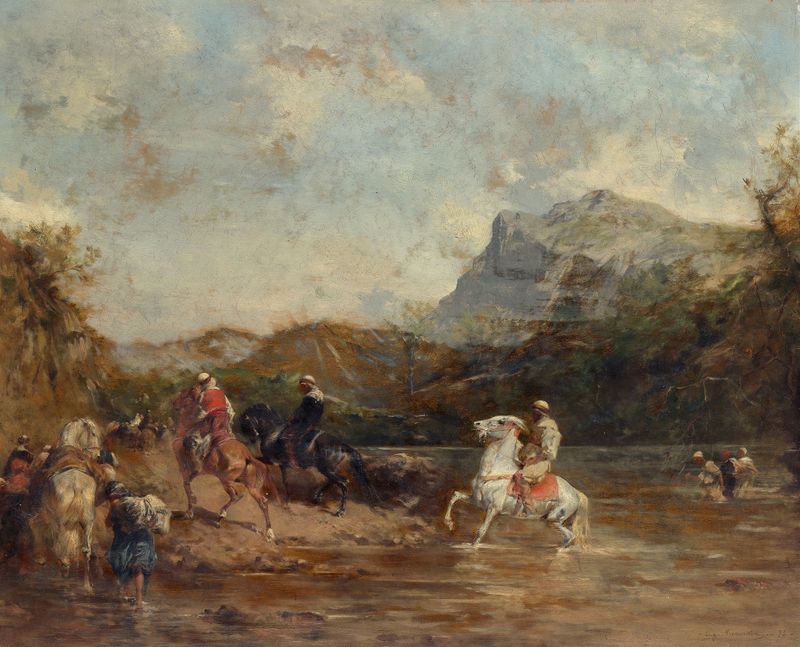
Arabs Crossing a Ford
Eugène Fromentin

Campement arabe dans les montagnes de l’Atlas
Eugène Fromentin

Falcon Hunt (‘Algeria Remembered’)
Eugène Fromentin

Women of the Ouled Nayls
Eugène Fromentin
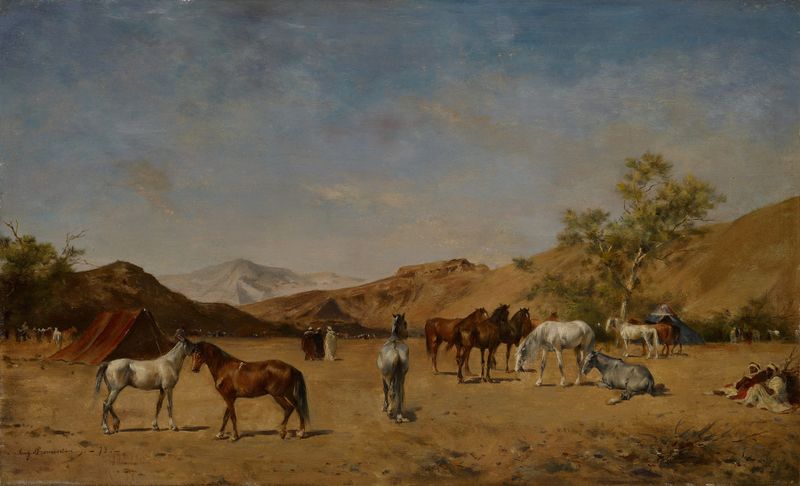
An Arabian Camp
Eugène Fromentin

On the Nile
Eugène Fromentin
Horsemen at the Foot of the Chiffa Cliffs
Eugène Fromentin
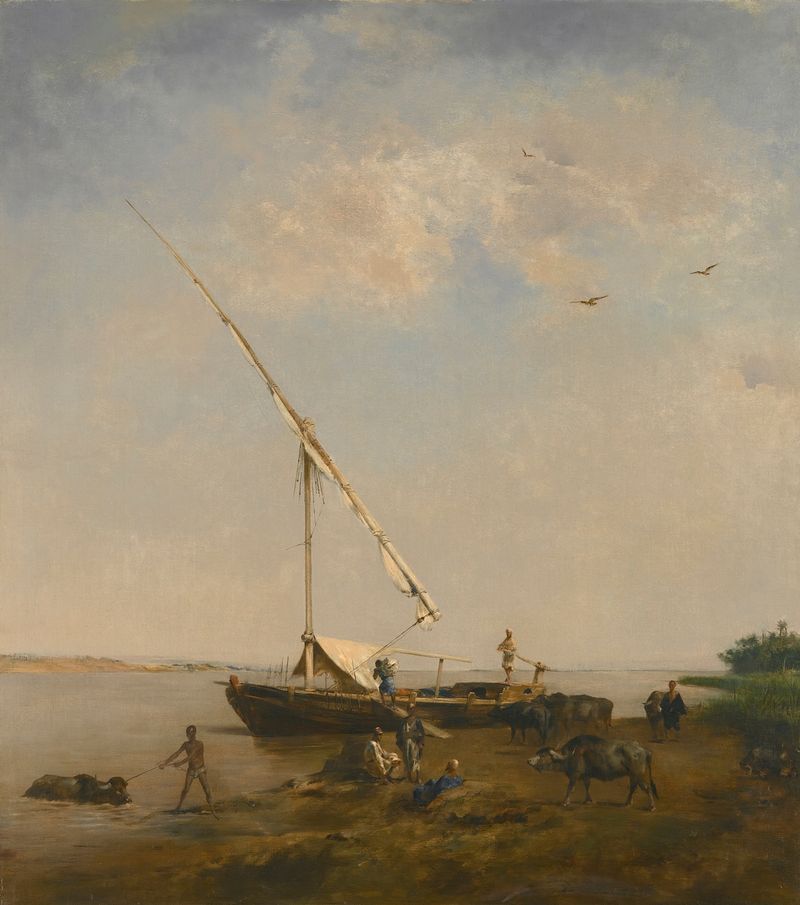
Felucca Au Bord Du Nil
Eugène Fromentin
On the Nile, Near Philae
Eugène Fromentin

Arabs watering their horses
Eugène Fromentin





