Morristown — History & Analysis
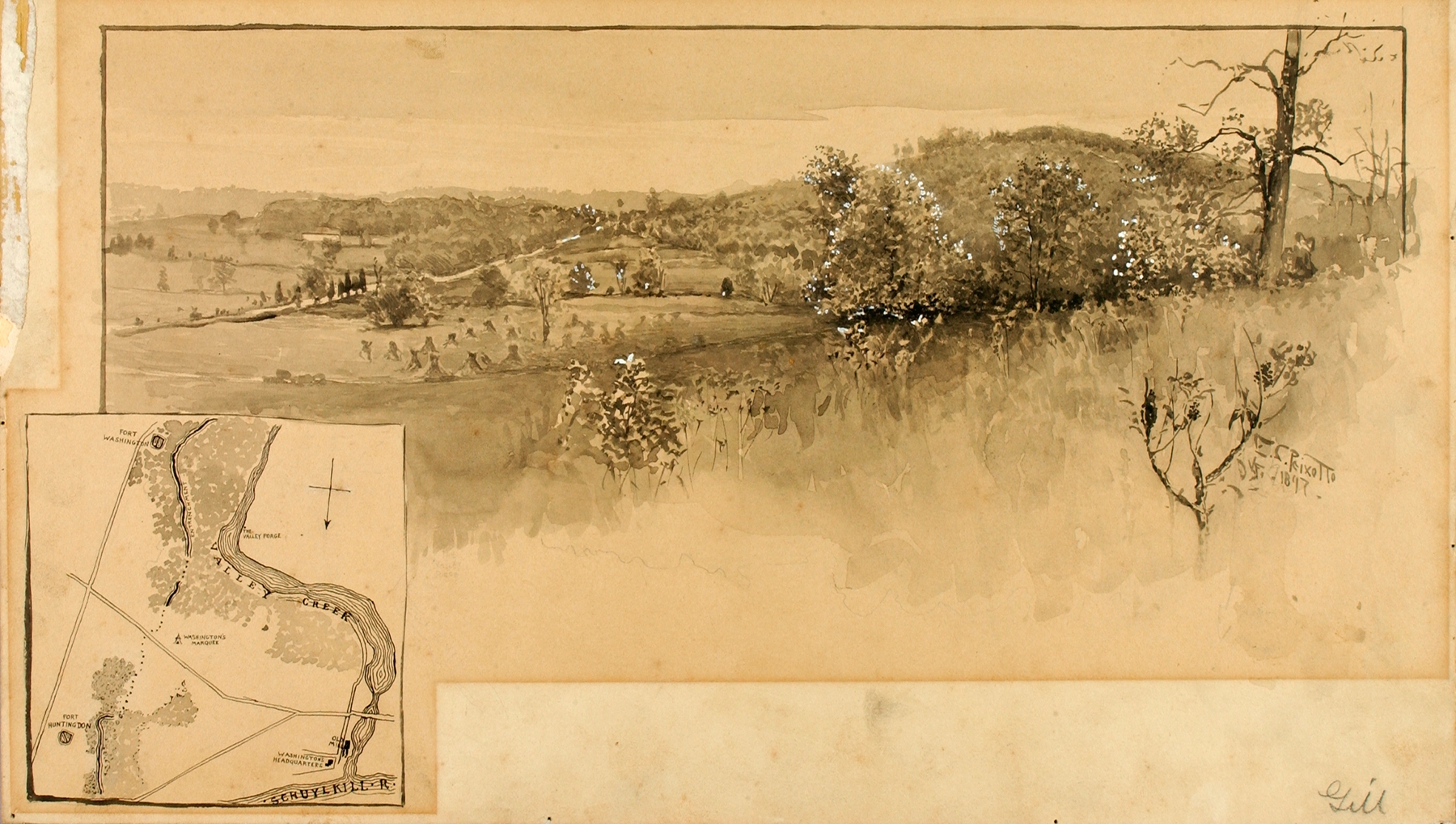
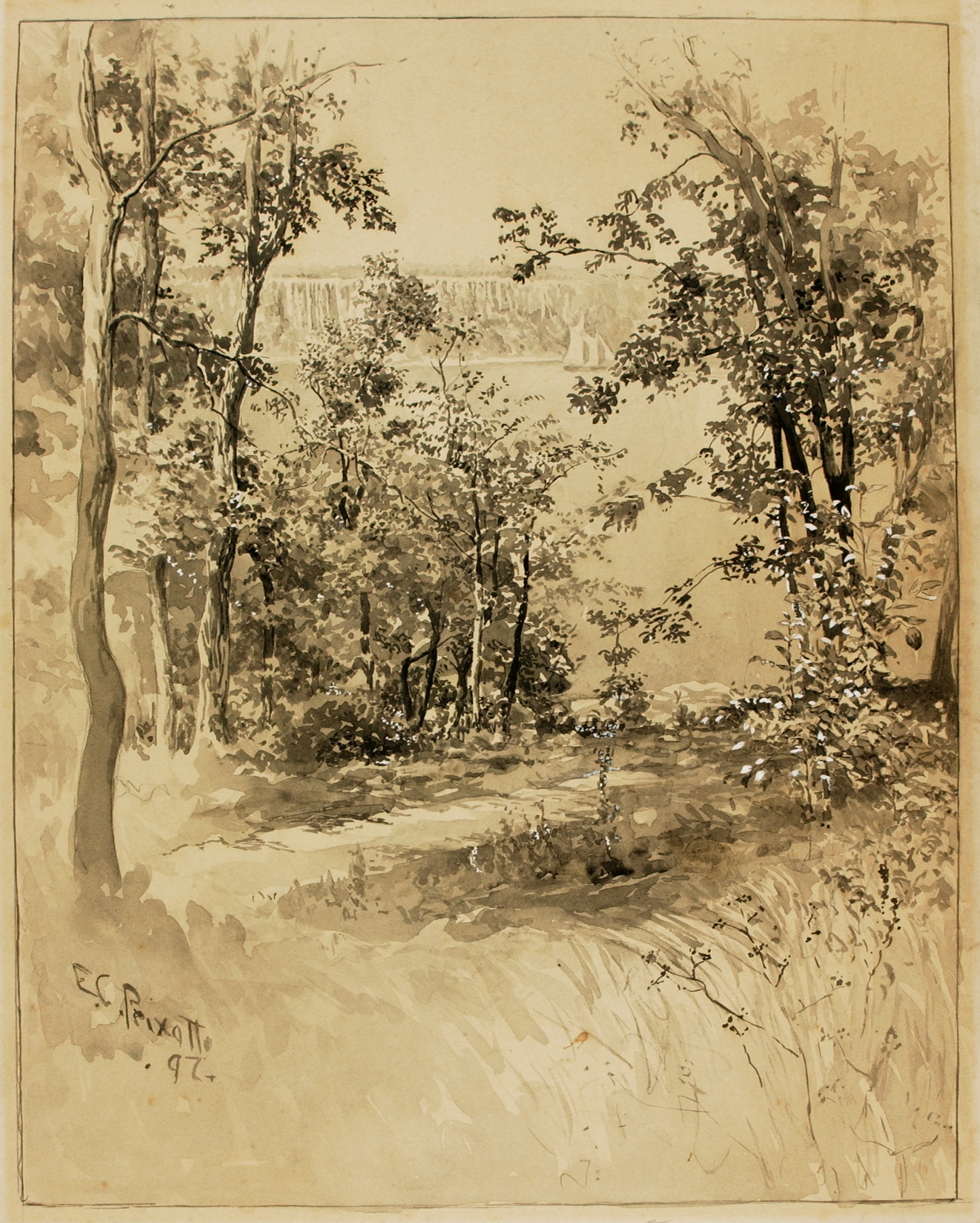
Did the painter know this moment would outlive them? Each brushstroke in Morristown captures the delicate interplay of time, memory, and transience, inviting us to ponder our own fleeting existence. Look to the left at the warm hues that bathe the quaint buildings, where sunlight dances upon the rooftops and reflects in the tranquil waters below. The artist's careful use of soft, yet vibrant colors creates a harmonious balance, drawing the viewer into this serene moment.
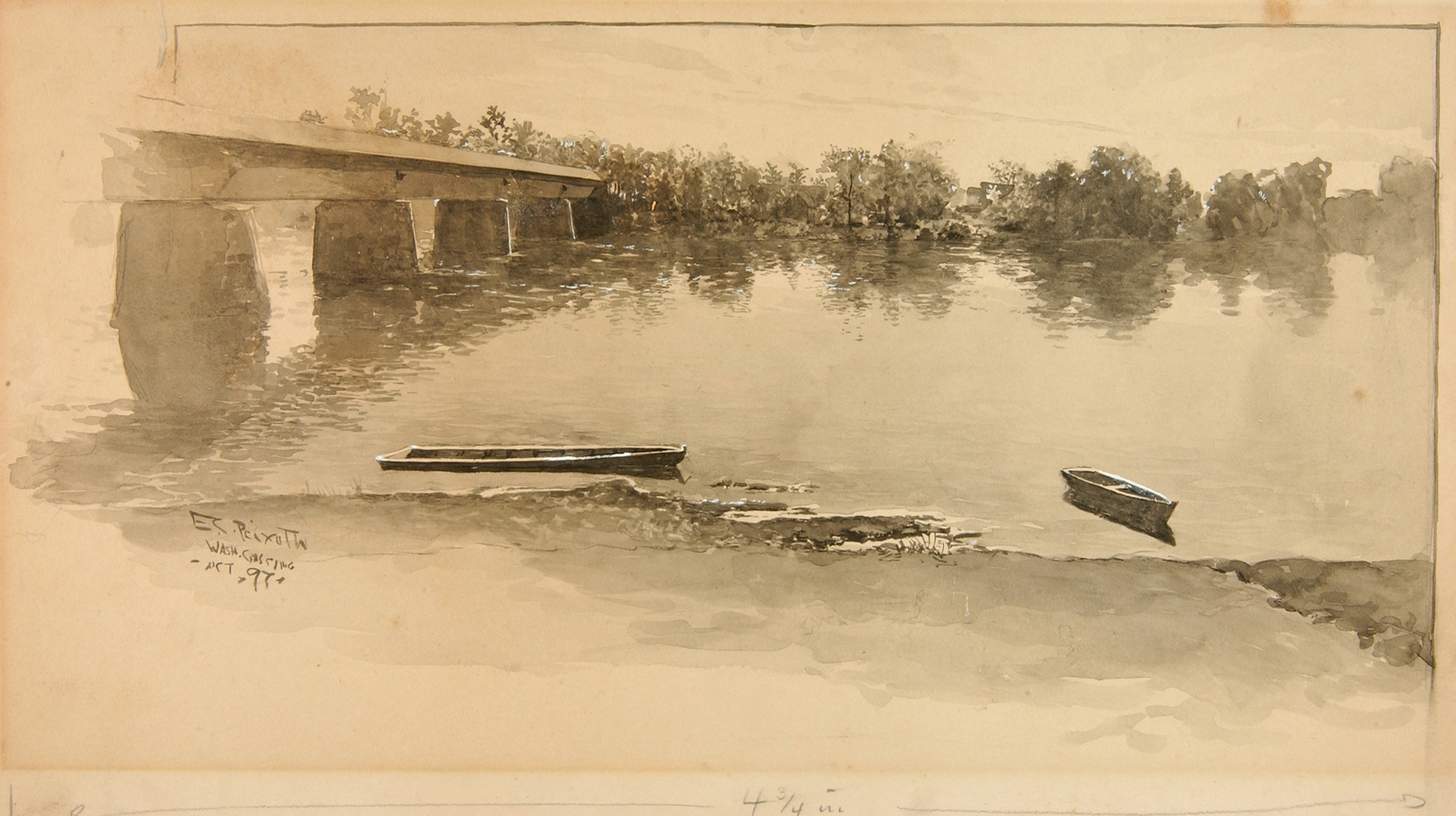
Notice the gentle ripples in the foreground, mirroring the structures above; they evoke a sense of calm while subtly hinting at the underlying currents of change in this idyllic setting. As you gaze deeper, consider the juxtaposition between the peaceful landscape and the solitary figure on the dock, seemingly lost in thought. The figure's stance suggests introspection, perhaps evoking feelings of nostalgia or anticipation. The blurred edges of the trees in the background symbolize the passage of time, as vibrant nature continues to flourish, even as human stories unfold quietly, often unnoticed.
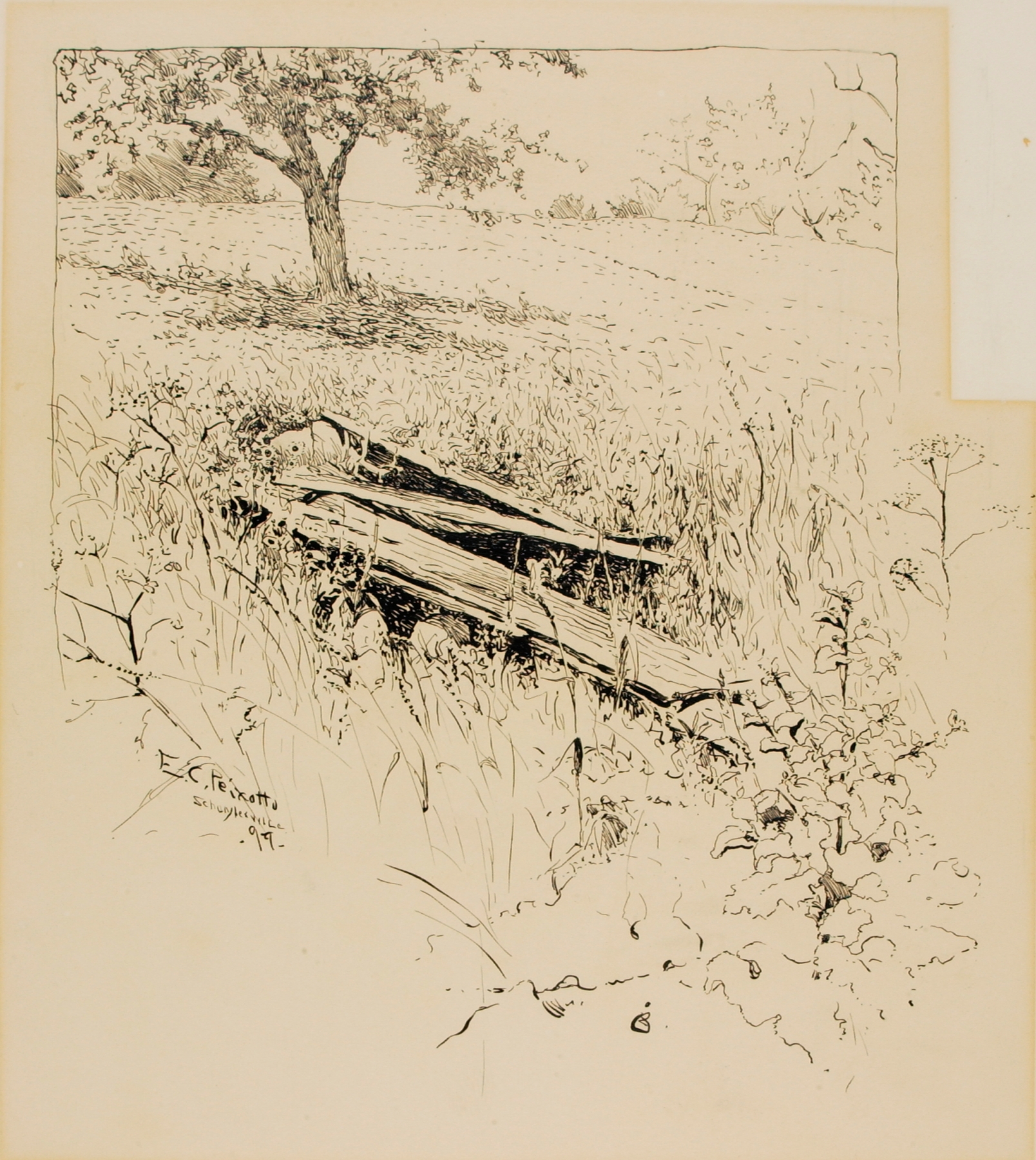
In 1898, Peixotto painted this scene during a period of artistic exploration and change in America, reflecting a burgeoning interest in Impressionism. Living in the midst of a rapidly industrializing country, he sought to capture the simpler beauty of everyday life. This desire for reflection and connection to the past would leave a lasting impact, ensuring Morristown resonates with viewers long after his brush had dried.