
Mount Cook — History & Facts
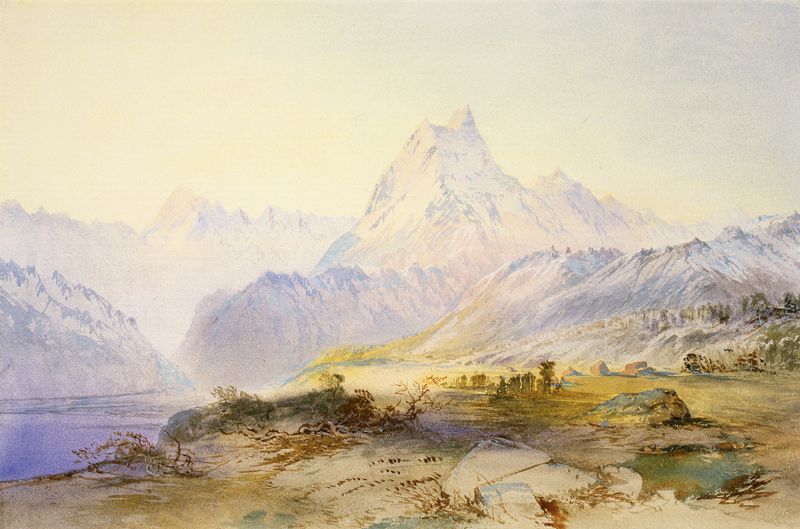
When did color learn to lie? In Mount Cook, the artist captures a landscape awash with an intoxicating palette that breathes life into the rugged mountains and sprawling valleys. Here, hues of ochre and emerald entwine in a dance, suggesting a world reborn in the glow of nature’s majesty. To fully appreciate this work, focus on the majestic peak of Mount Cook, rising triumphantly from the canvas. Notice how the crisp blues of the sky contrast sharply with the warm earth tones below.
The meticulous brushwork conveys both the sharpness of the mountain's granite and the softness of the surrounding foliage, inviting the viewer to immerse themselves in this serene yet powerful landscape. The light seems to shift across the scene, emphasizing the grandeur of the mountain with each passing moment. Beneath the surface, Mount Cook resonates with themes of rebirth and resilience. The way the sunlight touches the mountain’s summit conveys a sense of hope and renewal, suggesting that even the most formidable obstacles can be overcome.
The painter’s choice to highlight the verdant valleys signifies growth and vitality, contrasting the stark, imposing presence of the peak, which stands as a testament to nature’s endurance against the ravages of time. In 1872, John Gully painted Mount Cook during a period of exploration and admiration for the New Zealand landscape. He was inspired by his travels, capturing the essence of the land while contending with the burgeoning European artistic movements that sought to depict the natural world with greater authenticity. During this time, the public’s fascination with the wilderness and the sublime was blossoming, pushing artists like Gully to explore the untamed beauty and spiritual resonance of their surroundings.
More Artworks by John Gully
Browse all →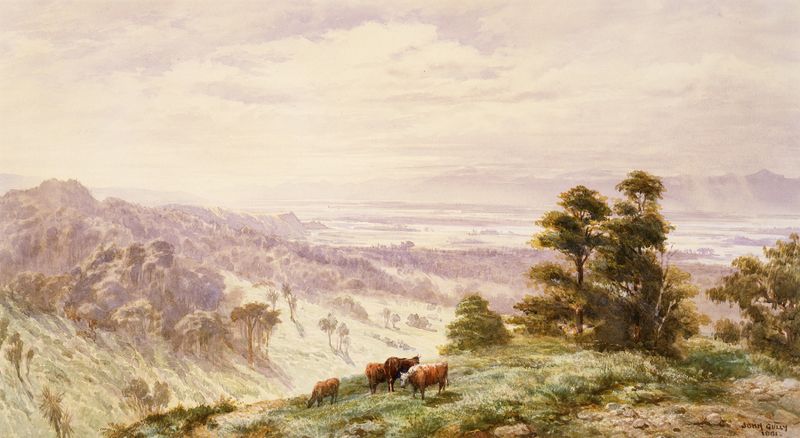
Landscape [Waimea Plains, Nelson]
John Gully
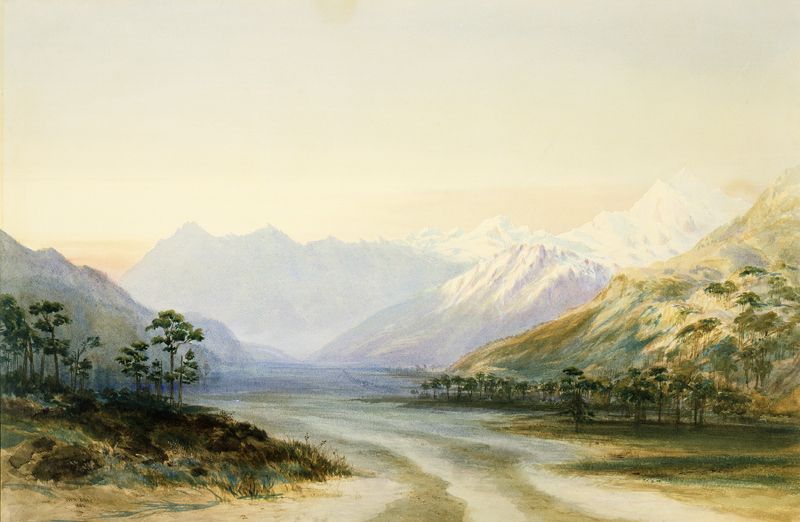
Mount Cook
John Gully
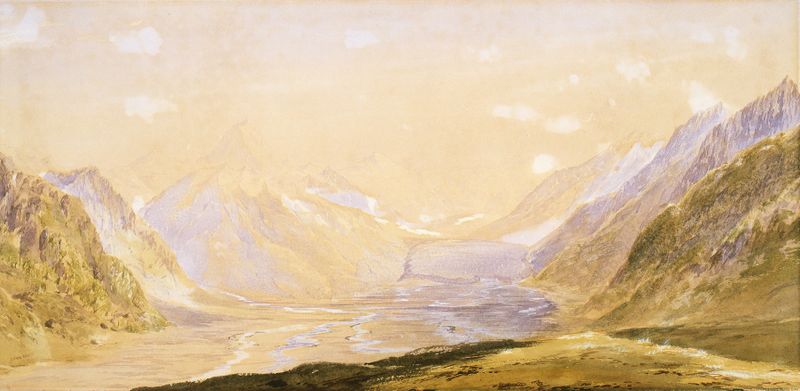
Mount Cook and the Tasman Glacier
John Gully
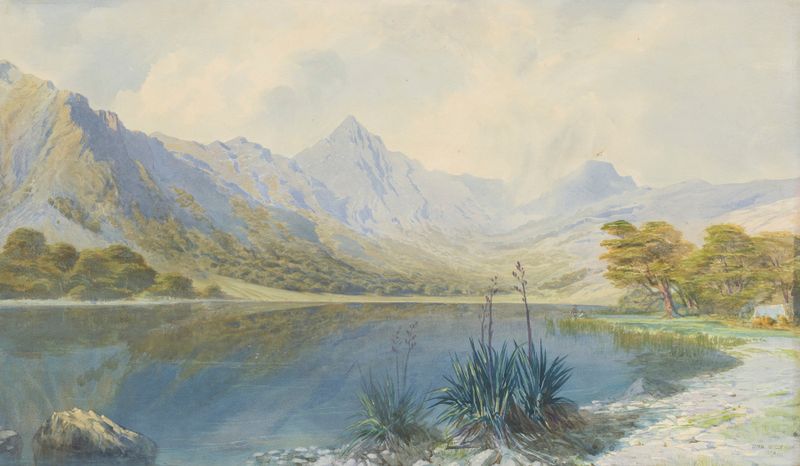
Lake scene (Lake Te Wharau)
John Gully
Mount Cook
John Gully

Tongariro, Ngauruhoe and Ruapehu, Central North Island
John Gully

Lake Wakatipu
John Gully

New Zealand bush scene
John Gully
Upriver scene, Wanganui
John Gully

Paekakariki
John Gully





