
Mountain landscape — History & Facts
Could beauty survive in a century of chaos? The question resonates deeply within a work that captures both the tranquility of nature and the weight of human emotion. In the midst of turmoil, art stands as a refuge, whispering secrets of solace and loss. Look to the left, where rugged peaks rise majestically against a soft, azure sky. The artist's brushstrokes breathe life into the mountains, their textured surfaces creating a vivid interplay of light and shadow.
Notice how the foliage in the foreground flourishes in deep greens, contrasting with the muted earth tones that dominate the landscape. Each hue is purposeful, drawing the eye toward the majestic heights that evoke both awe and introspection. Delve into the details: the gentle caress of clouds that conceal and reveal the mountain tops symbolizes the transient nature of beauty, forever shadowed by the possibility of loss. The depth of color, from the vibrant greens to the somber browns, reflects a tension between hope and despair.
Here lies a moment suspended in time, urging viewers to confront the duality of existence—where chaos looms, yet serenity persists. In 1907, Ślewiński painted this piece during a period of significant upheaval in Europe, as political tensions foreshadowed the coming storm of World War I. Living in France, he absorbed the influences of Impressionism while exploring themes of nature. His artistic journey mirrored the complexities of his time, capturing not only the beauty of landscapes but also the fragility of existence amidst inevitable change.
More Artworks by Władysław Ślewiński
Browse all →
Rough sea
Władysław Ślewiński
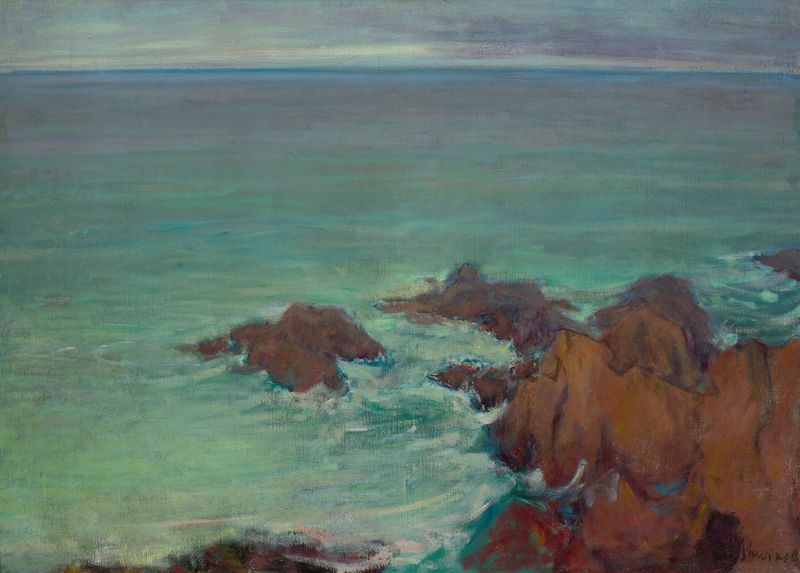
Sea in Brittany
Władysław Ślewiński
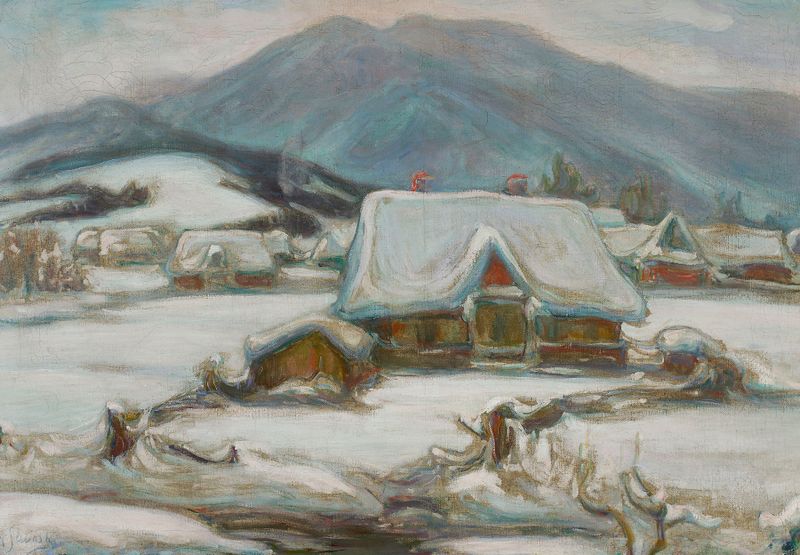
Cottages in the snow
Władysław Ślewiński

Sea
Władysław Ślewiński

Waves in a rocky bay
Władysław Ślewiński

Sea with white waves
Władysław Ślewiński
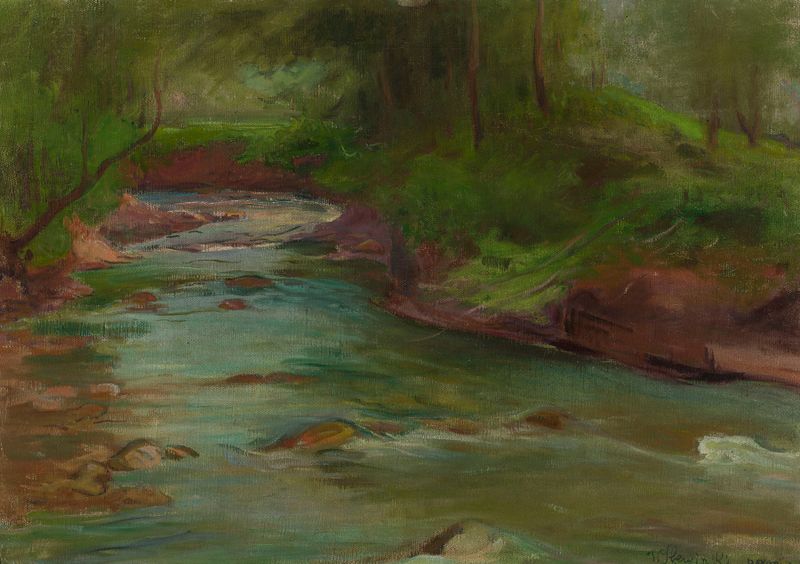
Mountain stream – in the Tatra Mountains below Mt Nosal
Władysław Ślewiński
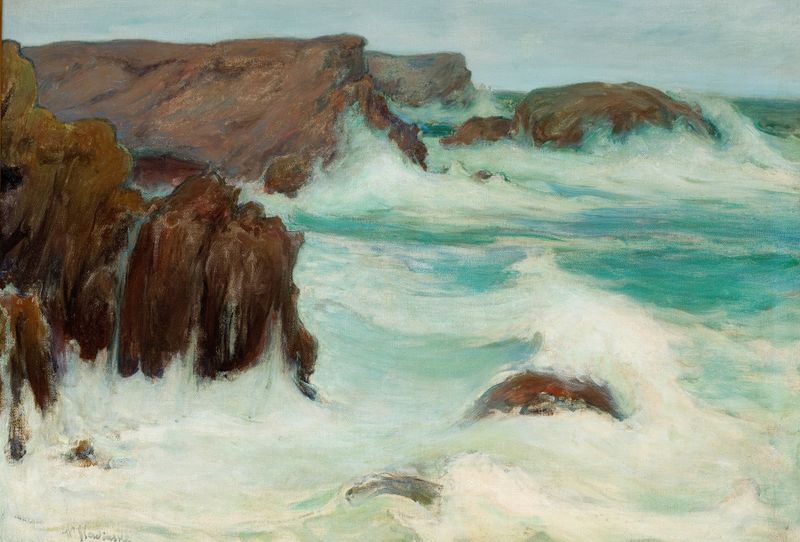
The Sea in Brittany
Władysław Ślewiński

A Coastal Landscape
Władysław Ślewiński

Sea at night
Władysław Ślewiński





