
Mountain mill — History & Facts
Can beauty exist without sorrow? In the delicate brushstrokes of a serene mountain landscape, one might question whether tranquility can exist alongside the madness of human experience. Look to the left at the quaint mill, nestled amidst rugged peaks, its wooden structure standing resolute against the backdrop of towering mountains. Notice how the gentle hues of green and brown intermingle with the bright blues of the sky, inviting the viewer into a world where nature soothes yet isolates. The soft light cascading over the scene reveals the intricacies of the mill's architecture, while the swirling clouds overhead hint at a brewing storm, suggesting an underlying tension that lies just beneath the surface. The juxtaposition of the idyllic surroundings and the solitary mill evokes a sense of longing and introspection.
The artist captures not only the beauty of the landscape but also the isolation that can accompany such serenity. This tension resonates in the viewer’s heart, where peace and madness coexist, whispering stories of those who seek solace in beauty yet grapple with the shadows of their own minds. Created in the 19th century, the period during which this painting emerged was marked by the Romantic movement, which celebrated the sublime and the emotional depths of the human experience. Carl Spitzweg, often regarded for his ability to convey the poetic essence of everyday life, painted this piece amidst a time of burgeoning industrialism.
The world was rapidly changing, and artists like him navigated the complexities of nature, solitude, and the human condition, weaving these themes into their work.
More Artworks by Carl Spitzweg
Browse all →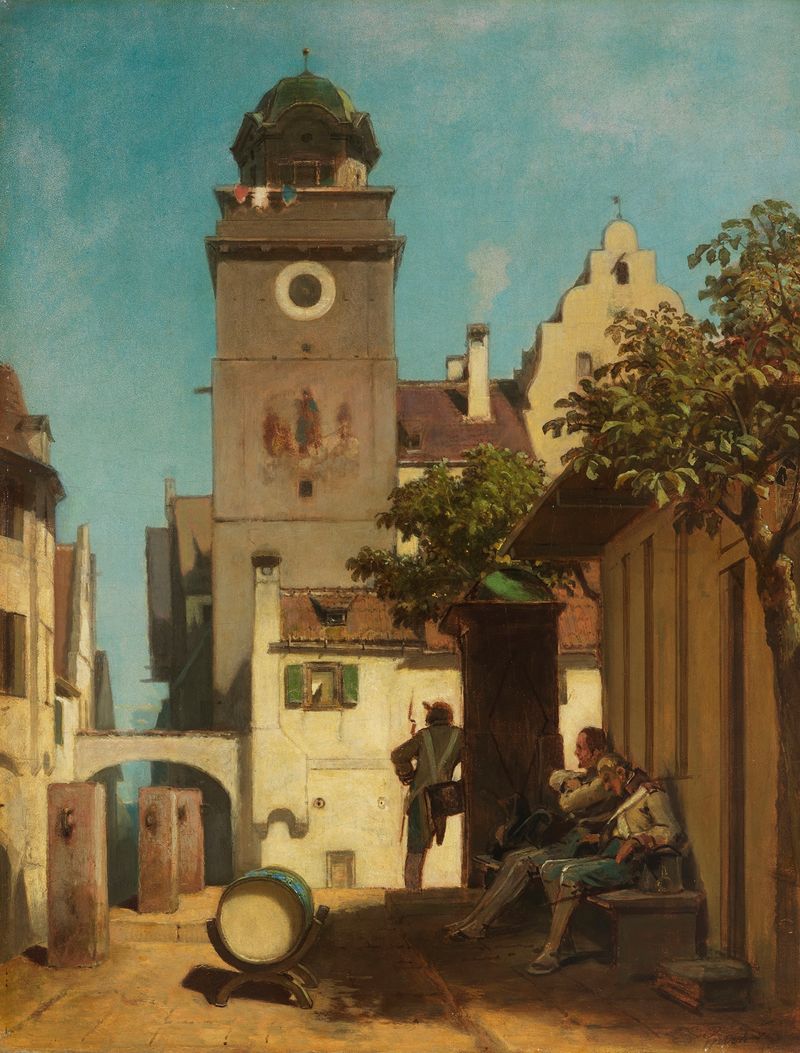
Die Stadtwache
Carl Spitzweg
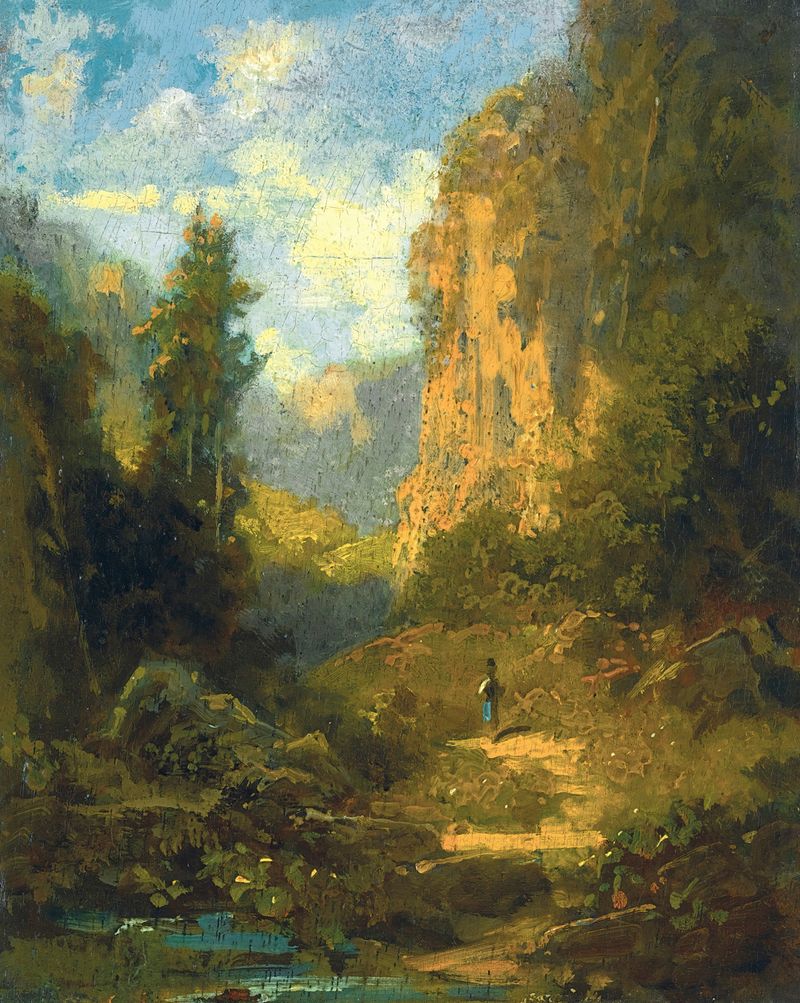
Gebirgslandschaft
Carl Spitzweg

In the Alpine High Valley (Landscape with Mt. Wendelstein)
Carl Spitzweg

Gebirgsmühle
Carl Spitzweg
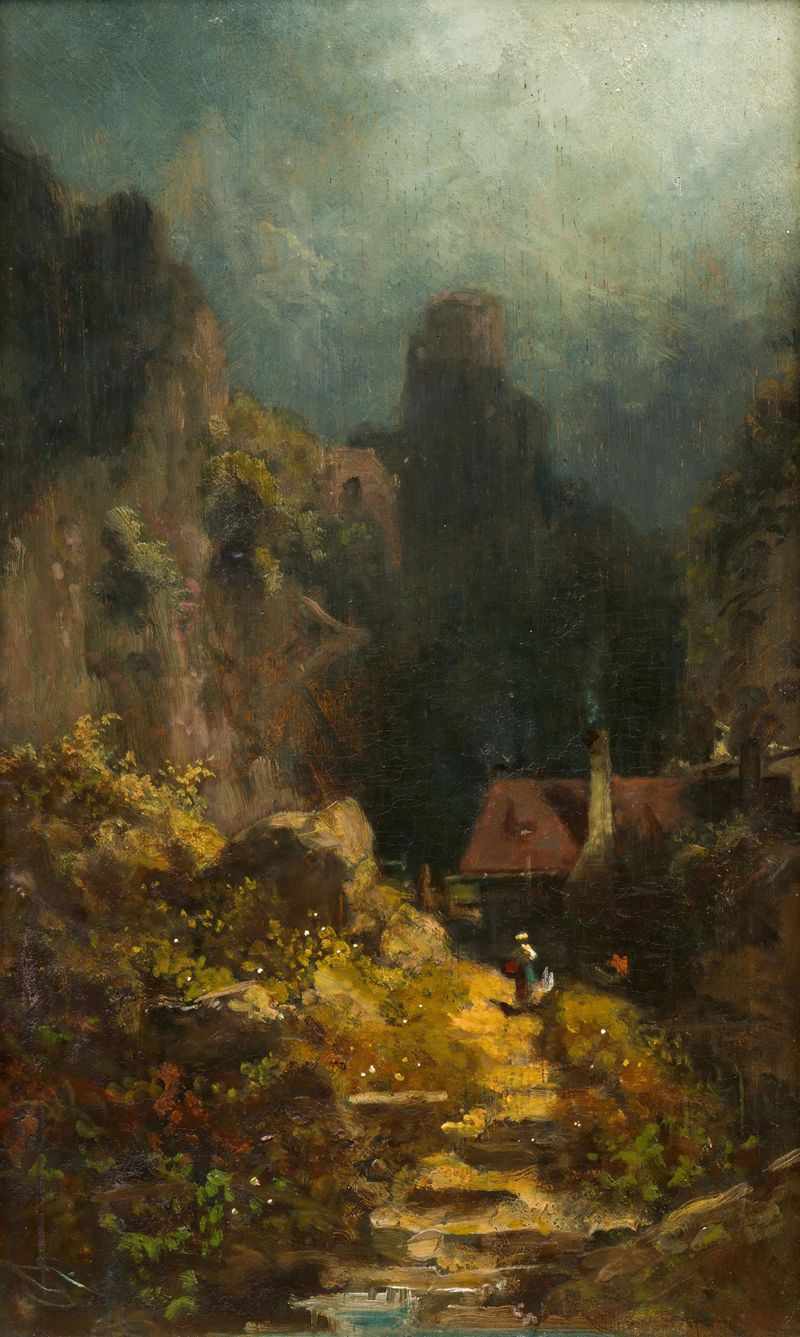
In der Schlucht
Carl Spitzweg
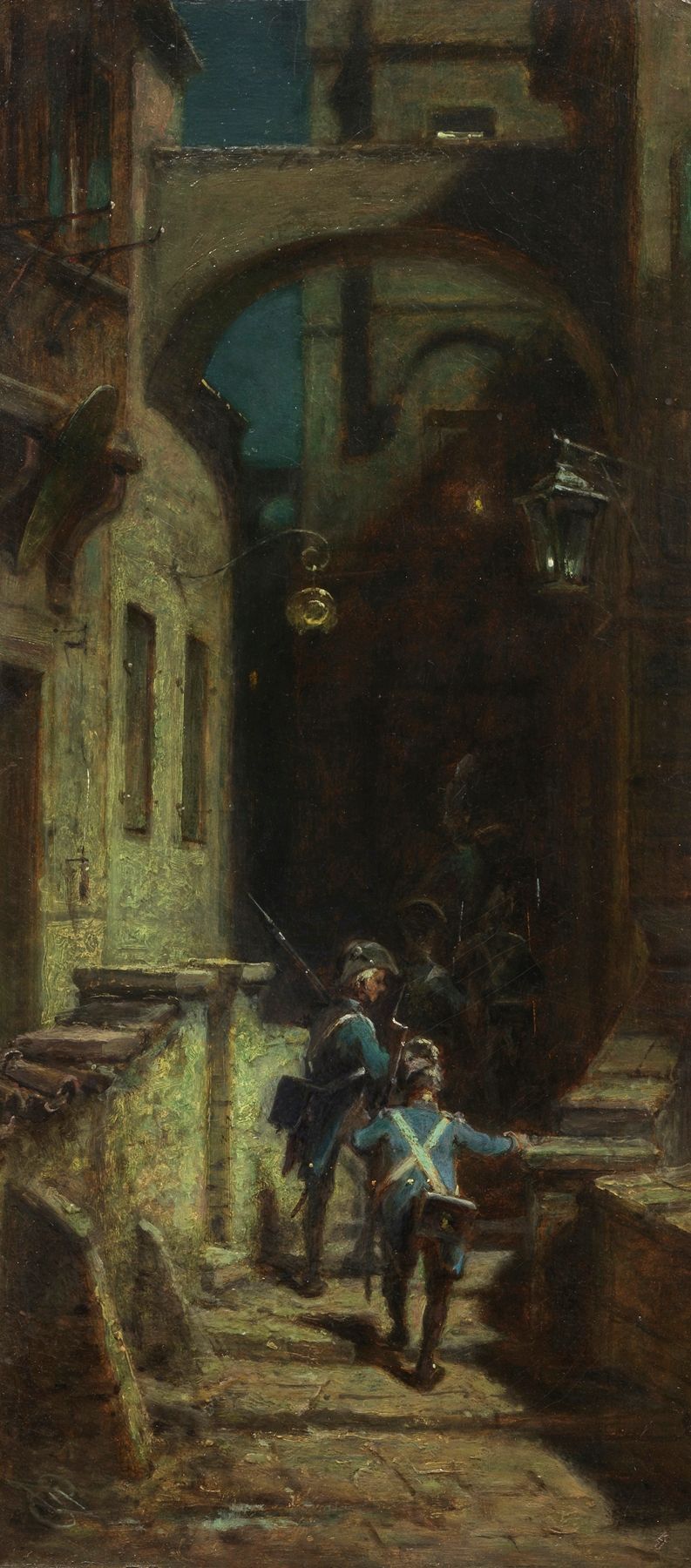
Die Scharwache
Carl Spitzweg

Einsiedler mit Mädchen
Carl Spitzweg

Lagernde Karrner (Rast der Streuner)
Carl Spitzweg
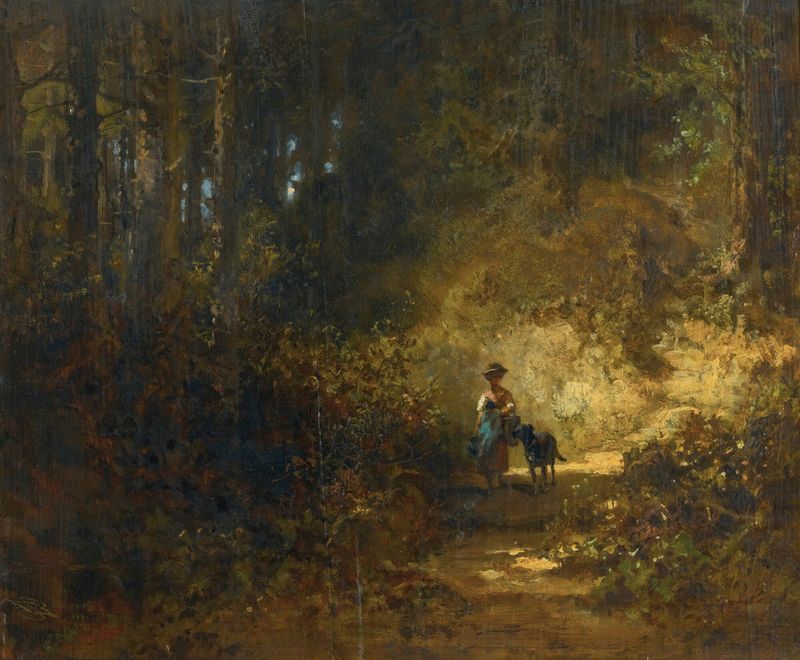
Im Walde
Carl Spitzweg
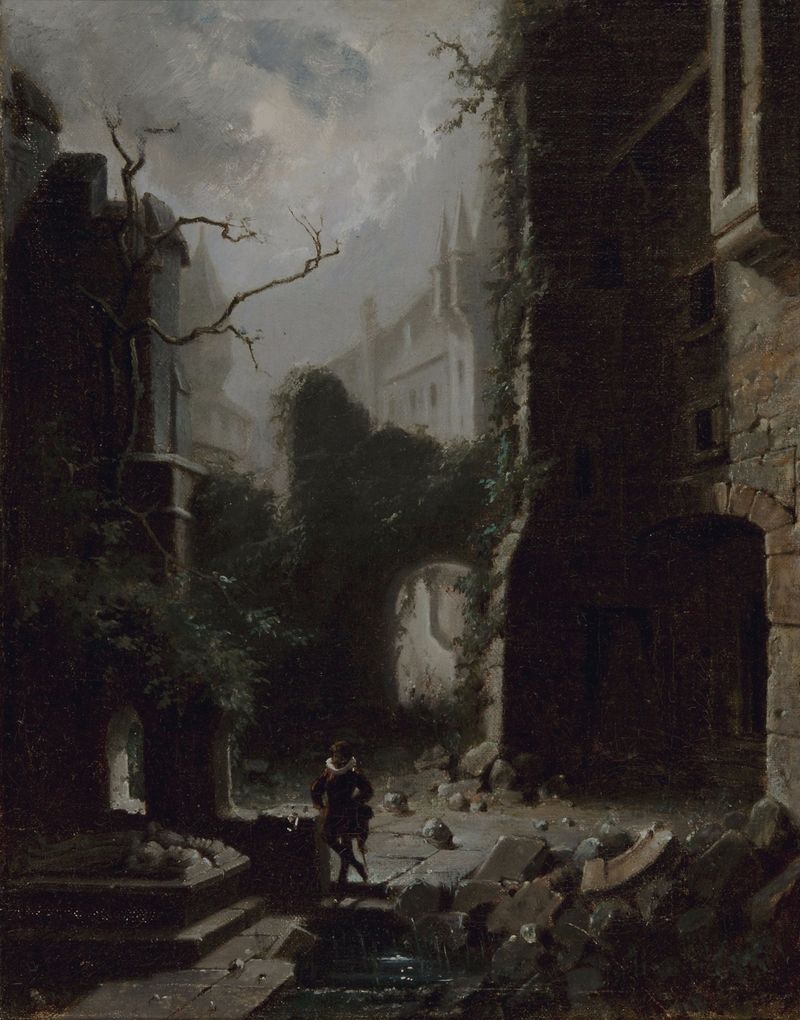
Moonlit Scene with Castle Ruins
Carl Spitzweg





