
Mountainous Landscape with a Fortress — History & Facts
It is in the quiet expanse of nature that awe resides, waiting to be discovered in the interplay of light and shadow. Look to the left at the intricate fortress, its stone walls solid against the backdrop of rolling hills. The artist’s deft brushwork captures the rough terrain, each stroke conveying both the ruggedness of the mountain and the ethereal glow of dawn. Notice how the soft greens of the hills meld with the hues of the sky, a palette that communicates tranquility yet hints at the power of the landscape. Beneath the surface, contrasts emerge: the steadfastness of the fortress juxtaposed with the fleeting beauty of nature.
The looming mountains, towering and majestic, evoke the vastness of human ambition and the insignificance of man within this grandeur. Subtle details, such as the wisps of cloud embracing the peaks, create a sense of movement that challenges the stillness of the scene, suggesting that change is the only constant in both nature and existence. In 1760, while residing in England, Paul Sandby painted this piece amid the rise of the picturesque movement, where artists began focusing on nature's beauty as an expression of artistic emotion. It was a time of exploration and inspiration, as Sandby, known for his innovative landscapes, sought to capture the profound connection between humanity and the sublime wonders of the natural world.
More Artworks by Paul Sandby
Browse all →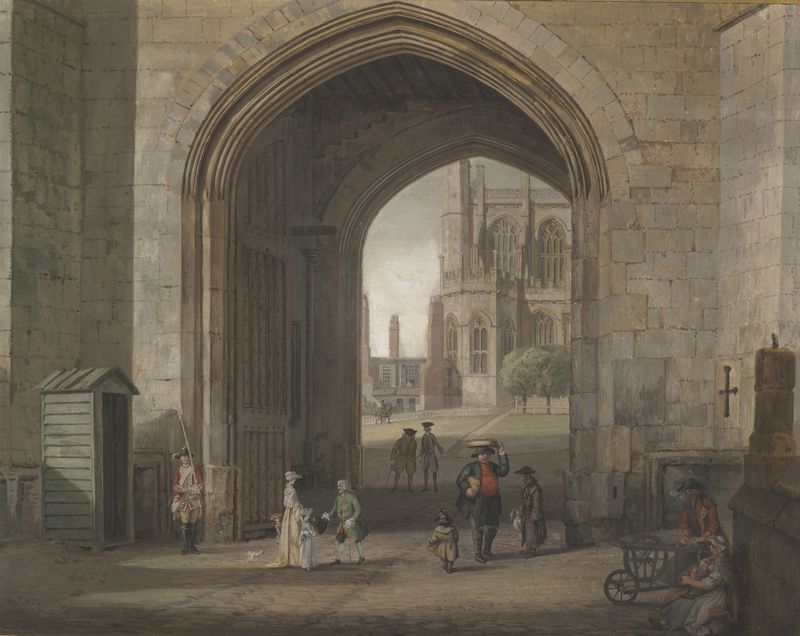
The Tower Gate at Windsor Castle
Paul Sandby

A Distant View of Maidstone, from Lower Bell Inn, Boxley Hill
Paul Sandby
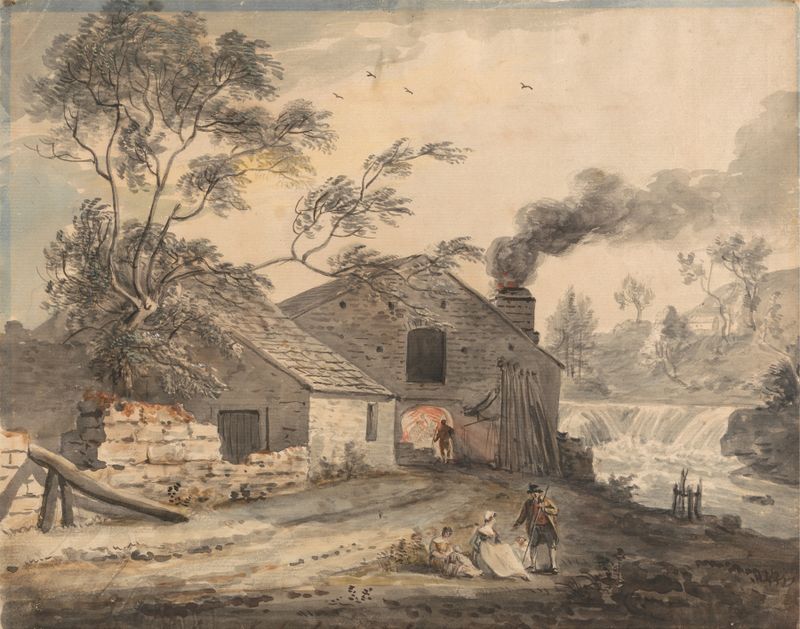
Iron Forge on the River Kent, Westmorland
Paul Sandby
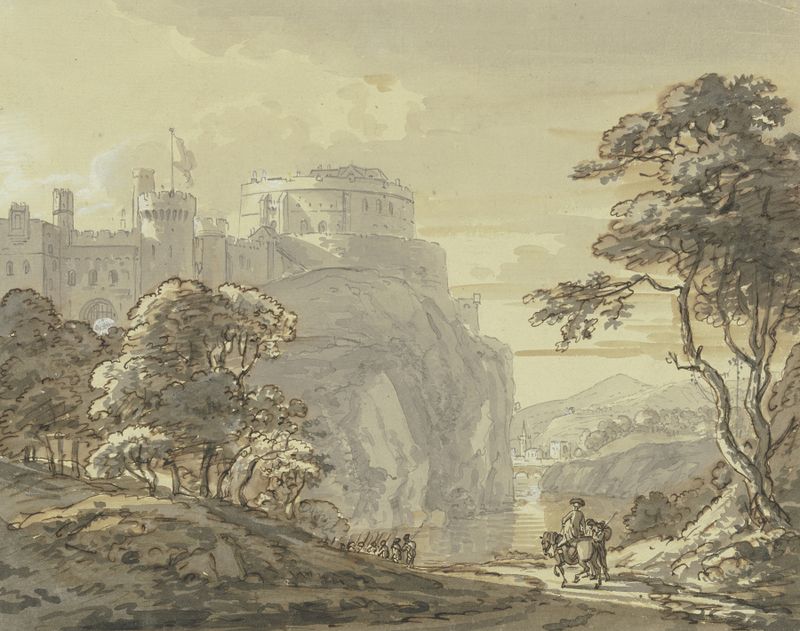
View of Windsor Castle
Paul Sandby

Hackwood Park, Hampshire
Paul Sandby

Roslin Castle, Midlothian
Paul Sandby
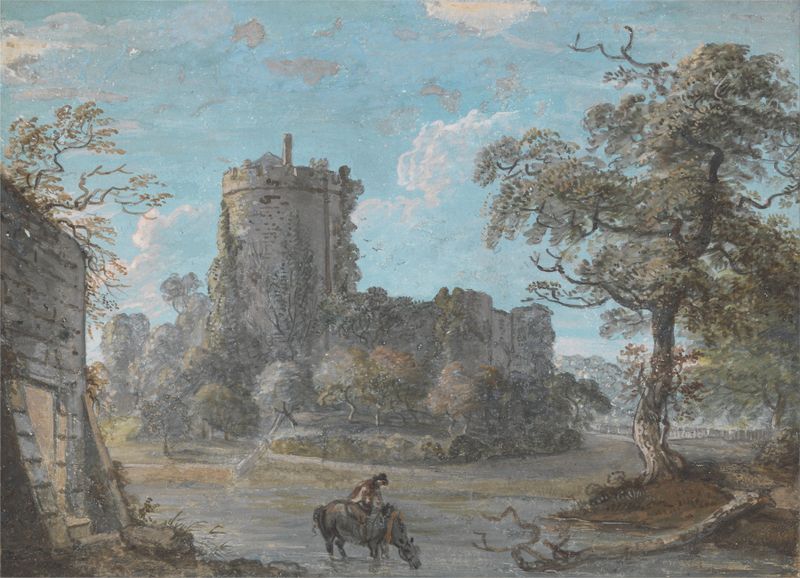
The Entrance to Chepstow Castle
Paul Sandby
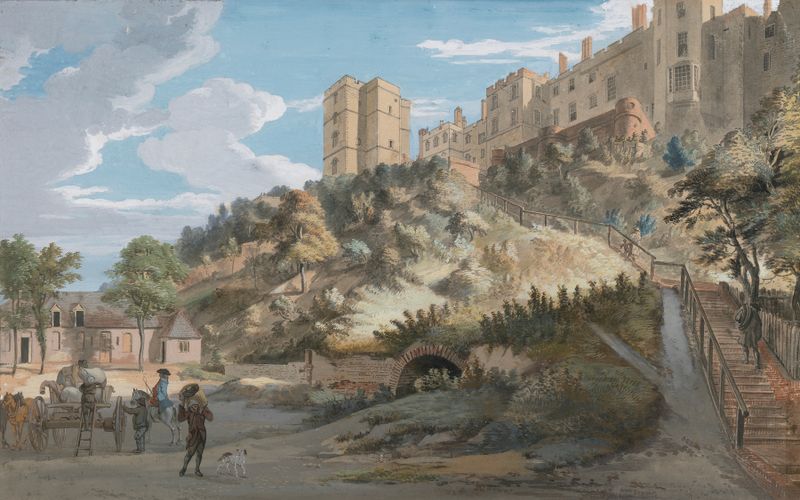
The Hundred Steps and Winchester Tower, Windsor Castle, Berkshire
Paul Sandby

Brook End, Essex
Paul Sandby
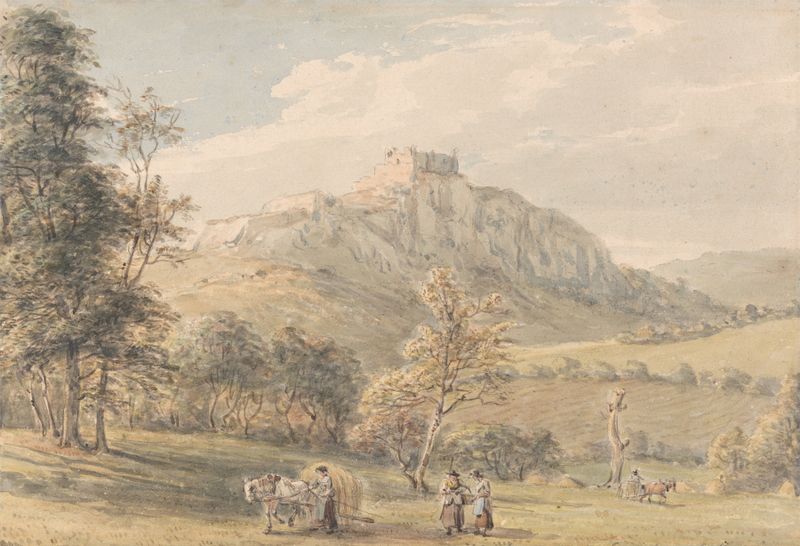
Carreg Cennen Castle
Paul Sandby





