
Mounted Trumpeters of Napoleon's Imperial Guard — History & Facts
In 1813, as the Napoleonic Wars raged across Europe, the young Théodore Géricault—not yet 22—chose to paint the most flamboyant and elite cavalrymen in France: the Mounted Trumpeters of Napoleon’s Imperial Guard. These musicians were more than mere heralds; their uniforms, a riot of scarlet and gold, were designed to dazzle both friend and foe on the battlefield. The painting’s timing is striking: Géricault completed it just as Napoleon’s fortunes began to falter after the disastrous Russian campaign, capturing a moment of military pageantry on the eve of collapse.
The work stands as one of the earliest surviving examples of Géricault’s fascination with horses and military spectacle, themes he would return to throughout his short career. The scene is alive with movement: two trumpeters, resplendent in their braided dolmans and fur-trimmed pelisses, guide their restless mounts through a swirl of dust and sunlight. Géricault fixes his attention on the instant before the call to charge, when tension and anticipation electrify the air. The horses, painted with a keen eye for anatomy and temperament, rear and paw at the ground, echoing the nervous energy of their riders.
The trumpets, held aloft, gleam as symbols of command and communication—tools that could rally regiments or signal retreat. Unlike the more static, ceremonial cavalry portraits of Jacques-Louis David, Géricault’s composition bursts with vitality and uncertainty, emphasizing the chaos and drama of war rather than its order. The exact provenance of Mounted Trumpeters of Napoleon’s Imperial Guard remains somewhat unclear, as the painting was likely created as a speculative work rather than a formal commission. It reflects the young artist’s ambition to impress the Parisian Salon and secure his reputation among the leading painters of the Romantic movement.
Over the years, the painting has passed through private collections and has sometimes been confused with Géricault’s other cavalry scenes, which were highly sought after by collectors of Napoleonic memorabilia. Today, it is recognized as a pivotal early work, foreshadowing the dynamism and psychological depth that would define Géricault’s later masterpieces, including The Raft of the Medusa.
More Artworks by Théodore Géricault
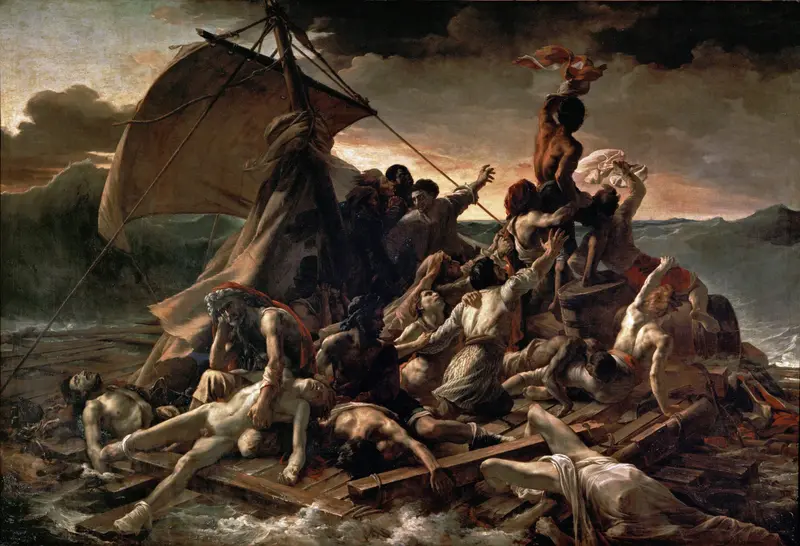
The Raft of the Medusa
Théodore Géricault

Géricault - Le naufrage du radeau de la Méduse, MBA 790
Théodore Géricault
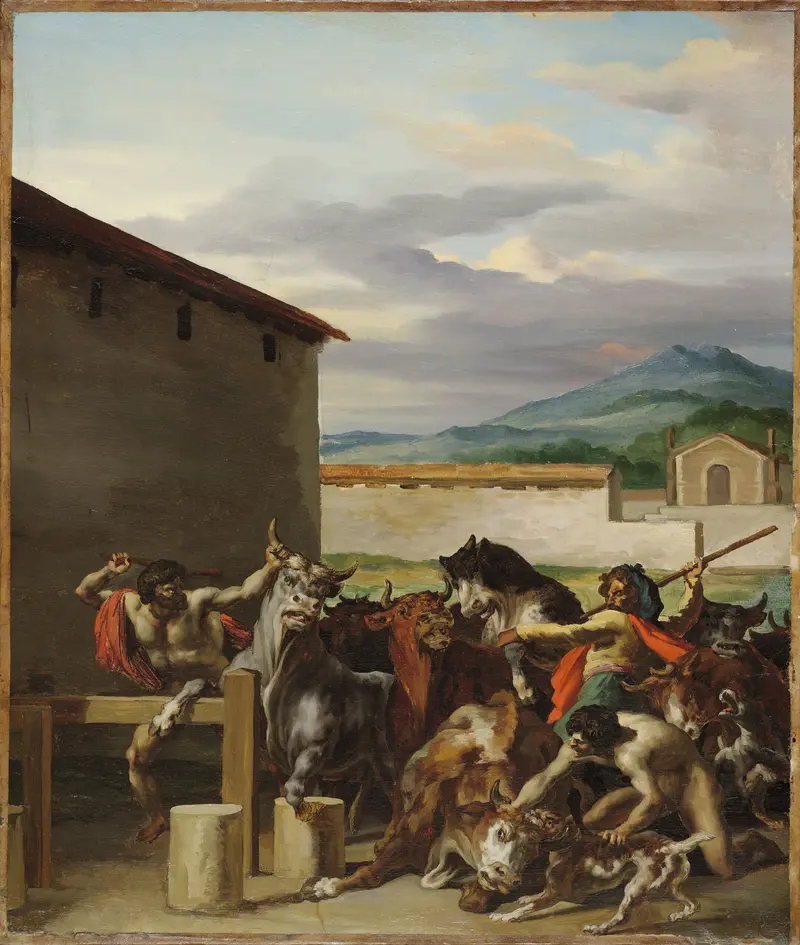
Cattle Market
Théodore Géricault
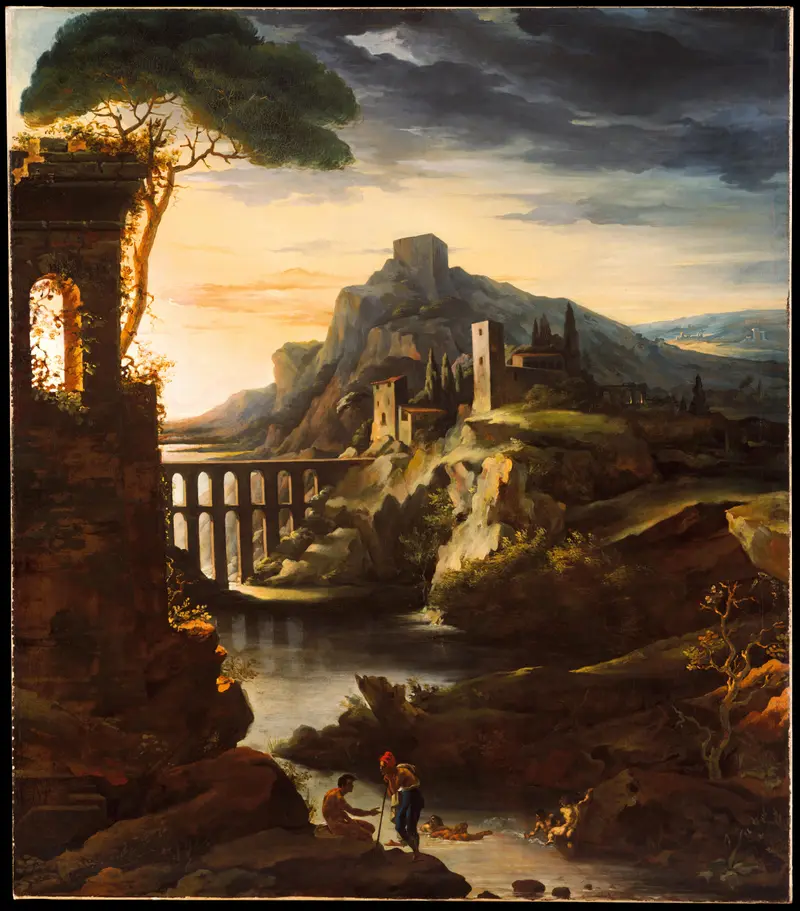
Evening; Landscape with an Aqueduct
Théodore Géricault
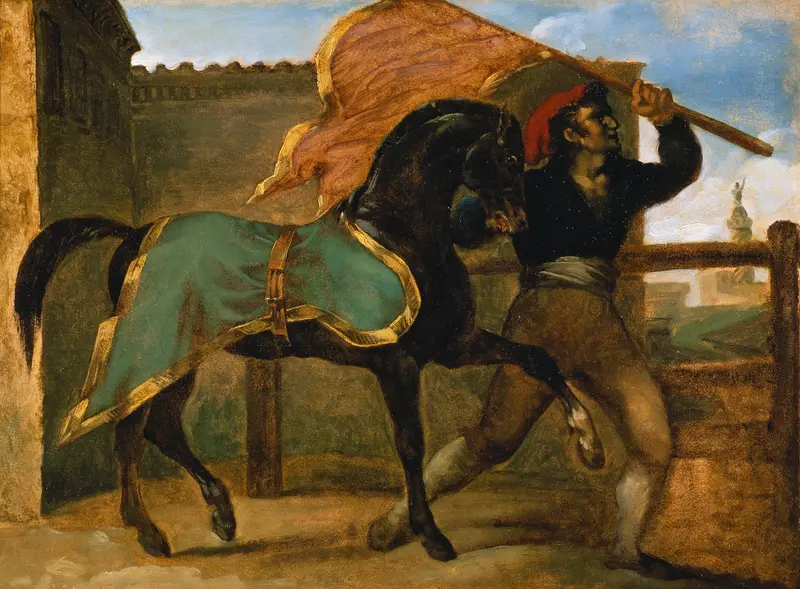
Horse Race
Théodore Géricault

Horses Standing in a Mews
Théodore Géricault
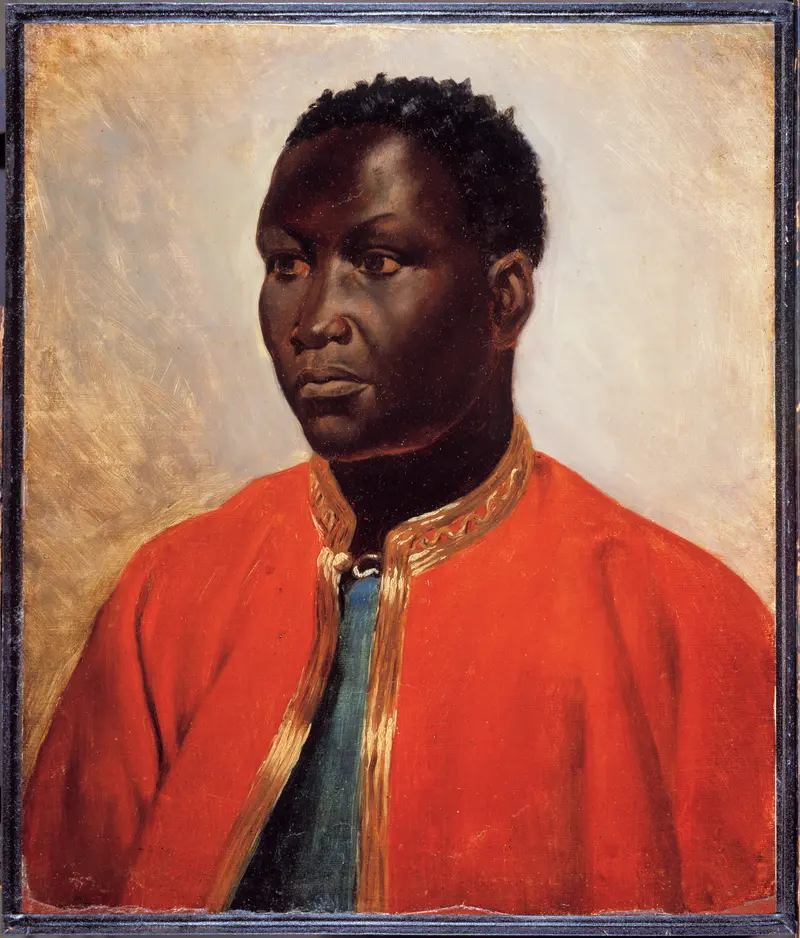
Portrait of a Negro
Théodore Géricault
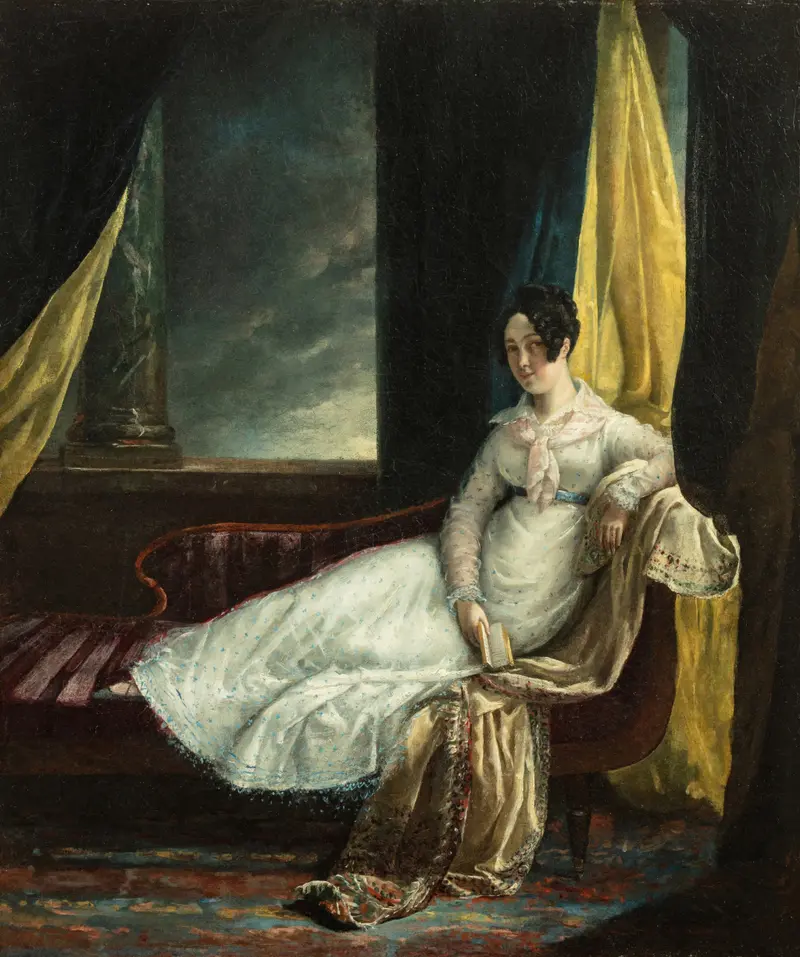
Portrait of Zoë Elmore
Théodore Géricault
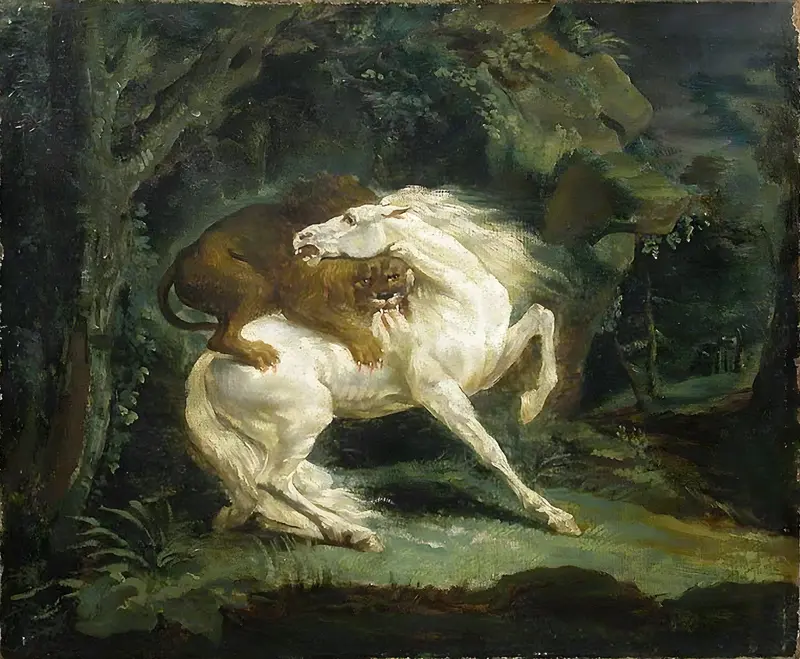
Cheval attaqué par un lion
Théodore Géricault
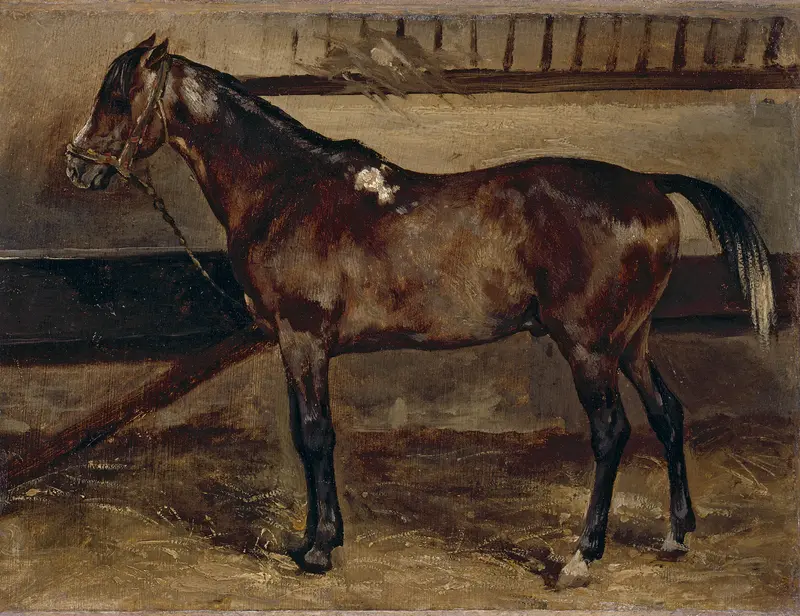
Cheval brun à l'écurie
Théodore Géricault





