Mullein — History & Facts
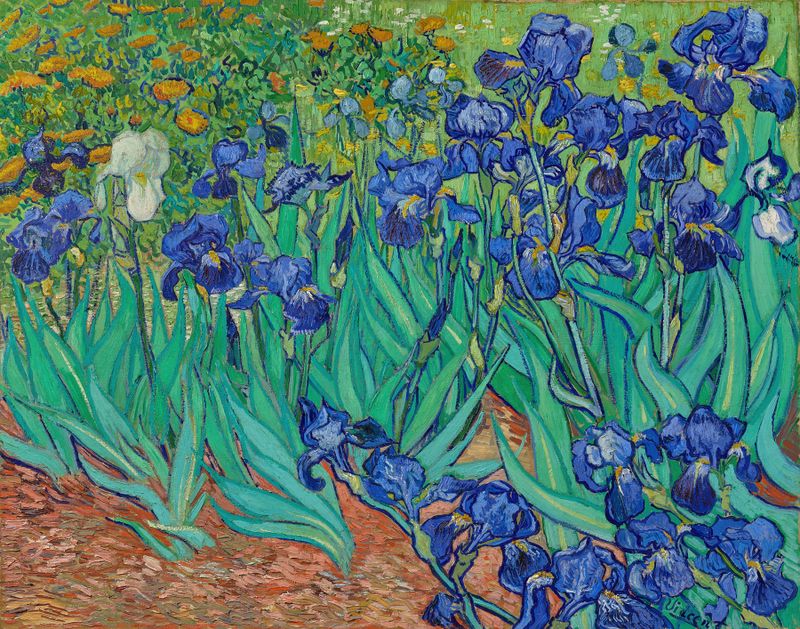
Where does light end, and longing begin? In the tender embrace of nature, chaos and serenity intertwine, inviting us to explore the depths of our emotions. Look to the left at the vibrant, swirling strokes of greens and yellows that dance across the canvas, forming an intricate tapestry of wild mullein plants. The artist’s brushwork captures the tumult of life, each stroke echoing the chaos within nature itself. Notice how the sunlight filters through the leaves, casting a gentle glow that illuminates the scene, as if whispering secrets of growth and resilience. Yet, amidst the lively colors, there is an underlying tension between the structured forms of the plants and the chaotic energy surrounding them.
The juxtaposition of the orderly leaf arrangement against the wildness of the surrounding brush speaks to the duality of existence — chaos tempered by beauty. Each detail, from the delicate petals to the textured earth, hints at a personal struggle, perhaps reflecting the artist’s own journey through the tumultuousness of life. Jan Stanisławski painted Mullein in 1887 while living in Poland, a period marked by the rise of Impressionism. As the world around him underwent rapid change, Stanisławski sought to capture the essence of nature through emotive brushwork and bold colors.
This work not only showcases his technical prowess but also reveals a profound reflection on the human experience, set against the backdrop of a rapidly evolving art world.
More Artworks by Jan Stanisławski
Browse all →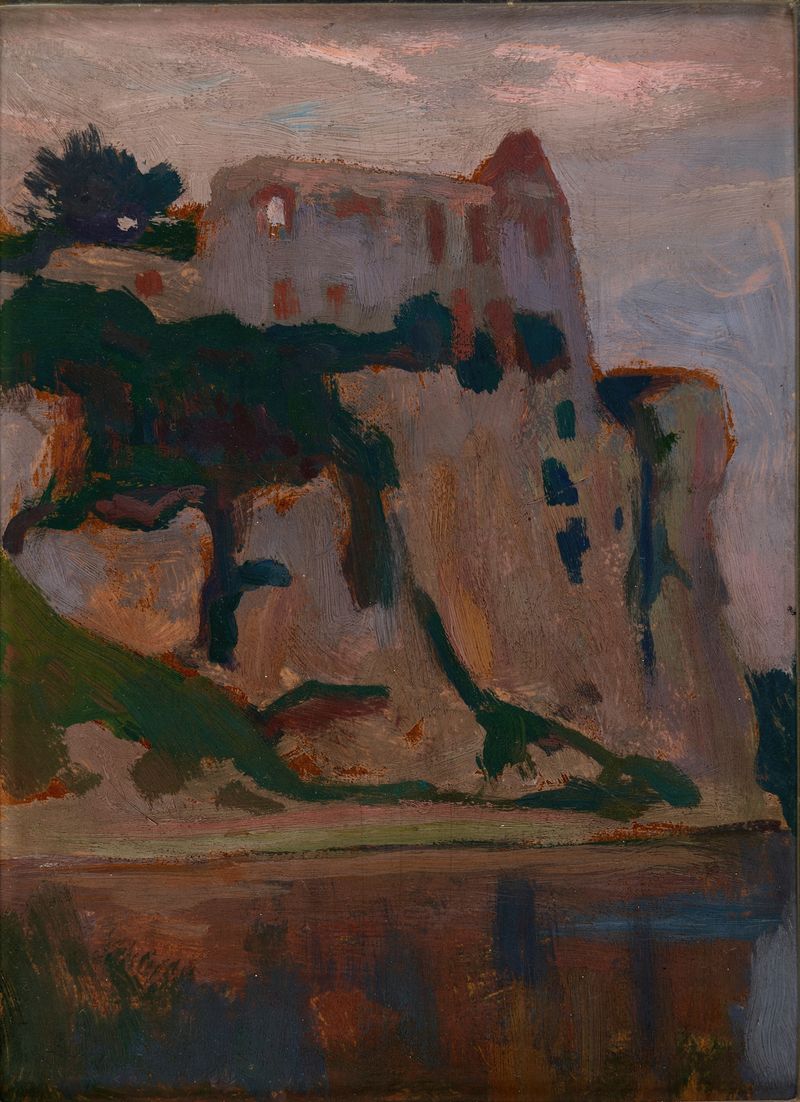
Tyniec at Dawn
Jan Stanisławski
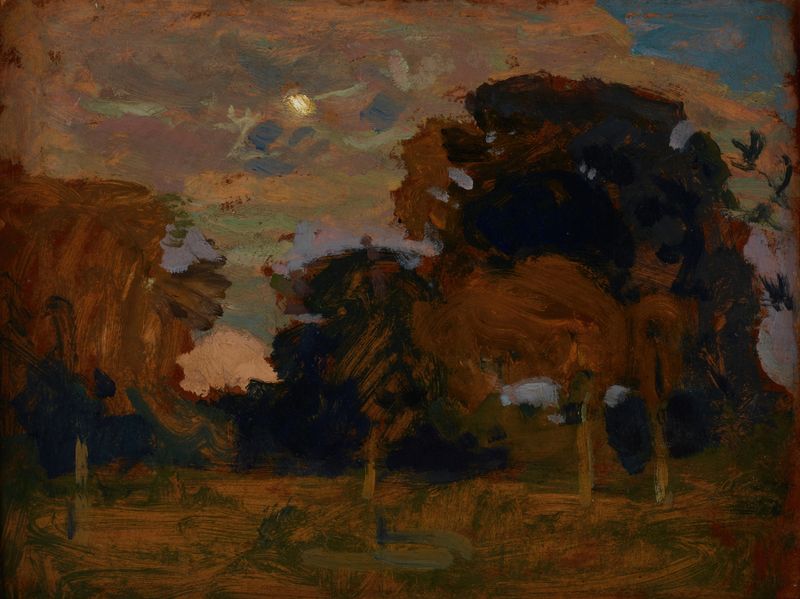
Moon in the Clouds
Jan Stanisławski
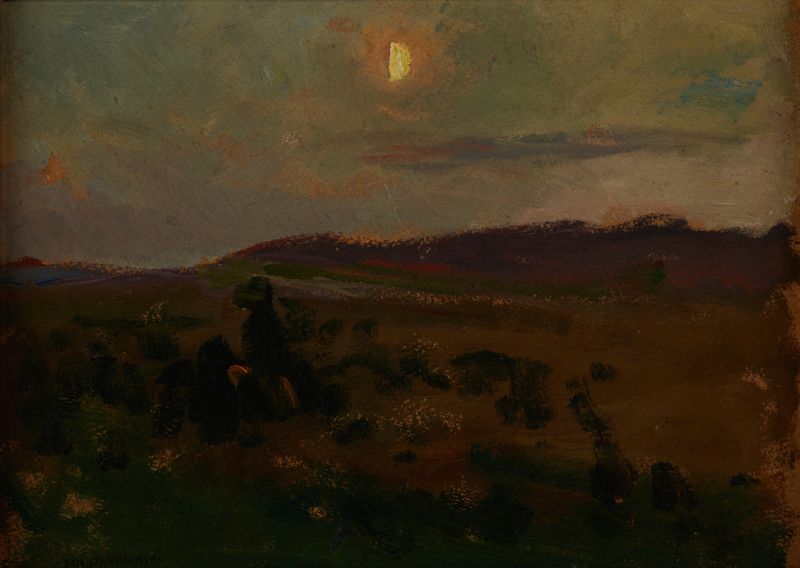
Moonrise
Jan Stanisławski
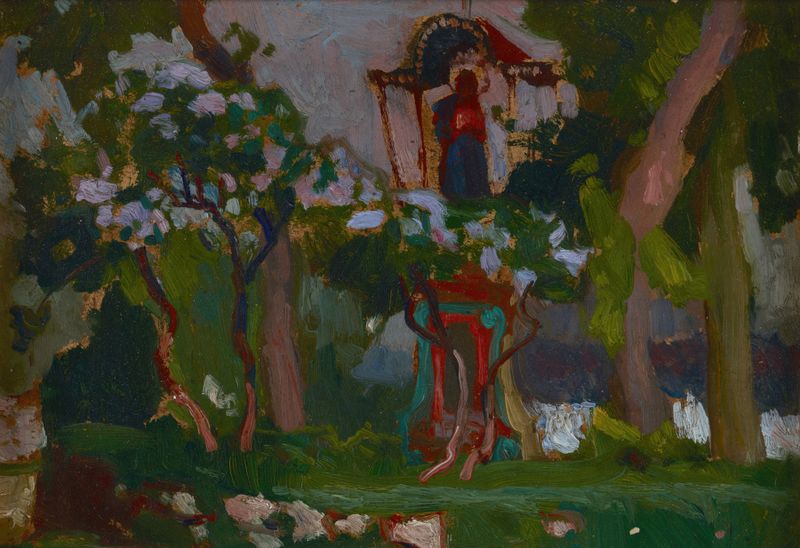
May
Jan Stanisławski
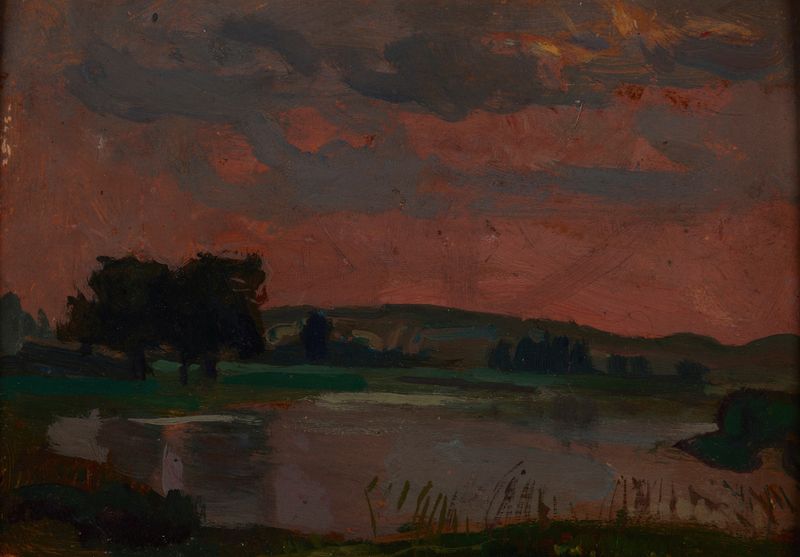
The Vistula in the Twilight
Jan Stanisławski
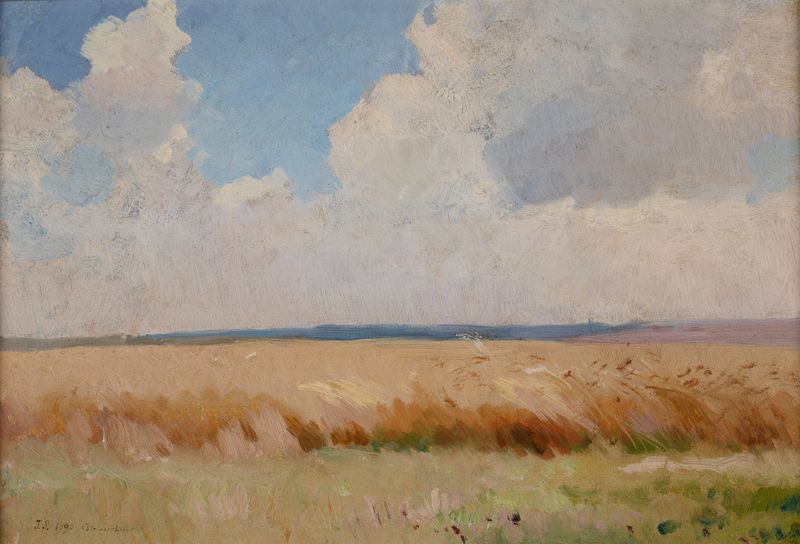
Field at Białocerkiew (Bila Tserkva)
Jan Stanisławski
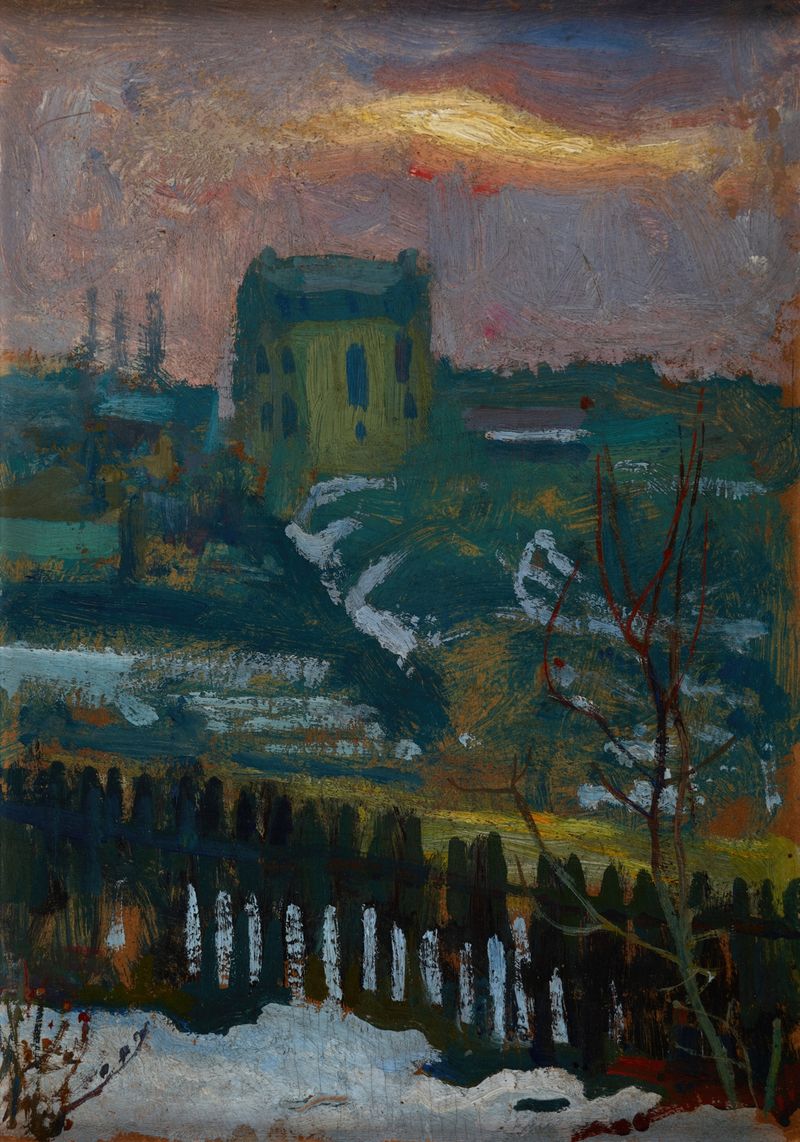
House in Winter
Jan Stanisławski
Landscape
Jan Stanisławski
Bielany at Dusk
Jan Stanisławski
Fields at Proszowice
Jan Stanisławski