
Mur de jardin — History & Facts
Could beauty survive in a century of chaos? In Mur de jardin, the tranquil solidity of a garden wall stands defiantly against the tumult of an age marked by upheaval and violence. Focus your gaze on the textured surface of the wall, where earthy tones of ochre and gray blend seamlessly, evoking a sense of permanence even amidst uncertainty. Notice how the dappled light plays across the scene, highlighting the subtle brushstrokes that create depth and dimension. The foliage surrounding the wall is rendered with a loose, almost impressionistic quality, contrasting the structural strength of the wall itself, inviting contemplation about the delicate balance between nature and man-made boundaries. The painting reveals layers of meaning hidden beneath its surface.
The wall represents not just a physical barrier, but also a metaphor for the emotional walls we construct to shield ourselves from suffering. The vibrant greens of the garden, juxtaposed with the muted tones of the wall, suggest a yearning for beauty in a world fraught with conflict. Cézanne's choice of colors and textures evokes a sense of nostalgia, reflecting the tension between fleeting beauty and enduring strife. During the creation of this piece in 1867-1868, Cézanne was navigating his own artistic evolution in a rapidly changing France.
The impact of the Franco-Prussian War loomed large, and the art world was shifting towards modernism. This work captures his quest for stability and expression in a time when the chaos of the world demanded new artistic voices.
More Artworks by Paul Cezanne
Browse all →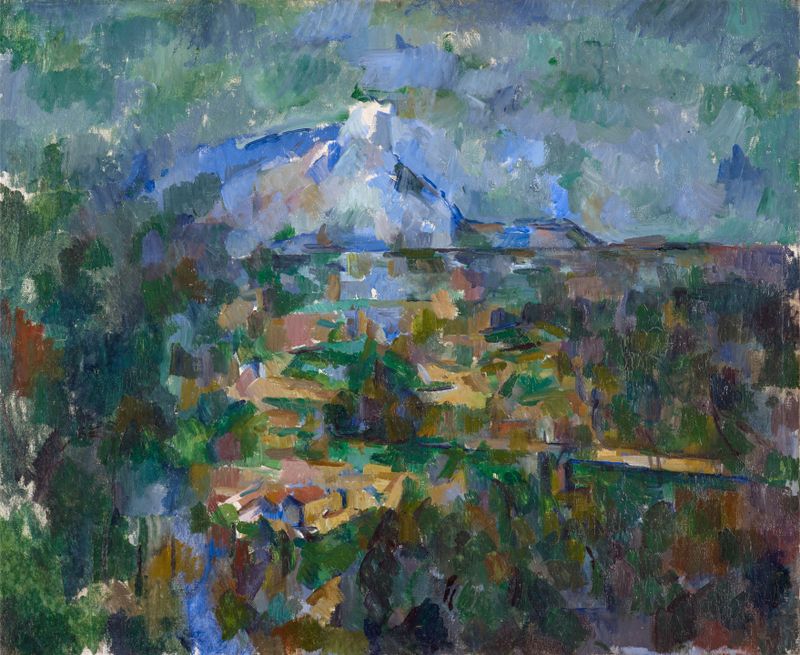
The Mont Sainte-Victoire Seen From Les Lauves
Paul Cezanne
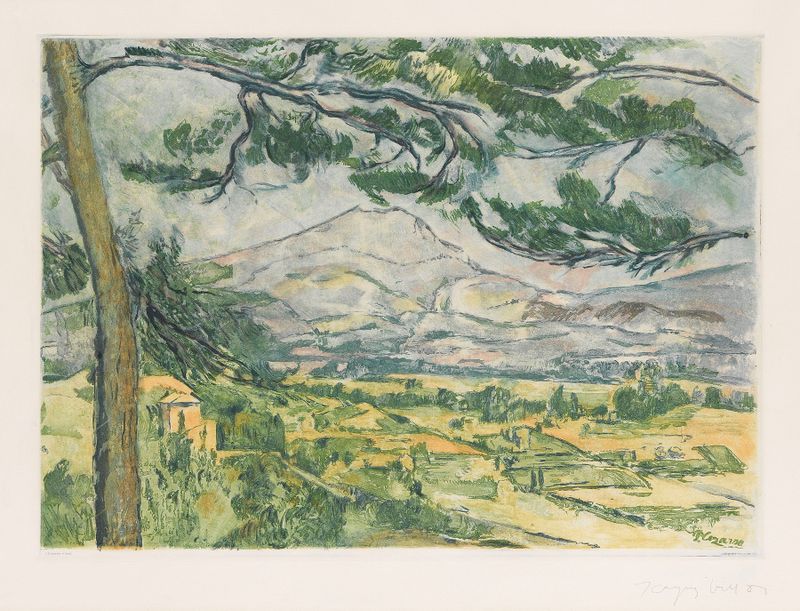
La Montagne Sainte-Victoire
Paul Cezanne
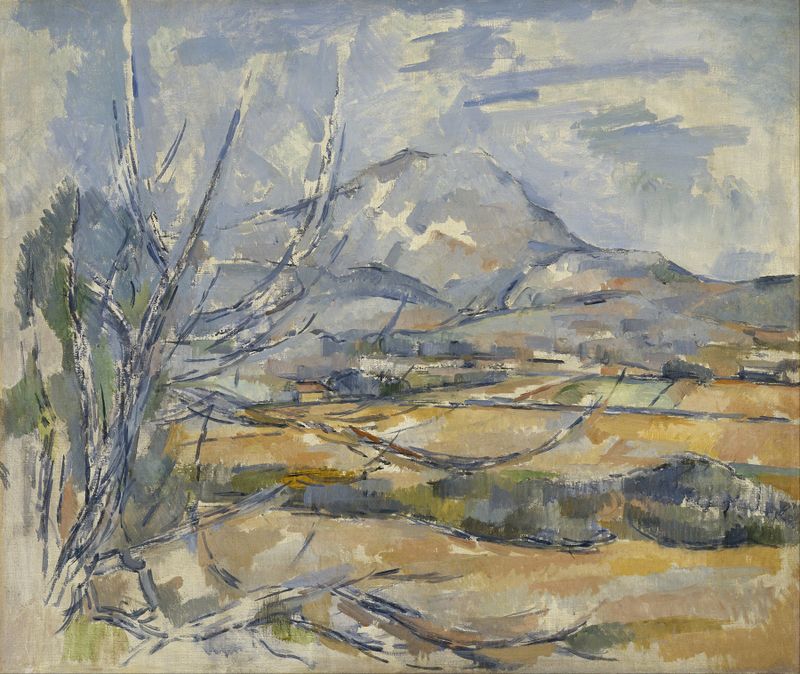
Montagne Sainte-Victoire
Paul Cezanne
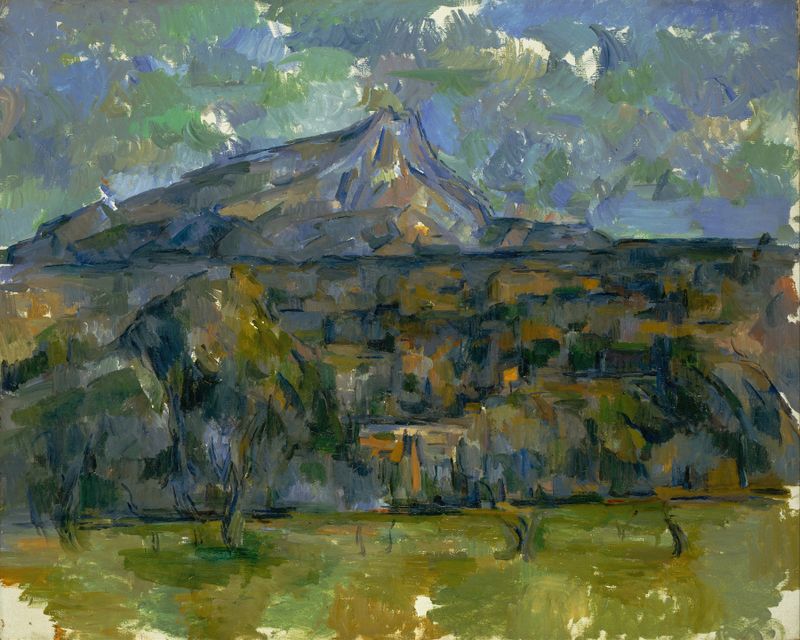
Mont Sainte-Victoire
Paul Cezanne
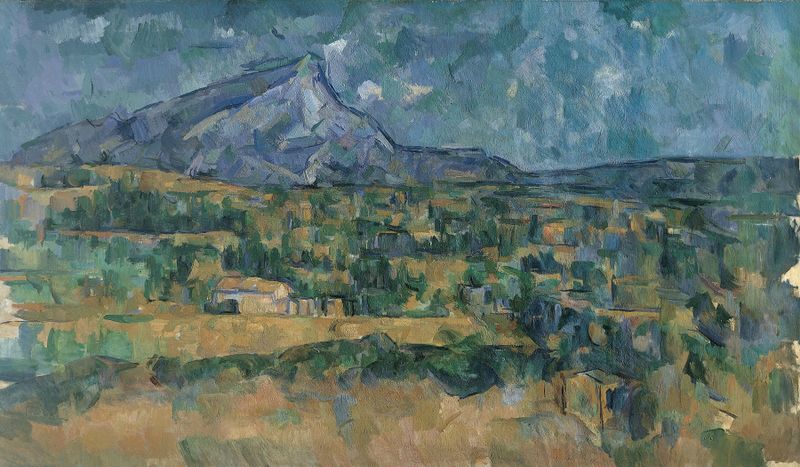
Mont Sainte-Victoire
Paul Cezanne
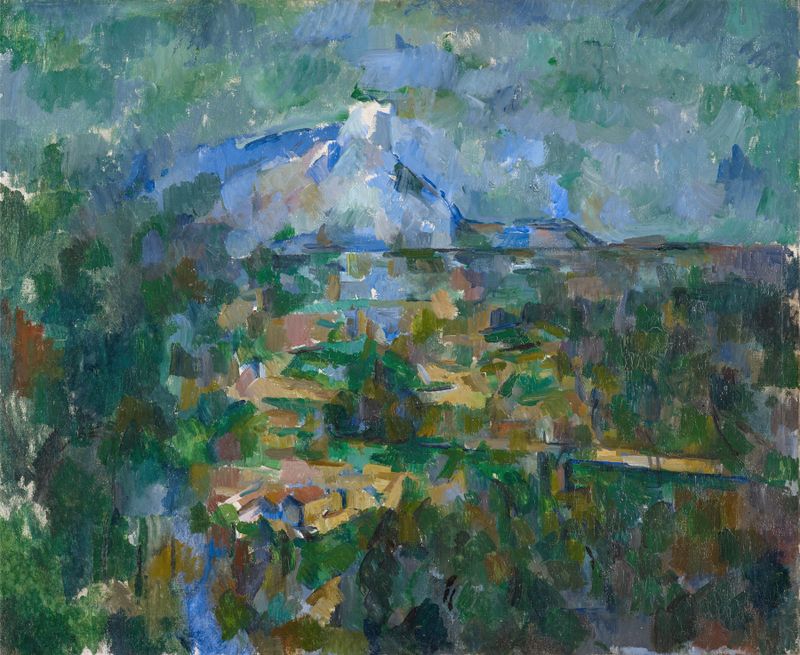
View of Mount Sainte-Victoire from Les Lauves
Paul Cezanne
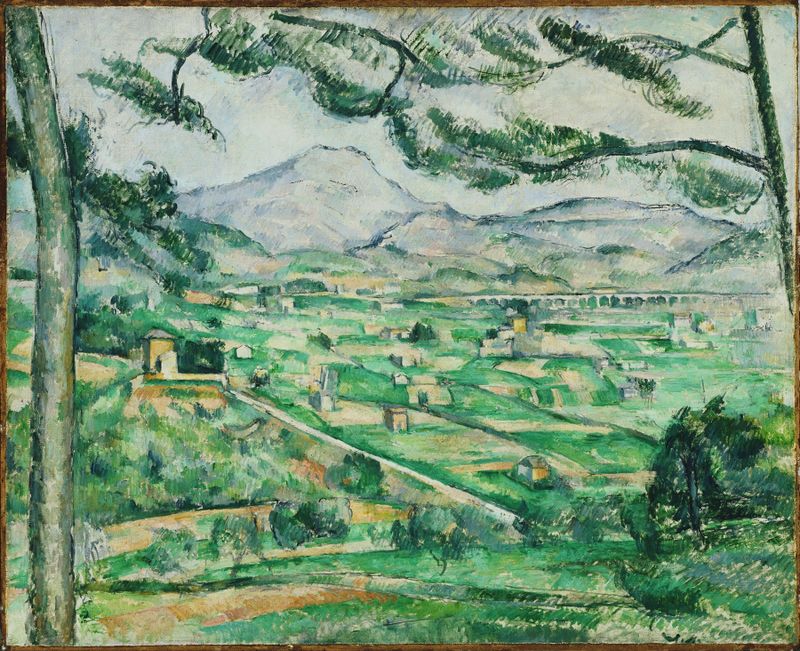
Mont Sainte-Victoire 2
Paul Cezanne

The Basket of Apples
Paul Cezanne

Mount Sainte-Victoire
Paul Cezanne
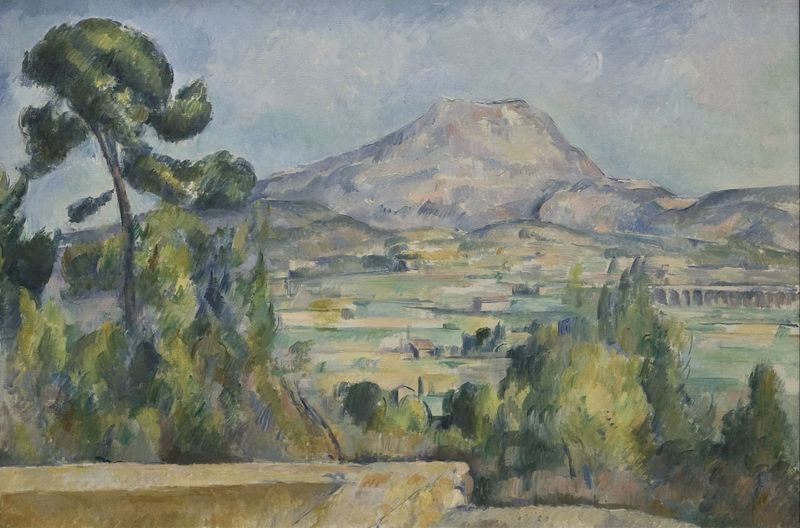
Montagne Saint-Victoire
Paul Cezanne





