
Musée Ingres-Bourdelle - Portrait d'un moine - Jan Van Eyck — History & Facts
When Jan van Eyck completed Portrait d'un moine in 1441, the artist was at the height of his powers and reputation, having already served as court painter to Philip the Good, Duke of Burgundy. The true identity of the monk remains a mystery, and the painting has long fascinated scholars who debate whether it is a likeness of a specific religious figure or an idealized type. What is certain is that this work comes from the very end of van Eyck's career—he died in the same year—making it one of his last known paintings.
Its refined execution and psychological intensity have led some to speculate it may have been intended as a commemorative portrait, perhaps for a donor or a monastic community. The monk sits in three-quarter view, his gaze direct yet contemplative, hands folded in front of his simple habit. The light falls gently across his face, revealing the delicate modeling of flesh and the meticulous rendering of fabric, hallmarks of van Eyck's technique. The background is dark and unadorned, focusing all attention on the sitter’s features—a departure from the ornate settings of many contemporary portraits.
The monk’s calm expression and the absence of overt symbols suggest humility and introspection, qualities prized in the monastic life. Unlike Rogier van der Weyden’s more emotional depictions of religious figures, van Eyck here pursues a quiet realism, inviting the viewer to meet the monk as an individual. The provenance of Portrait d'un moine is not fully documented, but it is typical of the devotional portraits produced in the Burgundian Netherlands during the early 15th century. Works like this were often commissioned by religious institutions or wealthy patrons seeking to express piety and secure remembrance in prayer.
Today, the painting resides in the Musée Ingres-Bourdelle in Montauban, where it stands as a testament to van Eyck’s enduring influence on the art of portraiture. Its survival through centuries, with its attribution to van Eyck never seriously doubted, speaks to the artist’s distinctive hand and the lasting fascination with his ability to capture the soul behind the face.
More Artworks by Jan van Eyck

Adam
Jan van Eyck
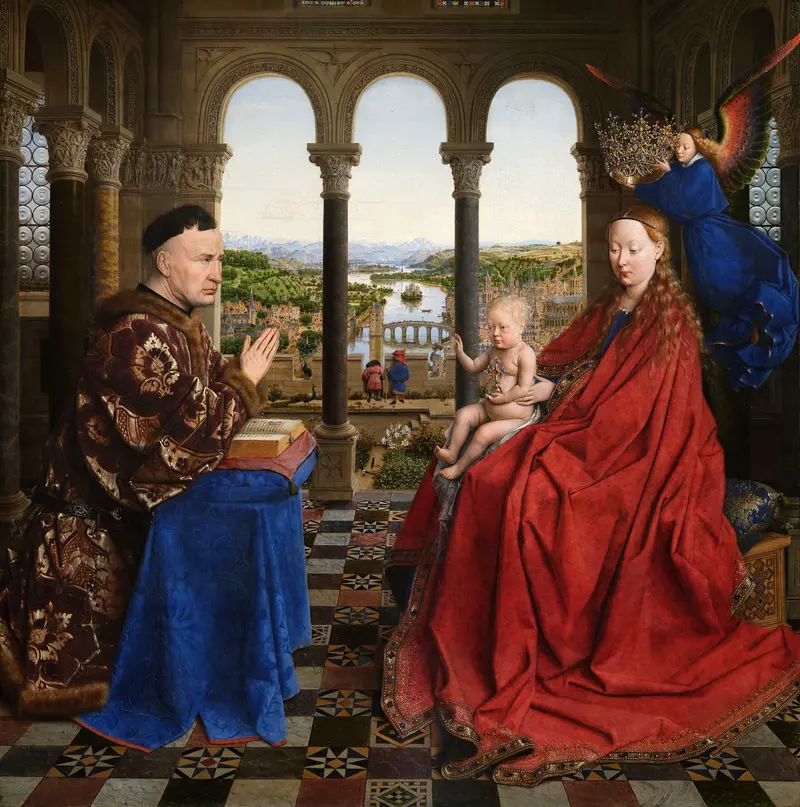
Madonna of Chancellor Rolin
Jan van Eyck
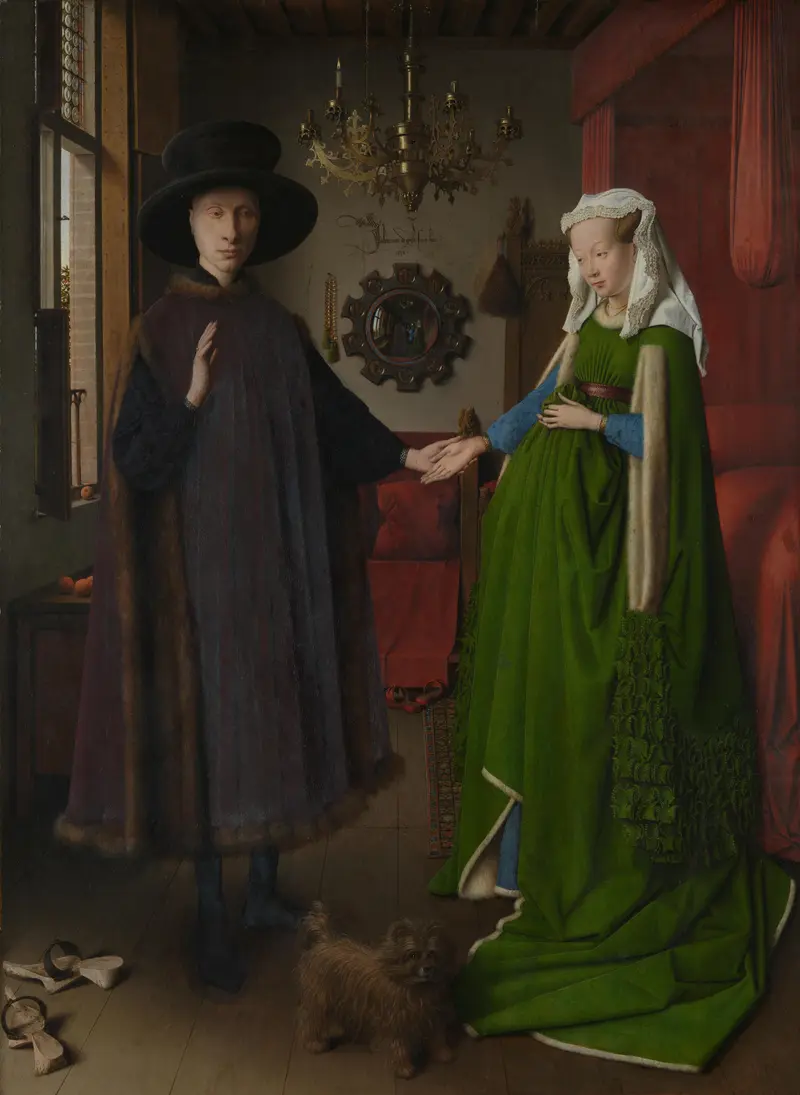
The Arnolfini Portrait
Jan van Eyck
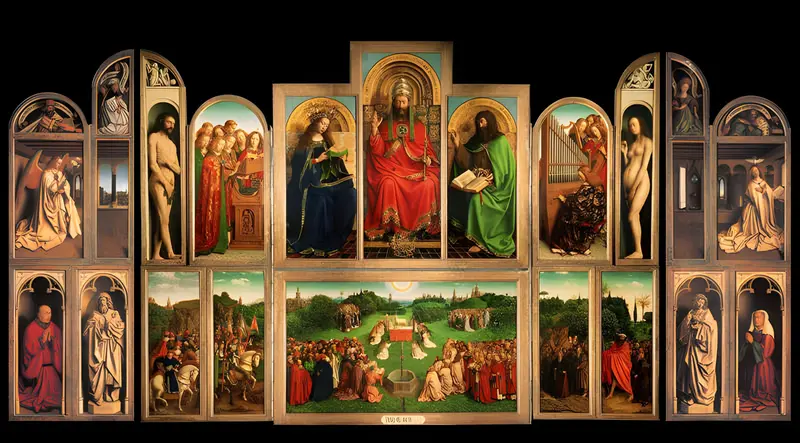
Ghent Altarpiece
Jan van Eyck

Dresden Triptych
Jan van Eyck
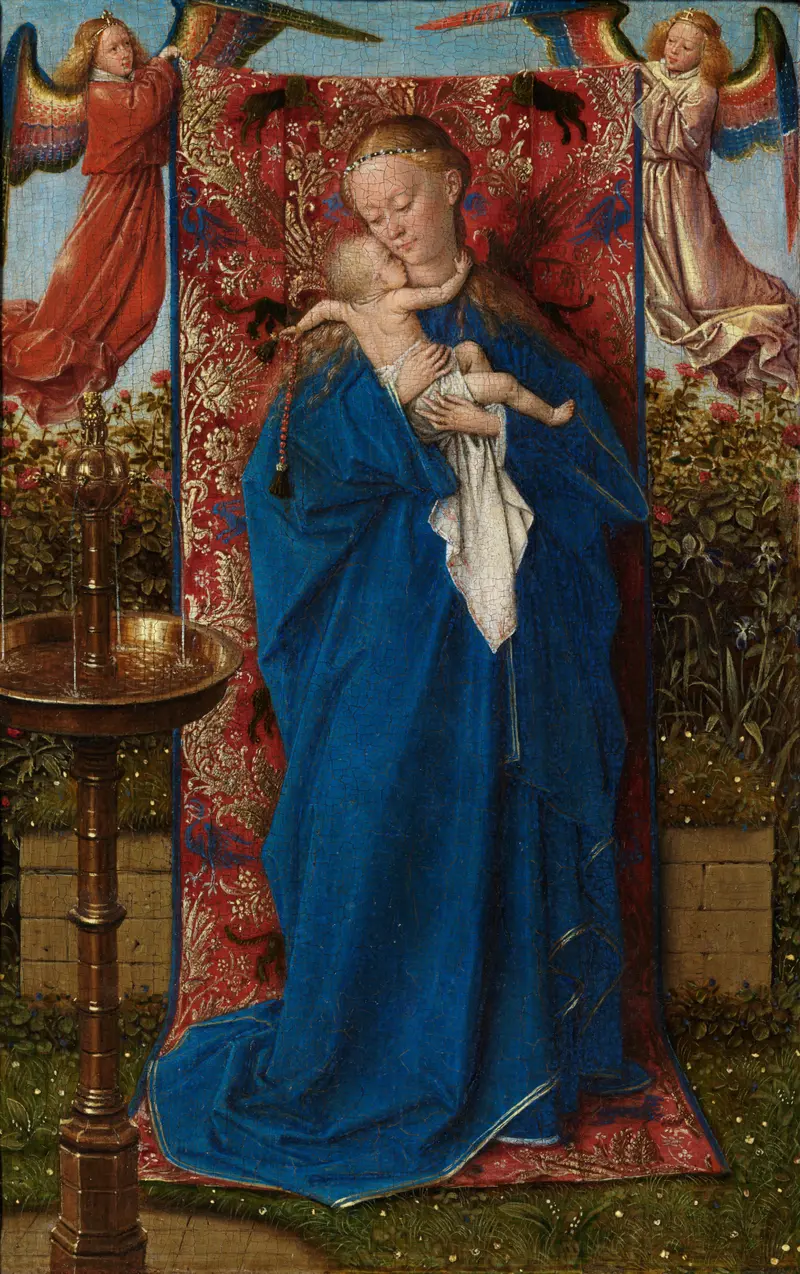
Madonna at the Fountain
Jan van Eyck

Madonna with Canon Joris van der Paele
Jan van Eyck

Prophet Zacharias; Angel of The Annunciation
Jan van Eyck
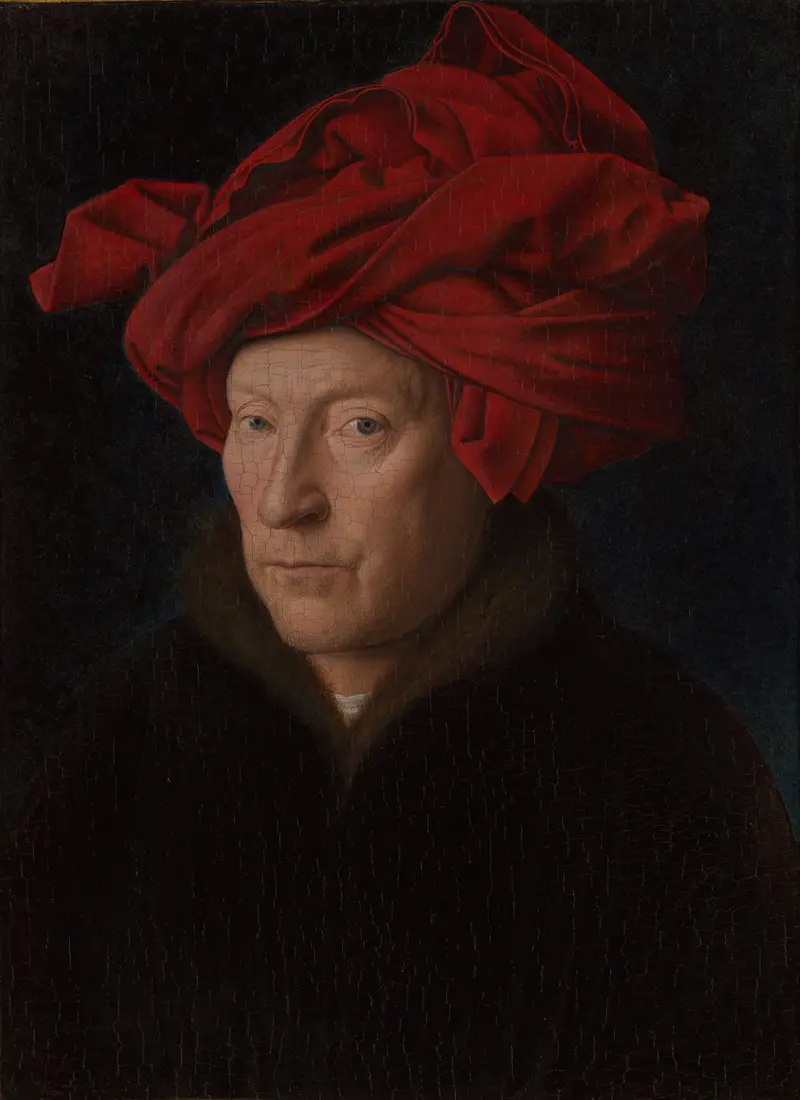
Portrait of a Man (Self Portrait?)
Jan van Eyck
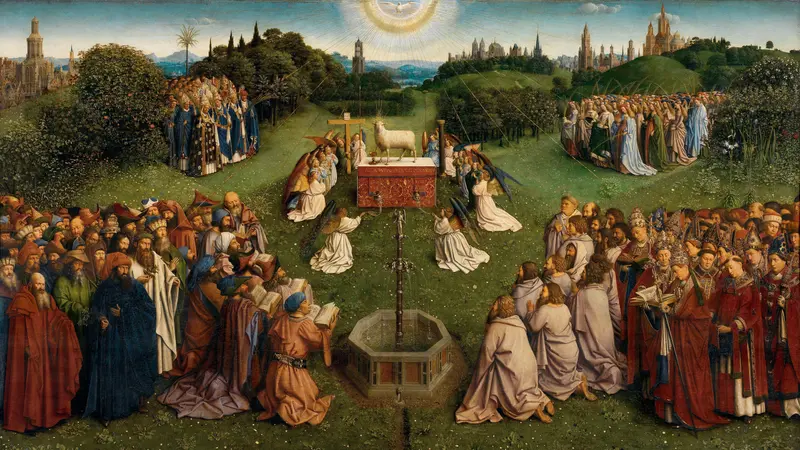
Adoration of the Lamb from the Ghent Altarpiece
Jan van Eyck





