
Nebukadnessar kijkt naar drie mannen in de oven — History & Facts
Can beauty exist without sorrow? In the chiaroscuro of the human experience, this question pulses with urgency, echoing through the ages. First, look to the left where the regal figure of Nebuchadnezzar dominates the composition, his expression a mix of rage and disbelief. Notice how the rich hues of his robes contrast with the muted tones of the furnace, drawing your focus to the tension between power and vulnerability. The flickering light from the flames casts an ethereal glow, illuminating the faces of the three men, who stand resolute in their faith amidst the inferno.
Their posture reflects quiet defiance, embodying a fragile hope that stands in stark contrast to the impending doom. As you delve deeper, consider the dichotomy of despair and courage. The men are encased in the fiery furnace, yet their expressions suggest an unwavering conviction, hinting at the transformative power of hope. In juxtaposition, Nebuchadnezzar’s fury reveals the futility of earthly power against spiritual resilience.
The swirling smoke, almost ethereal, serves as a metaphor for the soul’s transcendence over physical suffering, suggesting that even in despair, there exists a glimmer of beauty. Hans Holbein II painted this work in 1538, at a time when the Renaissance was flourishing in Northern Europe. Living in Basel, Holbein was deeply influenced by the Reformation, which shaped his exploration of moral themes. Amidst the political and religious turmoil of the period, his art sought to grapple with the complexities of faith, capturing the poignant struggle between fear and hope that resonates throughout history.
More Artworks by Hans Holbein (II)
Browse all →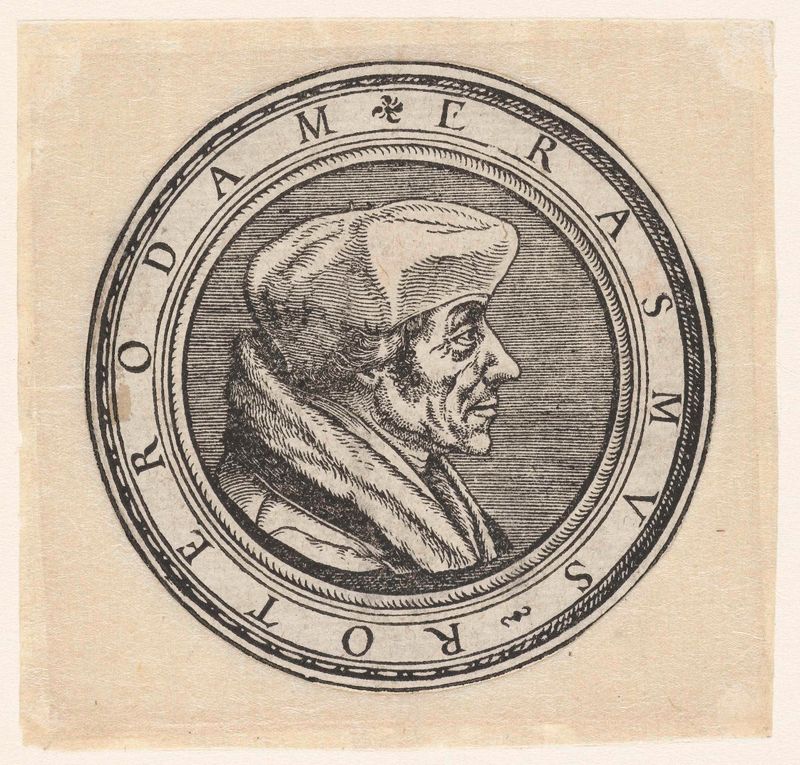
Portret van Erasmus
Hans Holbein (II)
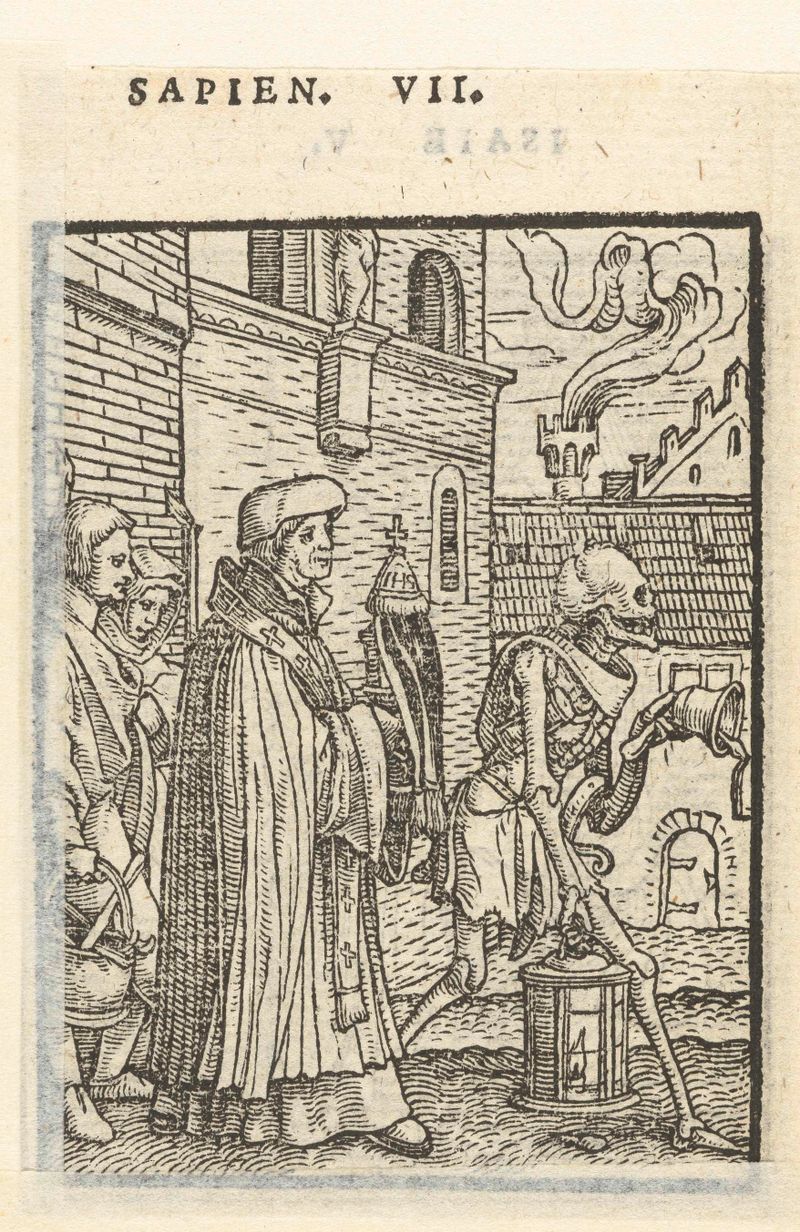
Priester en de Dood
Hans Holbein (II)
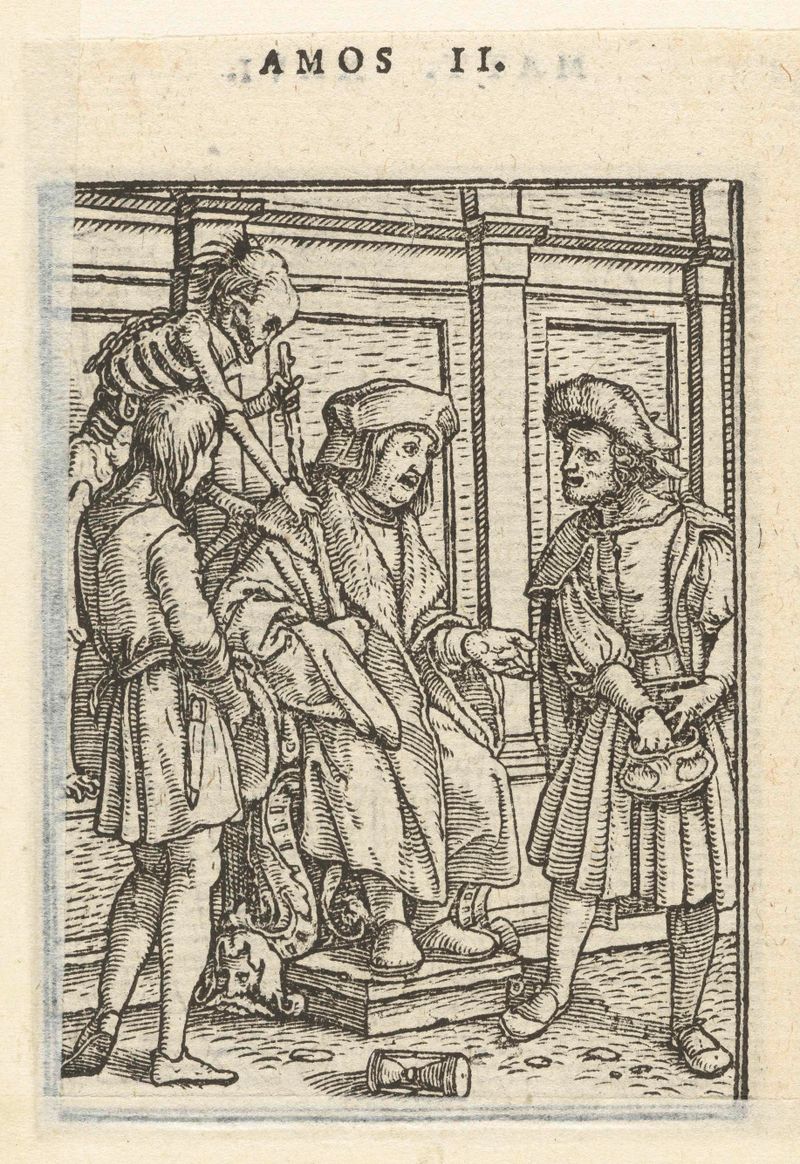
Rechter en de Dood
Hans Holbein (II)
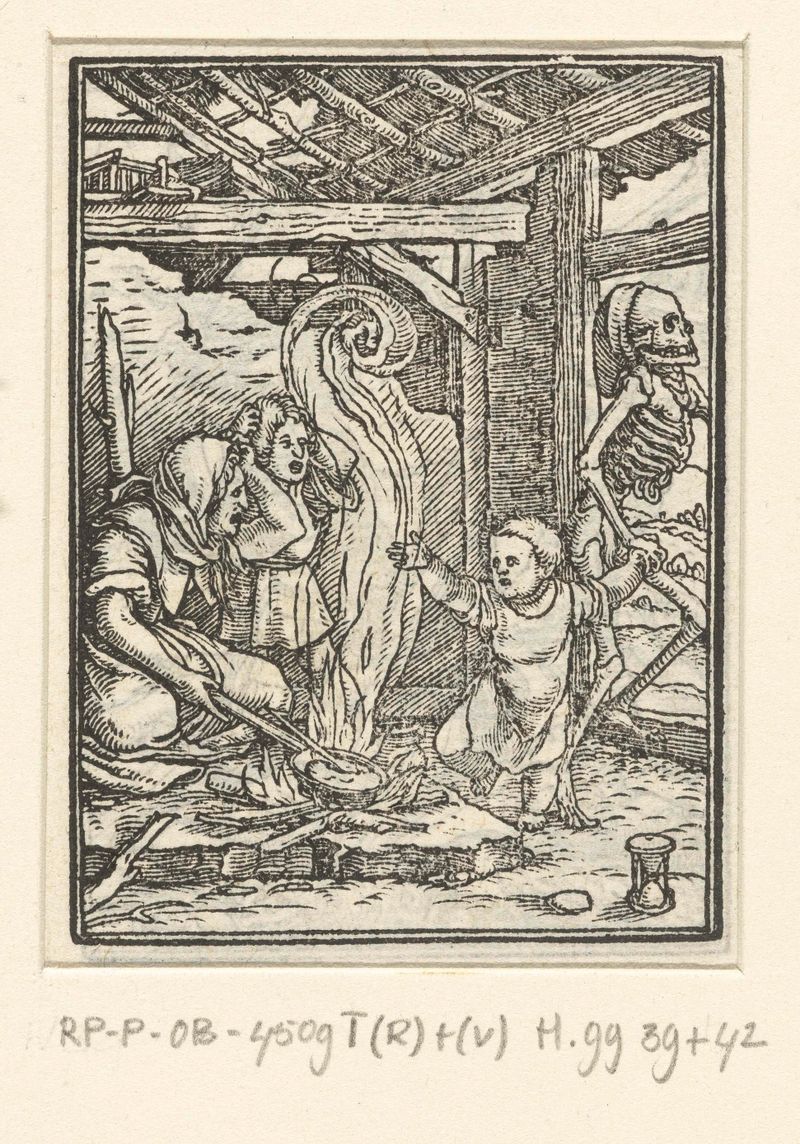
Kind en de Dood
Hans Holbein (II)
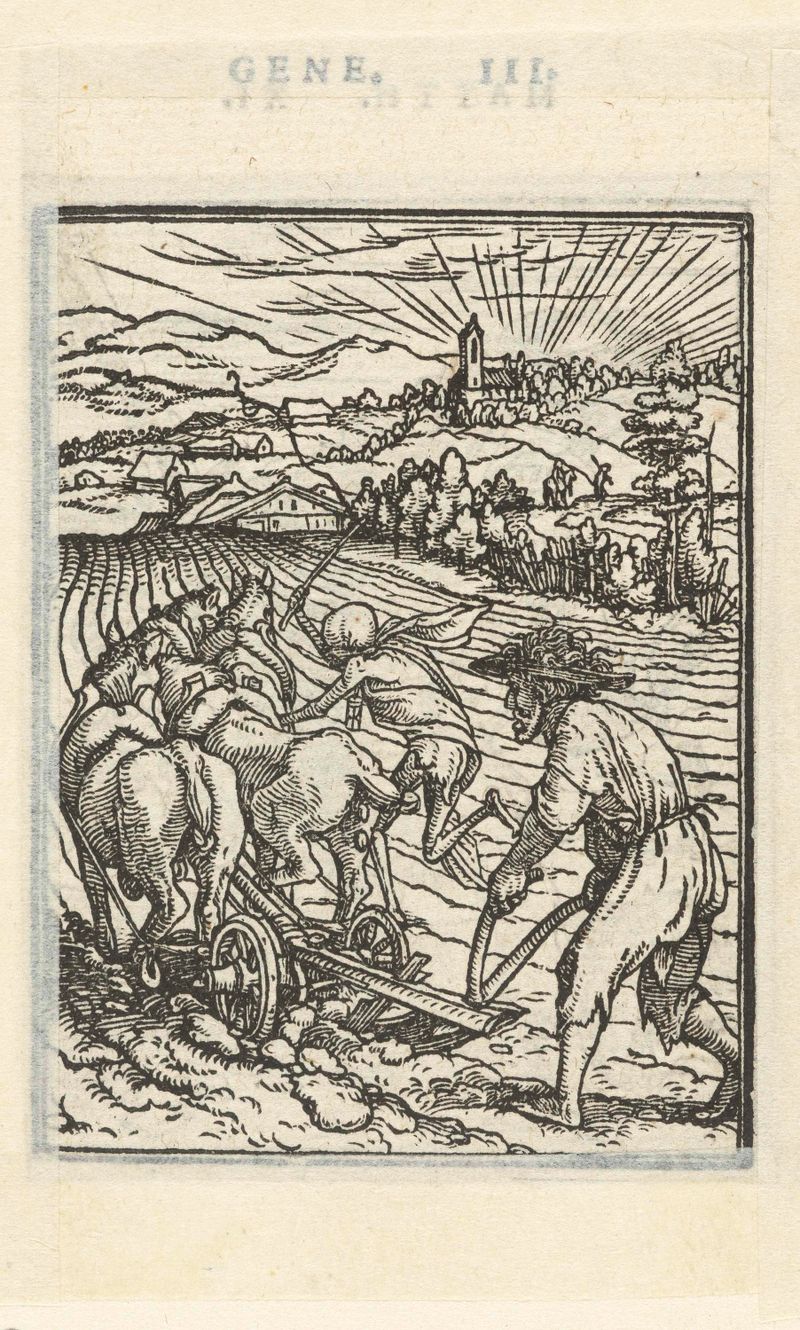
Boer en de Dood
Hans Holbein (II)
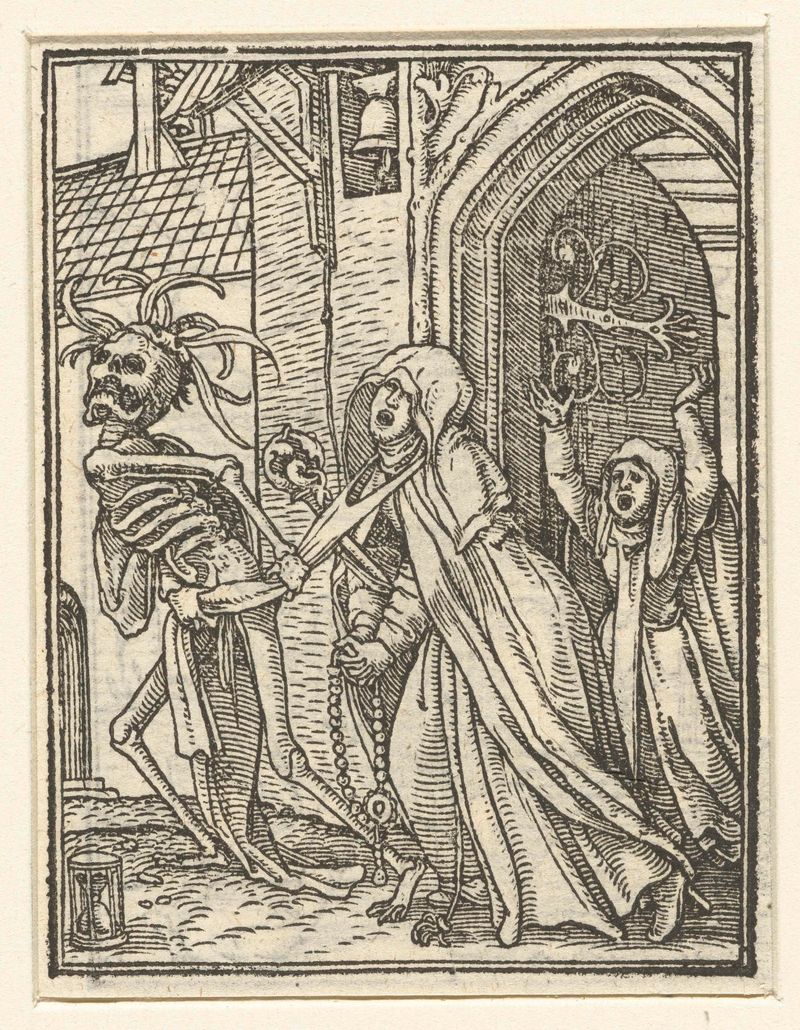
Abdis en de Dood
Hans Holbein (II)
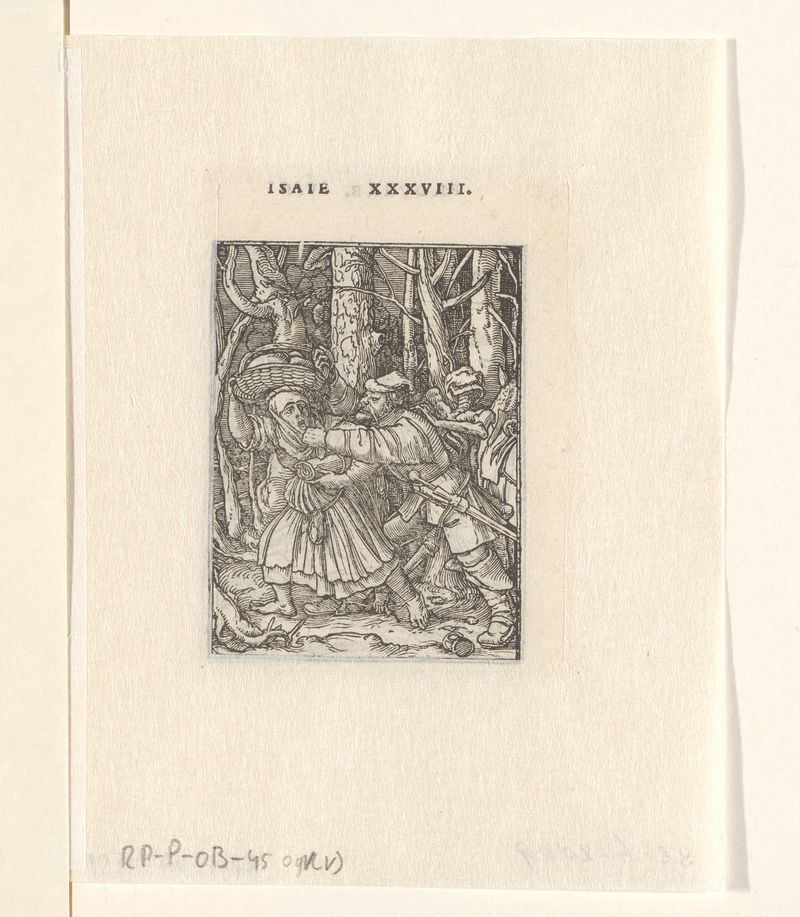
Dief en de Dood
Hans Holbein (II)
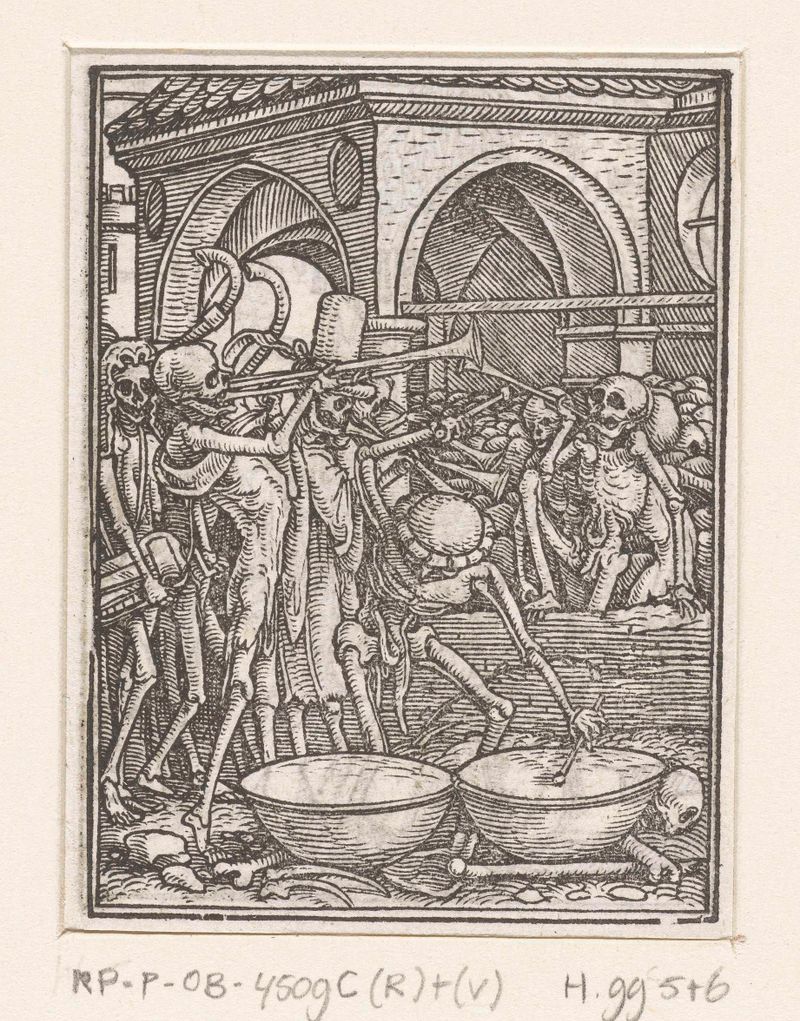
Skeletons Making Music from Dance of the Dead
Hans Holbein (II)
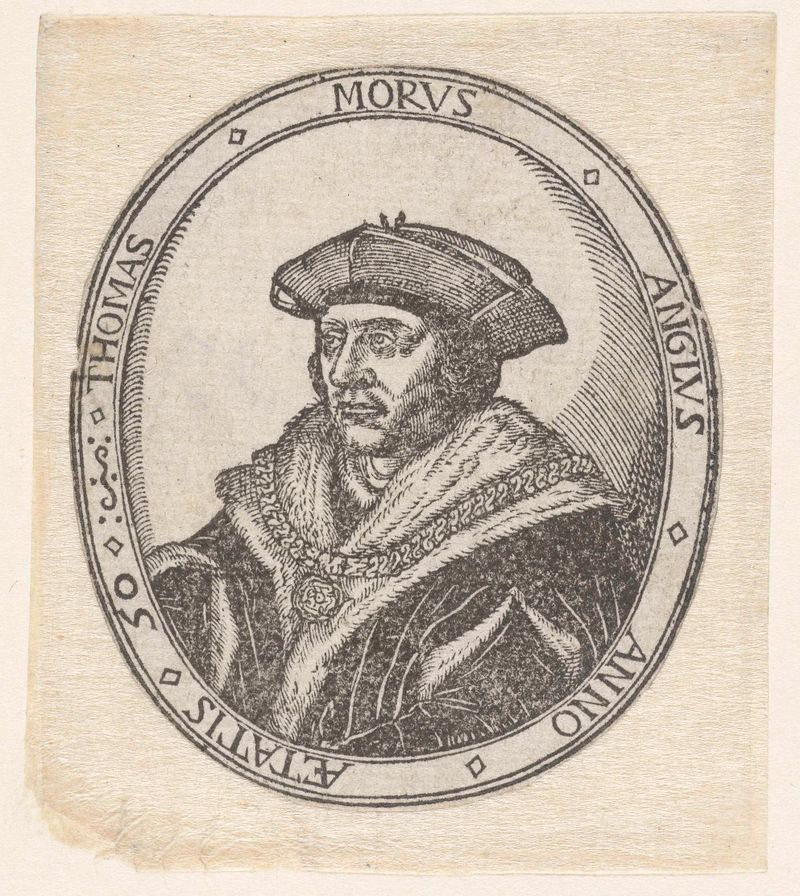
Portret van Thomas More
Hans Holbein (II)
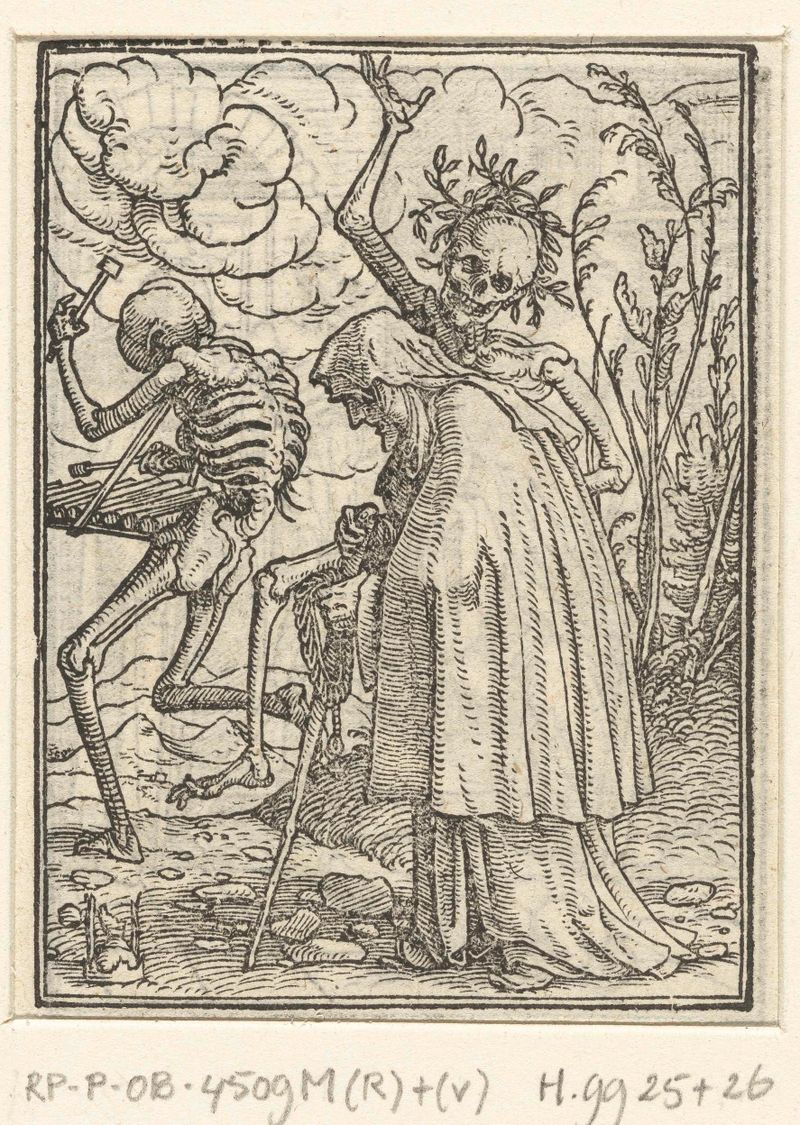
Oude vrouw en de Dood
Hans Holbein (II)
More Historical Art
Browse all →
The Night Watch Militia Company of District II under the Command of Captain Frans Banninck Cocq
Rembrandt van Rijn

Lincoln Memorial
Henry Bacon

The Third of May 1808
Francisco de Goya

Isaac and Rebecca, Known as ‘The Jewish Bride’
Rembrandt van Rijn

The Charge of the Mamelukes (1814)
Francisco de Goya

De vier ruiters van de apocalyps
Albrecht Dürer