
Nehemia hoort over de slechte toestand in Jeruzalem — History & Facts
What secret hides in the quiet of the canvas? The stillness envelops the viewer like a soft sigh, inviting reflection on distant memories and the weight of history. Look to the left at the figure of Nehemiah, poised and contemplative, his gaze absorbing the news of Jerusalem's plight. The muted earth tones harmonize with the somber atmosphere, while a beam of light subtly illuminates his face, revealing the tension of his thoughts. Notice how the drapery falls around him, flowing like the passage of time, enhancing the gravity of his mission.
Each fold conveys a sense of burden—heavy yet noble—as he contemplates the fate of his city. Within this moment, the juxtaposition of Nehemiah’s stillness against the backdrop of chaos creates a poignant tension. The air of nostalgia that permeates the scene speaks to a yearning for restoration and the melancholy of loss. Every detail, from the faint outline of the distant walls of Jerusalem to the somber expressions of those surrounding him, adds layers of meaning, linking personal devotion to communal suffering. Holbein created this work in 1538, a time when the Reformation was reshaping Europe and religious fervor was palpable.
Living in Basel, he was deeply influenced by the emerging Protestant ideas and the socio-political climate of the time. This portrayal not only reflects Nehemiah's historical context but also echoes Holbein's own grappling with faith and community, revealing the timeless interplay between individual conviction and collective destiny.
More Artworks by Hans Holbein (II)
Browse all →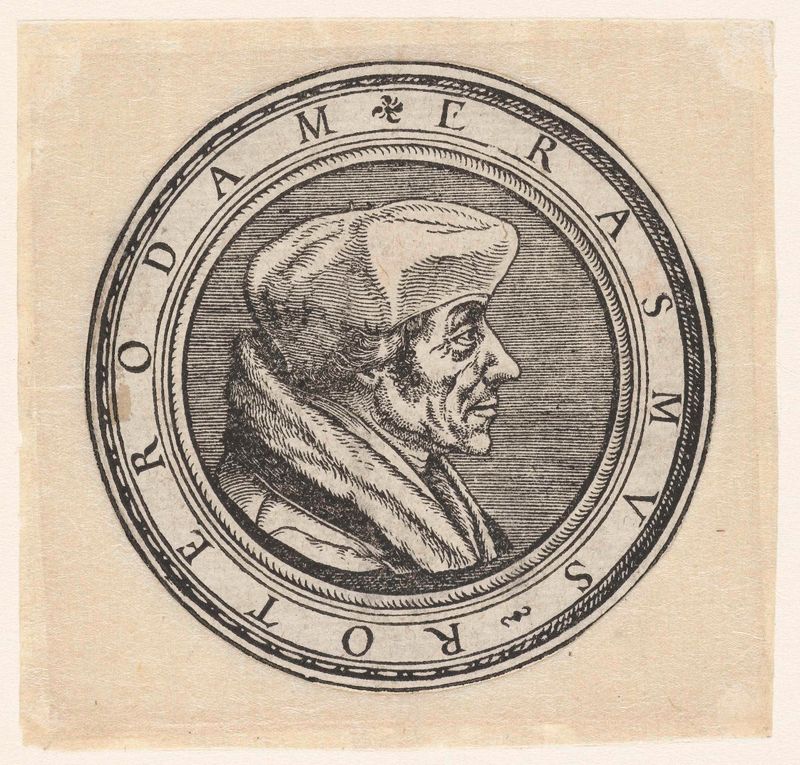
Portret van Erasmus
Hans Holbein (II)
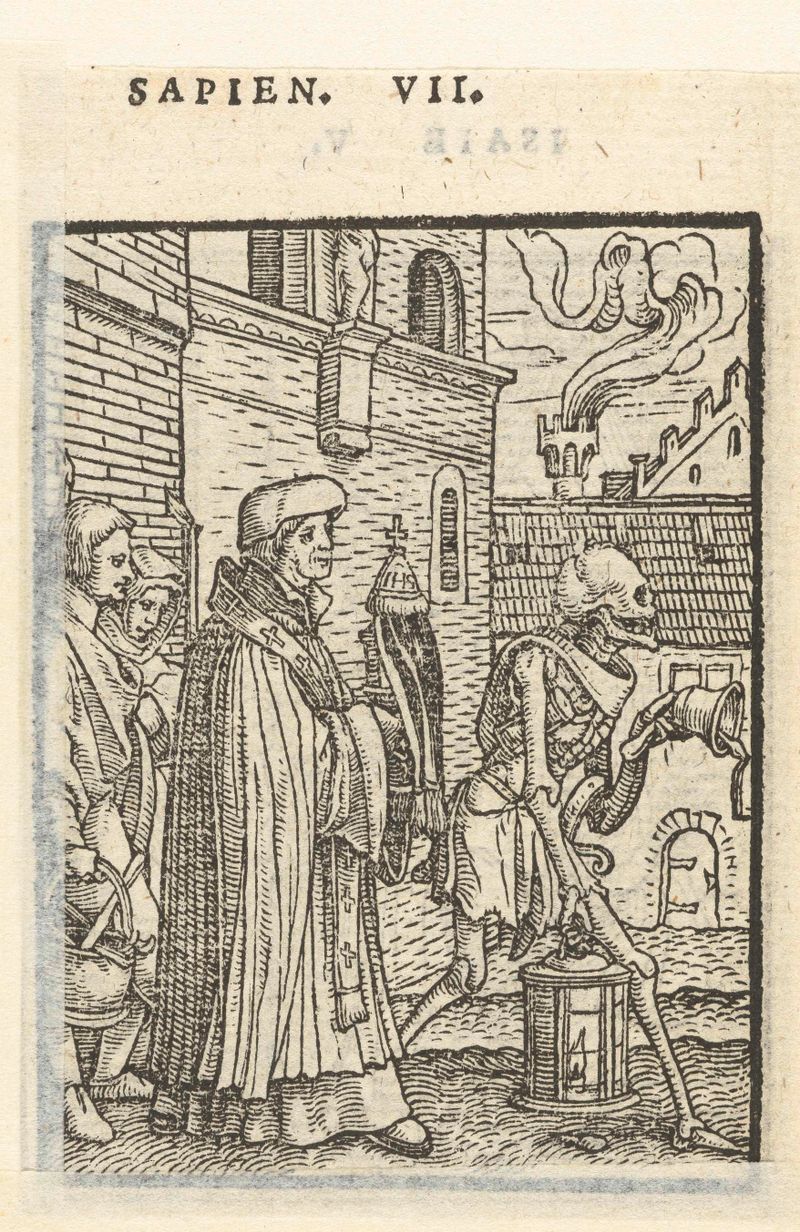
Priester en de Dood
Hans Holbein (II)
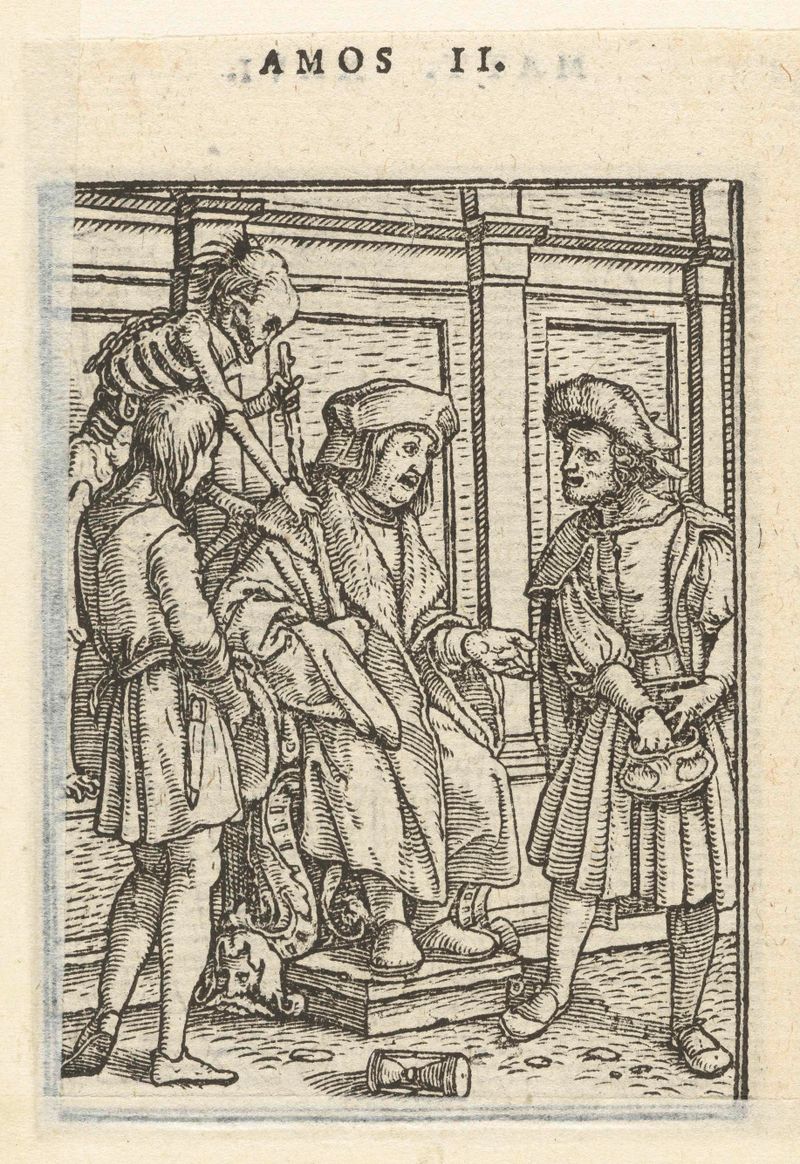
Rechter en de Dood
Hans Holbein (II)
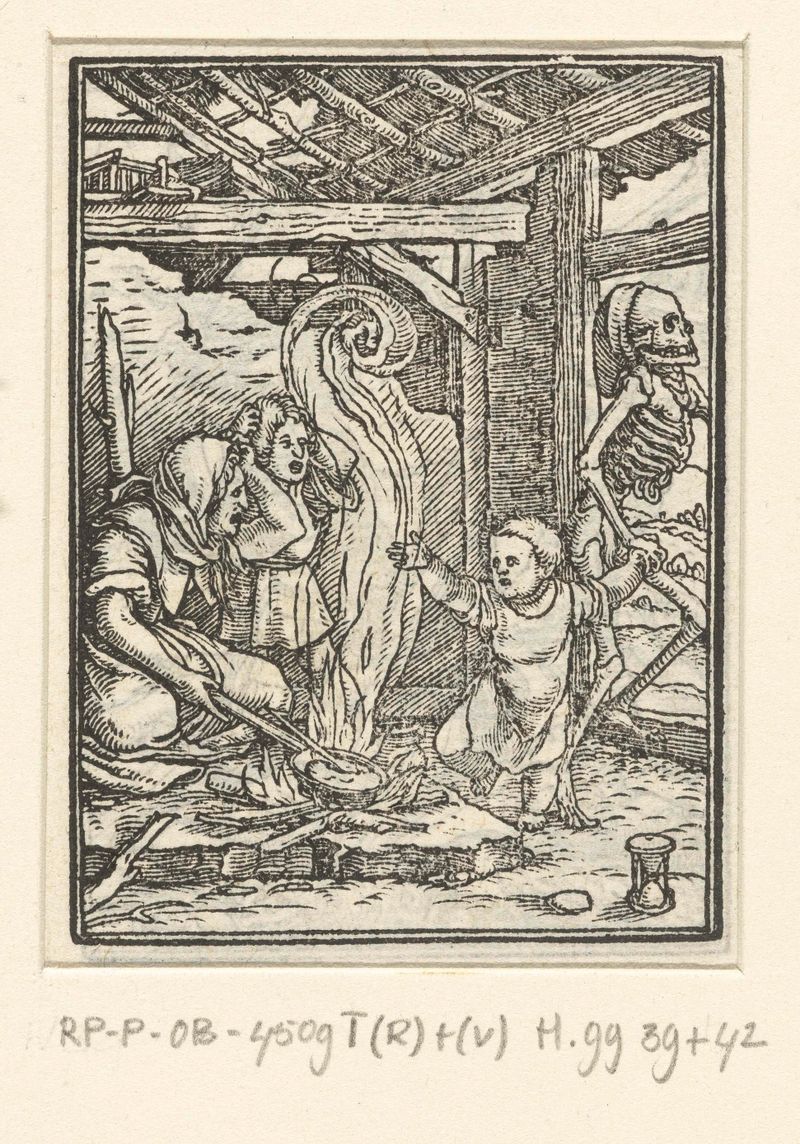
Kind en de Dood
Hans Holbein (II)
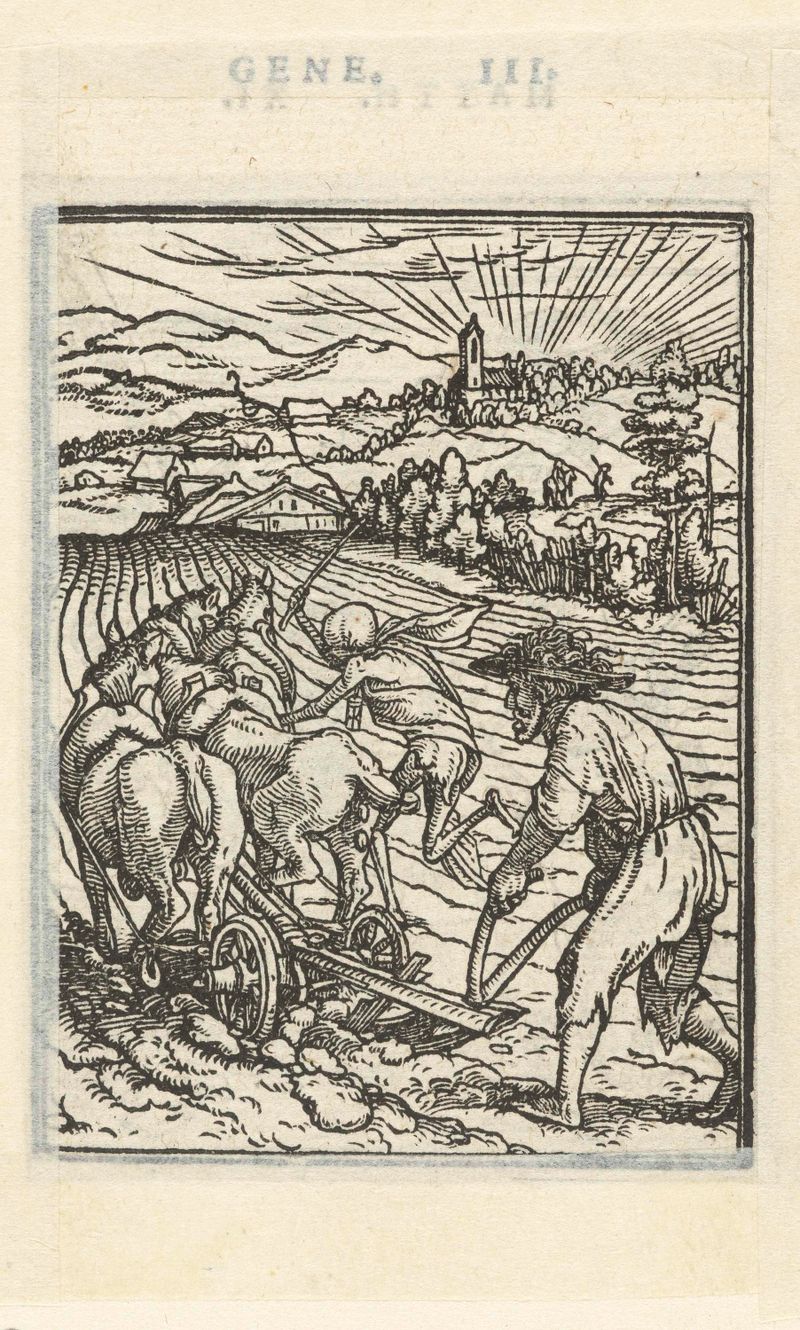
Boer en de Dood
Hans Holbein (II)
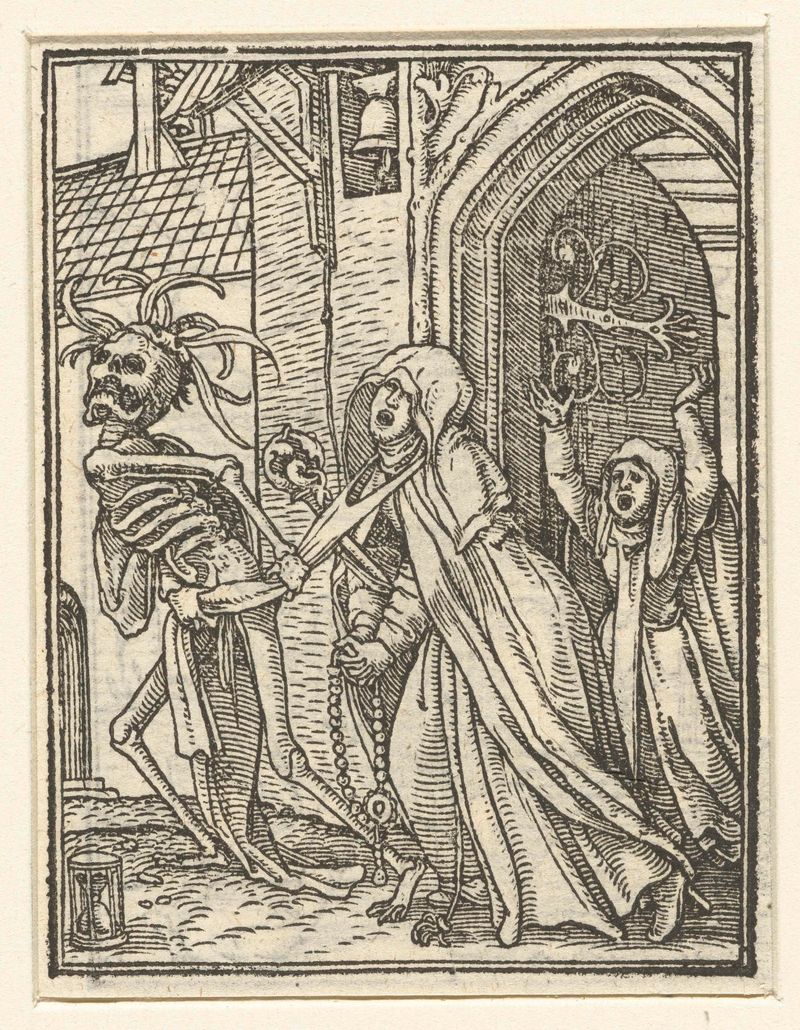
Abdis en de Dood
Hans Holbein (II)
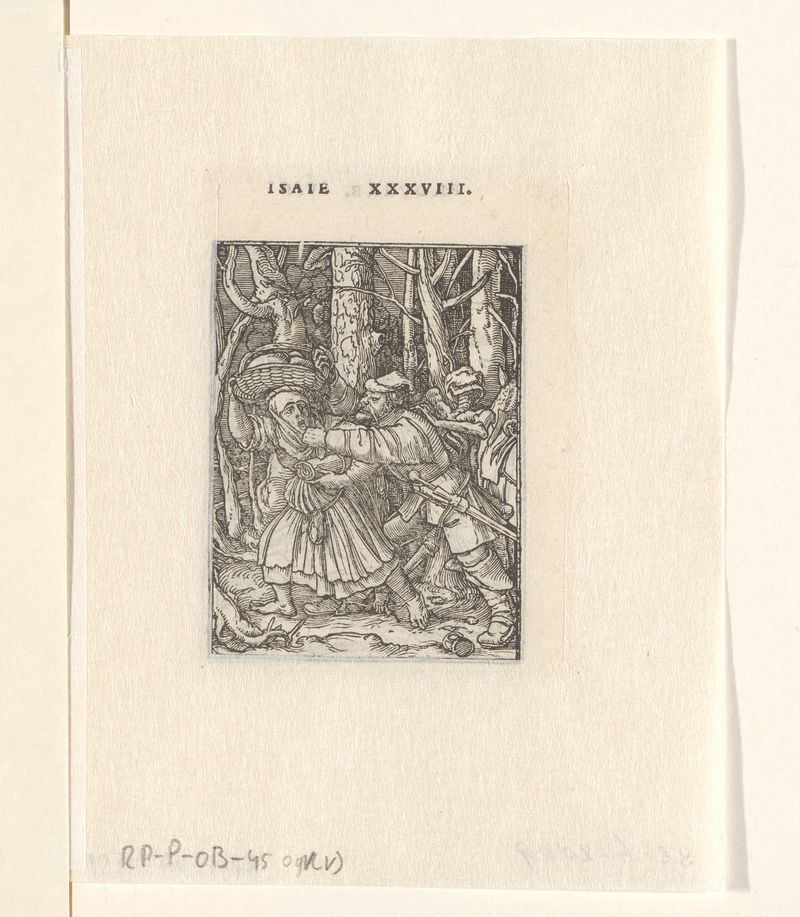
Dief en de Dood
Hans Holbein (II)
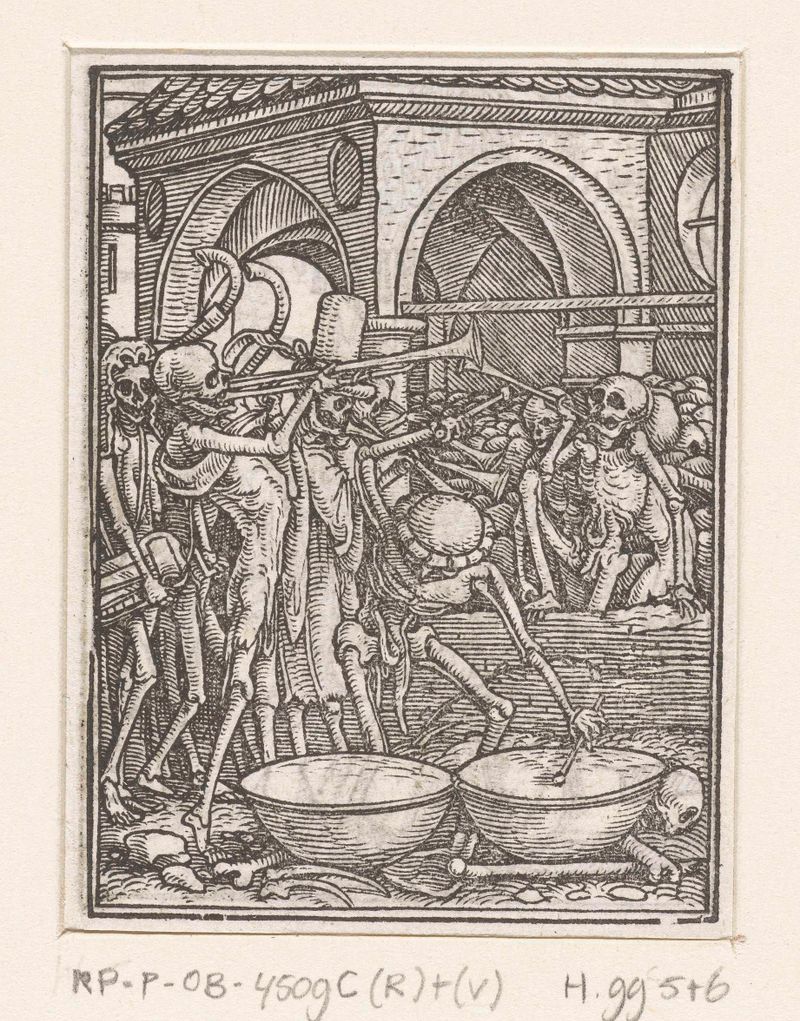
Skeletons Making Music from Dance of the Dead
Hans Holbein (II)
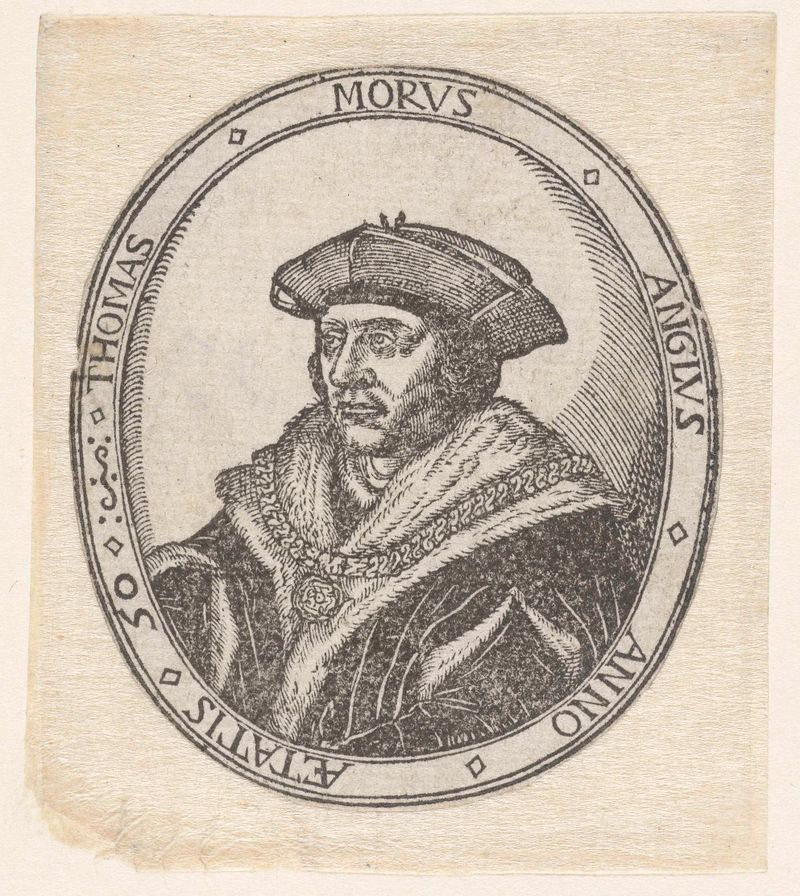
Portret van Thomas More
Hans Holbein (II)
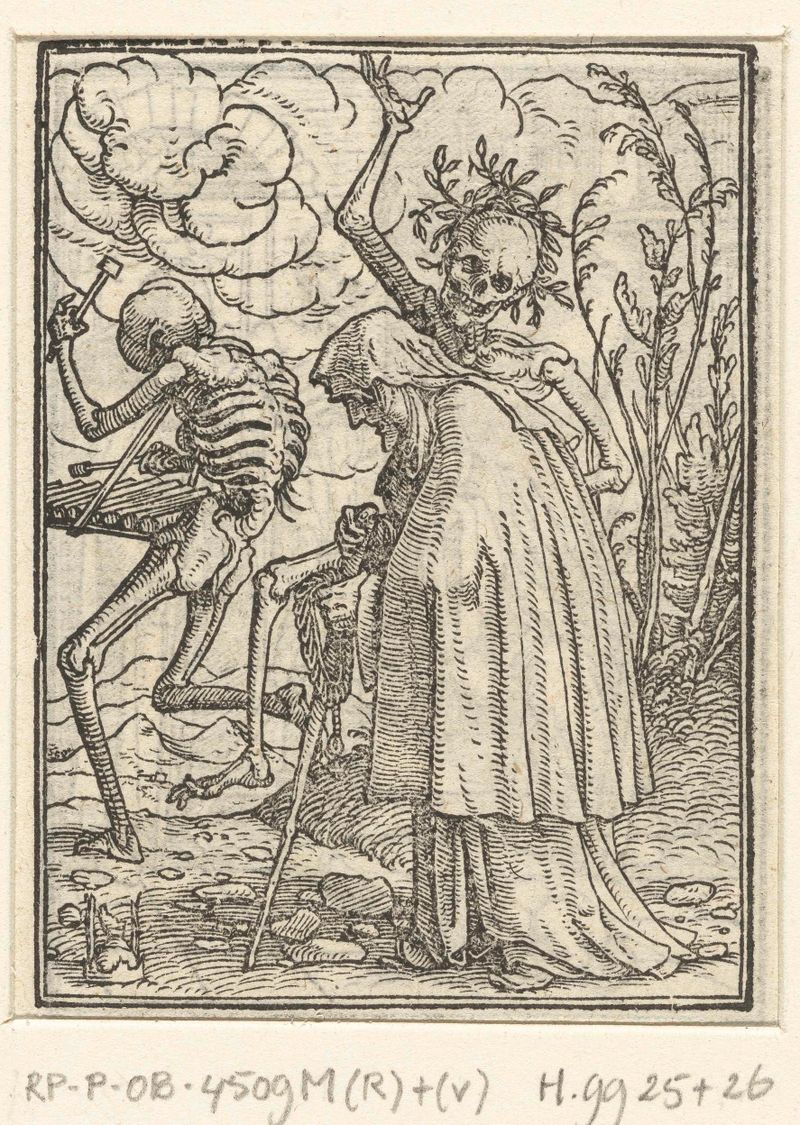
Oude vrouw en de Dood
Hans Holbein (II)
More Historical Art
Browse all →
The Night Watch Militia Company of District II under the Command of Captain Frans Banninck Cocq
Rembrandt van Rijn

Lincoln Memorial
Henry Bacon

The Third of May 1808
Francisco de Goya

Isaac and Rebecca, Known as ‘The Jewish Bride’
Rembrandt van Rijn

The Charge of the Mamelukes (1814)
Francisco de Goya

De vier ruiters van de apocalyps
Albrecht Dürer