Discover insights about this artwork
Neopolitan triton (Cymatium parthenopeum) — History & Facts
In Neopolitan triton (Cymatium parthenopeum), Wenceslaus Hollar presents a striking marine scene. The etching features a detailed representation of a triton, showcasing its intricate shell patterns and textures. The colors are muted, with soft browns and greens dominating the composition, evoking a sense of the natural world.
The background is minimal, allowing the viewer to focus on the triton itself. This artwork is an etching, a printmaking technique that involves incising a design onto a metal plate. Hollar's precise lines and attention to detail are evident in the delicate rendering of the triton's features. The dimensions of the piece are approximately 25 x 35 cm, making it a modestly sized work.
The etching technique allows for fine details, which Hollar expertly captures. Wenceslaus Hollar was a Czech engraver and etcher known for his detailed landscapes and natural history illustrations. This particular work, created in the 1650s, reflects the Baroque interest in nature and scientific observation. An interesting fact about this etching is that it showcases a specific marine species, the Neapolitan triton, which was significant in the study of marine biology during Hollar's time.
Hollar's works are often celebrated for their meticulous detail and accuracy.
More Artworks by Wenceslaus Hollar
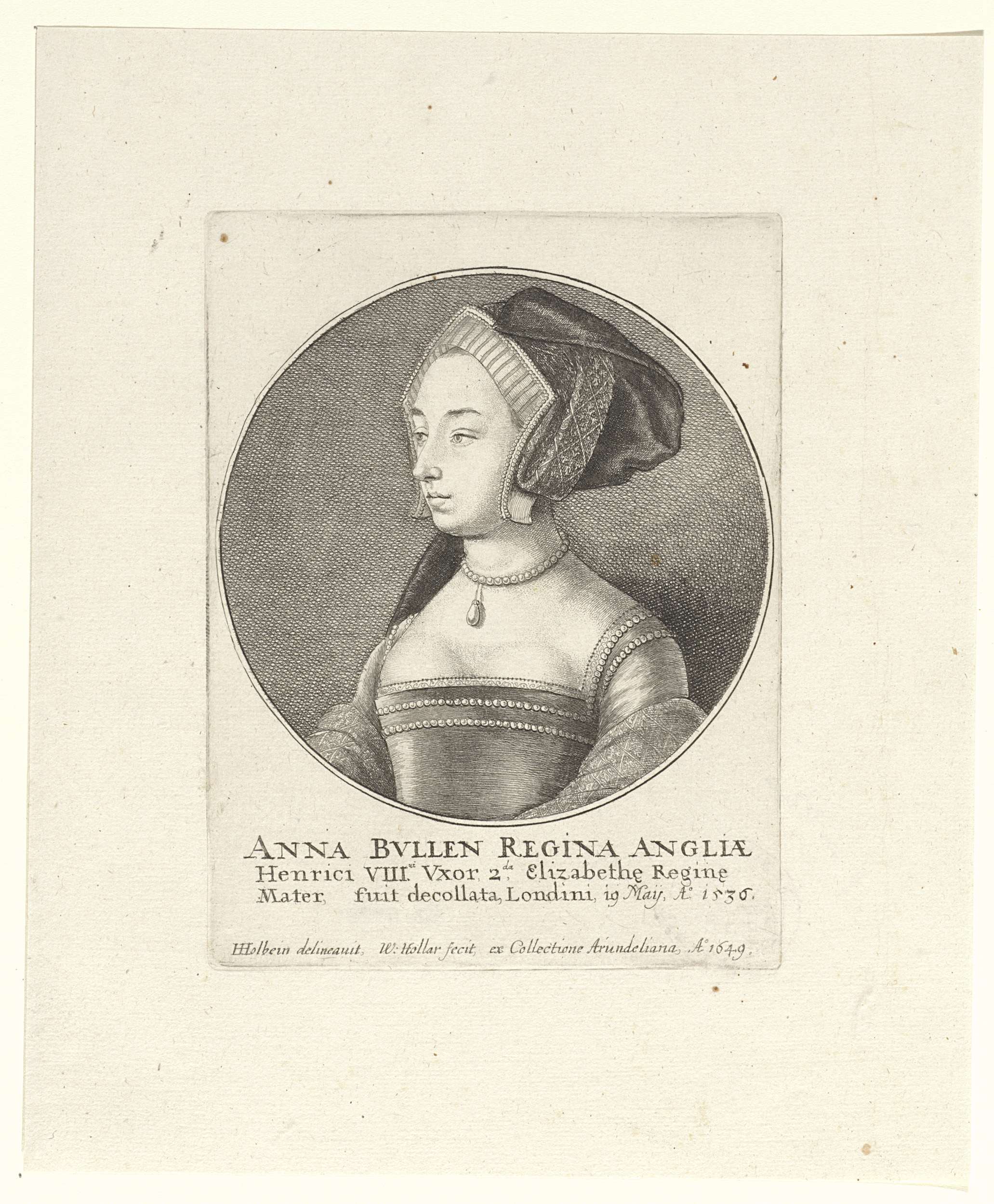
Portret van Anna Boleyn, koningin van Engeland
Wenceslaus Hollar
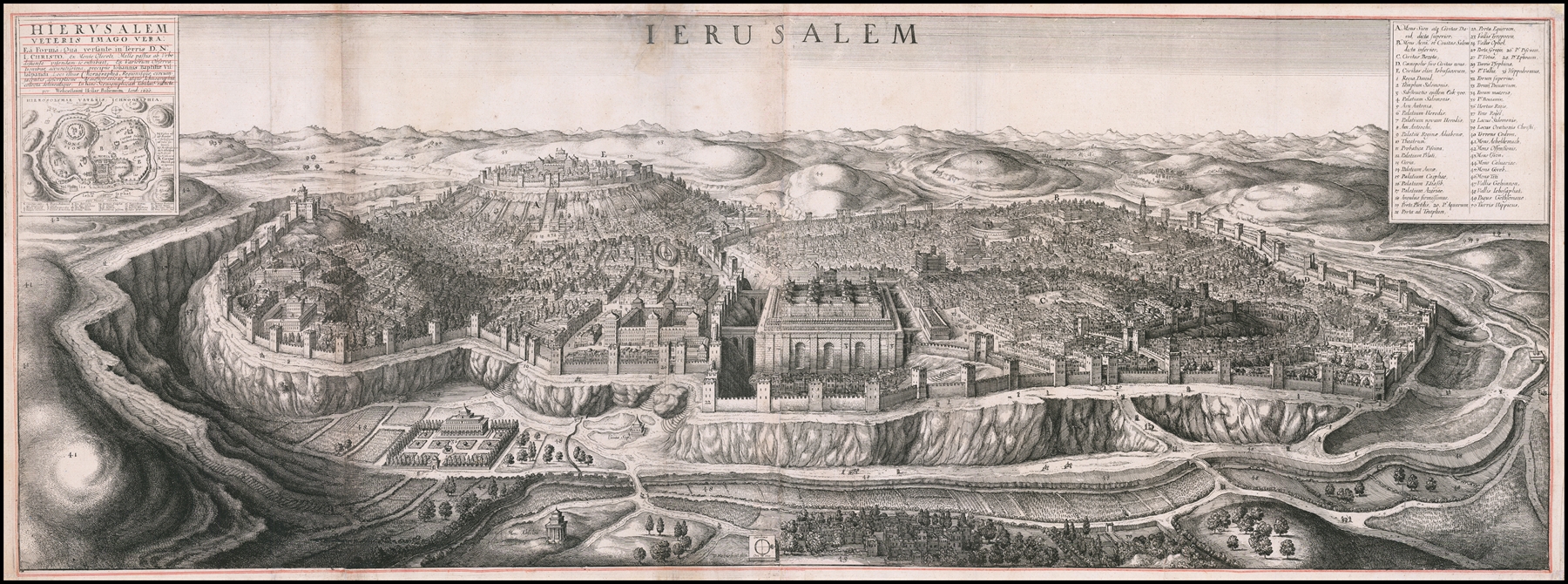
Bird’s eye view of Jerusalem
Wenceslaus Hollar
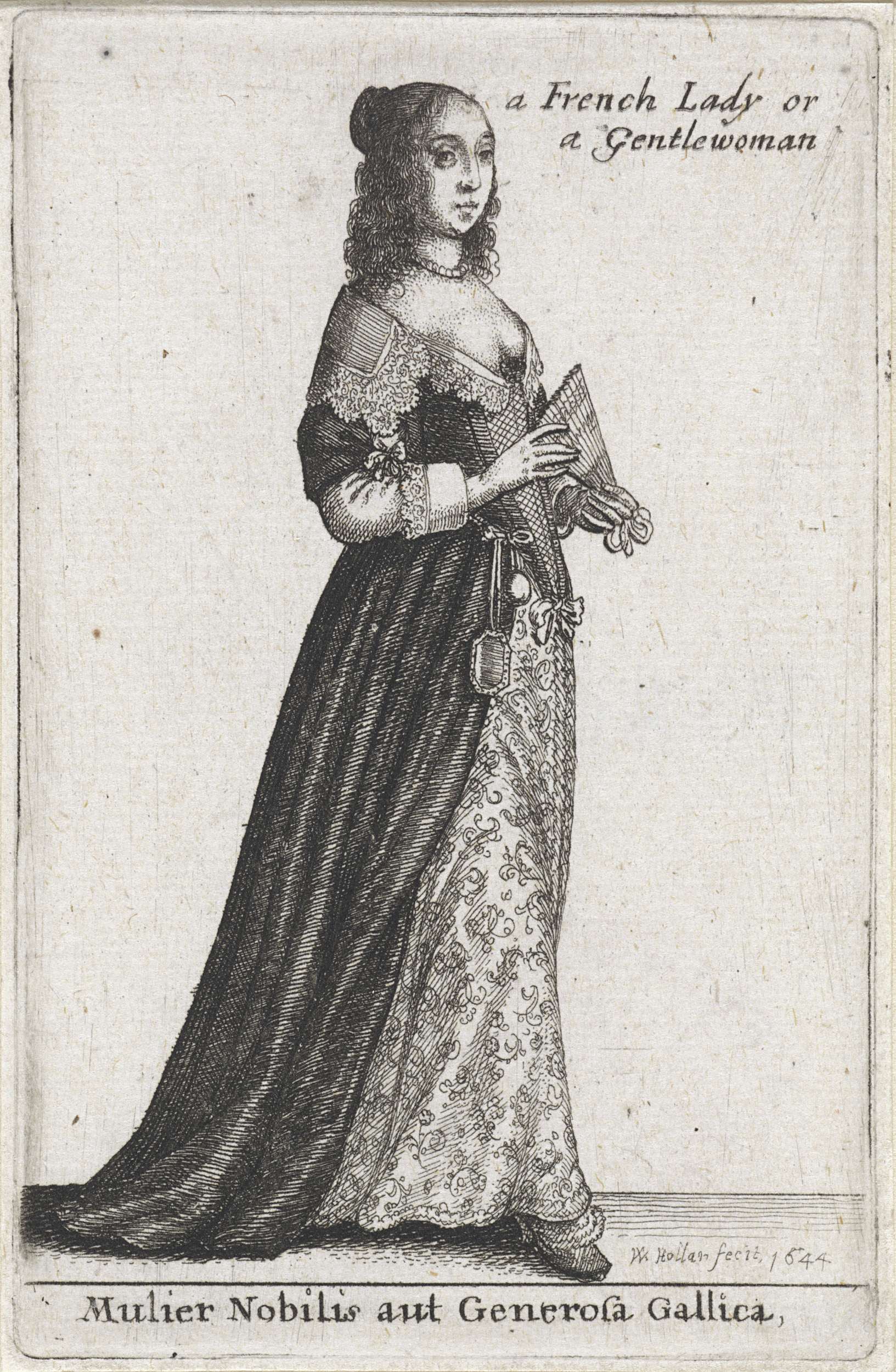
Mulier Nobilis aut Generosa Gallica / a French Lady or Gentlewoman
Wenceslaus Hollar
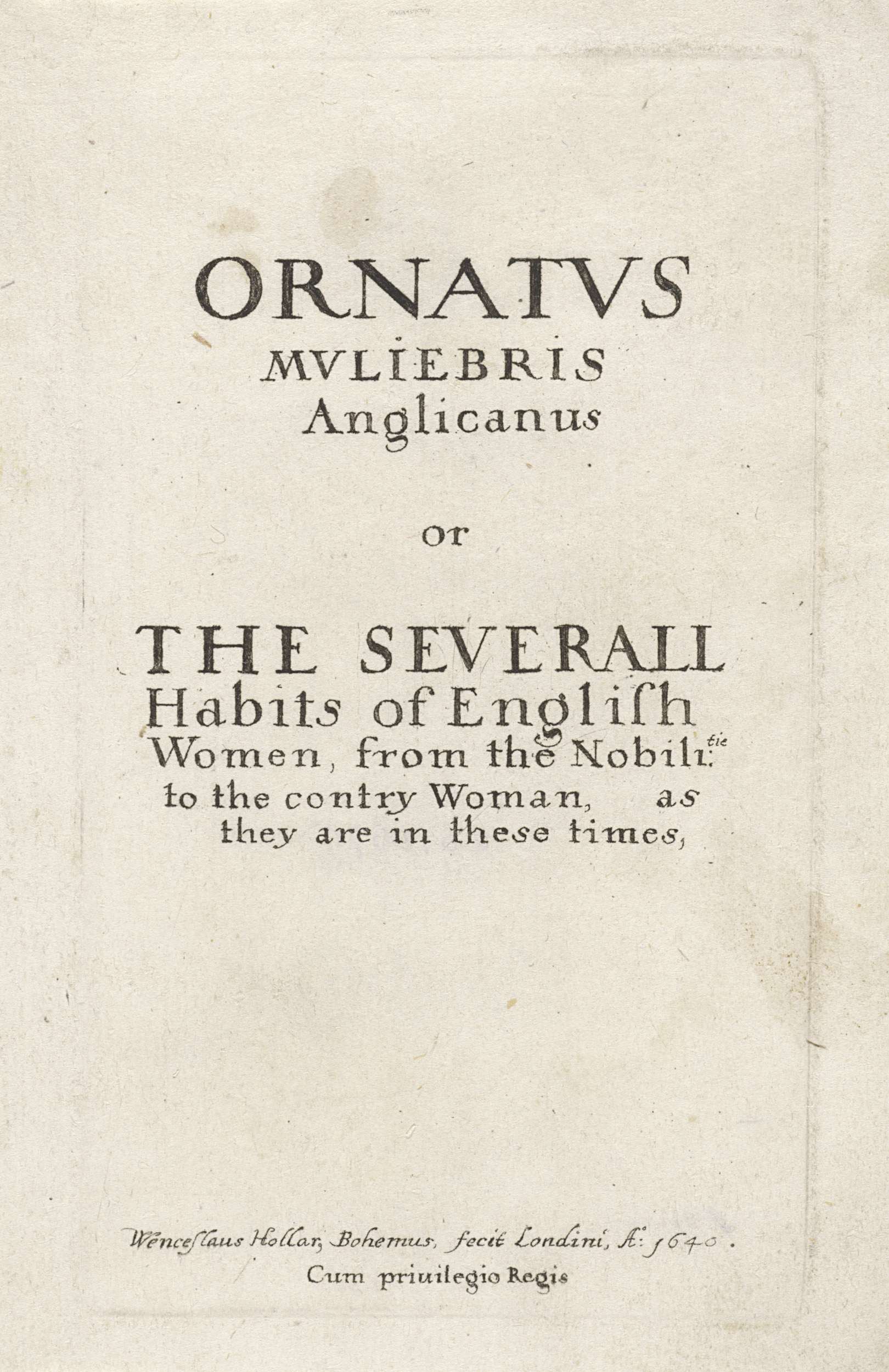
Titelprent voor: Ornatus Muliebris Anglicanus
Wenceslaus Hollar
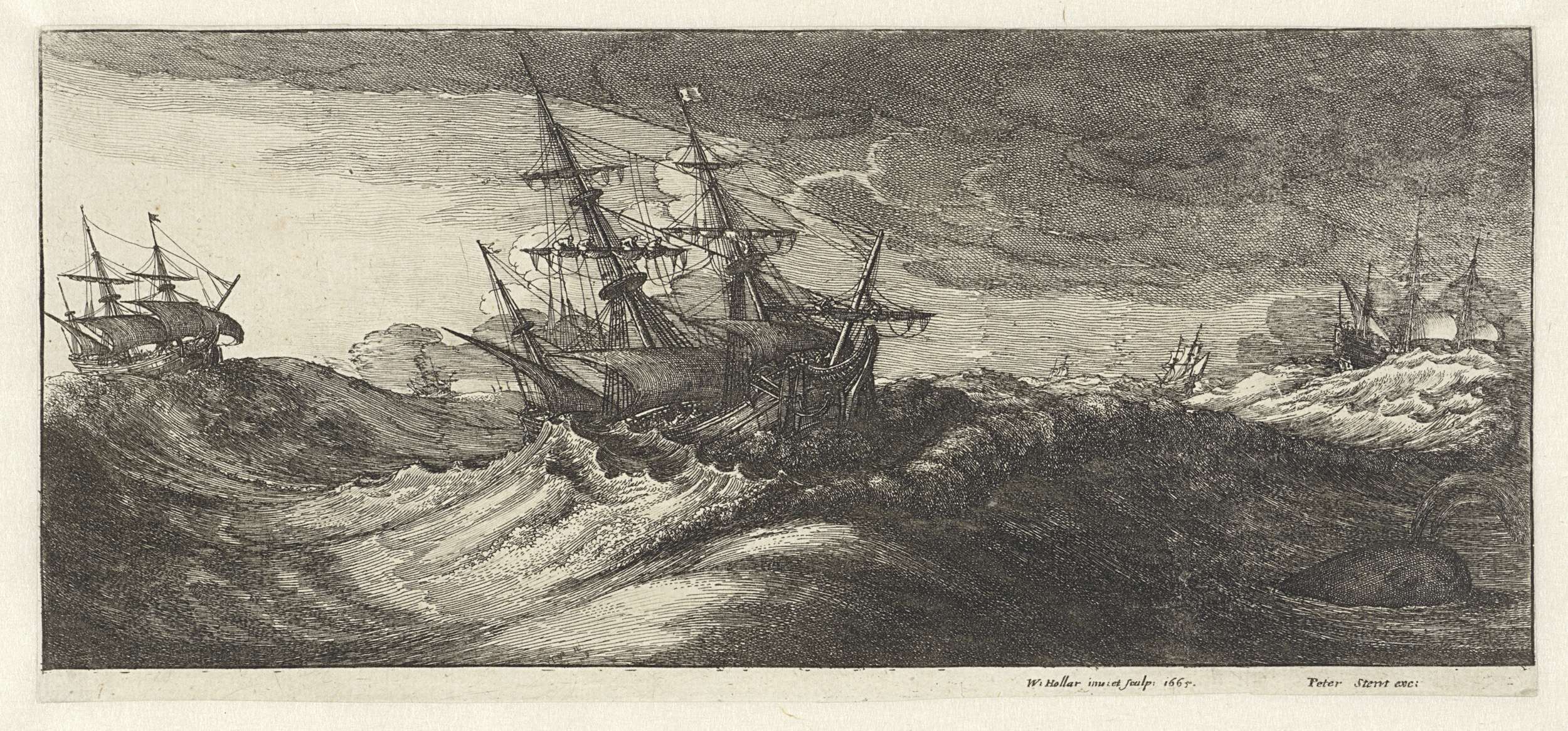
Oorlogsschepen en een walvis in een zeestorm
Wenceslaus Hollar
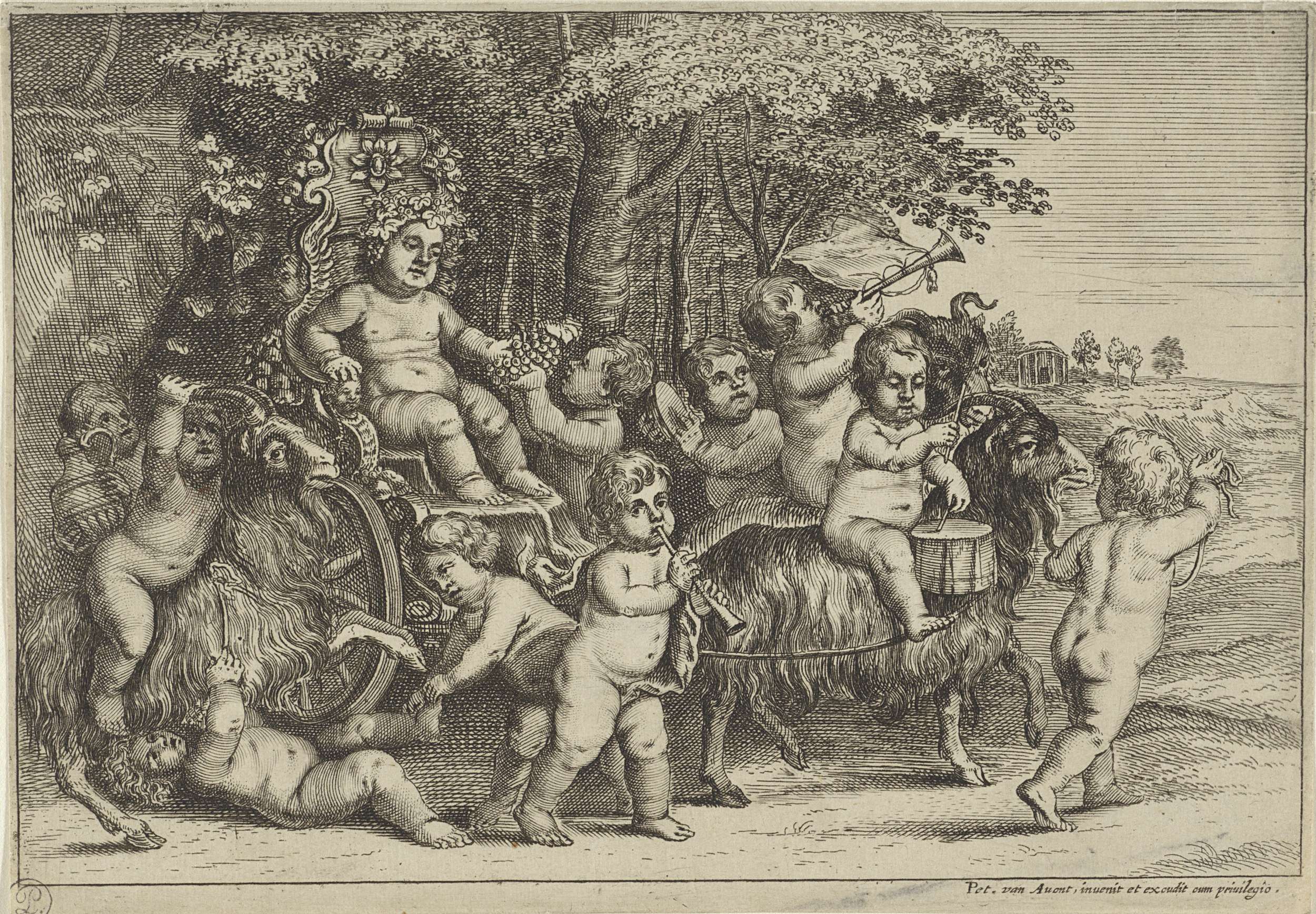
Optocht van bacchant en jongetjes op geiten
Wenceslaus Hollar
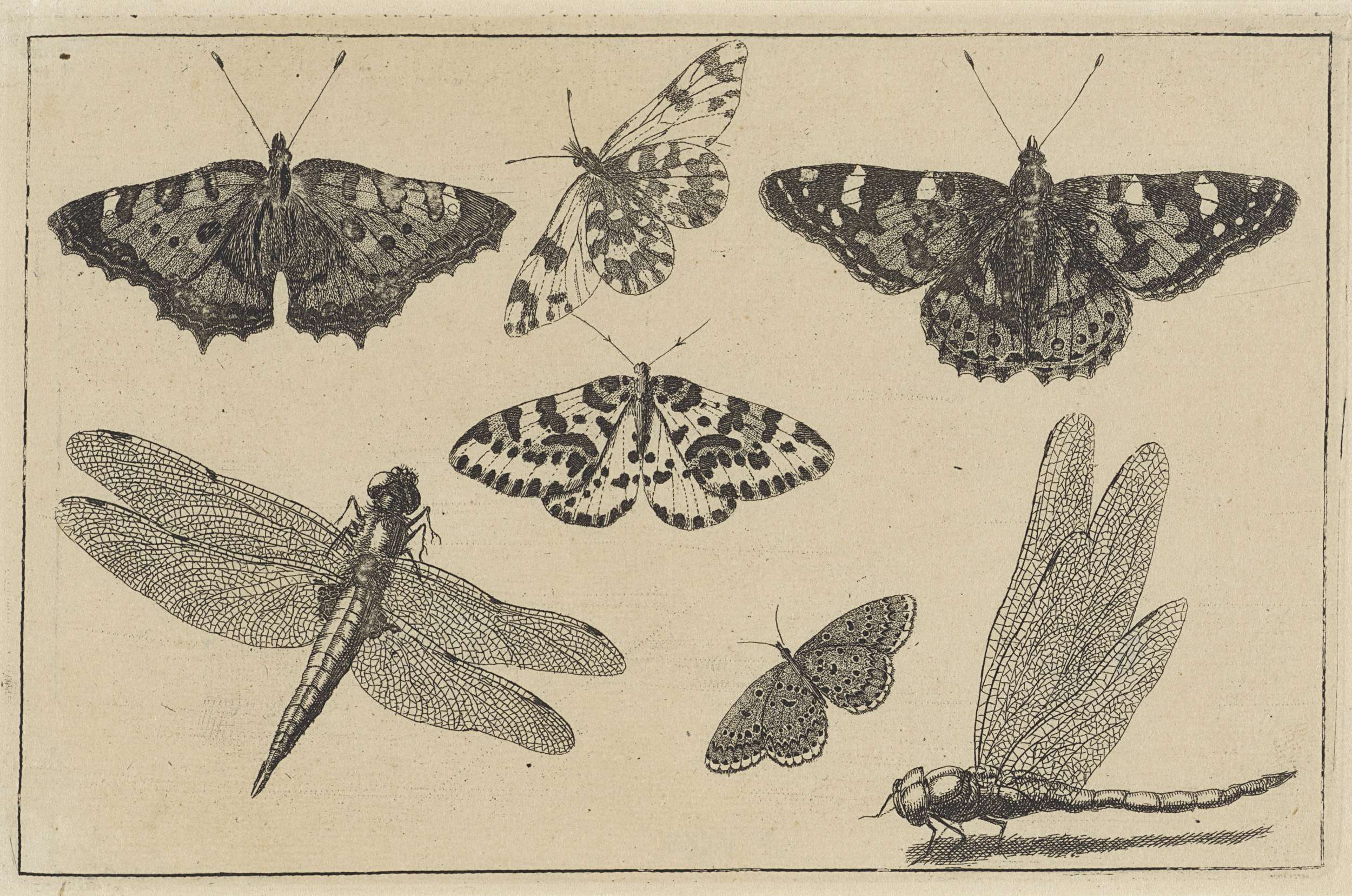
Twee libellen en vijf vlinders
Wenceslaus Hollar
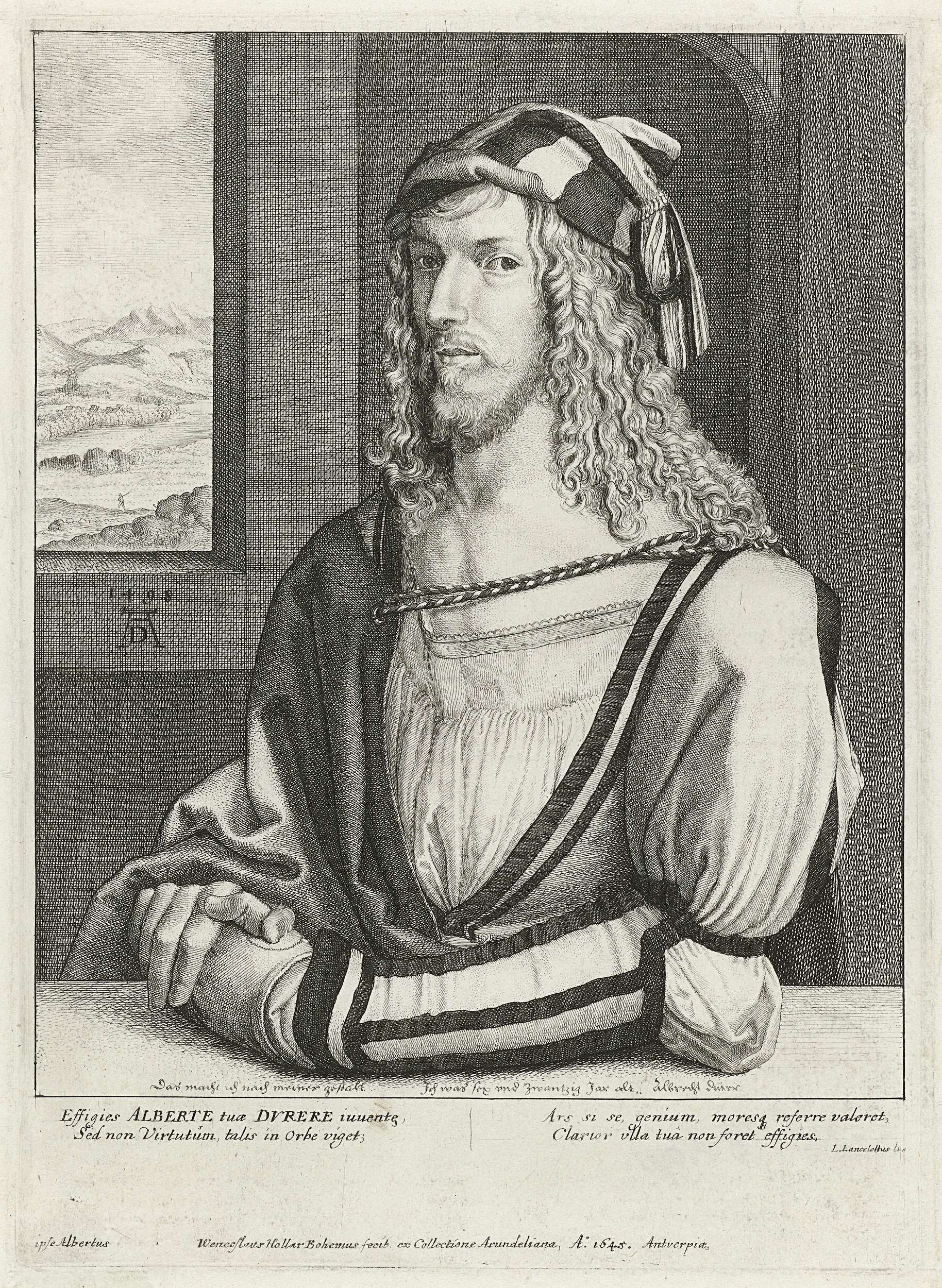
Portret van Albrecht Dürer
Wenceslaus Hollar
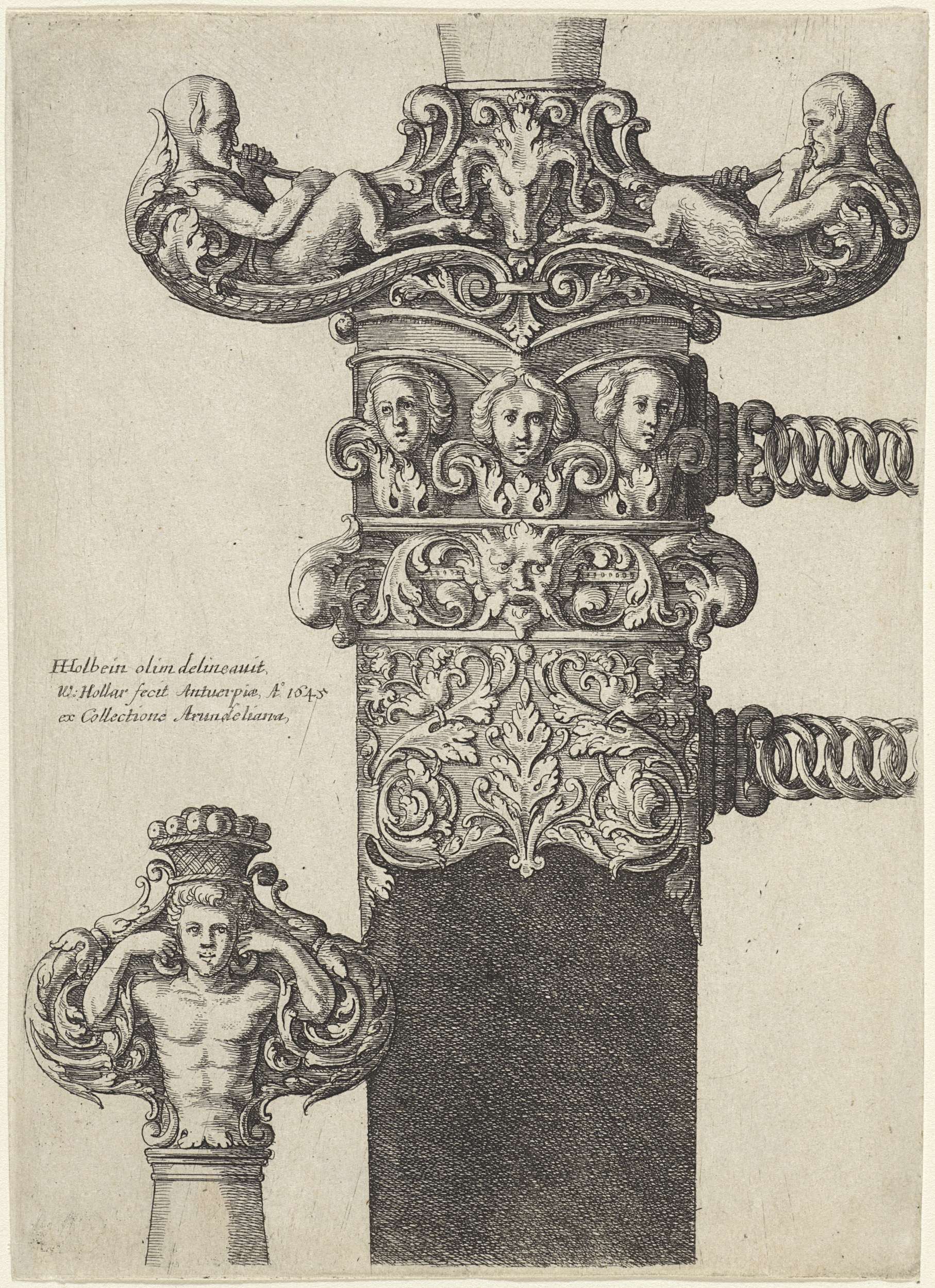
Ornamenteel ontwerp voor een dolk
Wenceslaus Hollar
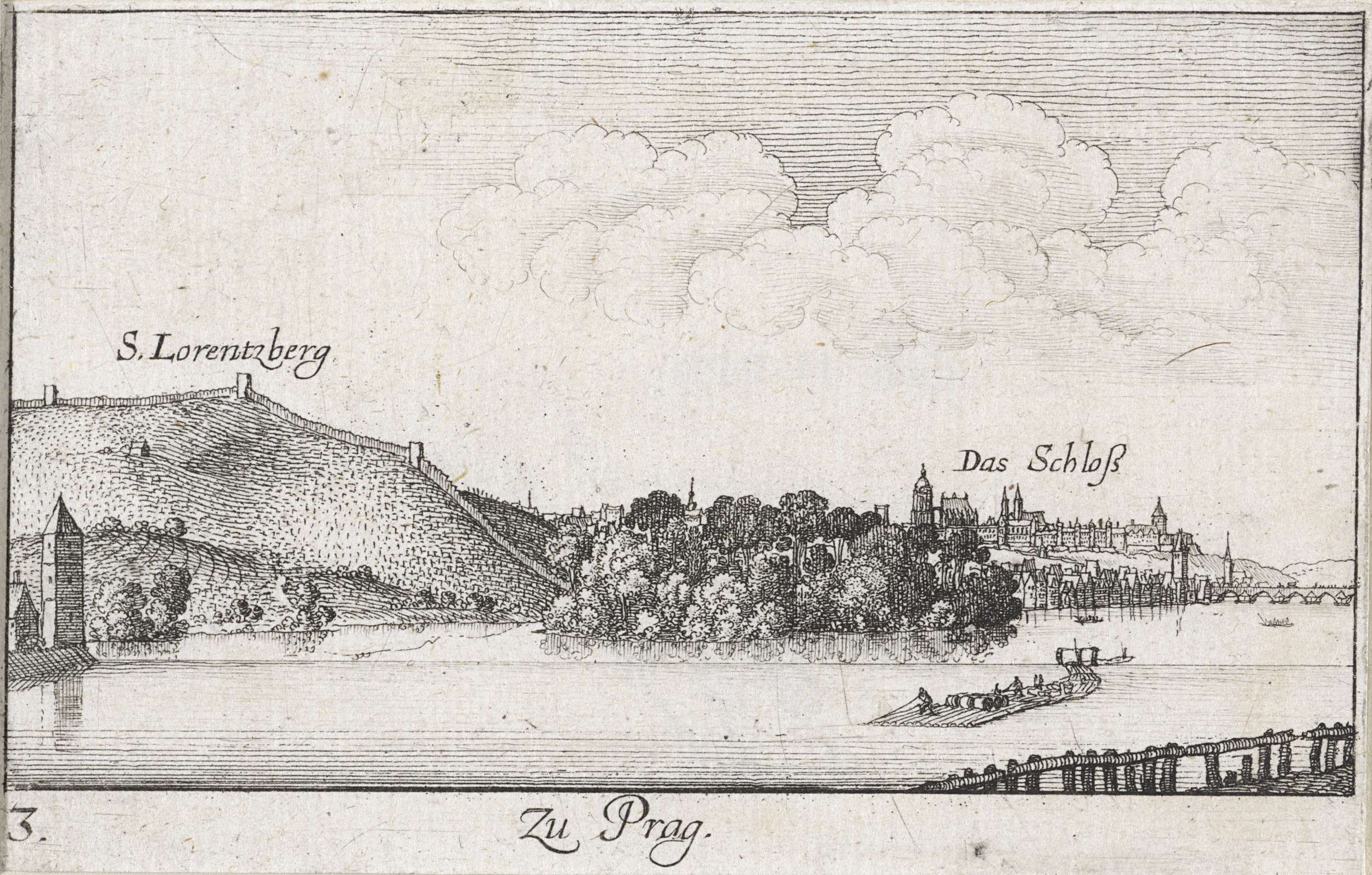
Gezicht op Praag vanaf de Moldau
Wenceslaus Hollar