
Niagara — History & Facts
In the tumult of life, the fleeting nature of existence dances like the powerful waters cascading down the iconic cliffs of Niagara. This visceral reminder of mortality captures both the beauty and the danger woven into our shared experience, urging a reflection on the passage of time. Look to the foreground, where the frothy white waves churn restlessly against the dark rocks, contrasting the vibrant greens and blues above. Notice how Inness skillfully blends soft, atmospheric light with dramatic brush strokes, creating a sense of movement that draws the viewer’s eye deeper into the scene.
The trees sway gently in the breeze, their leaves catching the sun, while the vast sky looms overhead, depicted in a gradient of rich hues that evoke the tranquility after a turbulent storm. Amid the grandeur of nature, hidden meanings emerge: the juxtaposition of calm and chaos mirrors life's unpredictable journey, where beauty often coexists with danger. Each brushstroke carries a weight of emotion, reminding us of our fragility against nature's overwhelming power. The gentle light piercing through the clouds hints at hope, even amidst the relentless flow of water, reflecting the cycle of life and the inevitability of death. Created in 1889, this piece marked a significant phase in Inness’s career, as he sought to express the spiritual essence of nature.
While living in Montclair, New Jersey, he was increasingly influenced by transcendental philosophy, which urged an understanding of nature as a pathway to the divine. This period saw a shift in American landscape painting, as artists began to capture not just the visual aspects but also the emotional resonance of their subjects, positioning Inness as a pioneering figure in this transformative movement.
More Artworks by George Inness
Browse all →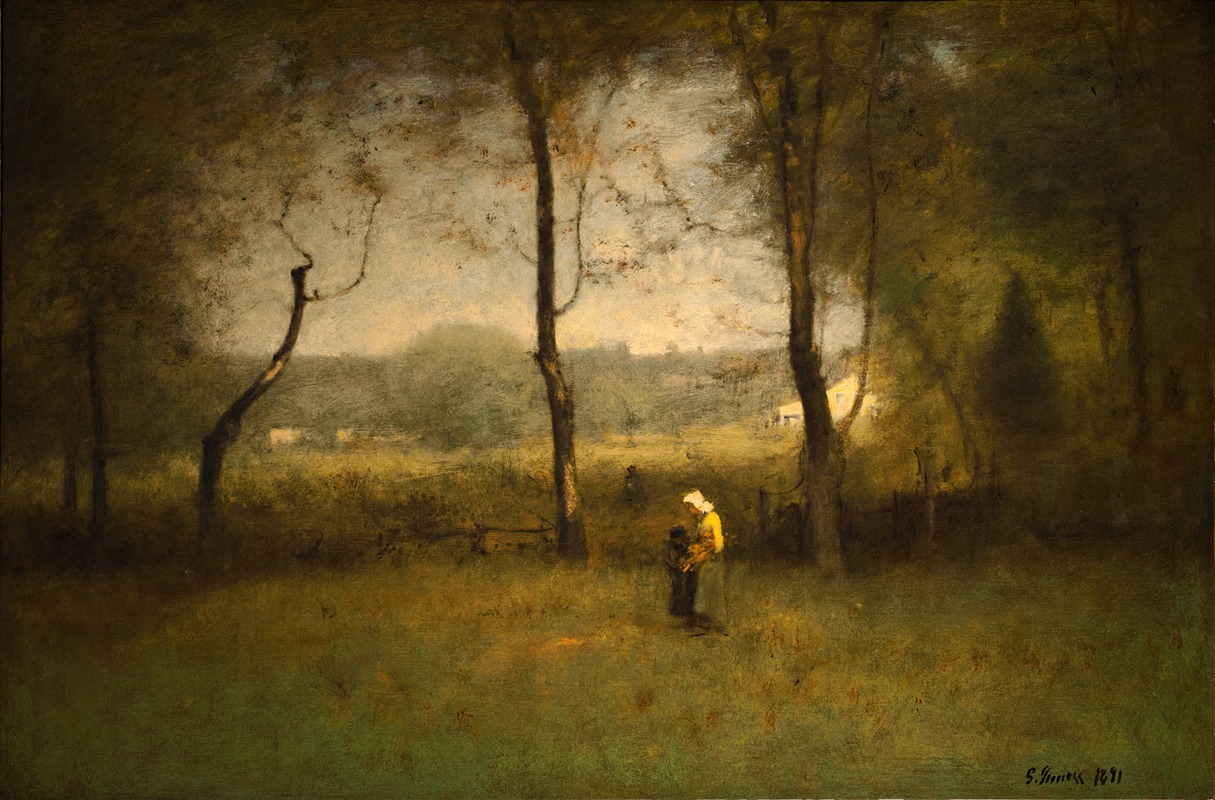
Autumn Woods
George Inness
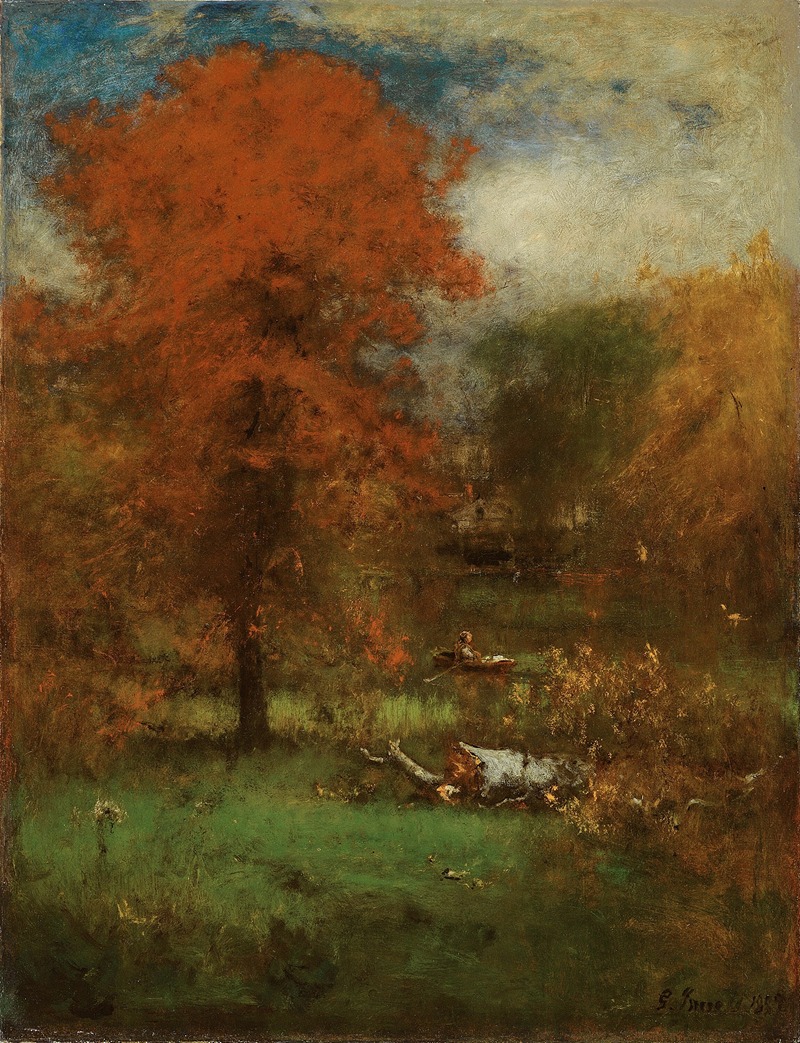
The Mill Pond
George Inness
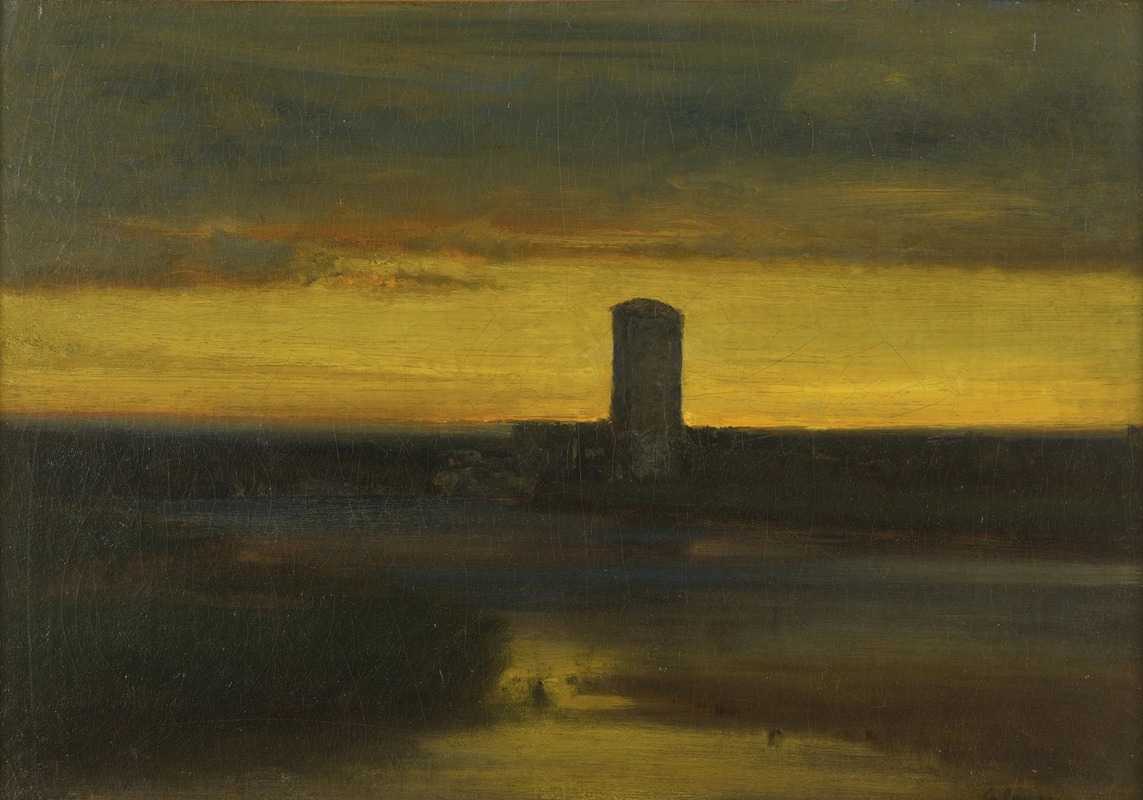
Afterglow
George Inness
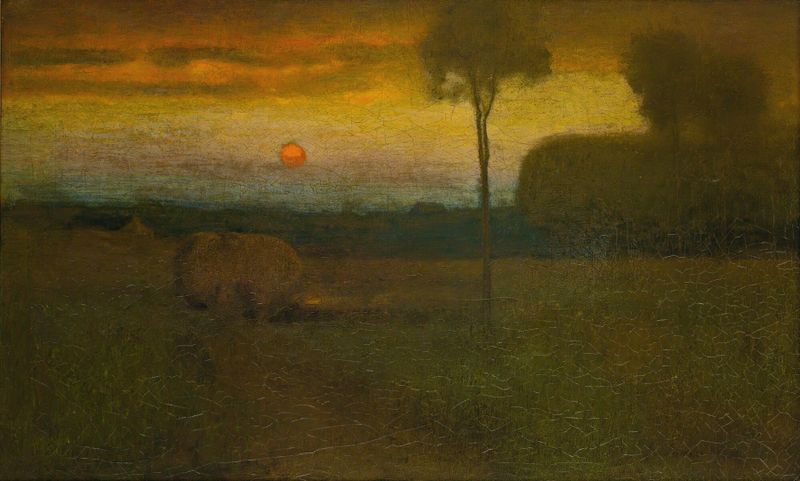
Landscape (Evening Landscape)
George Inness

Montclair
George Inness

View in Berkshire County, Massachusetts, Clearing Off after a September Storm
George Inness

October
George Inness
Landscape, Sunset
George Inness
Afterglow
George Inness
Catskill Mountains
George Inness





