
Niagara Falls — History & Facts
In the midst of relentless noise and chaos, the stillness of nature beckons us to discover deeper ecstasies. Look to the left, where a cascade of vibrant greens mingles with the tranquil blues of the falling water. Notice how the expertly layered brushstrokes create a sense of movement, as if the very air vibrates with the roar of Niagara Falls. The sunlight glimmers on the surface, casting a silvery sheen that invites your gaze to linger.
The composition, with its gentle curves and sweeping lines, draws the viewer into an immersive embrace of the natural world. Yet beneath the surface beauty lies a tension, a contrast between the serene landscape and the powerful rush of water. The juxtaposition of light and shadow evokes a duality — the calmness of the foreground offsetting the forceful tumble of the falls. Inness captures not only the physical grandeur but a sense of spiritual ecstasy, portraying nature as both a refuge and a force of unrelenting power.
The viewer is left to ponder the relationship between humanity and the sublime. Created in 1885, this work emerged from Inness’s fascination with the American landscape during a transformative era in art. Living in New Jersey, he was deeply influenced by the ideas of the Hudson River School, yet sought to move beyond their rigid realism. As the Impressionist movement gained momentum, he embraced a more emotive approach, aiming to express the profound connection between man and nature, a sentiment that resonates powerfully in this depiction of one of the world’s natural wonders.
More Artworks by George Inness
Browse all →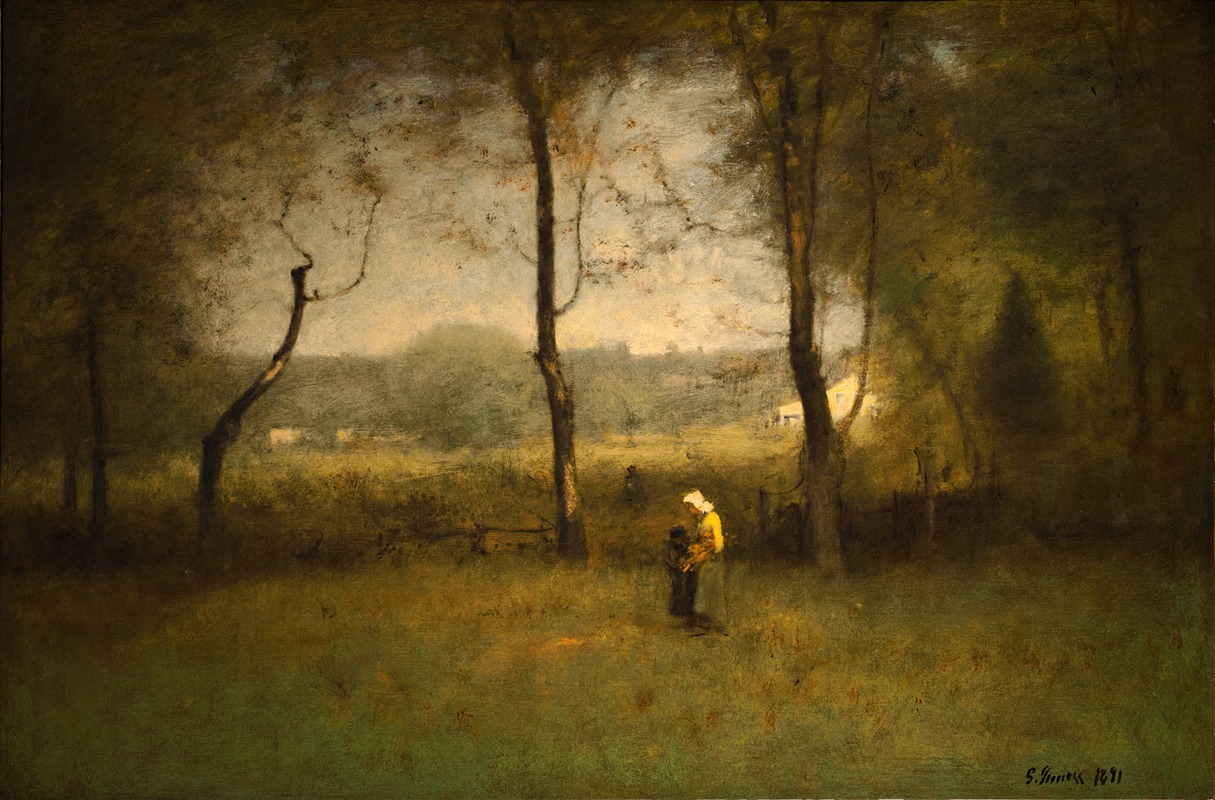
Autumn Woods
George Inness
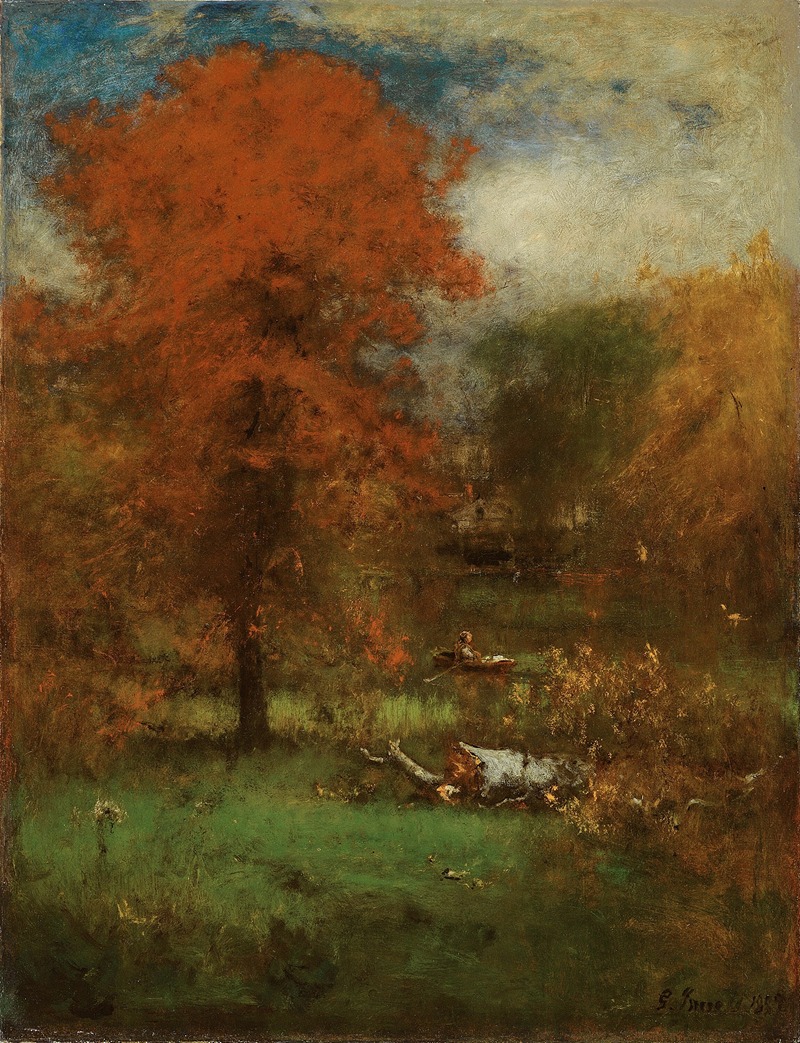
The Mill Pond
George Inness
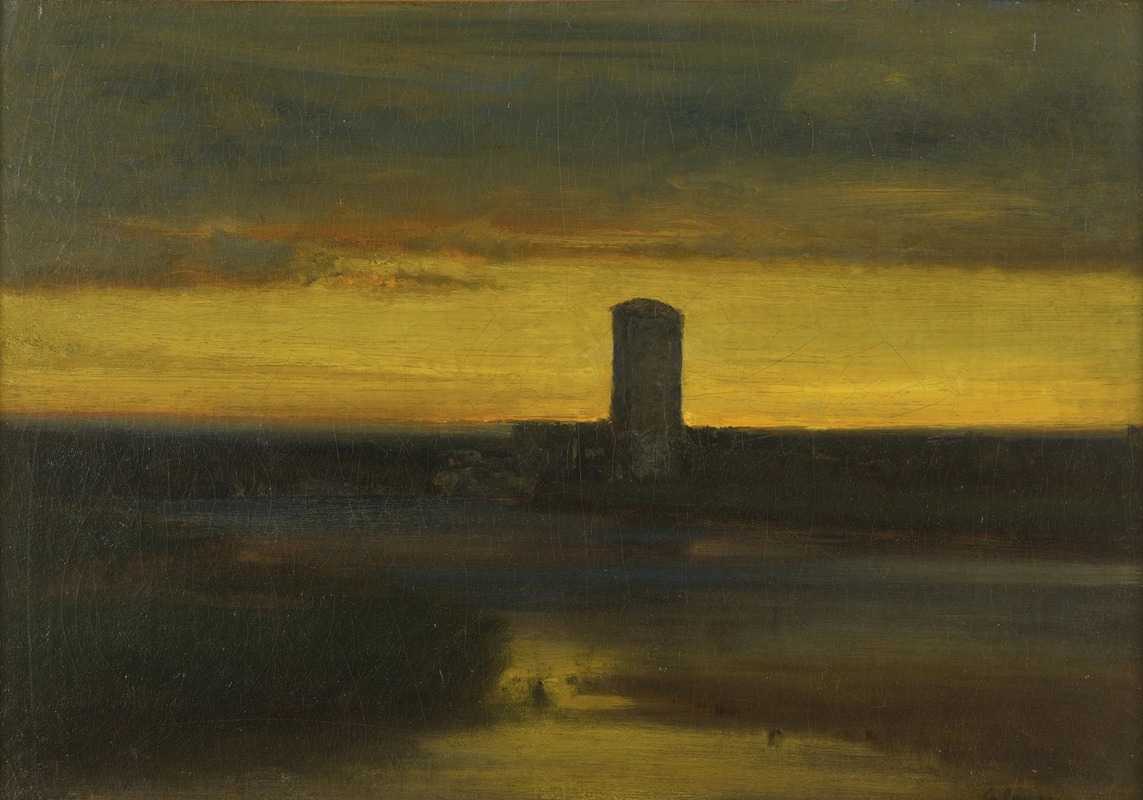
Afterglow
George Inness
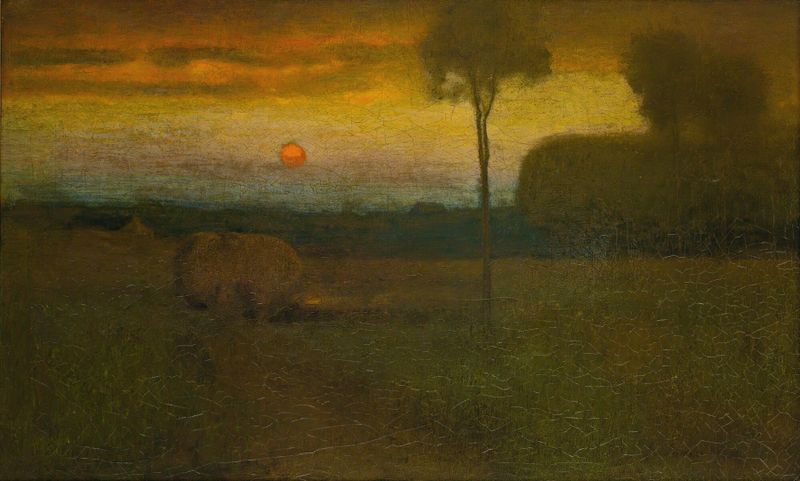
Landscape (Evening Landscape)
George Inness

Montclair
George Inness

View in Berkshire County, Massachusetts, Clearing Off after a September Storm
George Inness

October
George Inness
Landscape, Sunset
George Inness
Afterglow
George Inness
Catskill Mountains
George Inness





