Nimf Corsica mishandeld door een satyr — History & Facts
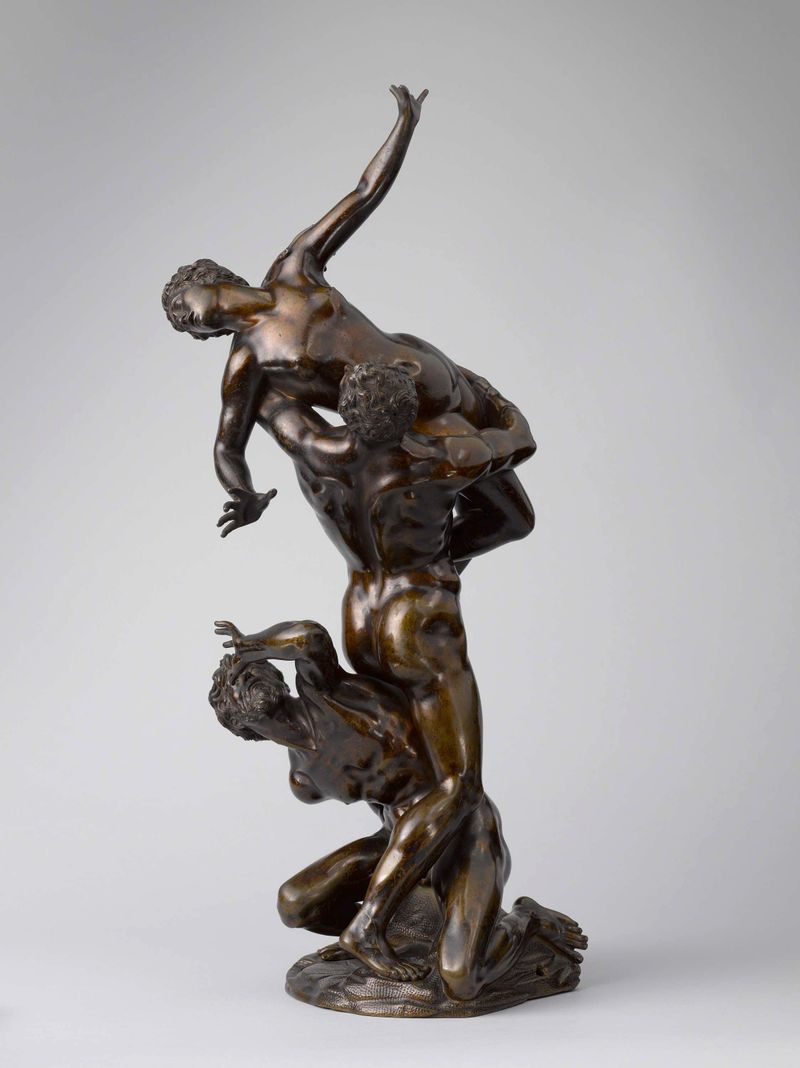
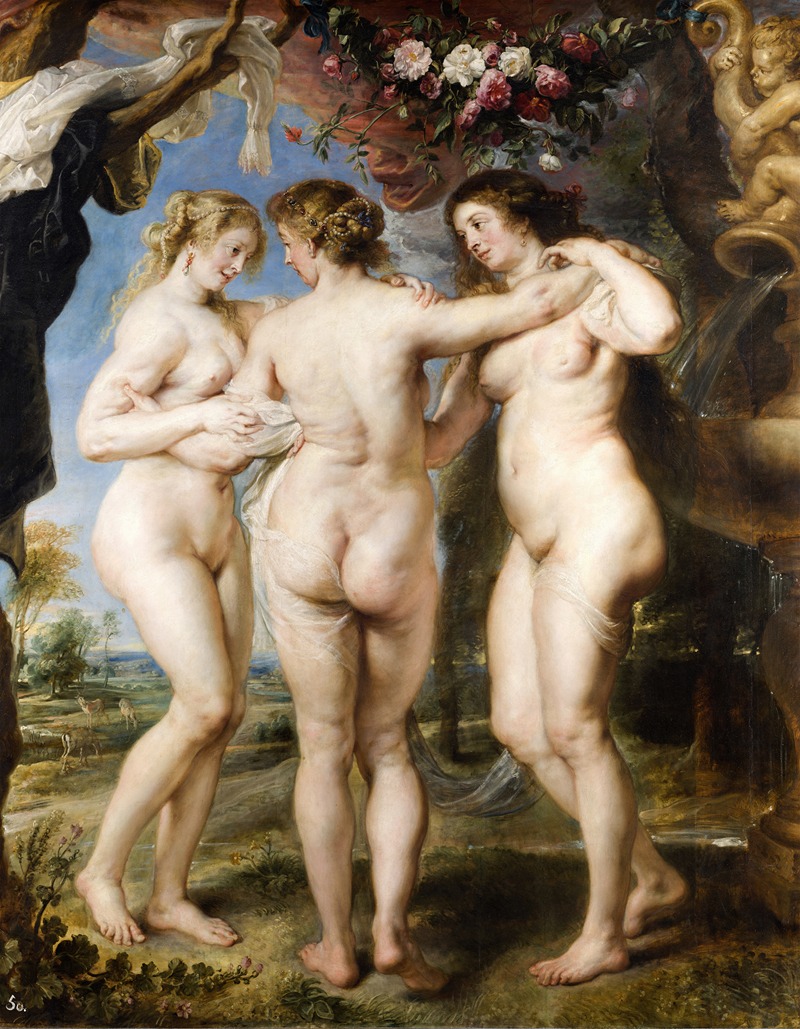
In a world where every stroke holds the potential for transformation, we are invited to witness the alchemical process of art itself. Look closely at the central figure, the nymph, her delicate form caught in a moment of distress, emanating both vulnerability and strength. Notice how the soft, muted colors of her skin contrast with the darker, earthier tones surrounding her, emphasizing her ethereal quality. The satyr, lurking in the shadows, embodies a chaotic force—his wild features and disheveled hair suggesting an unpredictable nature.
The composition draws the eye from the yearning expression of the nymph to the aggressive posture of the satyr, creating a compelling visual tension between innocence and inconstancy. Delve deeper into the smaller details that hold the narrative together. The way the nymph's hair flows like a river of gold hints at a beauty that fosters both attraction and danger. The foliage around them, lush yet thorny, symbolizes the duality of nature—its capacity for both nurturing and destruction.
Each brushstroke carries with it the weight of emotion, revealing how desire can morph into peril in an instant, thus capturing the essence of transformation. In 1640, Breenbergh was immersed in the vibrant art scene of the Dutch Golden Age. Living in a time of flourishing artistic expression, he was influenced by the interplay of light and shadow, as well as the emerging Baroque style. His exploration of mythological themes, particularly through figures like nymphs and satyrs, reflects a broader fascination with human emotion and the complexities of desire, making this work a poignant reflection of his artistic journey during a period rich with both promise and turmoil.
More Artworks by Bartholomeus Breenbergh
Browse all →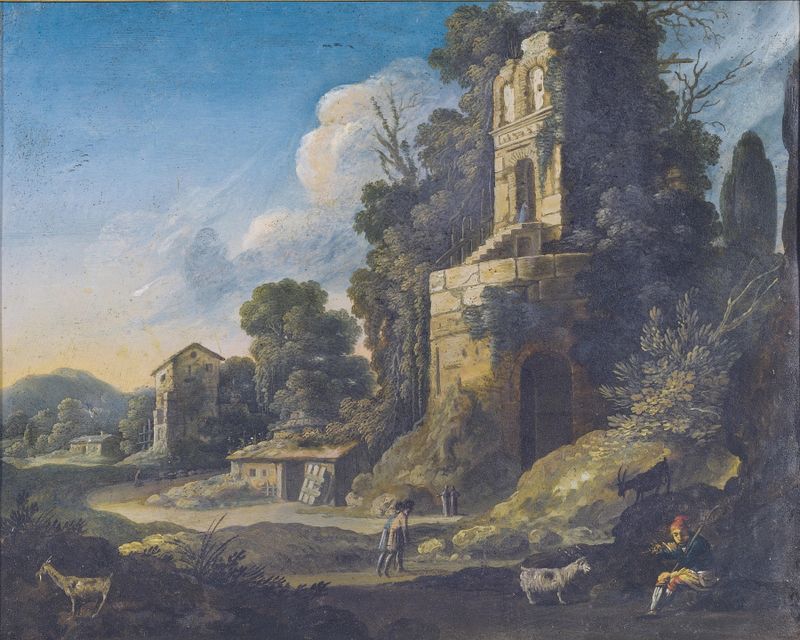
Italianate landscape with buildings and a herdsman playing pipes
Bartholomeus Breenbergh

Arcadian Landscape
Bartholomeus Breenbergh

Ruïnes van keizerlijk paleis te Rome
Bartholomeus Breenbergh

Ruïne van het Colosseum
Bartholomeus Breenbergh
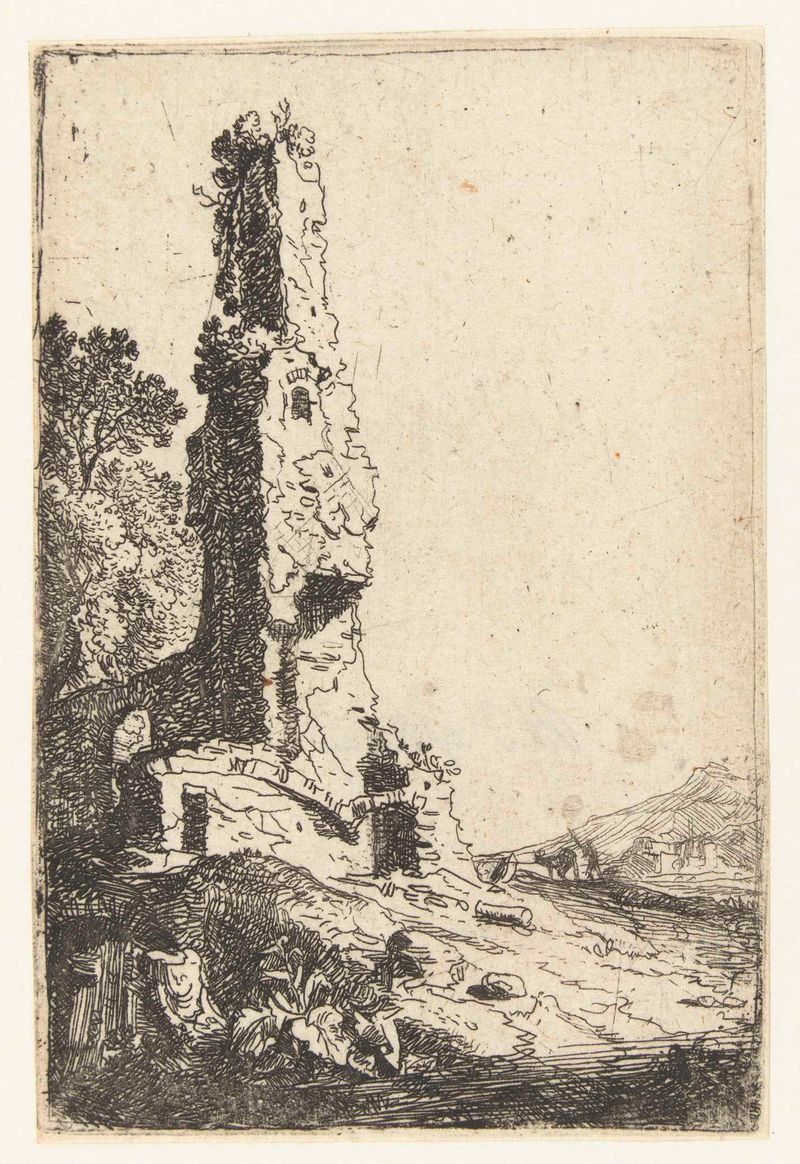
Ruïnes van de stadsmuren van Rome
Bartholomeus Breenbergh
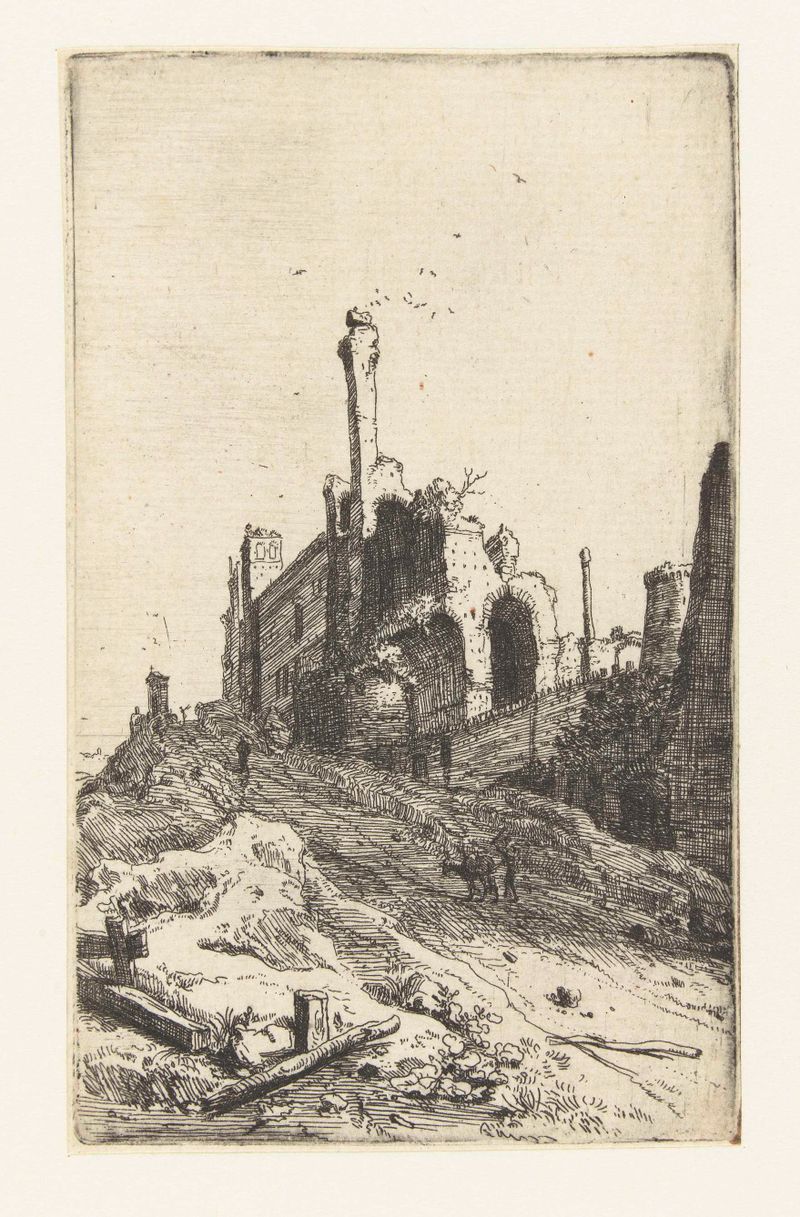
Ruïnes van een paleis te Tivoli
Bartholomeus Breenbergh

Figures Among Ruins By The Tiber
Bartholomeus Breenbergh

Italian Landscape with the Aurelian Wall
Bartholomeus Breenbergh
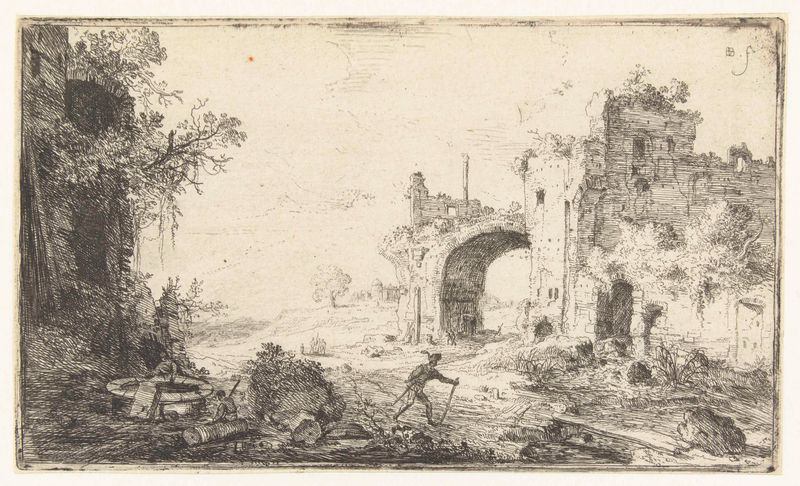
Ruïnes van de thermen van Caracalla
Bartholomeus Breenbergh
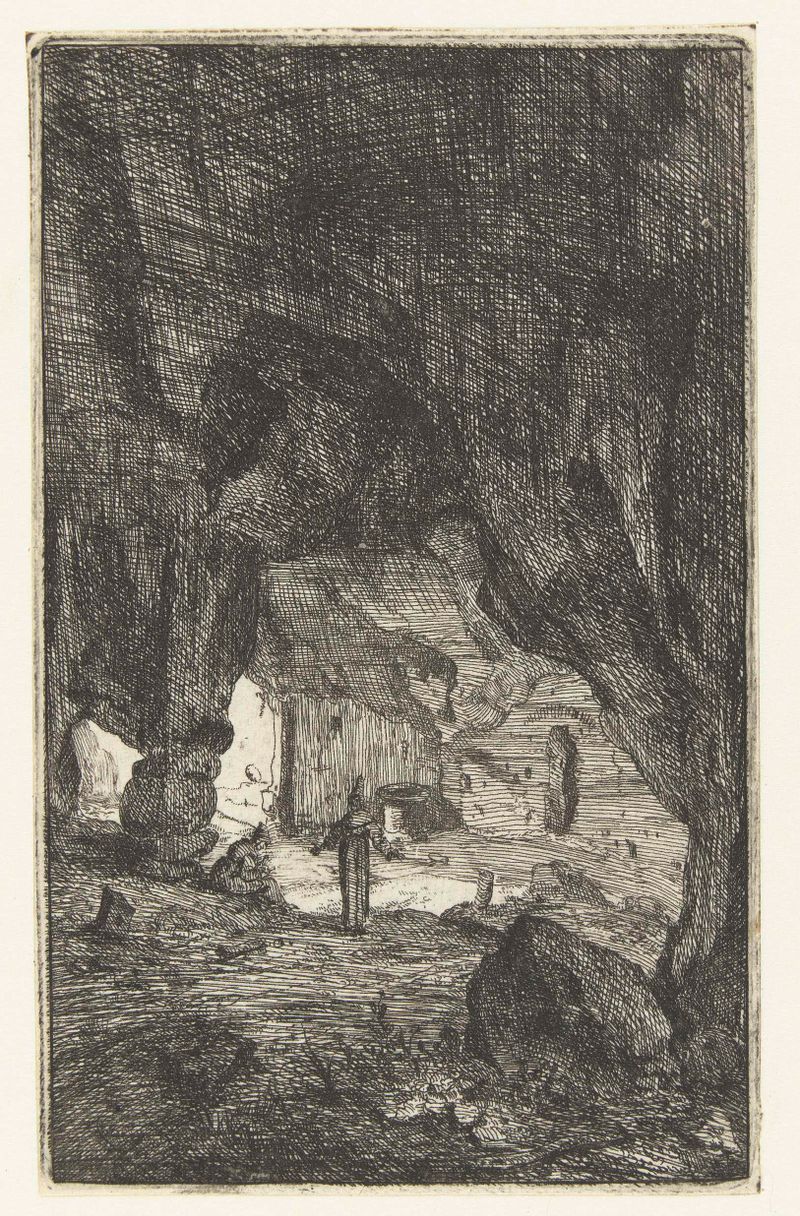
Interieur van een grot
Bartholomeus Breenbergh