
Noli me tangere — History & Facts
The eye is caught first by the charged space between two figures: a woman kneeling in urgent wonder, a man stepping back with a raised hand, both bathed in the hush of early morning light. The gesture of the man—one arm lifted as if to both bless and withhold—creates a silent boundary that is the very heart of the scene. The woman’s hand reaches forward, her face tilted up in longing and recognition, while the man’s body twists away, his feet already in motion.
The landscape behind them, lush and receding into a dawn sky, draws the viewer’s gaze outward, but always brings it back to this moment of encounter and restraint. The palette is gentle, with soft earth tones and cool blues that lend the scene both intimacy and distance. Painted around 1518, this Noli me tangere belongs to a world where such images were shaped by the needs of devotion and the ambitions of Renaissance art. Scenes like this, drawn from the Christian Gospels, were commissioned for private chapels or altarpieces, intended to prompt meditation on the mysteries of faith.
In the hands of artists like Antonio da Correggio, the encounter between Mary Magdalene and the risen Christ became not just a lesson in doctrine, but a study in human emotion and divine presence. The Yorck Project’s preservation of this work, centuries later, lets us witness how painters of the early sixteenth century balanced storytelling with atmosphere, inviting viewers to linger in the tension between touch and distance. Look again at the way light falls across the figures, and consider what is withheld as much as what is revealed.
More Artworks by Antonio da Correggio

Virgin and Child with the Young Saint John the Baptist
Antonio da Correggio
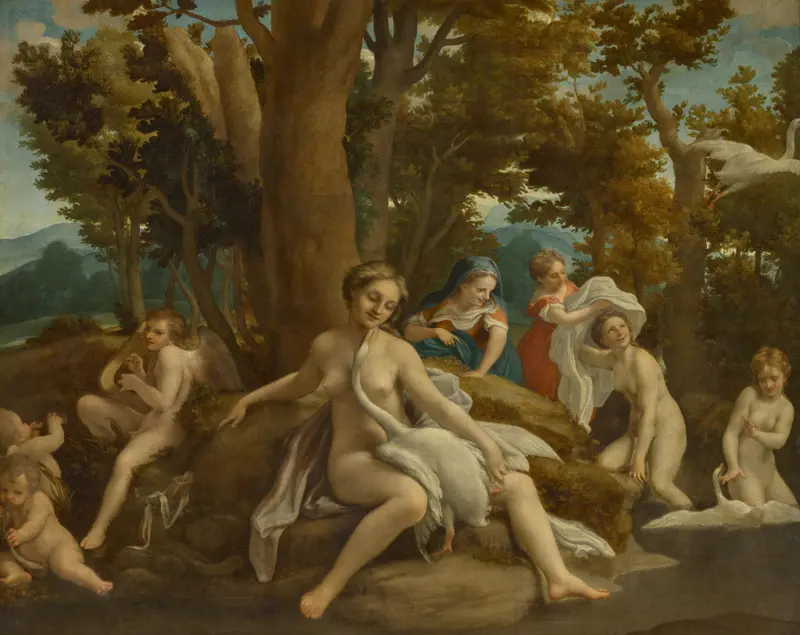
Leda and the Swan
Antonio da Correggio
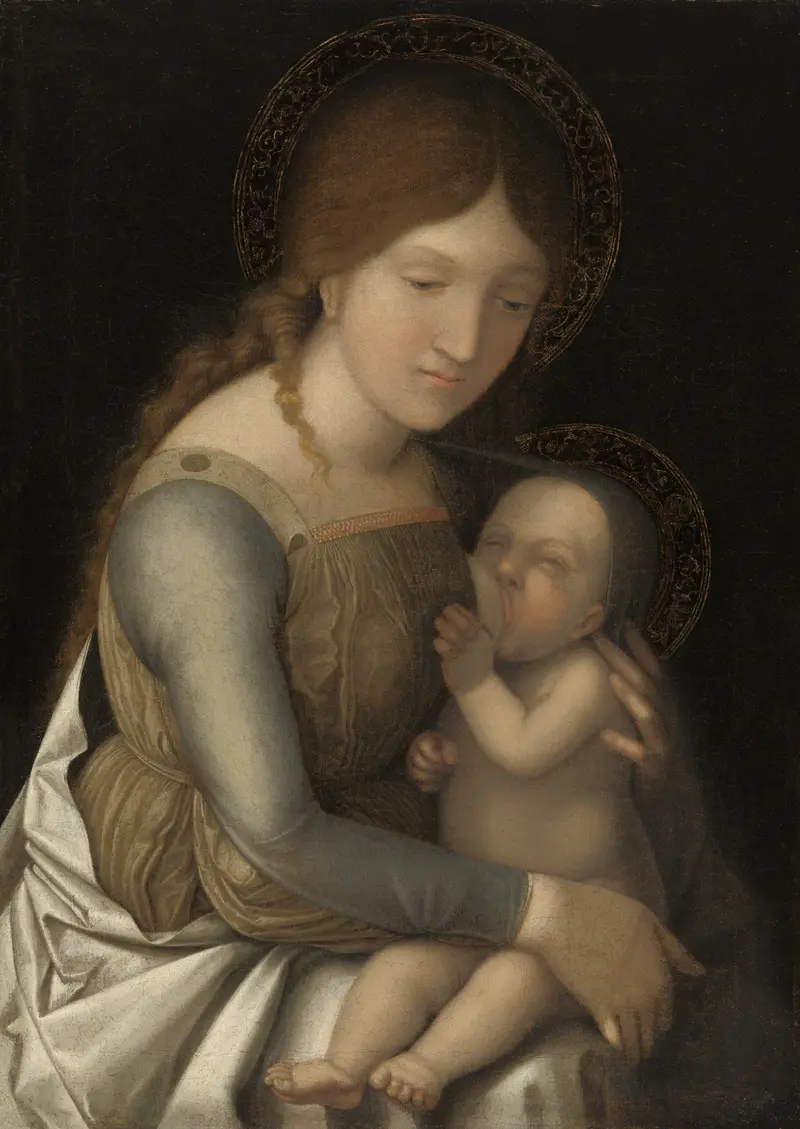
Madonna and Child
Antonio da Correggio
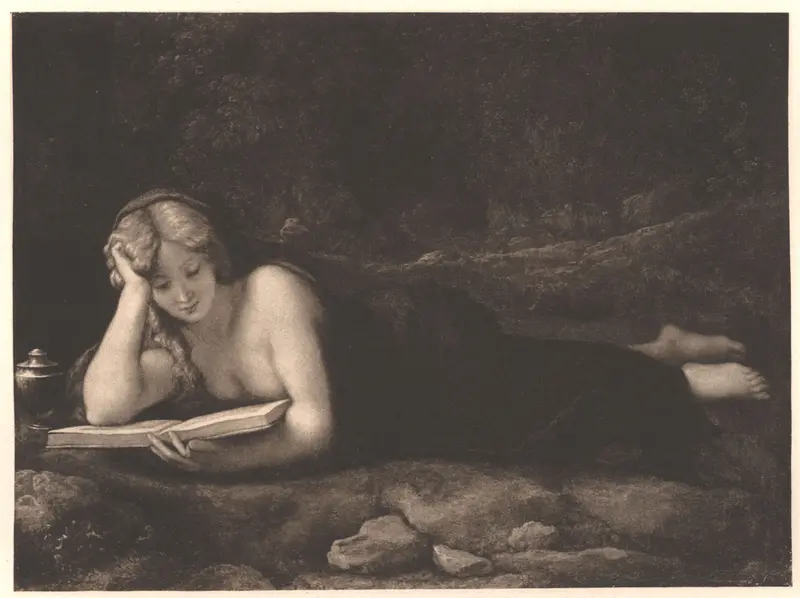
Penitent Magdalene
Antonio da Correggio
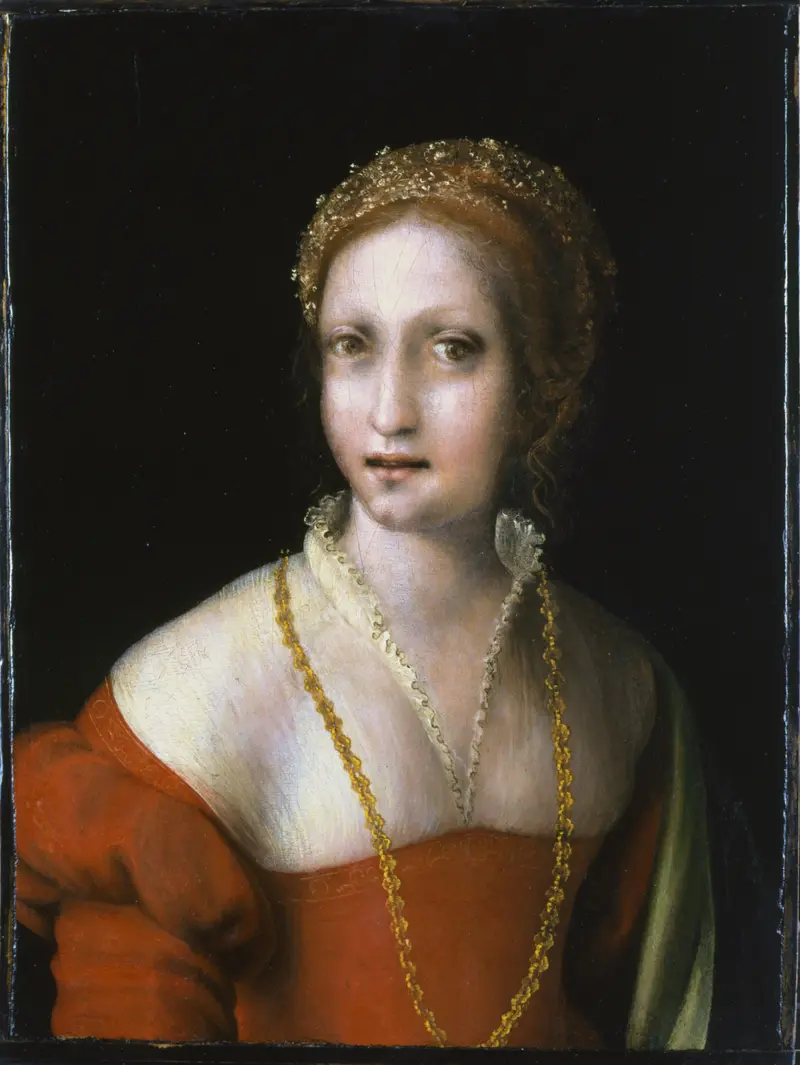
Portrait of a Young Girl
Antonio da Correggio
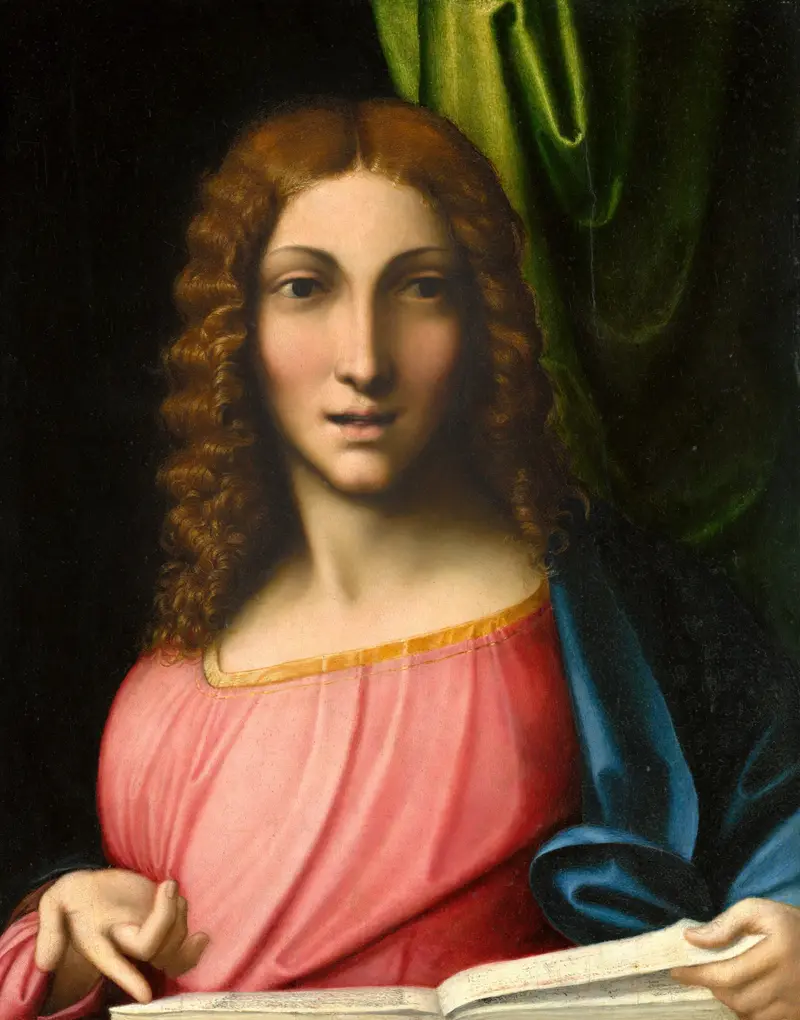
Christ in the Temple
Antonio da Correggio

Nativity
Antonio da Correggio
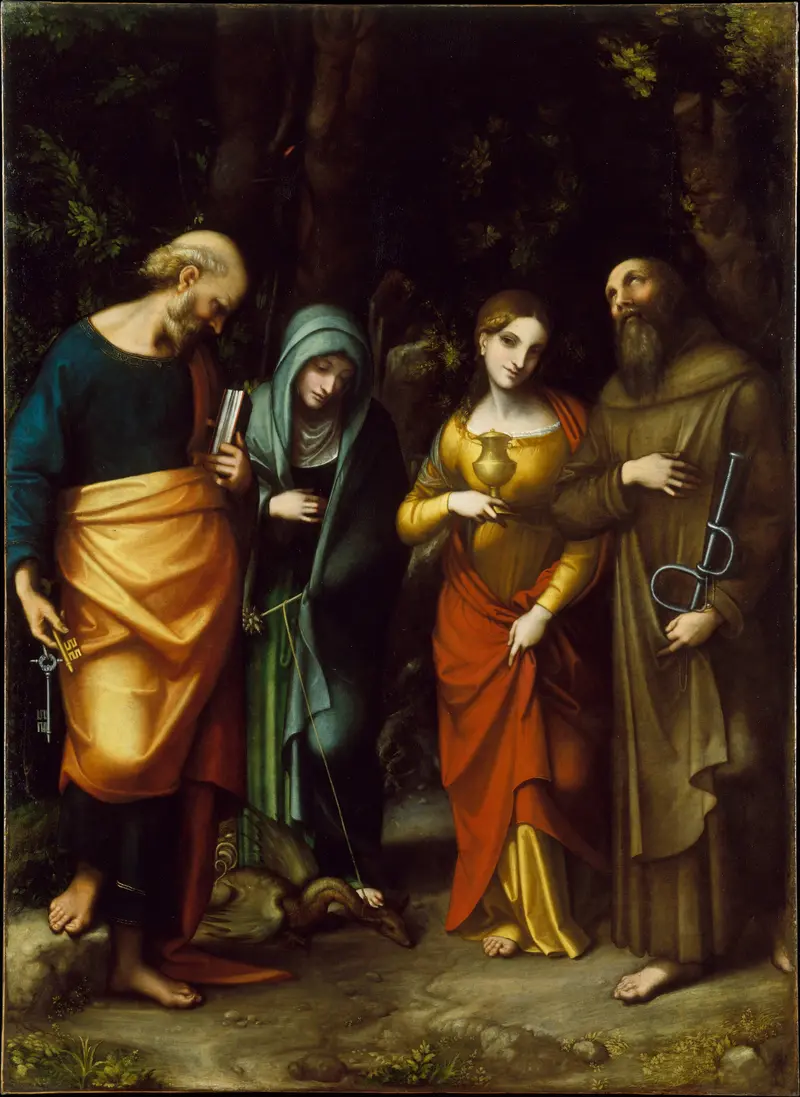
Saints Peter, Martha, Mary Magdalen, and Leonard
Antonio da Correggio
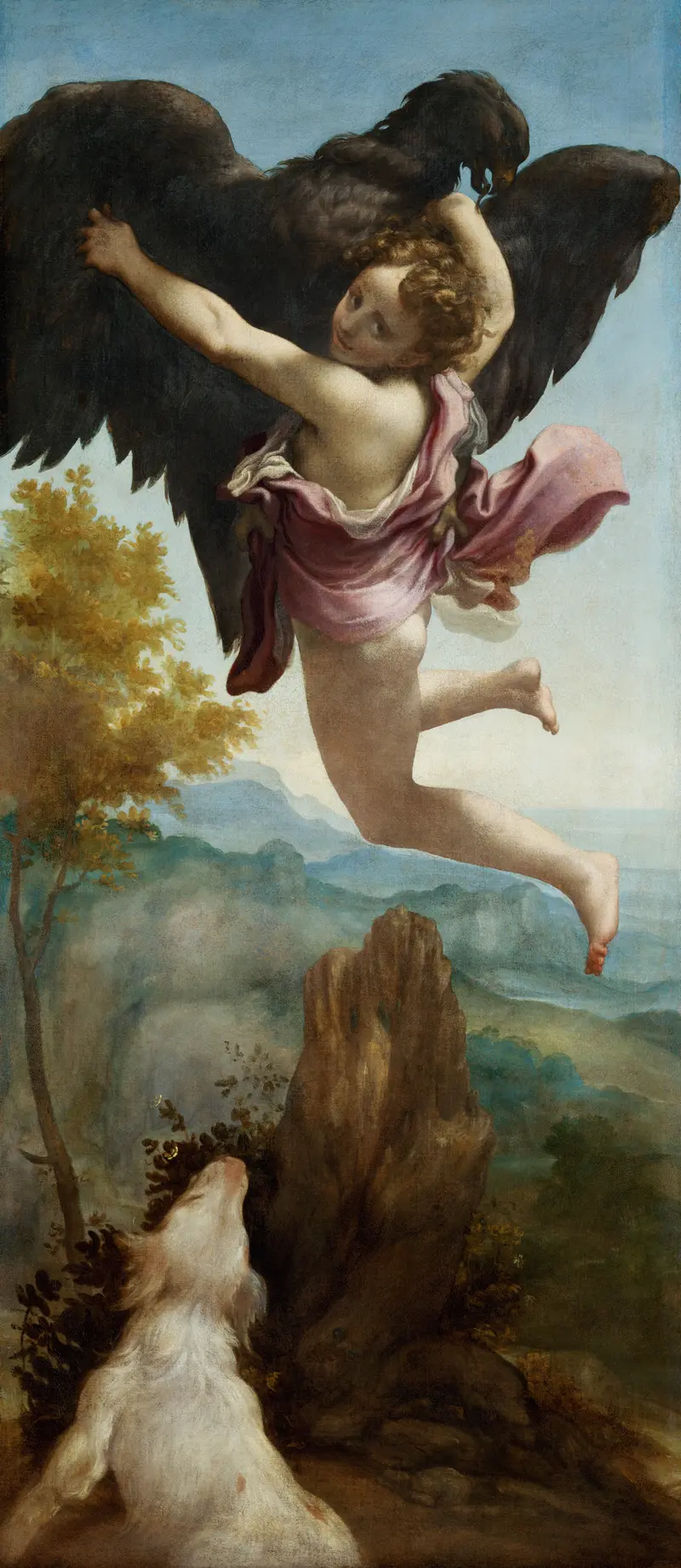
The Loves of Jupiter
Antonio da Correggio

Study for the "Madonna della Scodella" [recto]
Antonio da Correggio





