
Notre-Dame — History & Facts
In every stroke lies the weight of sorrow, transformed into a poignant narrative that resonates through time. Look to the center of the canvas, where a solemn visage of Notre-Dame rises amidst a swirl of vivid colors. The intricate details of the cathedral's facade emerge from brushstrokes that dance gracefully between the chaos of abstract forms. Notice how the soft blues and muted earth tones envelop the structure, while flickers of light peek through the shadows, suggesting a fleeting moment of divine illumination amidst the turmoil. Beneath the surface, layers of grief weave into the very fabric of the scene.
The juxtaposition of vibrant hues against the solemn architecture hints at the complexities of loss and resilience. Each stroke tells a story of remembrance, as the artist captures not just a building, but the memories and emotions it holds — a silent witness to the passage of time and the heartache that comes with it. The swirling chaos surrounding the cathedral serves as a metaphor for life itself, where beauty often emerges from the depths of despair. In 1910, Tadeusz Makowski created this evocative piece during a period of personal and artistic exploration.
Living in Paris, he was immersed in a vibrant yet tumultuous art scene, influenced by the burgeoning modernist movement. The echoes of a changing world resonated in his work, as the artist grappled with themes of memory and loss, channeling his feelings into a composition that honors the enduring spirit of Notre-Dame amidst the chaos of existence.
More Artworks by Tadeusz Makowski
Browse all →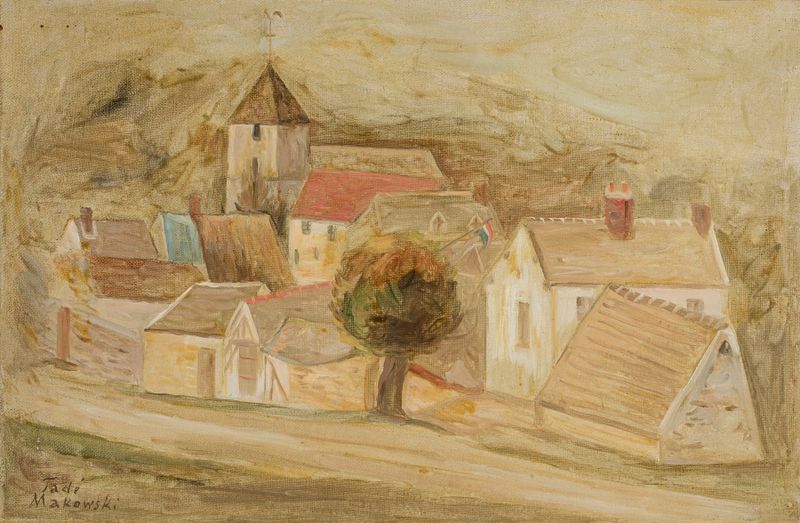
Miasteczko
Tadeusz Makowski

Pejzaż wiosenny
Tadeusz Makowski
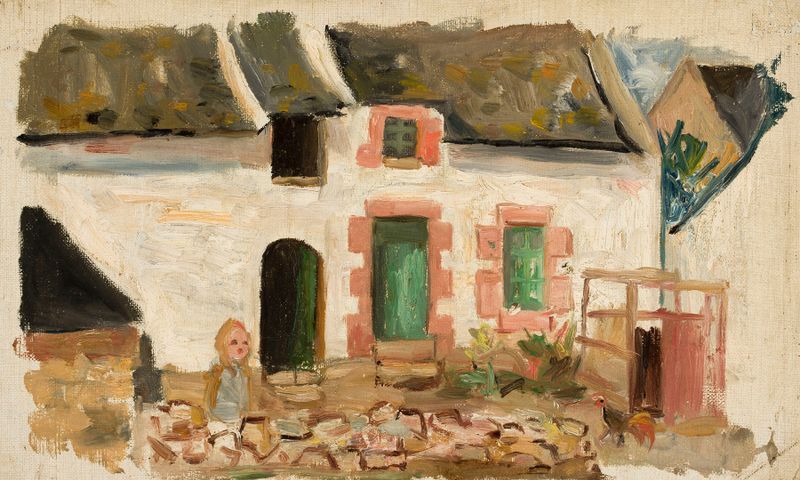
Dziecko przed domem
Tadeusz Makowski
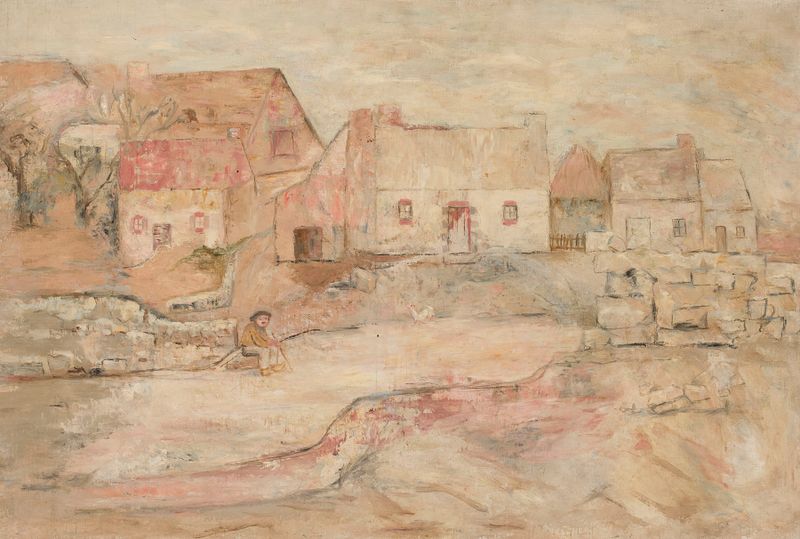
Pejzaż bretoński z siedzącym człowiekiem
Tadeusz Makowski
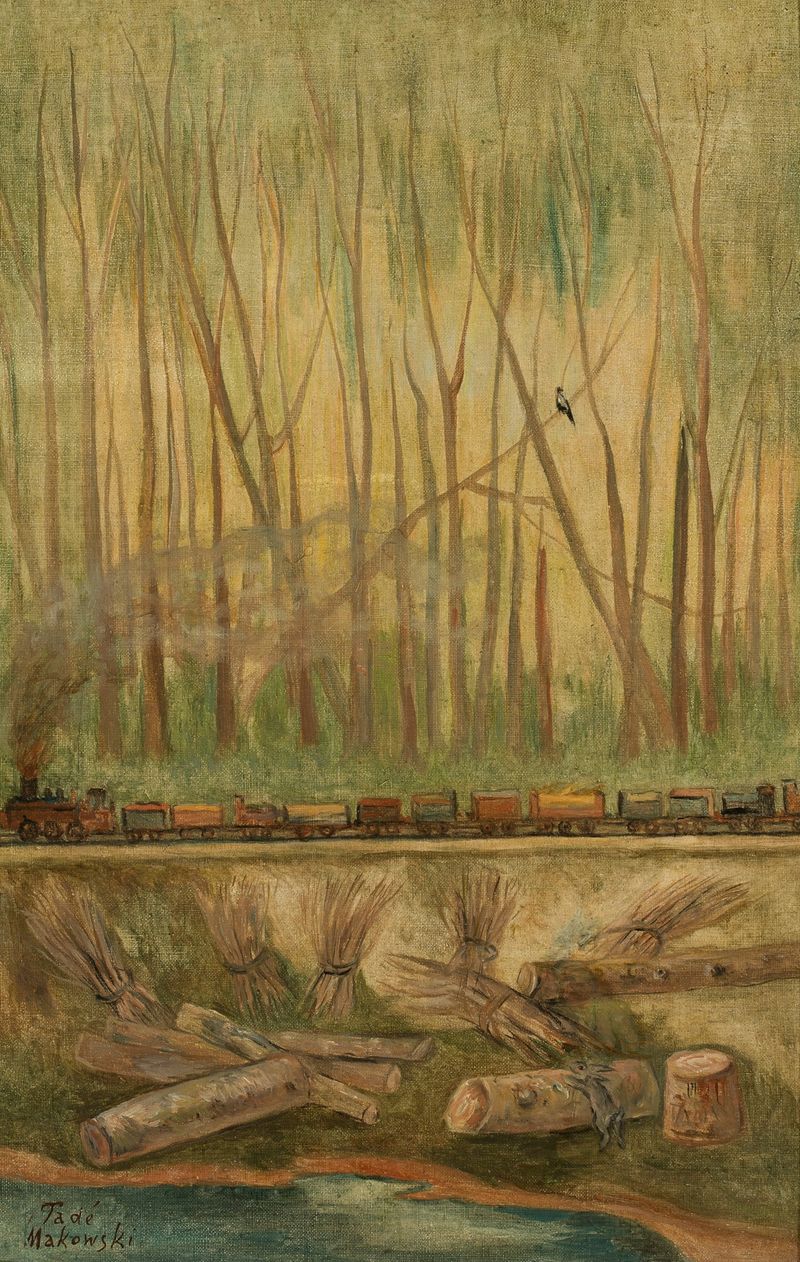
Pociąg
Tadeusz Makowski
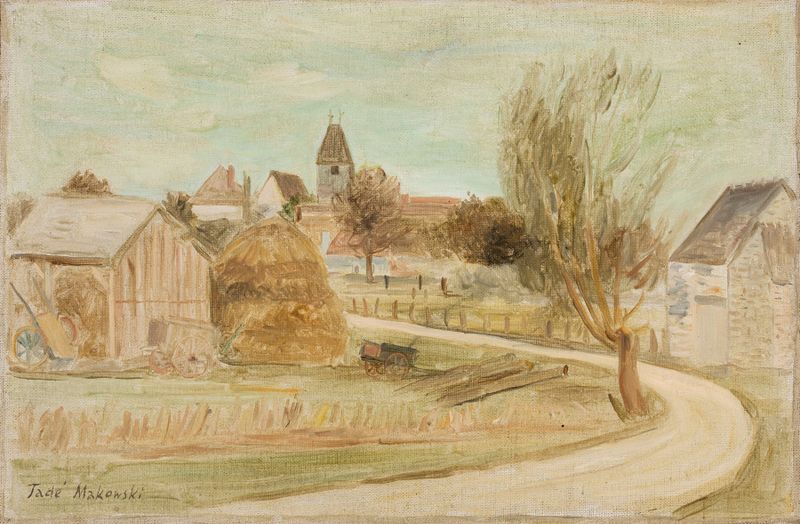
Na skraju wsi
Tadeusz Makowski

Pejzaż miejski (Esplanade des Invalides)
Tadeusz Makowski
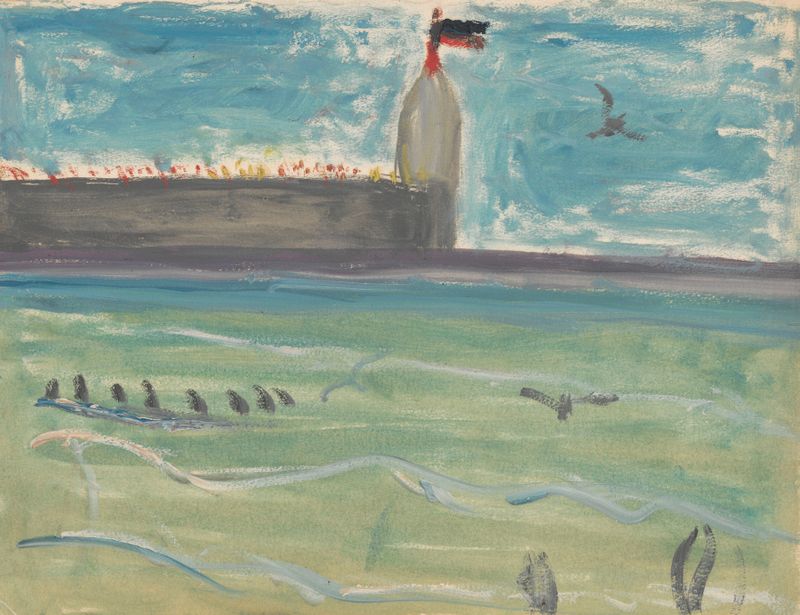
Latarnia morska w Tréport
Tadeusz Makowski
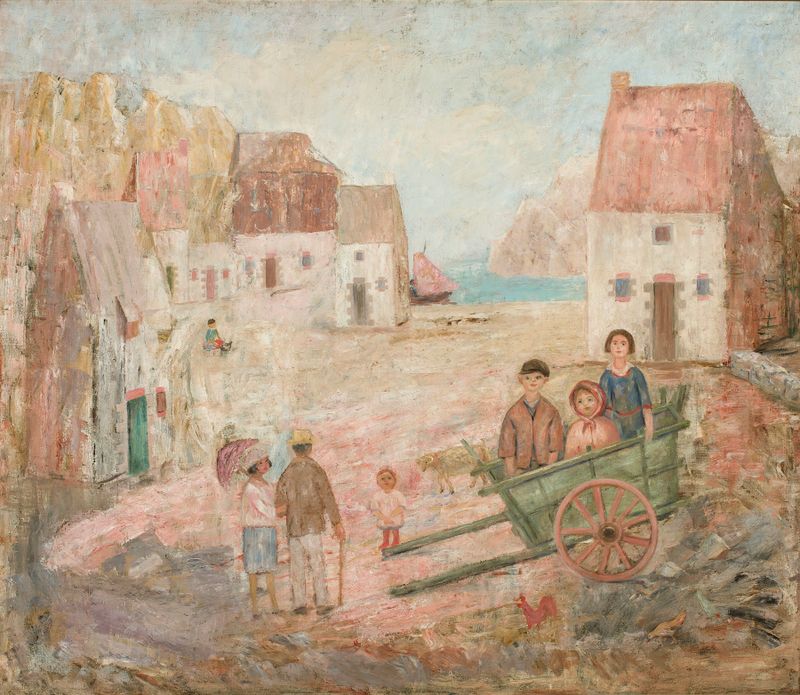
Landscape of a small town with children in a pram
Tadeusz Makowski
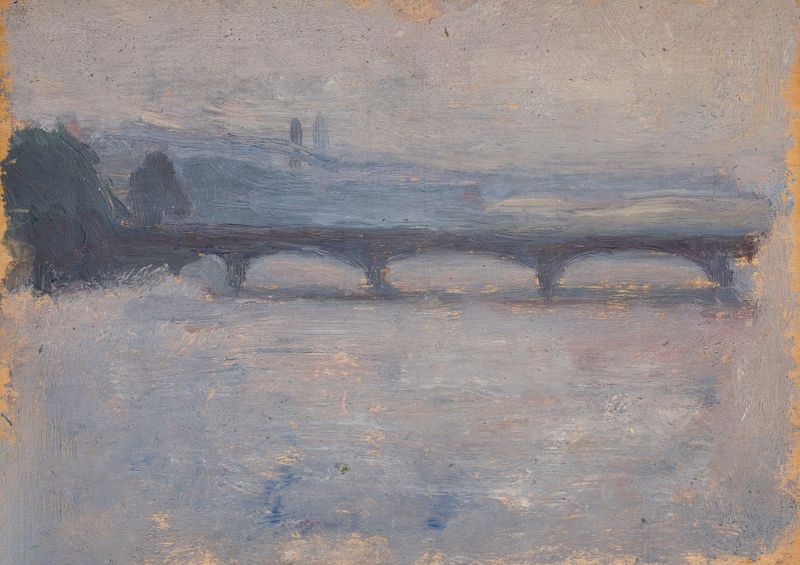
Bridge on the Seine
Tadeusz Makowski
More Architecture Art
Browse all →
The statue of Liberty
Frédéric Auguste Bartholdi

View of Houses in Delft, Known as ‘The Little Street’
Johannes Vermeer

View of Houses in Delft, Known as ‘The Little Street’
Johannes Vermeer

The Cathedral in Rouen. The portal, Grey Weather
Claude Monet

The yellow house
Vincent van Gogh

The Church in Auvers-sur-Oise, View from the Chevet
Vincent van Gogh