
Notre-Dame de Paris — History & Facts
In the serene corridors of artistic expression, reflections often reveal more than mere imagery; they unveil the essence of existence itself. Look to the lower left corner, where the soft ripples of the Seine cradle the image of the cathedral. Notice how the water captures the structure’s grandeur, blurring the lines between reality and its mirrored counterpart. The delicate strokes of pastel blues and muted ochres create a gentle harmony, inviting your eye to drift between the elements and to contemplate the stillness of the moment.
The light dances on the surface, enhancing the ethereal quality of the scene and asserting the timelessness of its subject. Yet, beneath this tranquil surface lies an undercurrent of contrast. The intricate details of the cathedral, with its sharp Gothic lines, stand in stark juxtaposition to the fluidity of the water. This tension between the solidity of stone and the ephemeral nature of reflection signifies a deeper dialogue about permanence and transience.
Each ripple seems to whisper secrets of the past, hinting at the stories interwoven within the fabric of the city, echoing the lives that have passed beneath its arches. In 1901, Houbron painted this piece during a transformative period for Paris, where the echoes of modernity began to compete with the city’s historical essence. The artistic community was grappling with the implications of a rapidly changing world, and Houbron, an admirer of the Impressionists, sought to capture the poetic interplay of light and shadow. Notre-Dame de Paris stands not only as a testament to the architectural marvel but also as a reflection of an era caught between past glories and future uncertainties.
More Artworks by Frédéric Houbron
Browse all →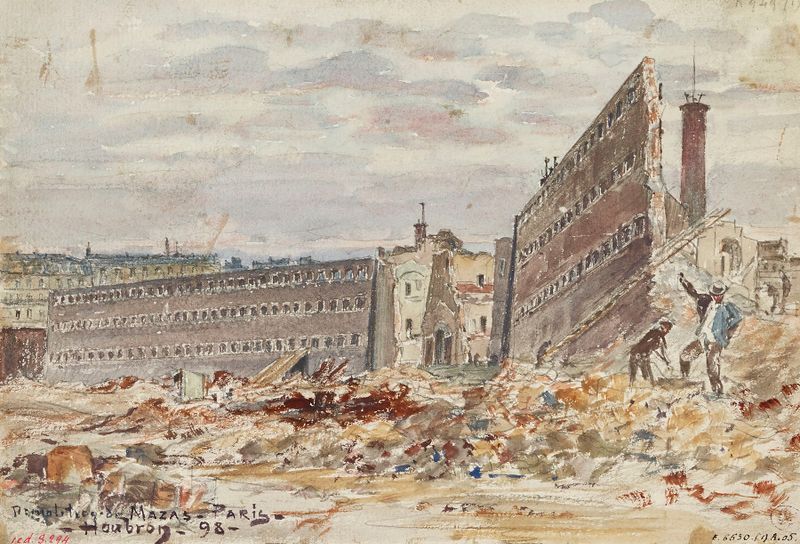
Démolition de la prison Mazas, 23, 25 boulevard Diderot (ancien boulevard Mazas)
Frédéric Houbron
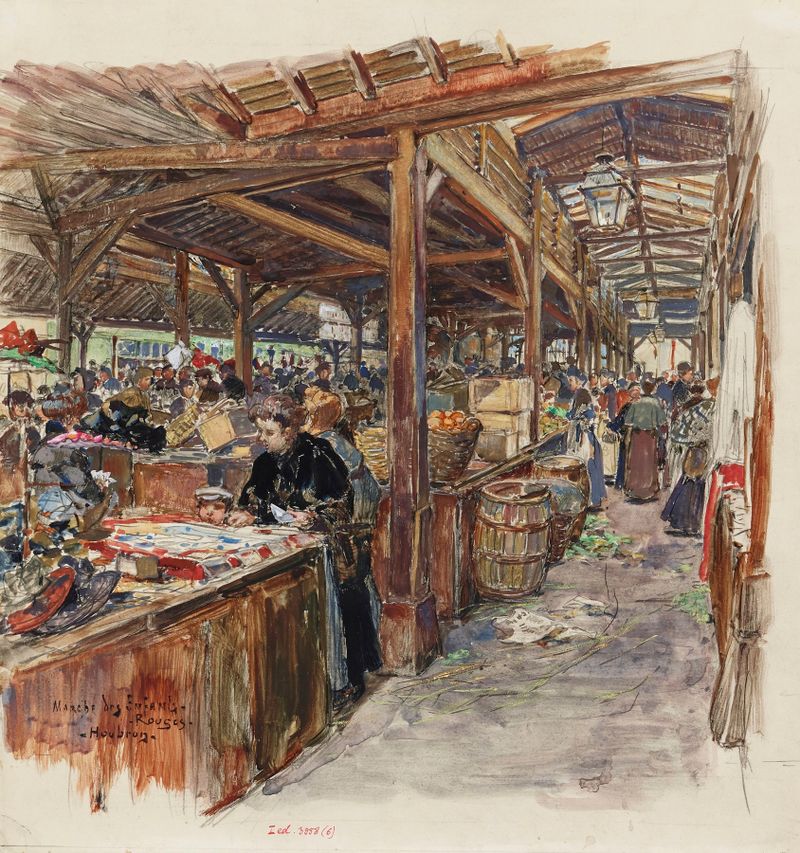
Intérieur du Marché des Enfants Rouges. 3ème arrondissement
Frédéric Houbron
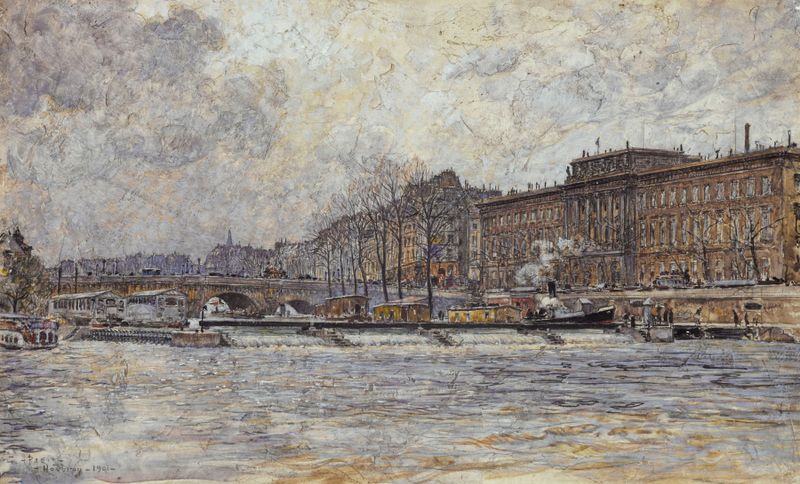
L’Hôtel de la Monnaie et le Pont-Neuf
Frédéric Houbron

Quai des Orfèvres. Paris. 1906
Frédéric Houbron
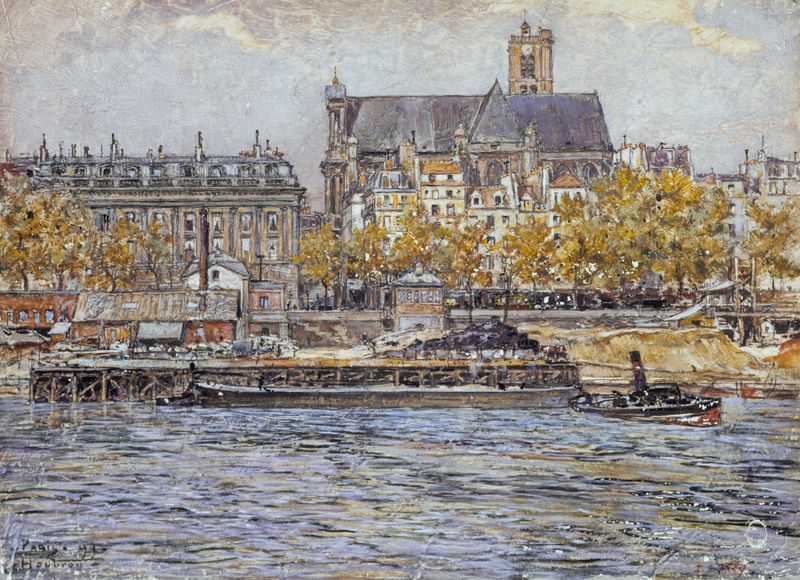
Le quai de l’Hôtel-de-Ville et l’église Saint-Gervais-Saint-Protais
Frédéric Houbron
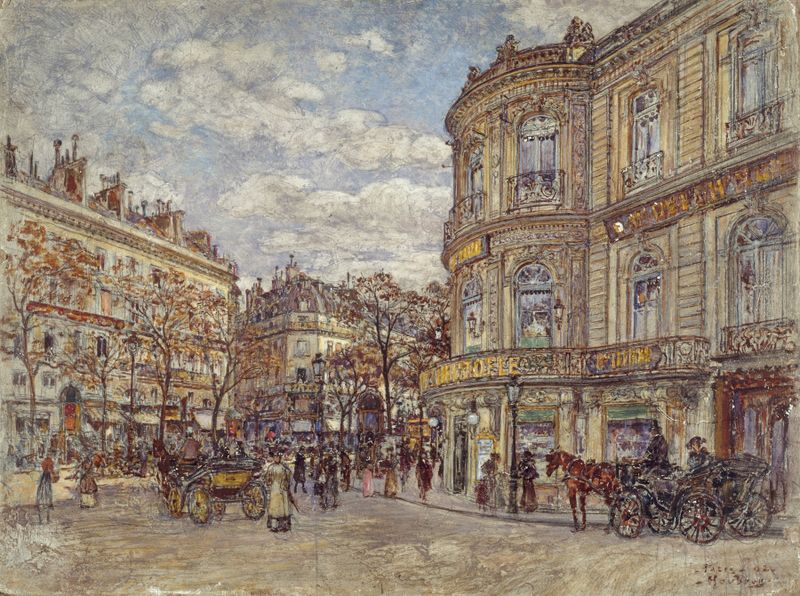
Le Pavillon de Hanovre, rue Louis-le-Grand
Frédéric Houbron

La rue du Chevalier-de-la-Barre, avec le Sacré-Cœur en construction
Frédéric Houbron
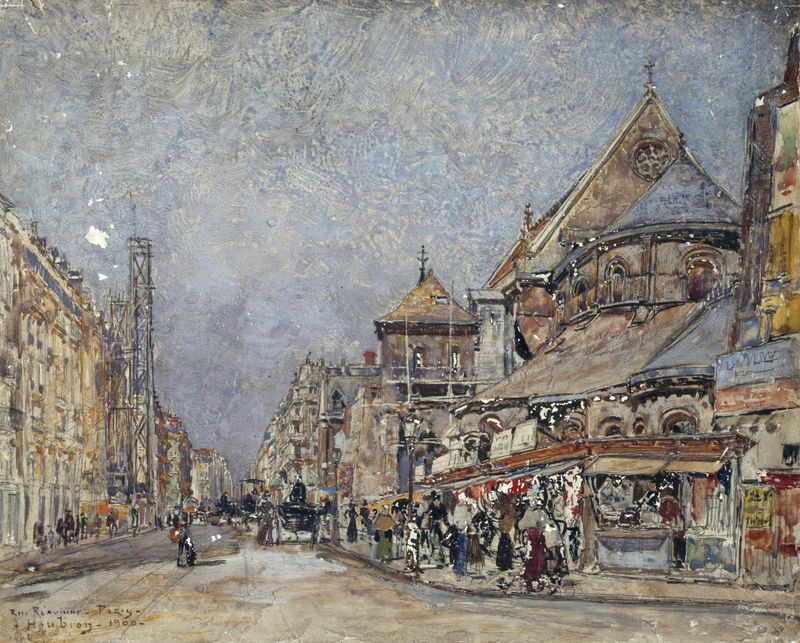
La rue Réaumur et le chevet de l’église Saint-Martin-des-Champs
Frédéric Houbron
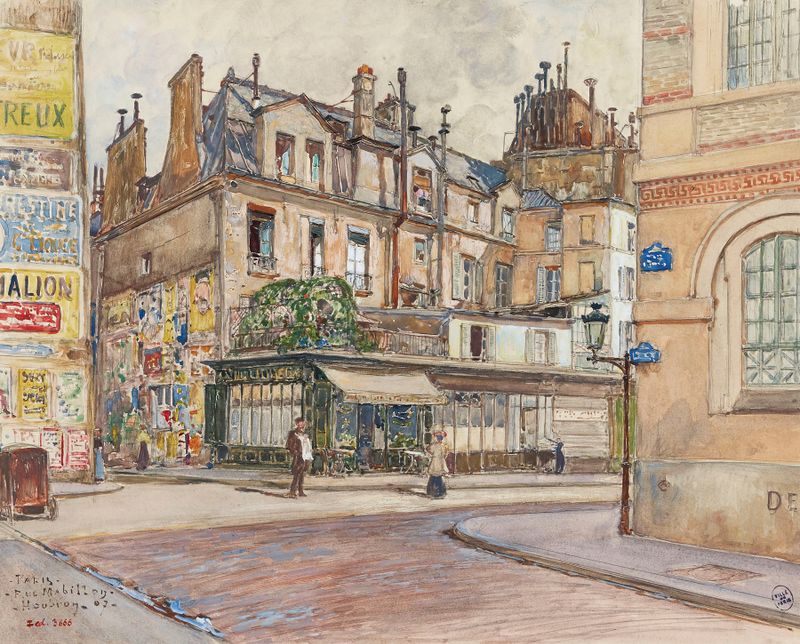
Angle rue Mabillon et rue Clément, en 1907. 5ème et 6ème arrondissements
Frédéric Houbron
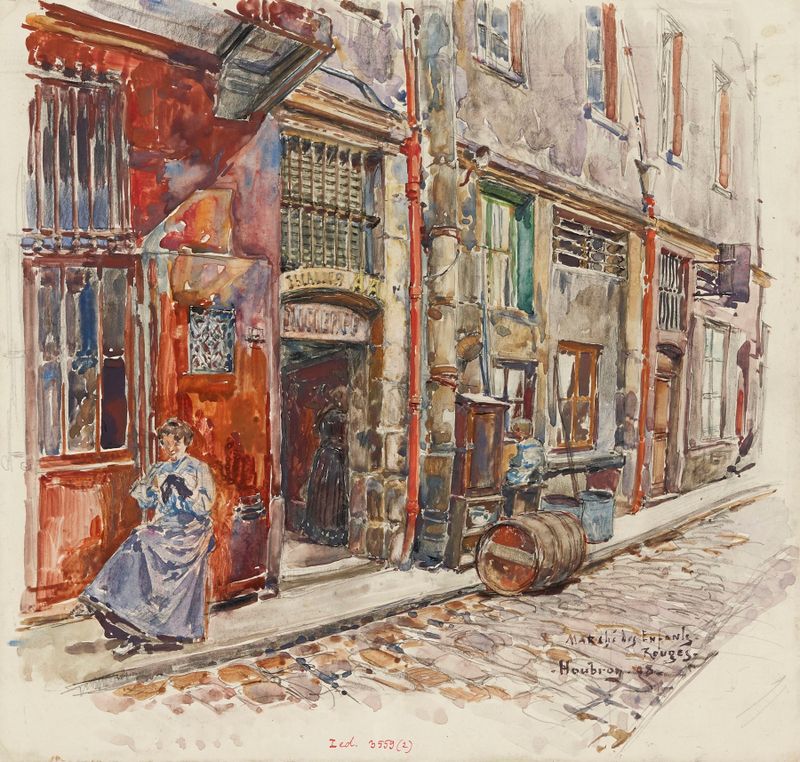
Entrée escalier A du Marché des Enfants-Rouges, en 1908. 3ème arrondissement
Frédéric Houbron
More Architecture Art
Browse all →
The statue of Liberty
Frédéric Auguste Bartholdi

View of Houses in Delft, Known as ‘The Little Street’
Johannes Vermeer

View of Houses in Delft, Known as ‘The Little Street’
Johannes Vermeer

The Cathedral in Rouen. The portal, Grey Weather
Claude Monet

The yellow house
Vincent van Gogh

The Church in Auvers-sur-Oise, View from the Chevet
Vincent van Gogh