Discover insights about this artwork
Nu debout — History & Facts
In Nu debout, Henri Matisse presents a standing nude figure, characterized by bold colors and simplified forms. The figure is rendered with fluid lines, emphasizing the curves and contours of the body. Matisse uses a palette of vibrant reds, blues, and yellows, creating a striking contrast that draws the viewer's eye.
The background is abstract, allowing the figure to dominate the composition. The painting is an example of Modernism, showcasing Matisse's innovative approach to color and form. The use of oil on canvas allows for rich textures and depth in the colors. The dimensions are approximately 100 x 150 cm, making it a sizable work that commands attention.
Viewers can appreciate the balance between abstraction and representation in this piece. Henri Matisse was a leading figure in the Fauvism movement, known for his use of color as a means of expression. Nu debout reflects his exploration of the human form and his departure from traditional representation. An interesting fact about this work is that it exemplifies Matisse's belief that color could convey emotion and meaning beyond the subject itself.
This painting remains a significant example of early 20th-century art.
More Artworks by Henri Matisse
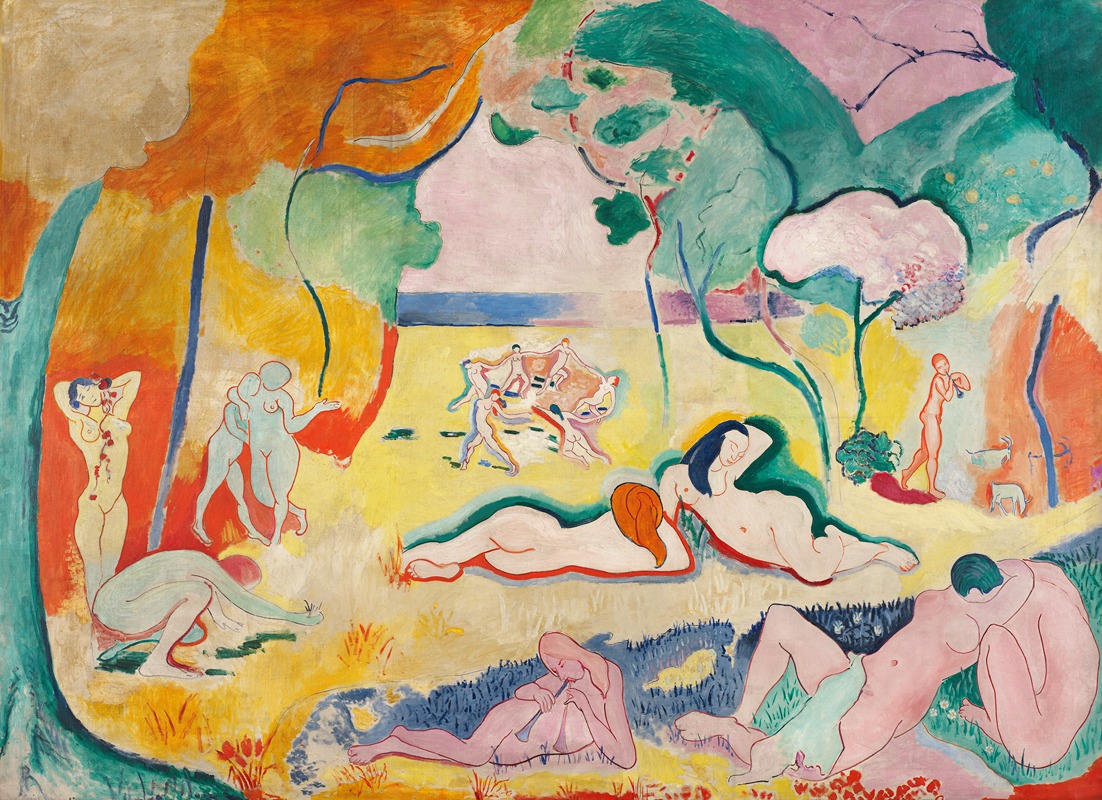
Le Bonheur de vivre, also called The Joy of Life
Henri Matisse
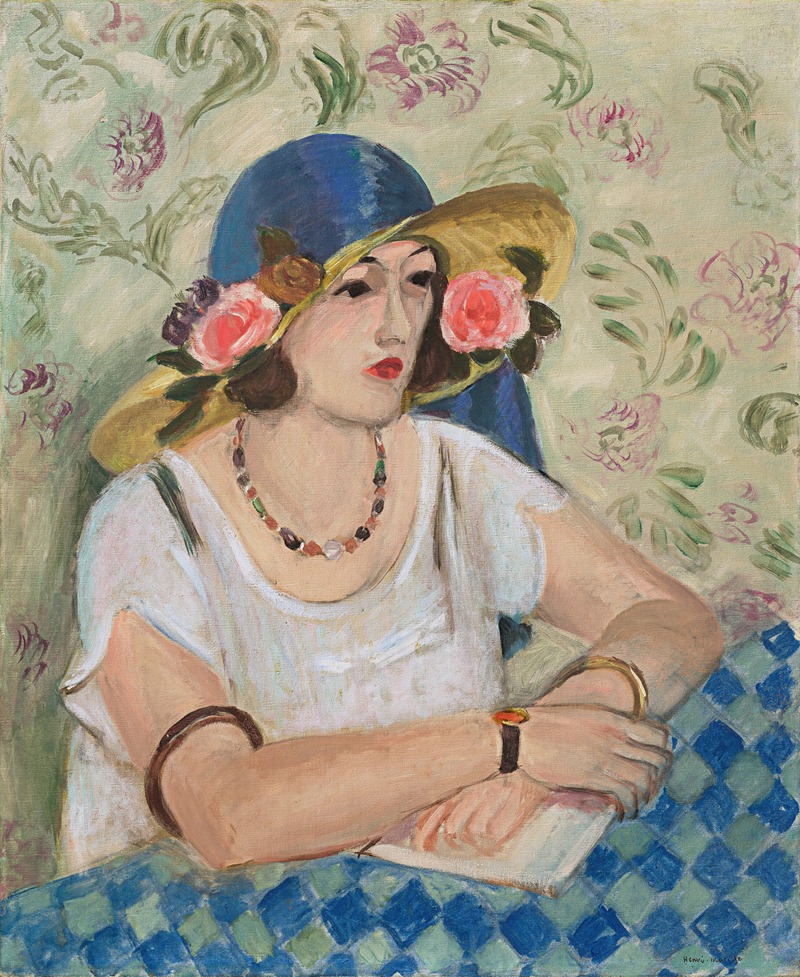
Femme au chapeau fleuri
Henri Matisse
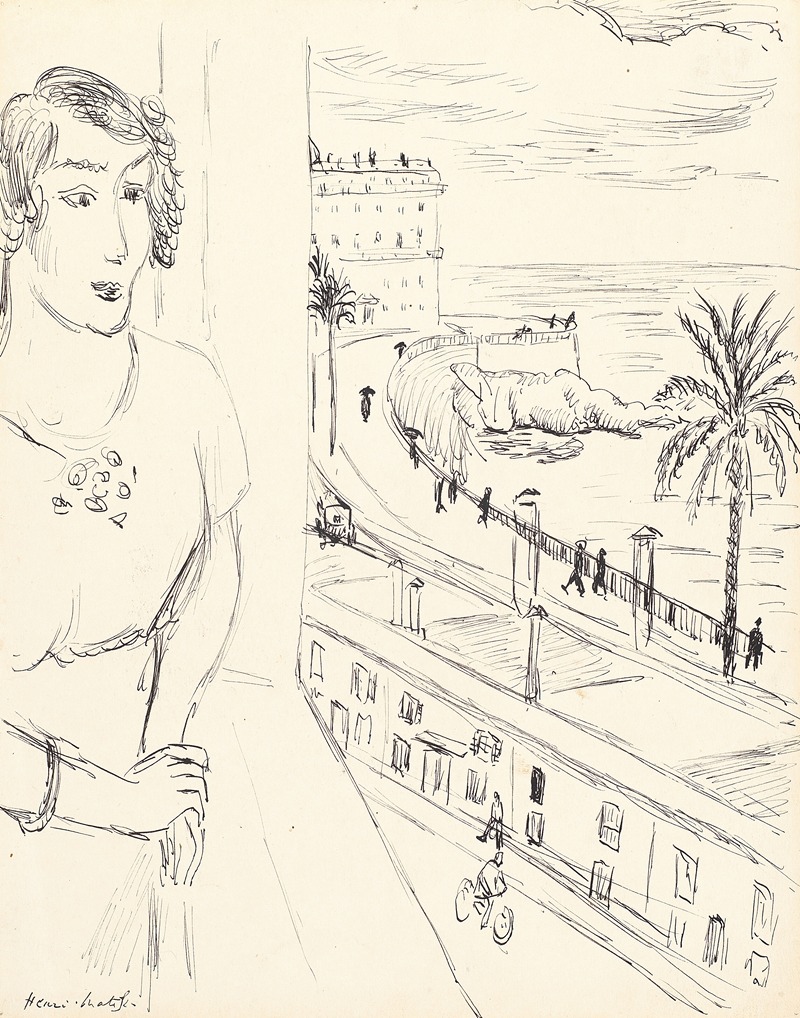
Femme près de la fenêtre, Nice
Henri Matisse
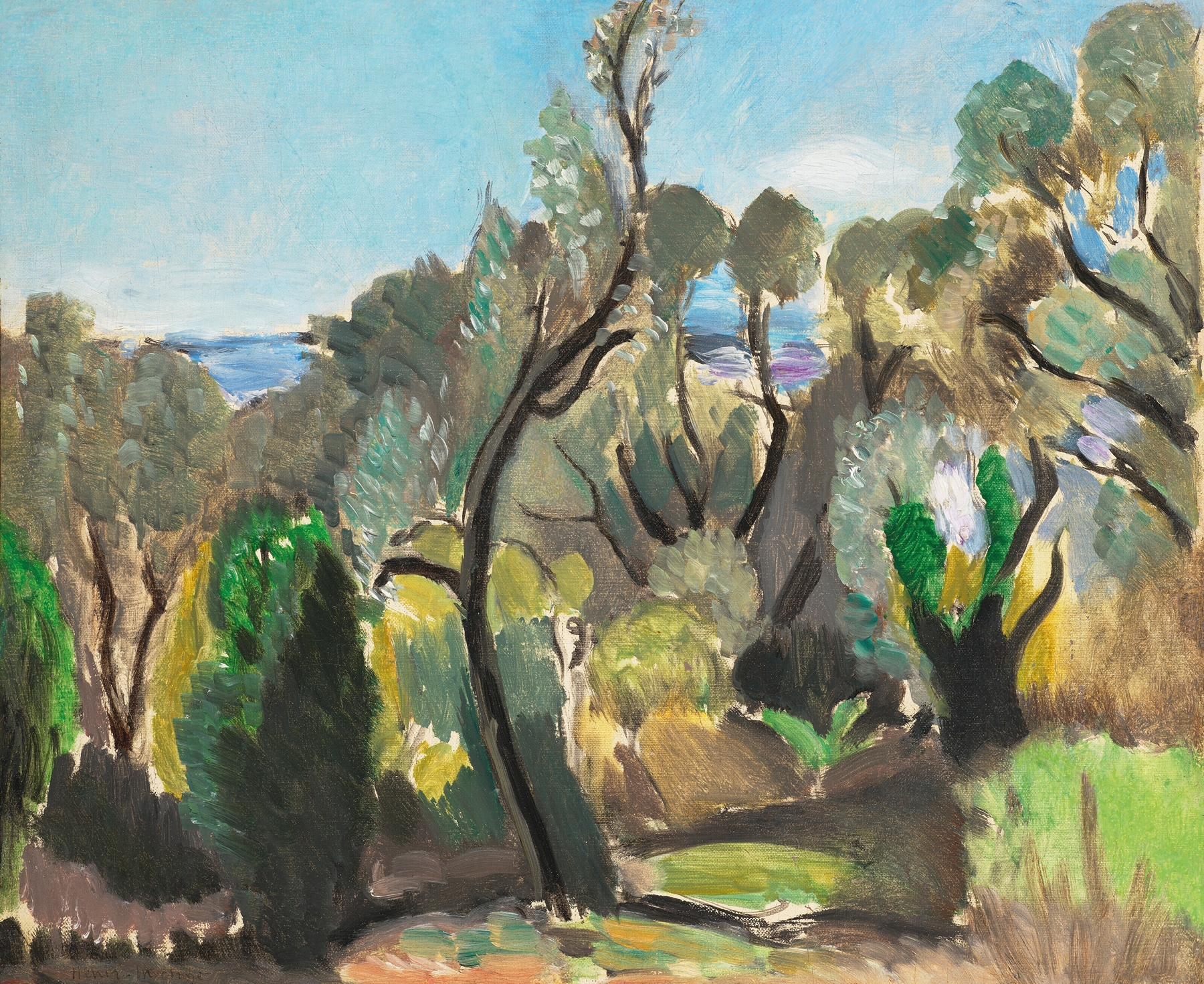
Paysage aux environs de Nice ou Les Oliviers ou Coin du Mont-Boron
Henri Matisse
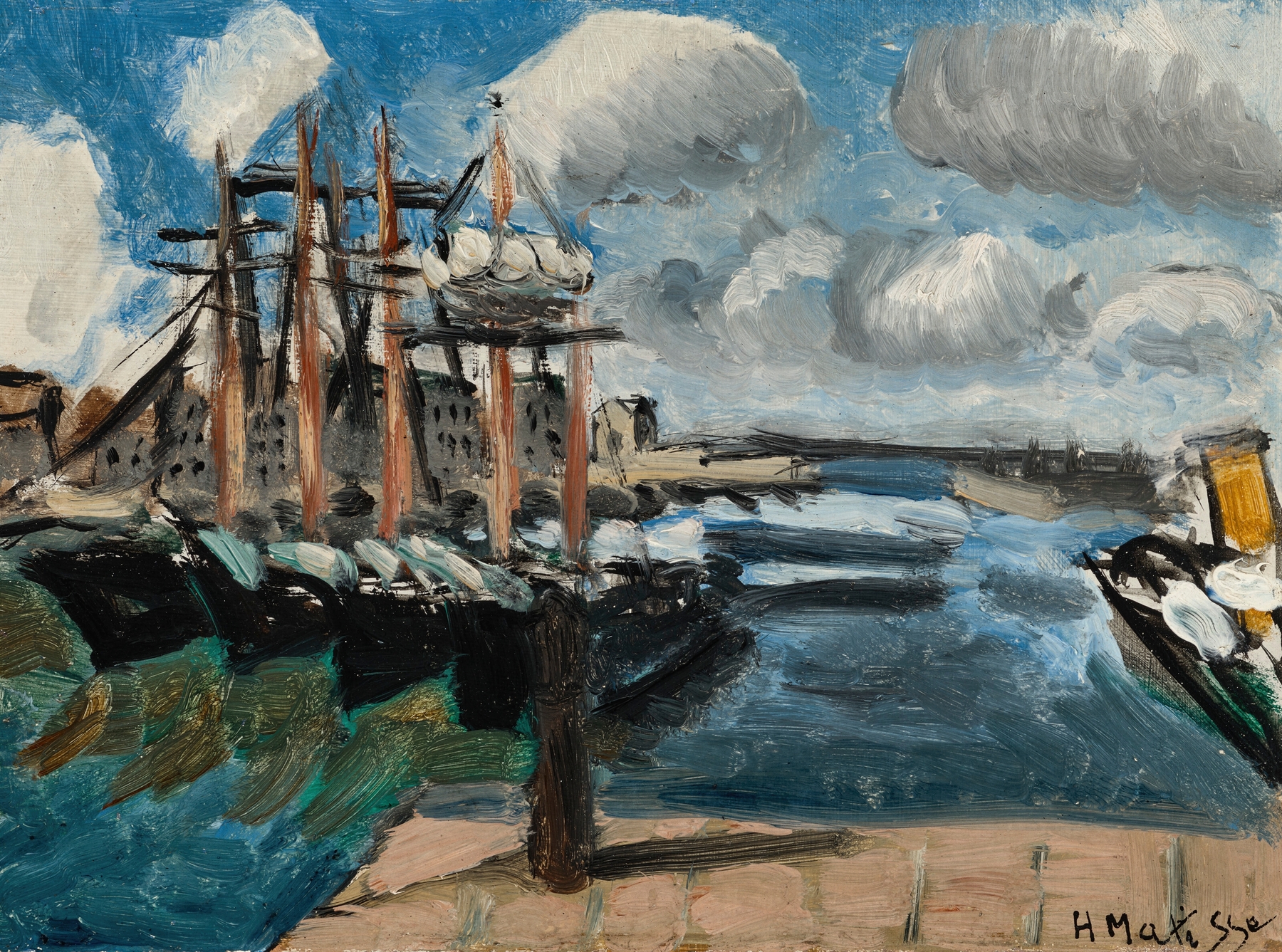
Port de Cherbourg
Henri Matisse
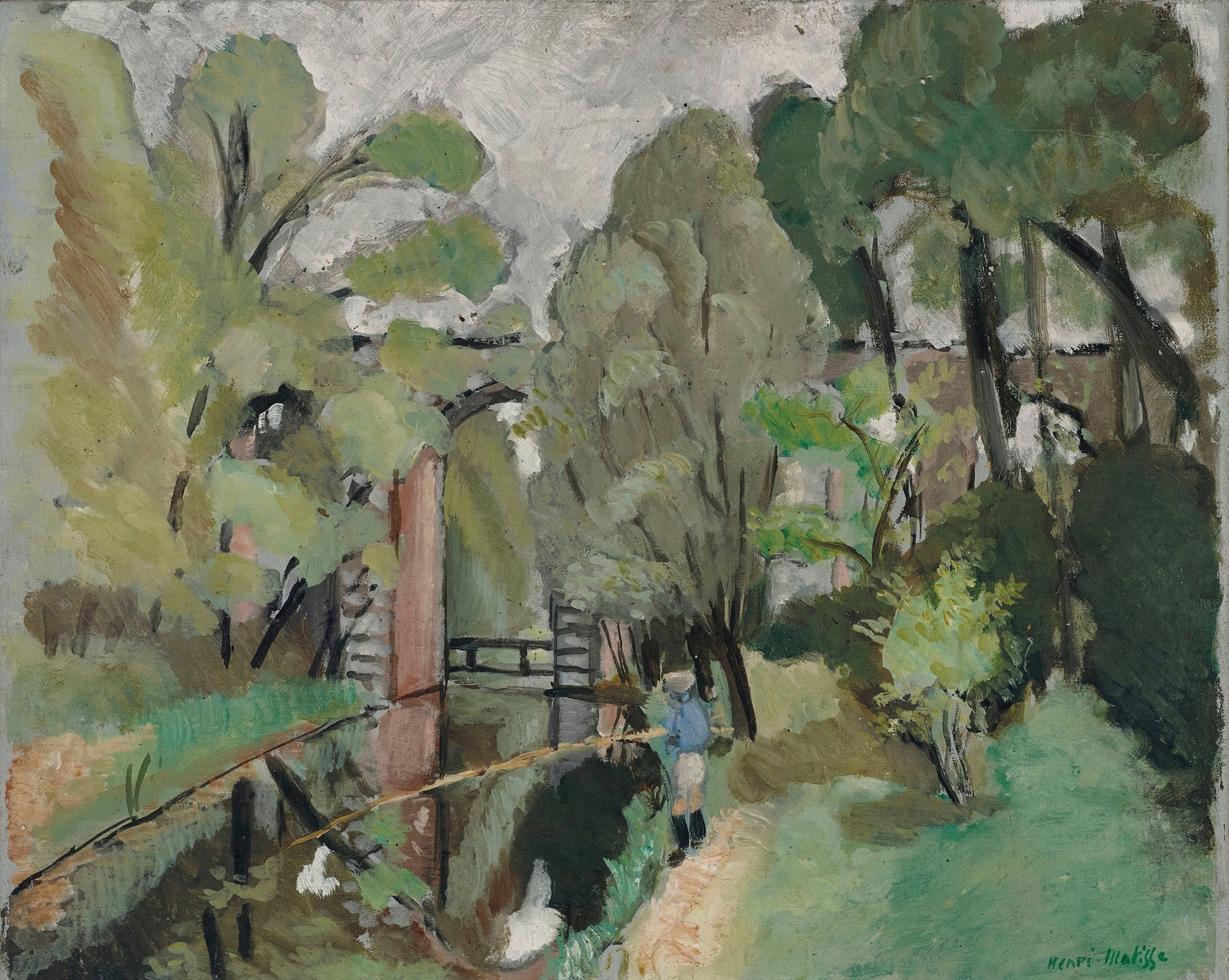
Le Petit pêcheur, Maintenon
Henri Matisse
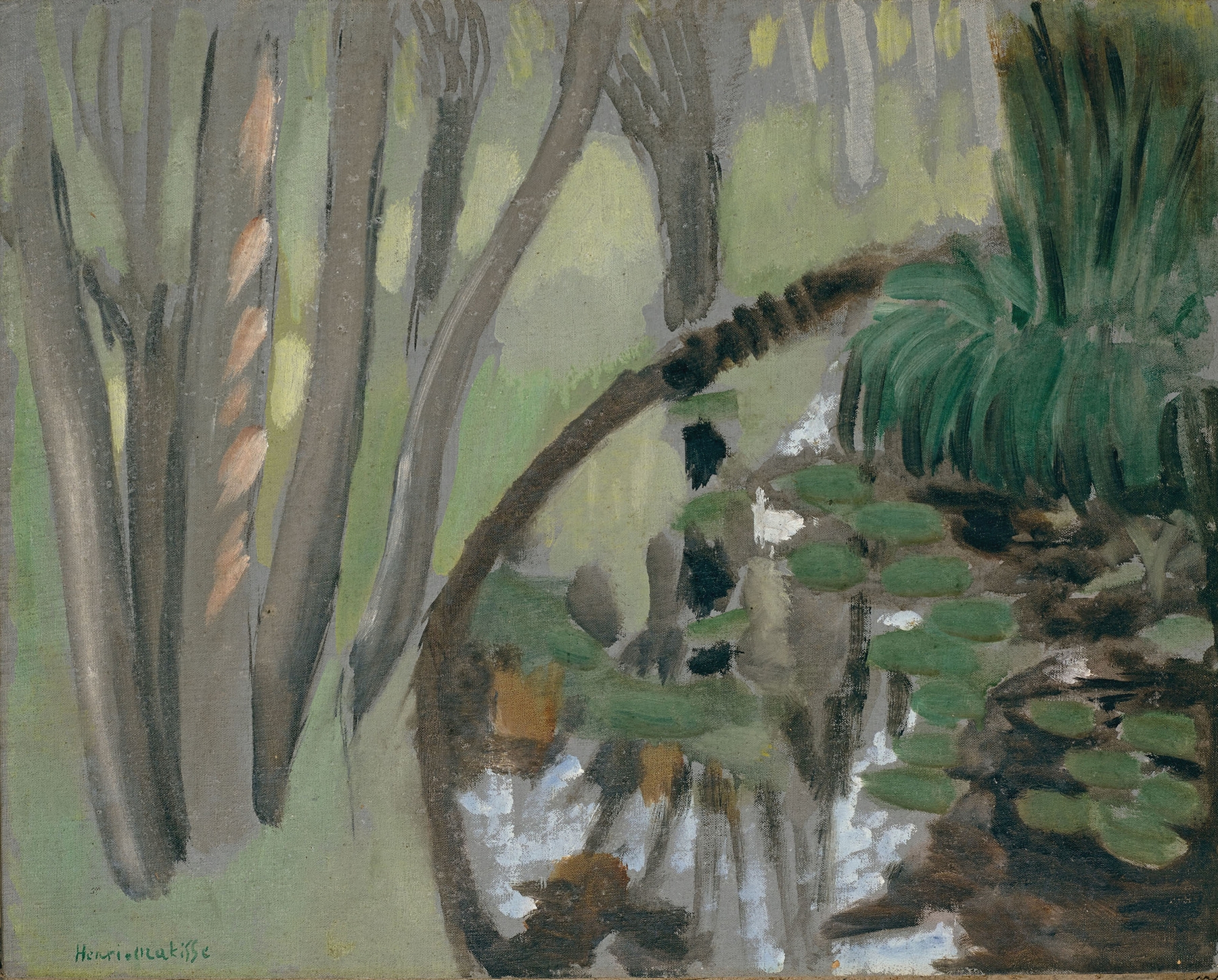
Le ruisseau, Maintenon
Henri Matisse
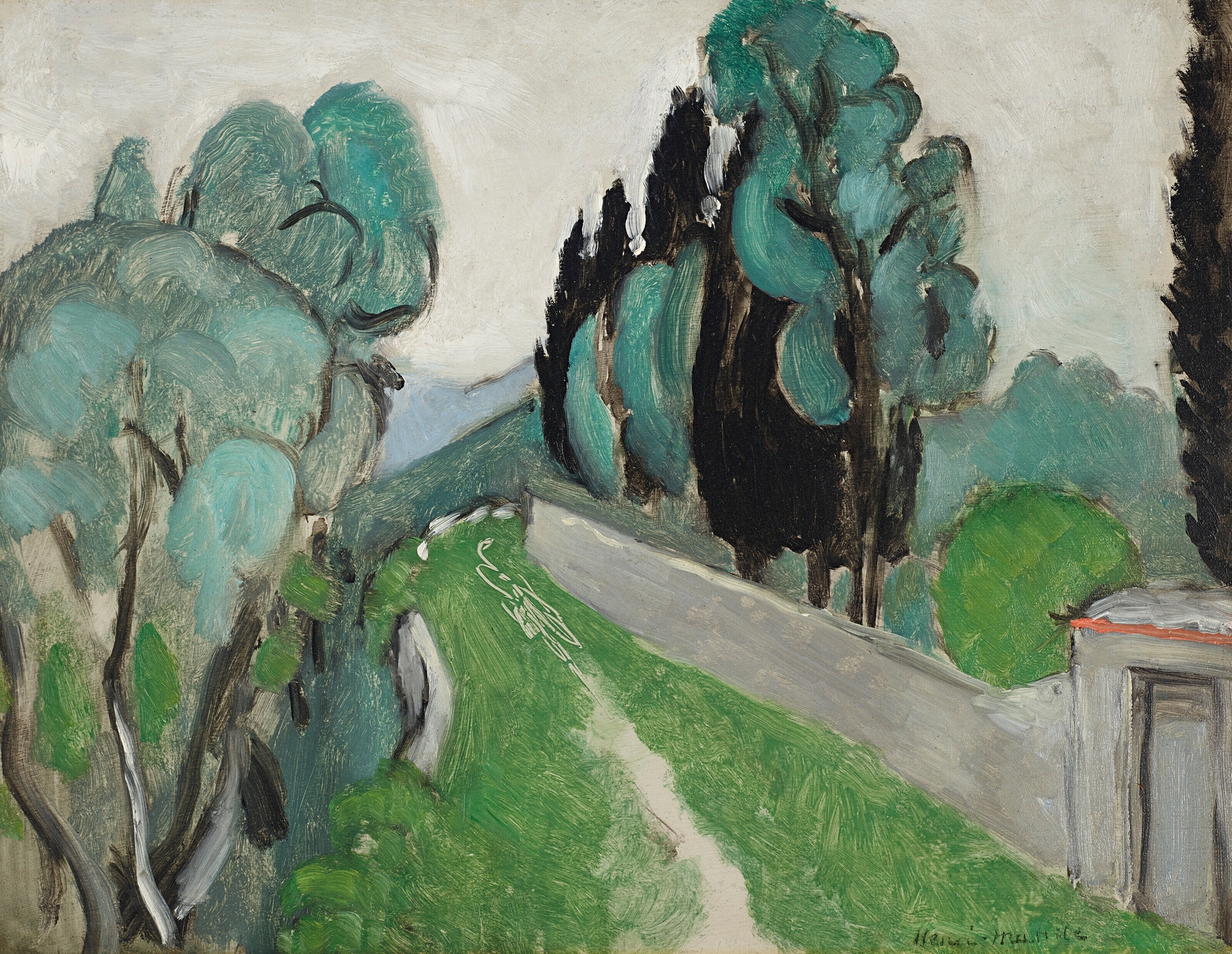
Paysage avec cyprès et oliviers aux environs de Nice
Henri Matisse
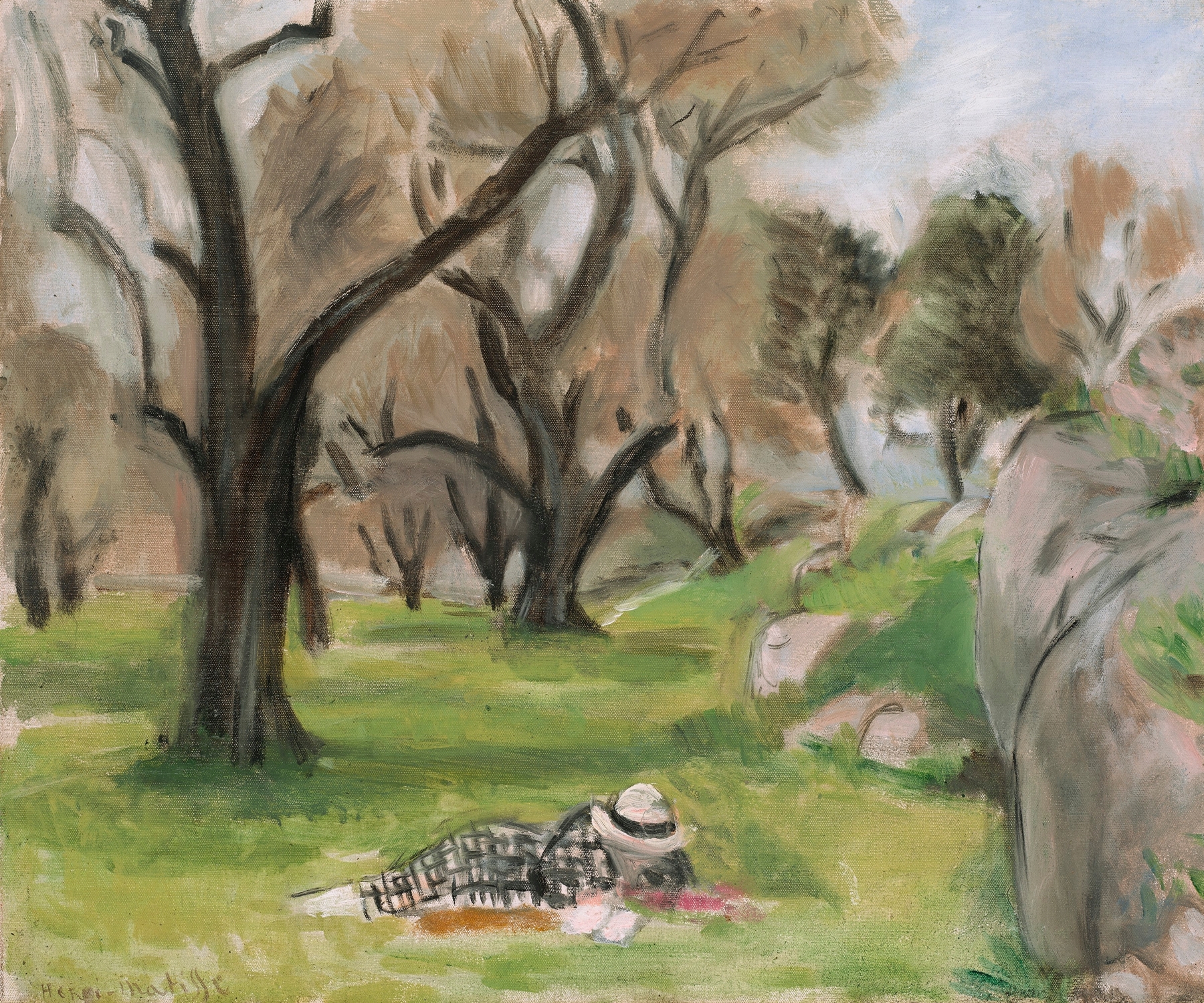
Paysage du Midi
Henri Matisse
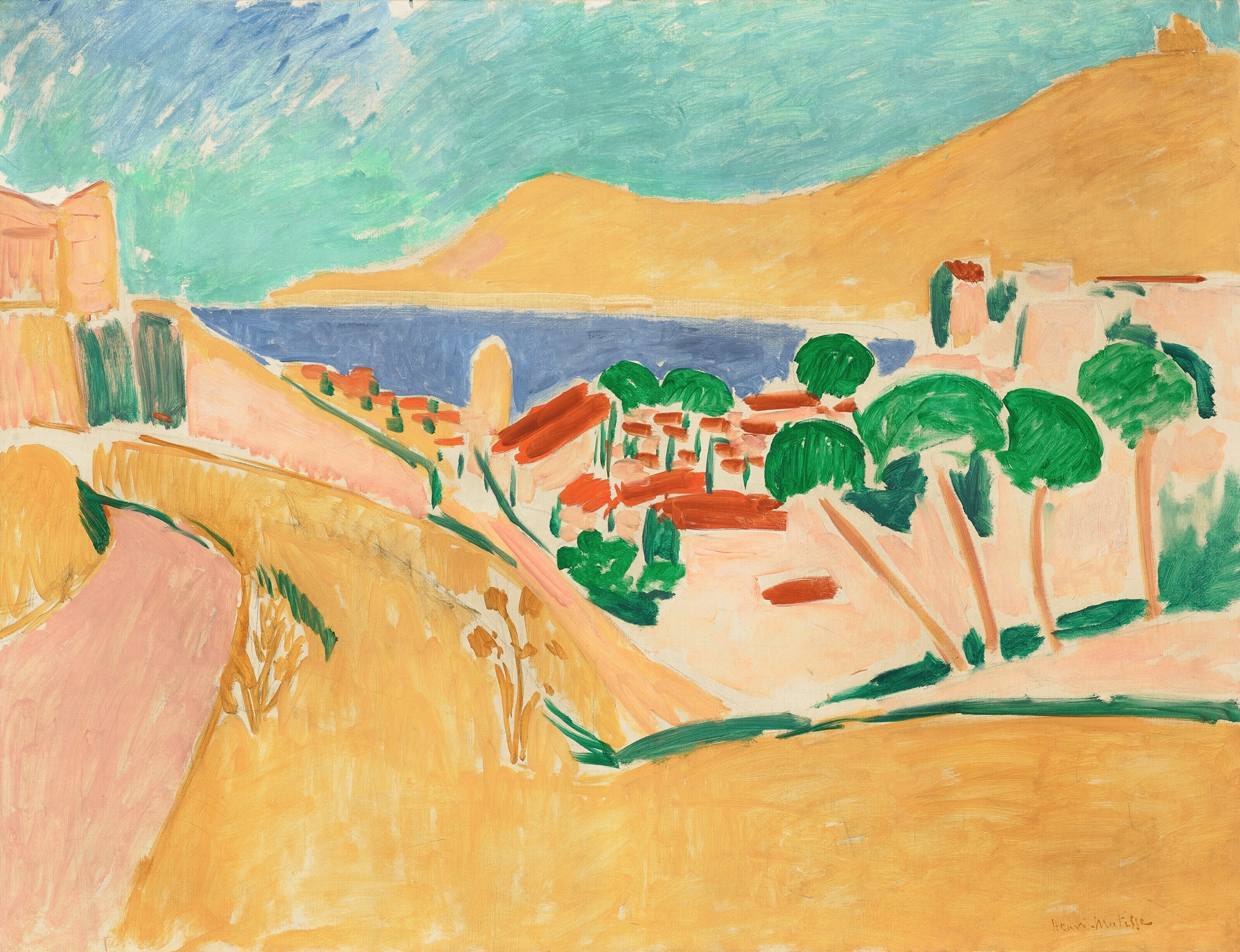
Collioure en août
Henri Matisse