
Nuestra casa en Tetuán (Our house in Tetouan) — History & Facts
In Nuestra casa en Tetuán, Mariano Fortuny Marsal presents a lively scene filled with vibrant colors. The painting features figures engaged in daily activities, set against the backdrop of Tetouan's architecture. Warm earth tones dominate the palette, creating a sense of warmth and familiarity.
The interplay of light and shadow adds depth to the scene, inviting viewers to immerse themselves in the moment. The painting is executed in oil on canvas, a medium that allows for rich detail and texture. Fortuny's brushwork is precise, capturing the nuances of the figures' expressions and clothing. The composition is balanced, with a clear focal point that draws the eye.
Viewers can appreciate the intricate patterns and details that reflect the culture of Tetouan. Mariano Fortuny Marsal was known for his ability to capture the essence of everyday life in his works. This painting, created in the 1860s, reflects his fascination with Moroccan culture and architecture. An interesting fact about this work is that it showcases Fortuny's skill in blending realism with a vibrant color palette, making it a notable piece in his oeuvre.
Today, it resides in the Museo del Prado, where it continues to engage audiences with its lively depiction of Tetouan.
More Artworks by Mariano Fortuny Marsal
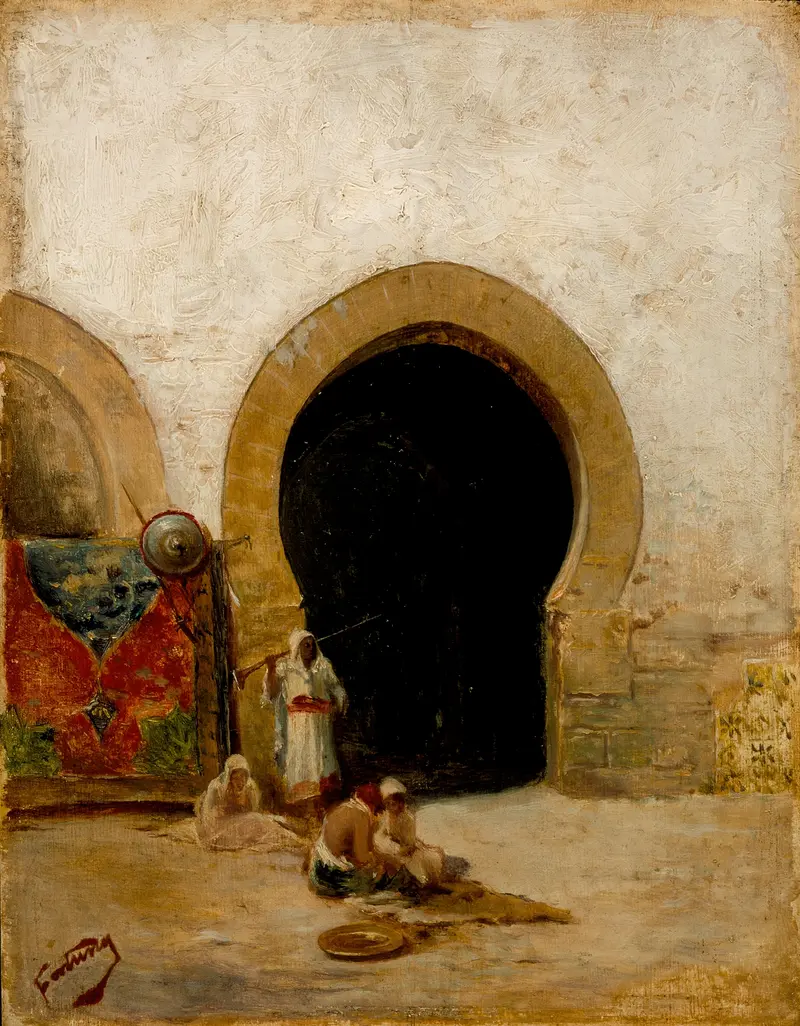
At the Gate of the Seraglio
Mariano Fortuny Marsal
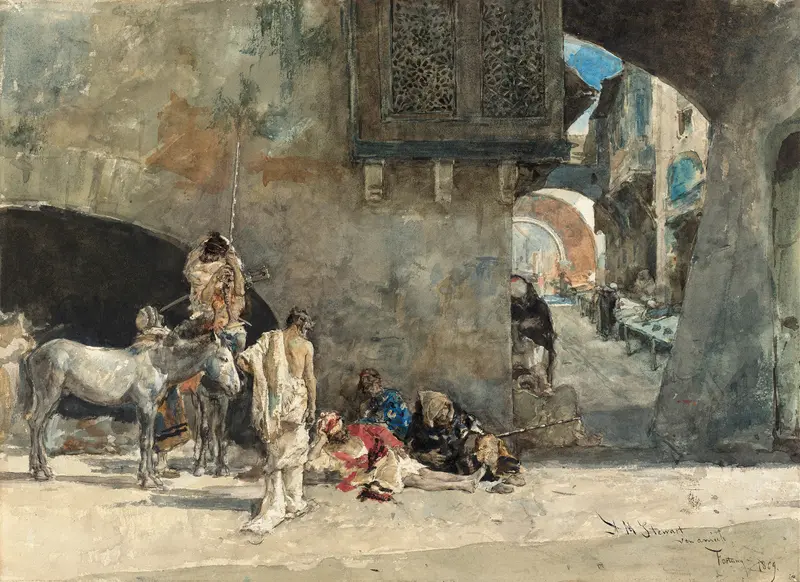
A Street in Tangiers
Mariano Fortuny Marsal

African Beach
Mariano Fortuny Marsal
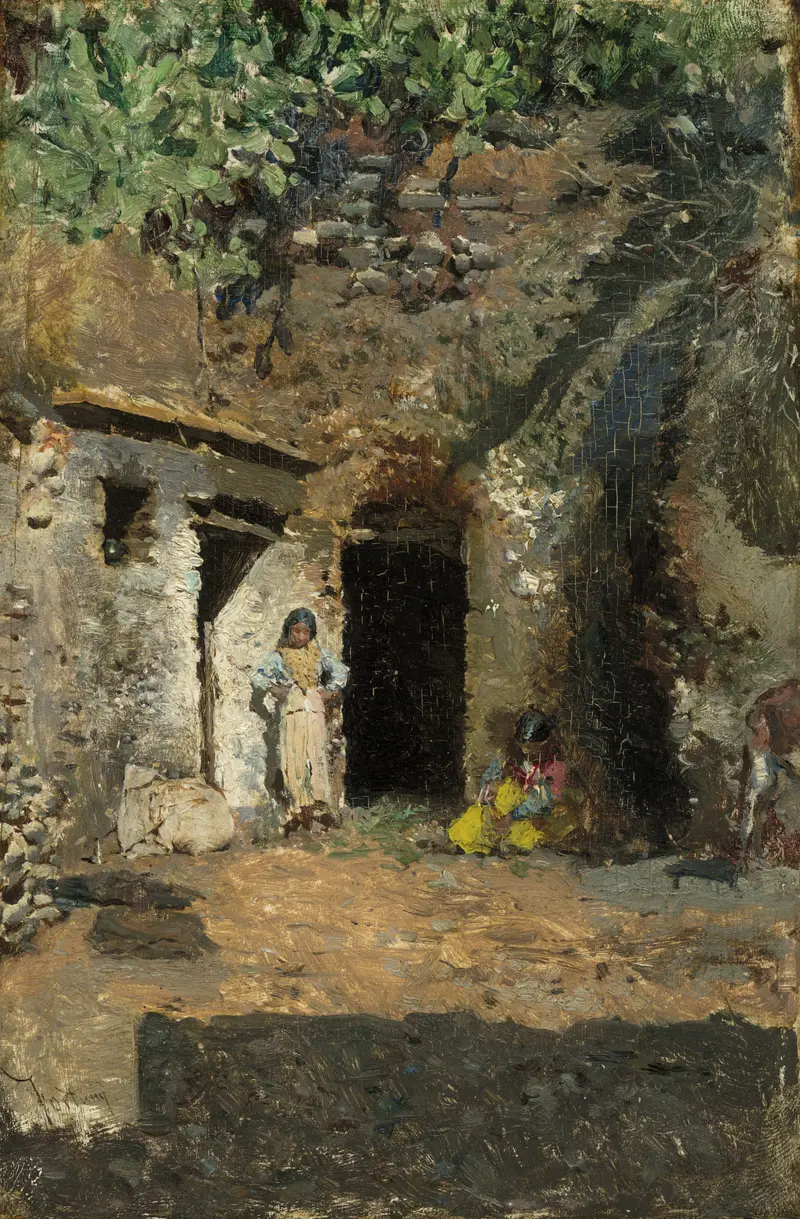
Gypsy Caves,Granada
Mariano Fortuny Marsal
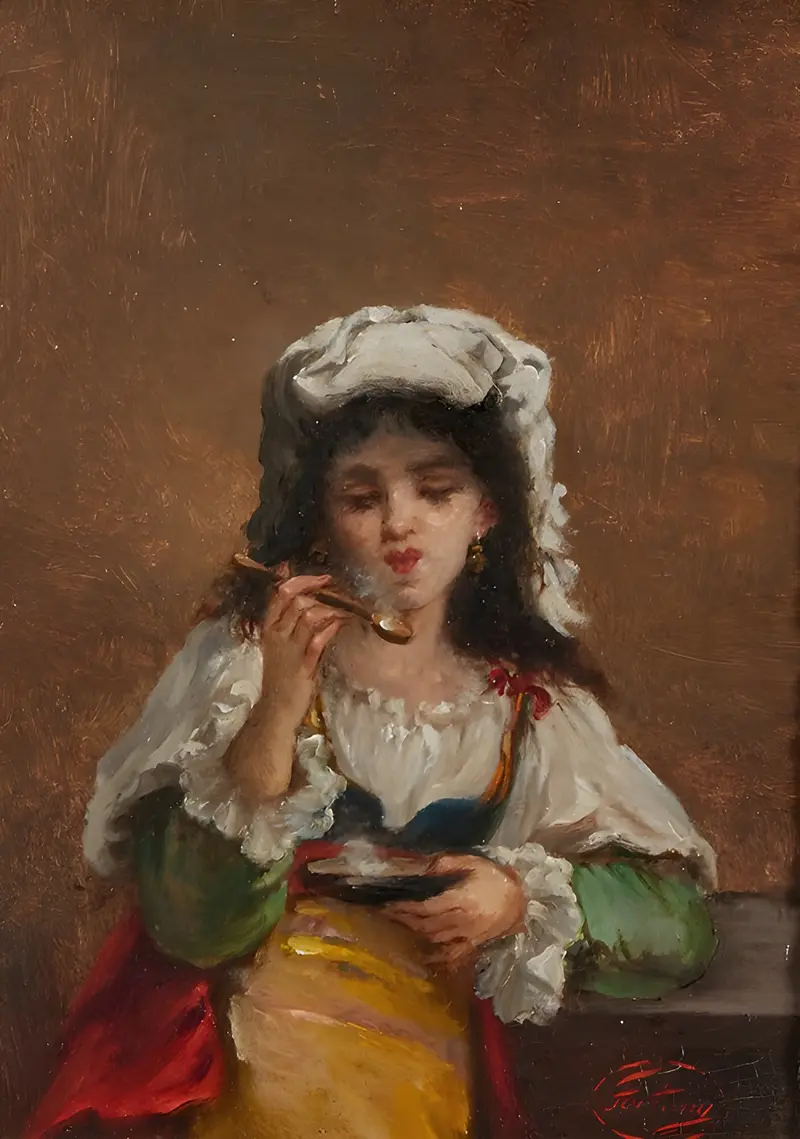
Hot Soup
Mariano Fortuny Marsal
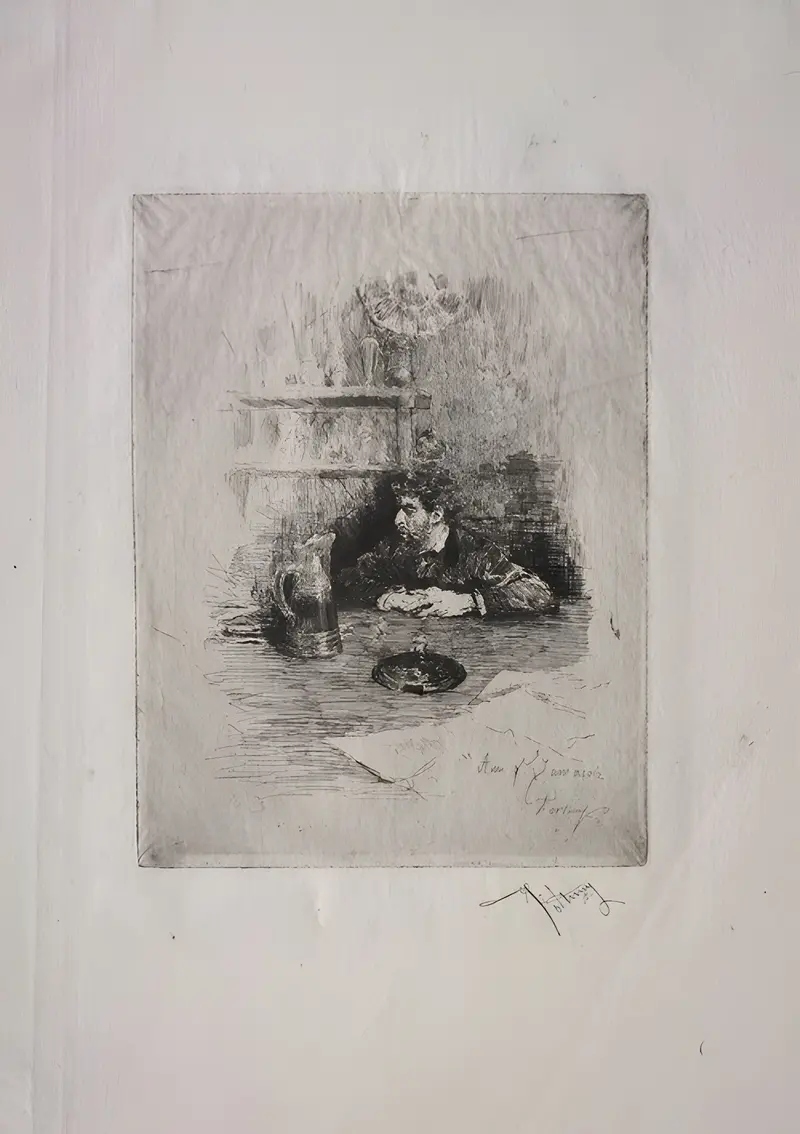
Portrait of Edouardo Zamaçois
Mariano Fortuny Marsal
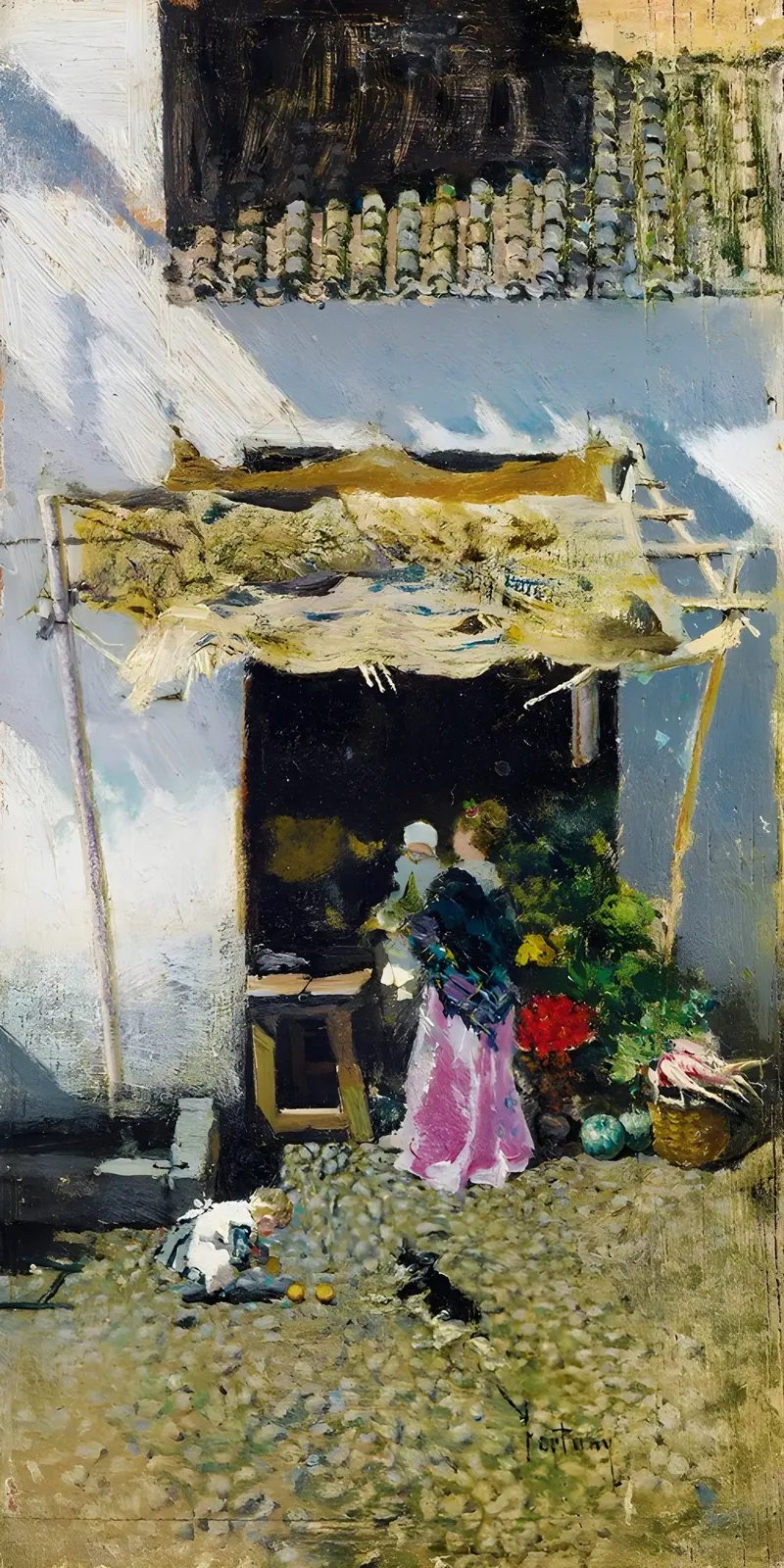
Jeune femme à la jupe lilas, devant une échoppe de légumes
Mariano Fortuny Marsal
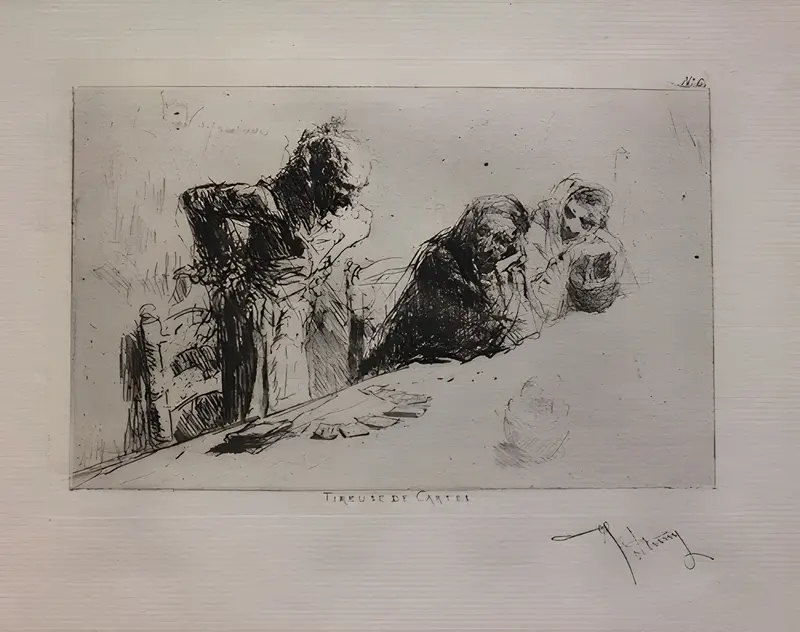
Fortune Teller
Mariano Fortuny Marsal
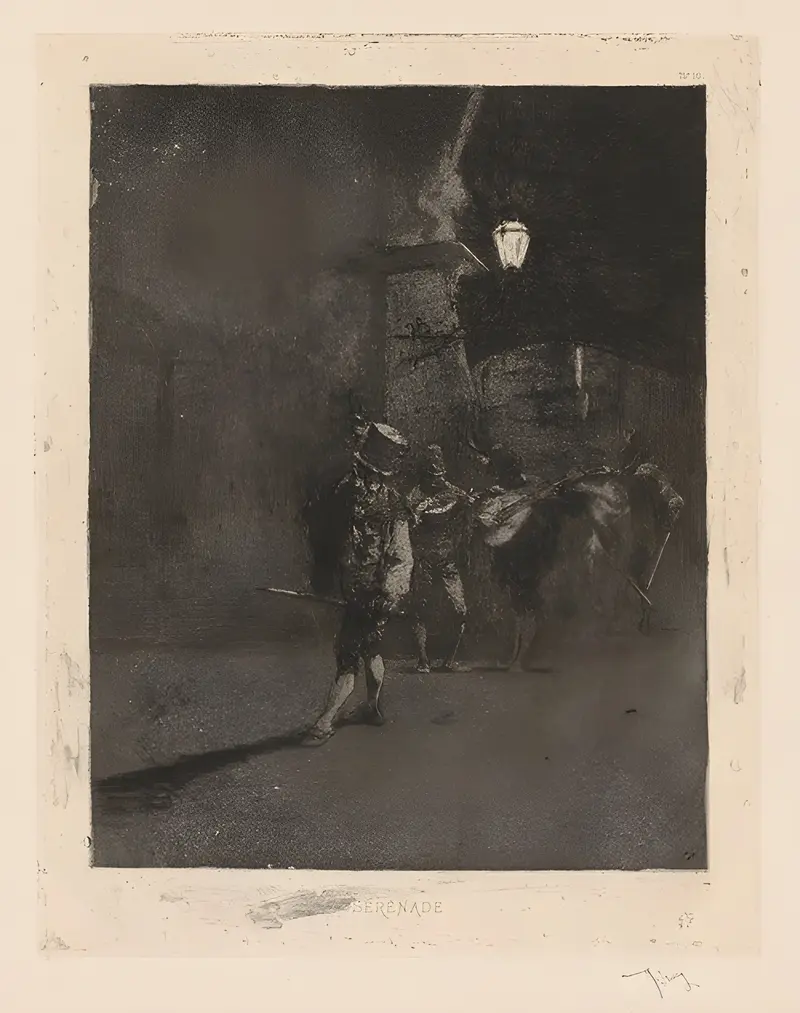
Serenade
Mariano Fortuny Marsal
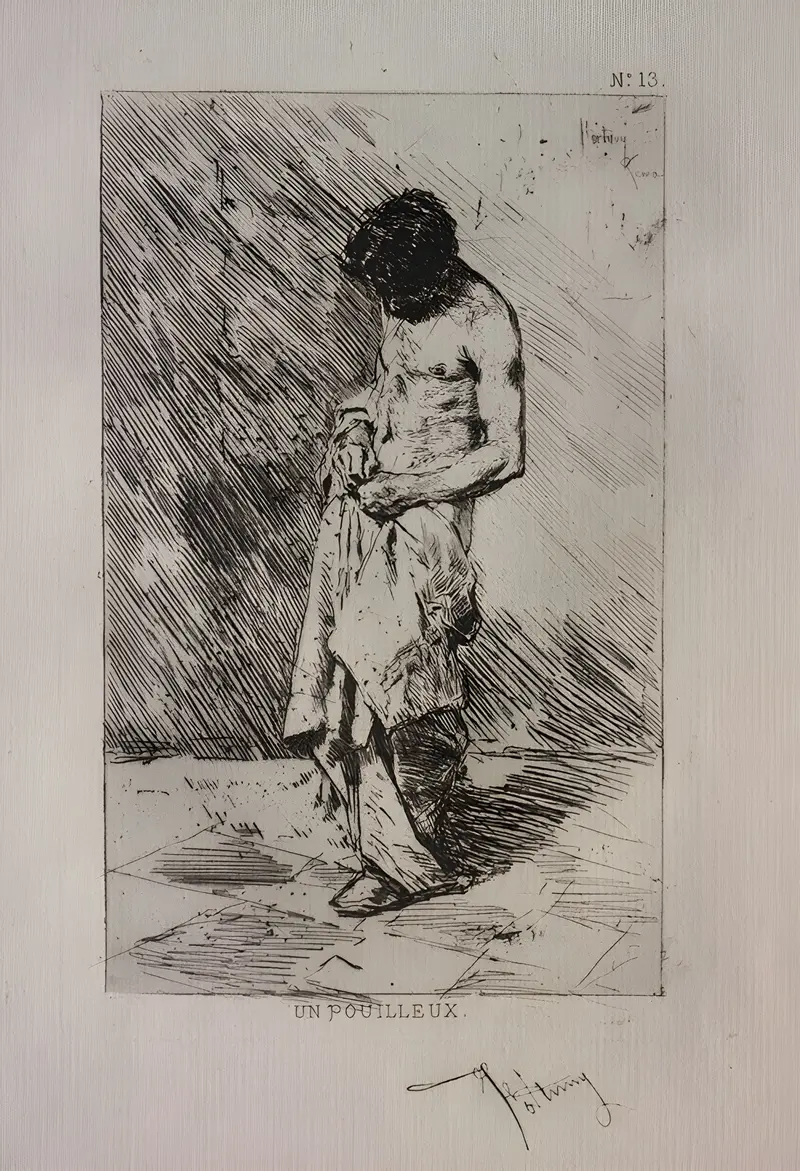
Man Searching for Fleas
Mariano Fortuny Marsal
More Genre Scene Art

Banquet of the Officers of the St George Civic Guard
Frans Hals

Rembrandt and Saskia in the Scene of the Prodigal Son
Rembrandt van Rijn

Bal du moulin de la Galette
Pierre-Auguste Renoir

Quadrille at the Moulin Rouge
Henri de Toulouse-Lautrec

A Burial at Ornans
Gustave Courbet

When Will You Marry?
Paul Gauguin