
Nymph and Satyr — History & Facts
The first thing that draws the eye in Nymph and Satyr is the languid ease of the reclining figure, her skin catching what little sunlight filters through the leafy canopy. The nymph’s pose is both relaxed and alert, her arm draped behind her head as if lost in a dream, while her gaze drifts up into the shadows. Nearby, the satyr sits with his back to us, half-hidden by foliage, intent on his pipes.
The artist, Arnold Böcklin, lets the nymph’s pale body glow against the earth-toned rocks and the dark, enclosing greenery, guiding the viewer’s attention to the delicate tension between the two mythical beings. The flowers scattered at her side and the shimmering veil at her waist hint at a world where nature and myth intermingle, and where music is a silent, invisible thread. Painted in 1871, this work belongs to a moment when artists across Europe were rediscovering myth and legend, seeking escape from the industrial world in ancient stories and wild landscapes. In the late nineteenth century, scenes like this—half-dream, half-pastoral—became a favored subject for collectors eager to display both culture and a taste for the mysterious.
Böcklin, a Swiss painter associated with Symbolism, often returned to such mythic encounters, blending the real and the imagined. While history has kept few traces of this particular canvas beyond its presence in the gallerix.ru collection, its mood and palette speak to a time when art was a portal to other worlds. The longer you look, the more the nymph’s reverie and the satyr’s music seem to echo in the hush of the painted grove.
More Artworks by Arnold Böcklin

Die Toteninsel III
Arnold Böcklin
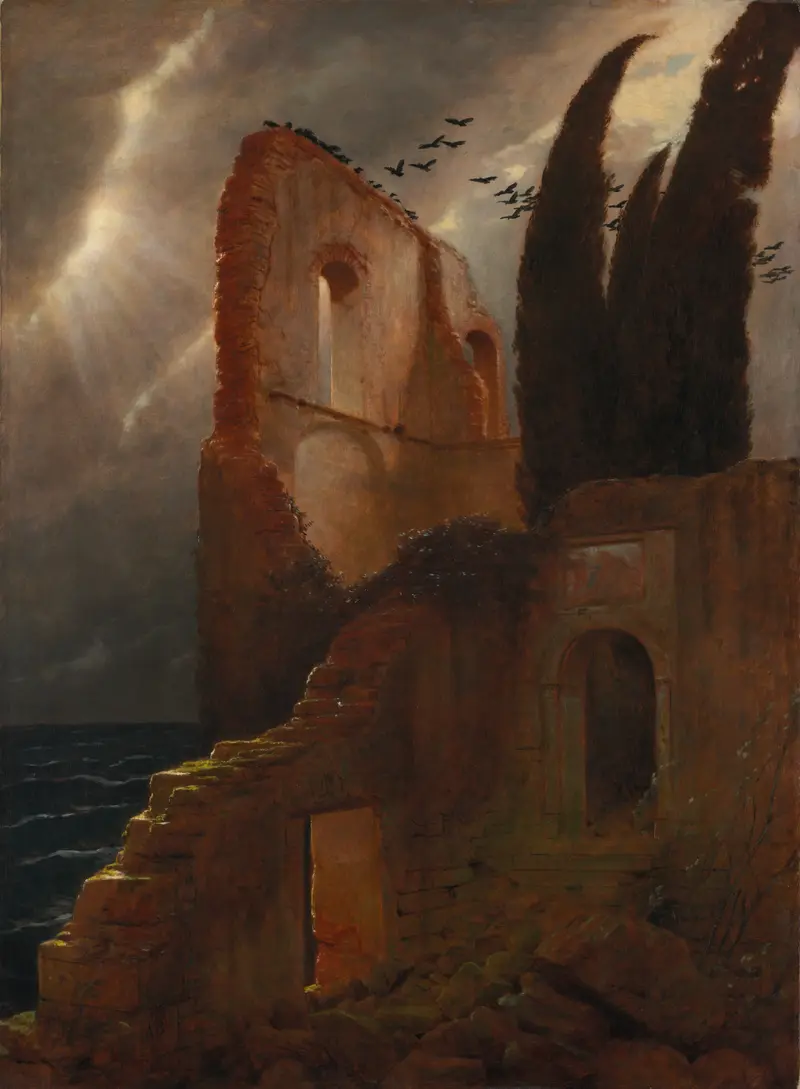
Ruin by the Sea
Arnold Böcklin
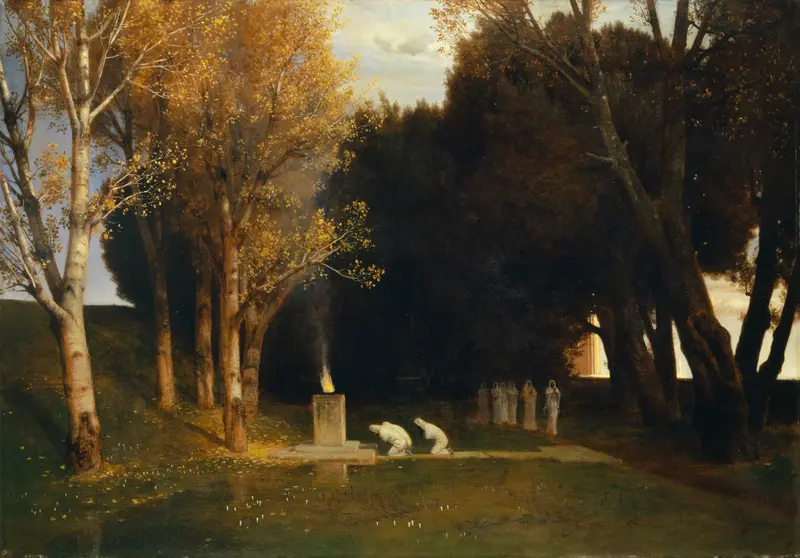
The Sacred Grove
Arnold Böcklin
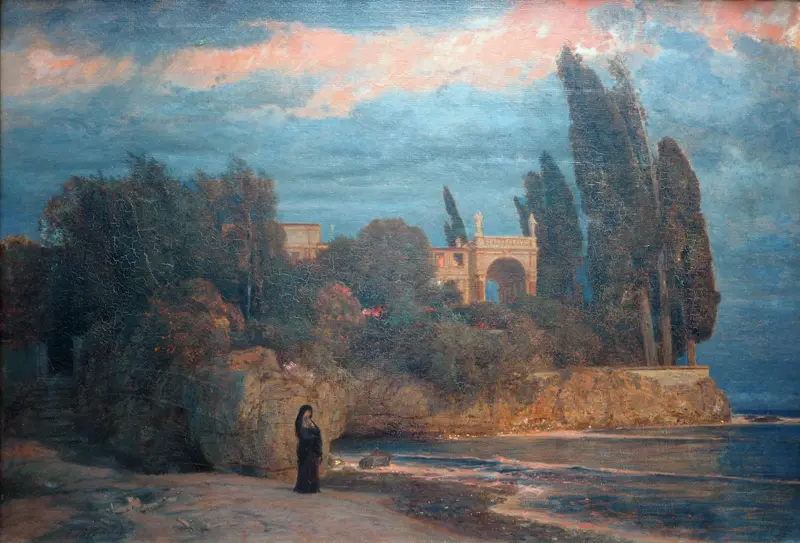
Villa by the Sea
Arnold Böcklin
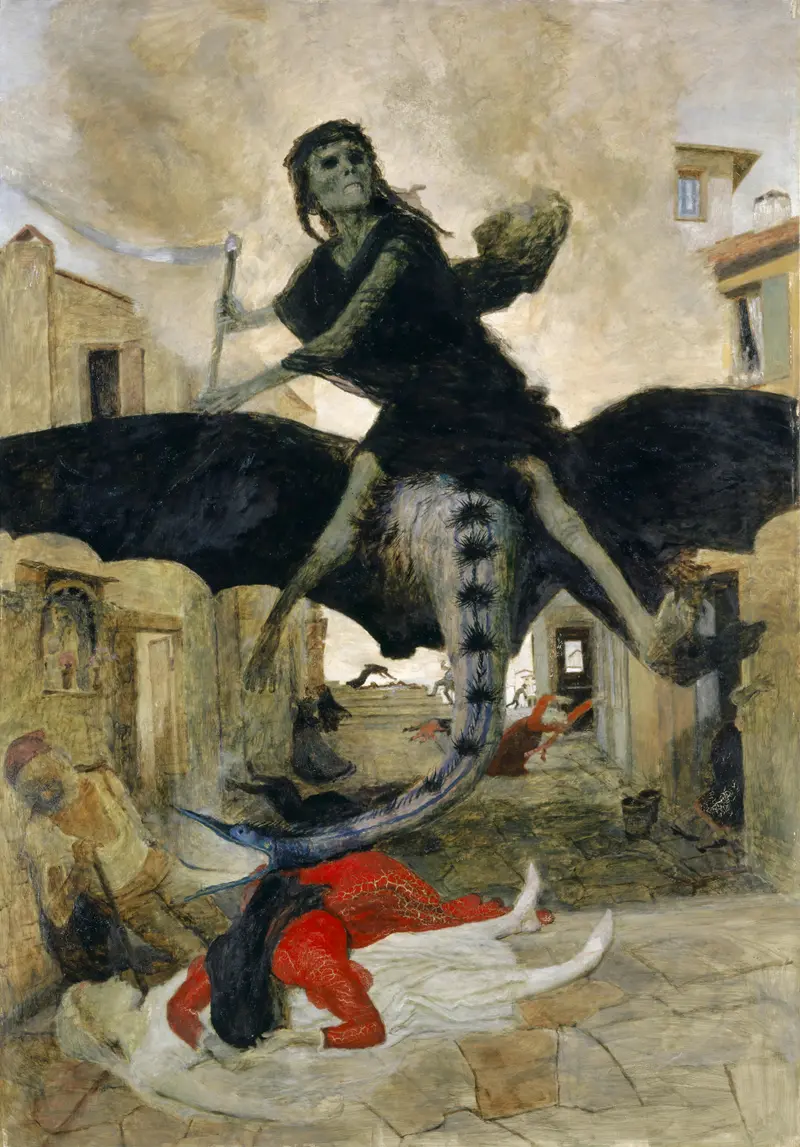
The Plague
Arnold Böcklin
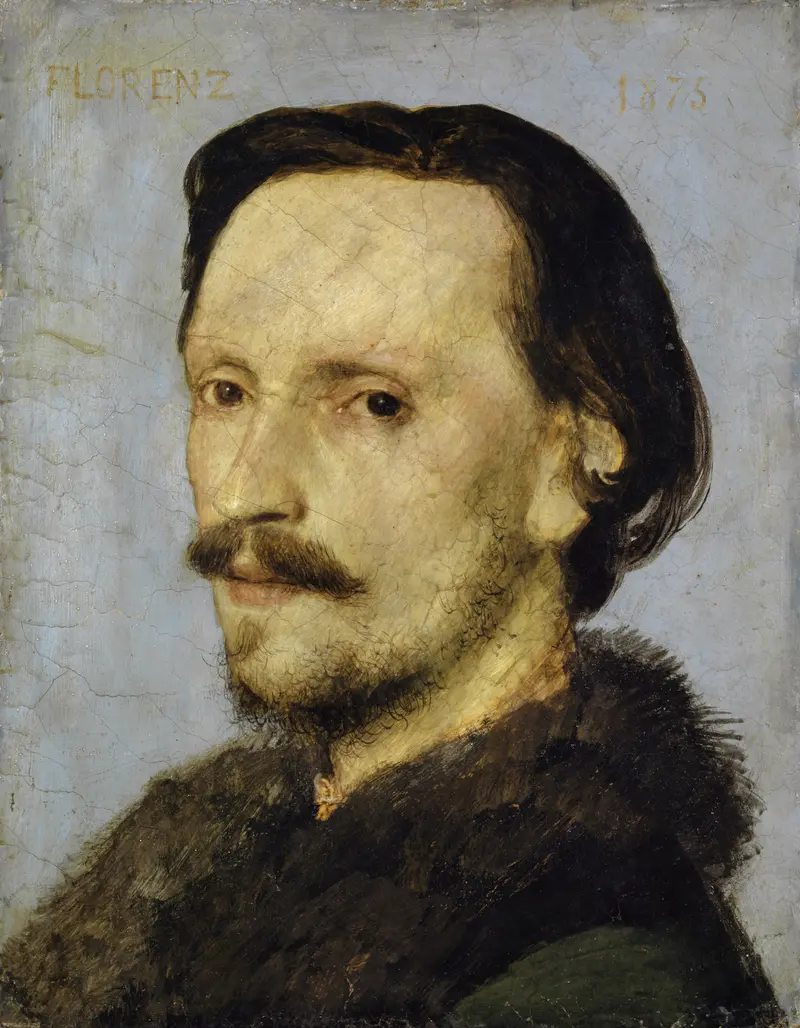
Böcklin Bildnis des Kunsthistorikers Adolph Bayersdorfer, 1875
Arnold Böcklin
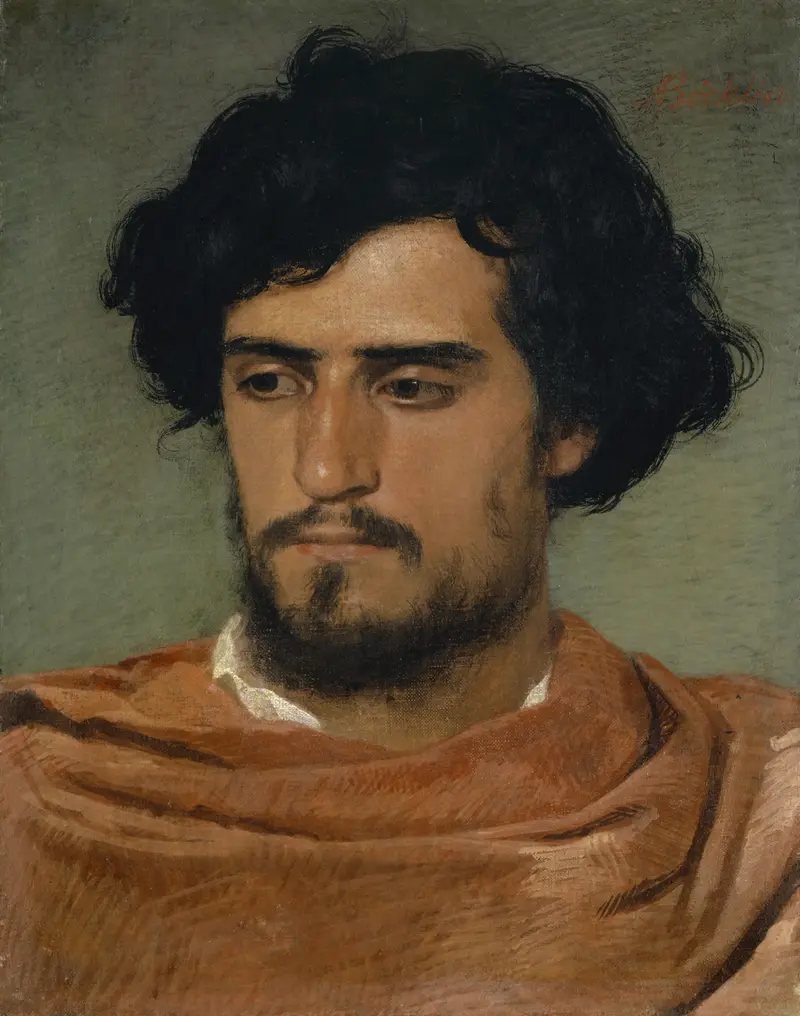
Head of a Roman
Arnold Böcklin
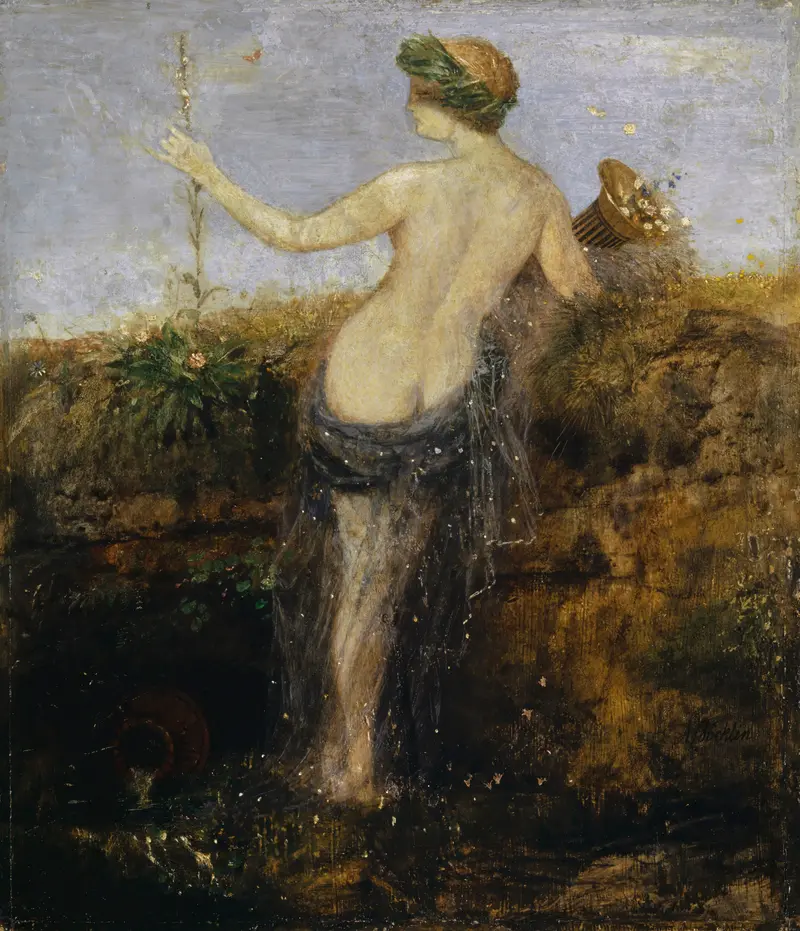
Nymphe with Horn of Plenty
Arnold Böcklin
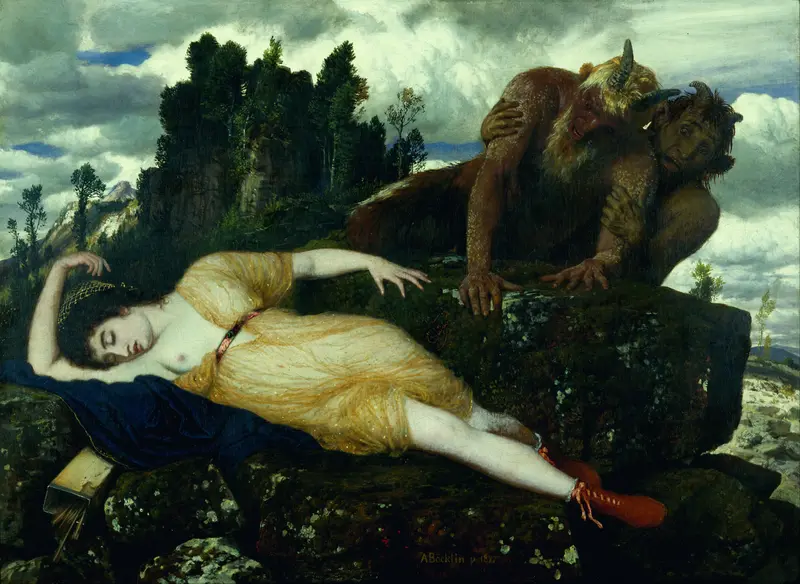
Sleeping Diana Watched by Two Fauns
Arnold Böcklin
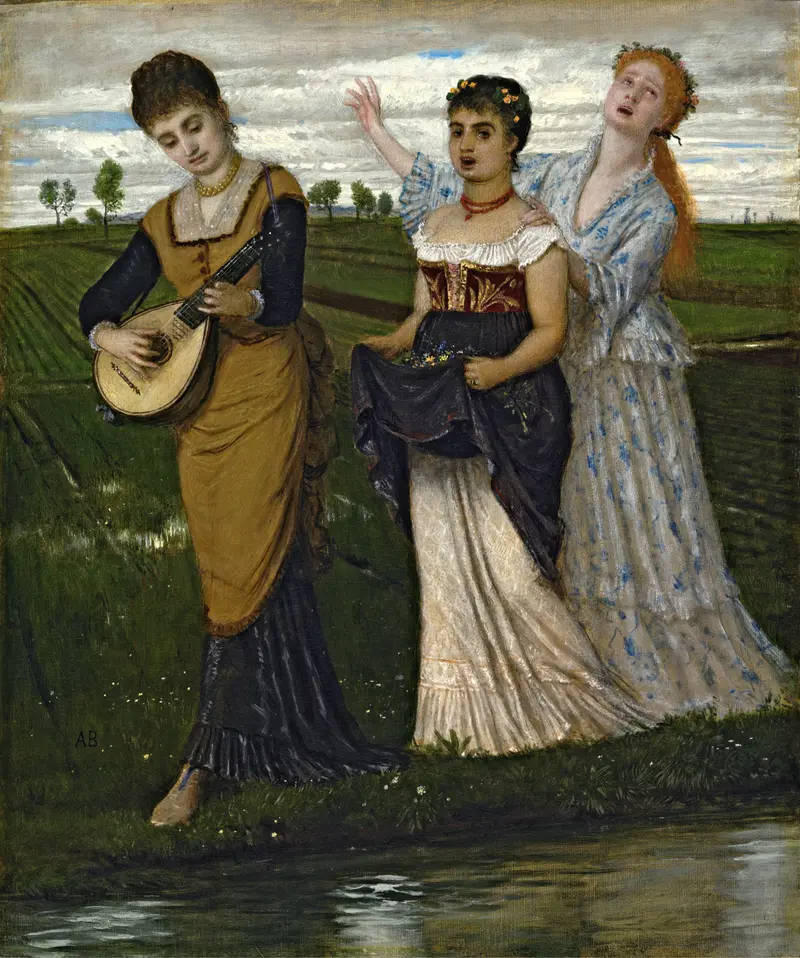
Spring (Songs of Spring)
Arnold Böcklin





