Obstbaum — History & Facts
Who listens when art speaks of silence? In Walther Gamerith’s Obstbaum, a captivating stillness envelops the viewer, beckoning contemplation and obsession. Look to the center of the canvas, where a solitary fruit tree stands, its twisted branches a testament to resilience. The delicate interplay of light and shadow casts an ethereal glow, highlighting the vibrant colors of its fruit against an otherwise muted background. Notice how the texture of the bark contrasts with the smoothness of the apples, suggesting an intimacy between the organic and the untouched, drawing you into the quiet yet profound dialogue of nature. Delve deeper into the significance of the lone tree.
It embodies a yearning for connection in a world overshadowed by solitude. The fruit, ripe yet untouched, symbolizes both abundance and desire, hinting at the obsession that can arise from isolation. The absence of human presence amplifies this emotion, inviting the viewer to reflect on their own relationship with desire and the natural world—a space where longing meets tranquility. Painted in 1920, amidst the aftermath of World War I, Gamerith was navigating a landscape of personal and societal upheaval.
At this juncture, he sought solace in the natural beauty surrounding him in Austria, capturing a moment of peace that resonated with the broader search for healing in a fractured world. This work stands as a testament to the artist's ability to channel his experiences into a timeless expression, where silence speaks volumes.
More Artworks by Walther Gamerith
Browse all →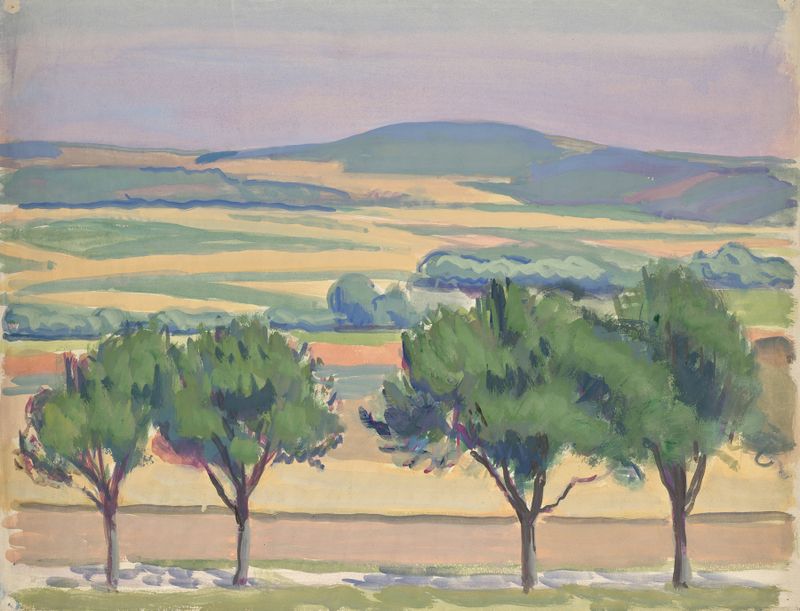
Hügelige Landschaft mit Straße und Bäumen
Walther Gamerith
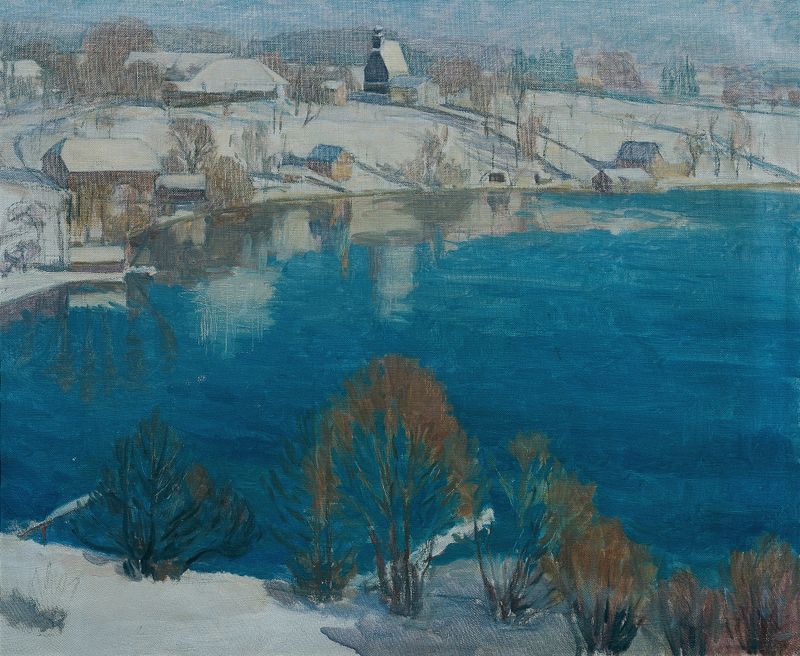
Unterbuchberg im Winter I
Walther Gamerith

Baumlandschaft
Walther Gamerith

Landschaft
Walther Gamerith

Unterbuchberg Im Winter II
Walther Gamerith
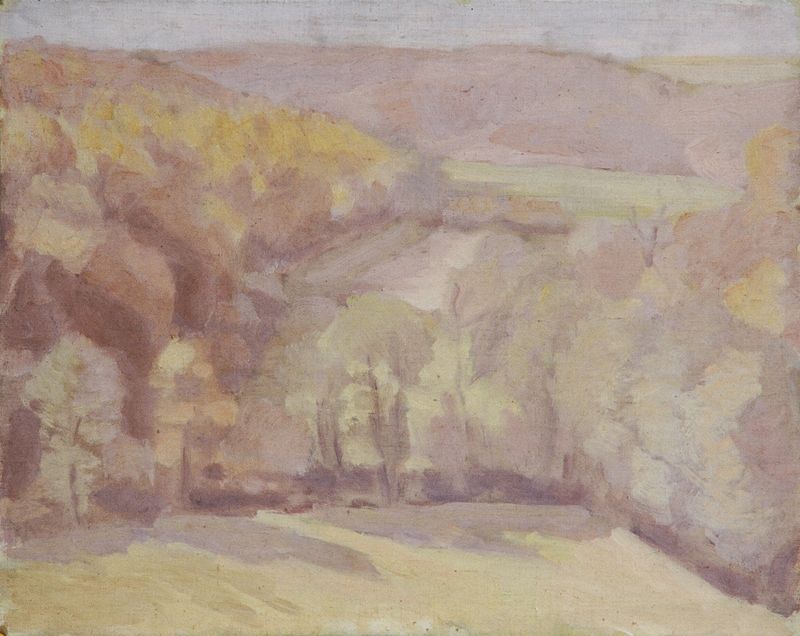
Hügellandschaft
Walther Gamerith
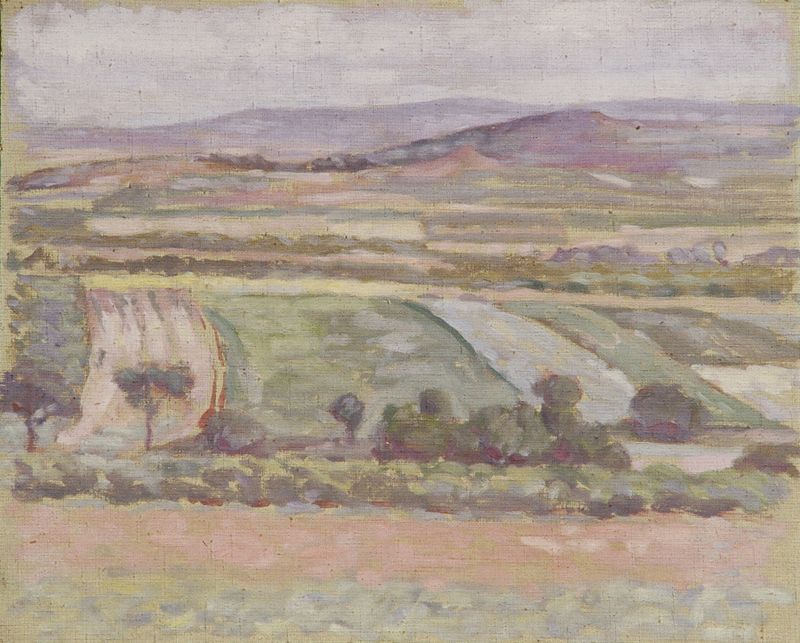
Hügellandschaft
Walther Gamerith

Landschaft mit Kirche
Walther Gamerith
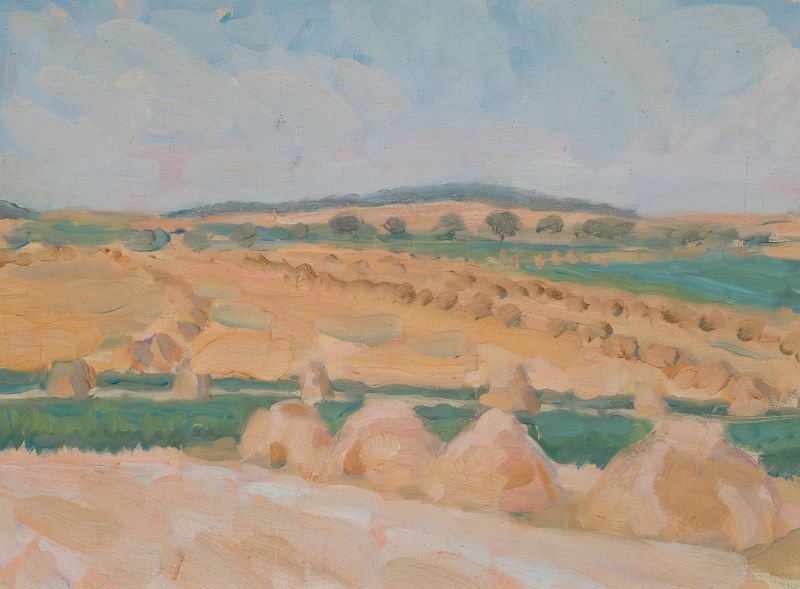
Erntezeit
Walther Gamerith

Landschaft
Walther Gamerith