
Odysseus questions the seer Tiresias — History & Facts
What first arrests the eye in Odysseus questions the seer Tiresias is the charged encounter at its center: a bare, spectral elder, hand outstretched in warning or prophecy, faces a warrior whose helmet and posture speak of restless purpose. The swirl of ochre and rose drapery, the tautness of their gestures, and the careful way their gazes do not quite meet—all this draws the viewer into a moment of tense, necessary exchange. Behind them, other figures enact a quieter but equally vital ritual, their attention fixed on the sacrifice that will open the way to knowledge.
The palette is earthy, the shadows deep; the drama is not in storm or violence, but in the gravity of a question and the cost of an answer. Painted in 1580 by Alessandro Allori, this work is steeped in the visual language of late Renaissance Florence, where mythological scenes were prized for their moral and intellectual resonance. Such paintings often adorned private studies or palace chambers, commissioned by patrons eager to display both erudition and taste. Allori, a pupil of Bronzino, was known for his learned compositions and refined draftsmanship, qualities that pulse through this image’s careful choreography and sculptural forms.
The world that produced this painting was one of humanist revival, where ancient stories were mined for lessons and warnings, and where the act of questioning—like Odysseus before Tiresias—was itself a mark of civilization. The longer you look, the more the painting’s silence presses: what answer is being given, and at what price?
More Artworks by Alessandro Allori

Francesco de' Medici
Alessandro Allori
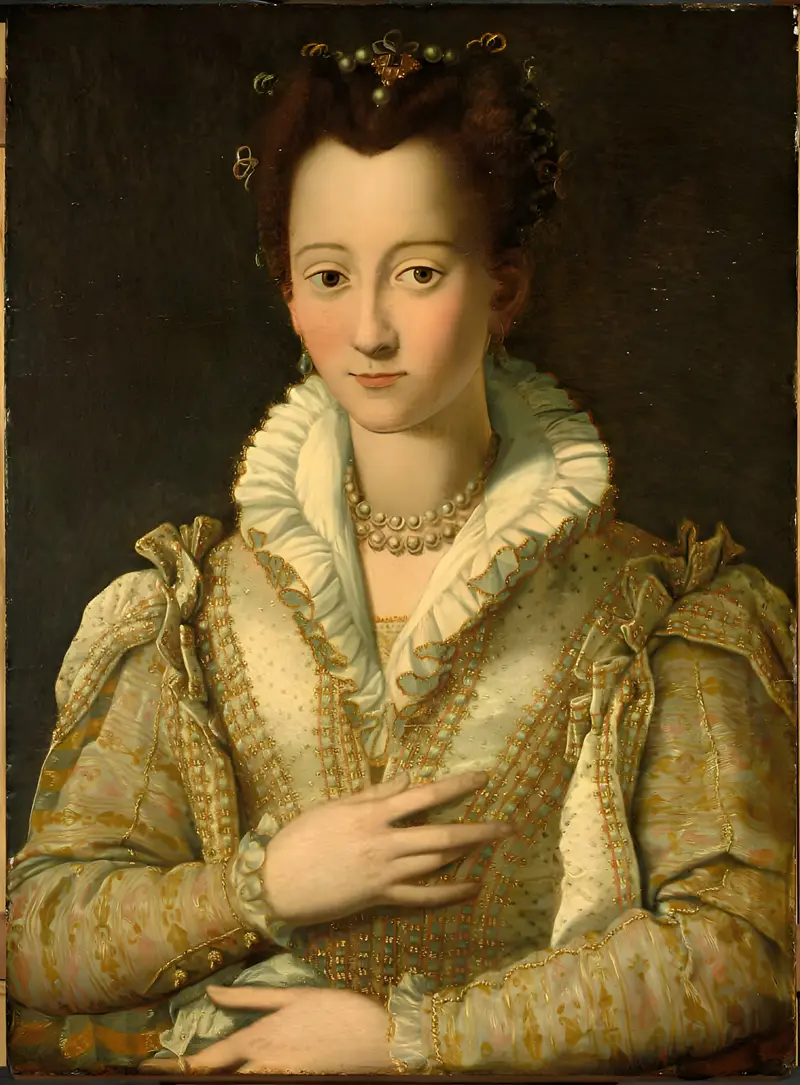
Portrait of a Woman
Alessandro Allori
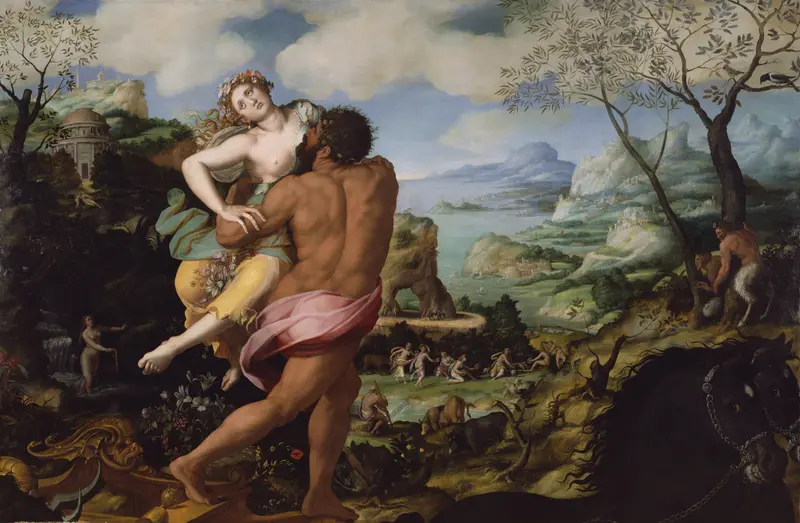
The Abduction of Proserpine
Alessandro Allori
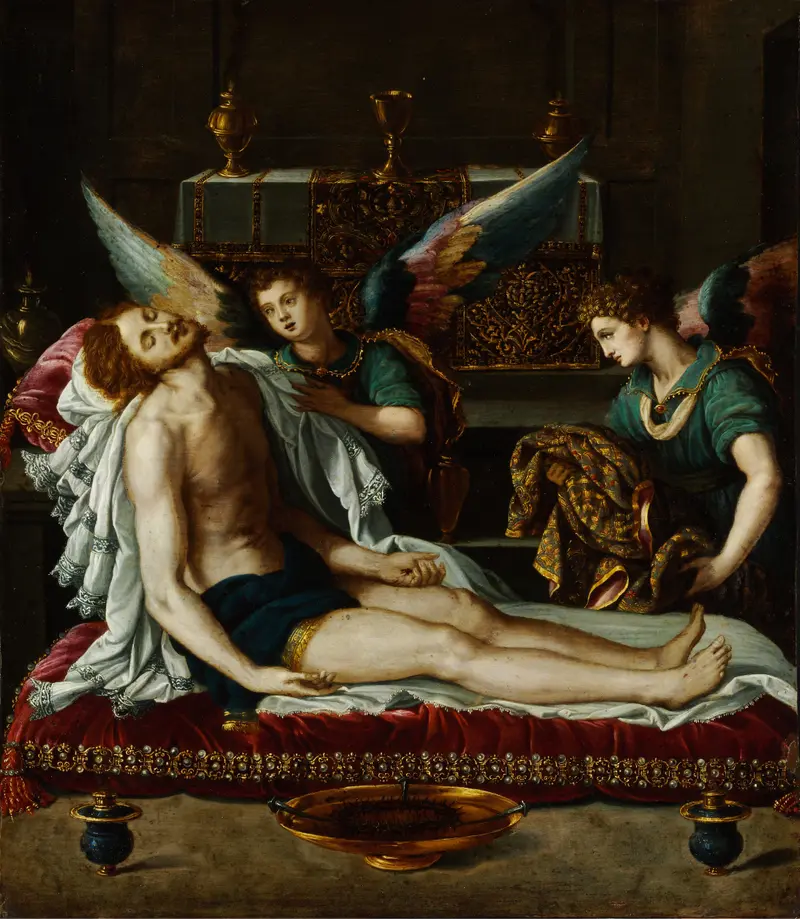
The Body of Christ Anointed by Two Angels
Alessandro Allori
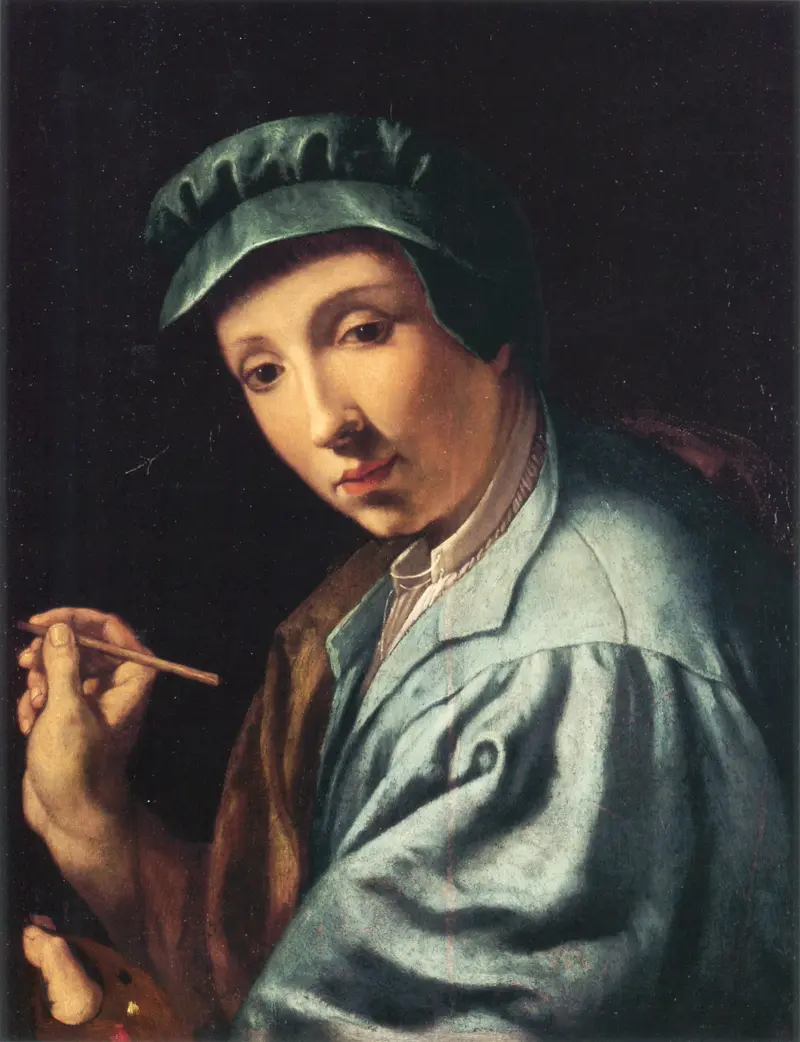
Self-portrait
Alessandro Allori
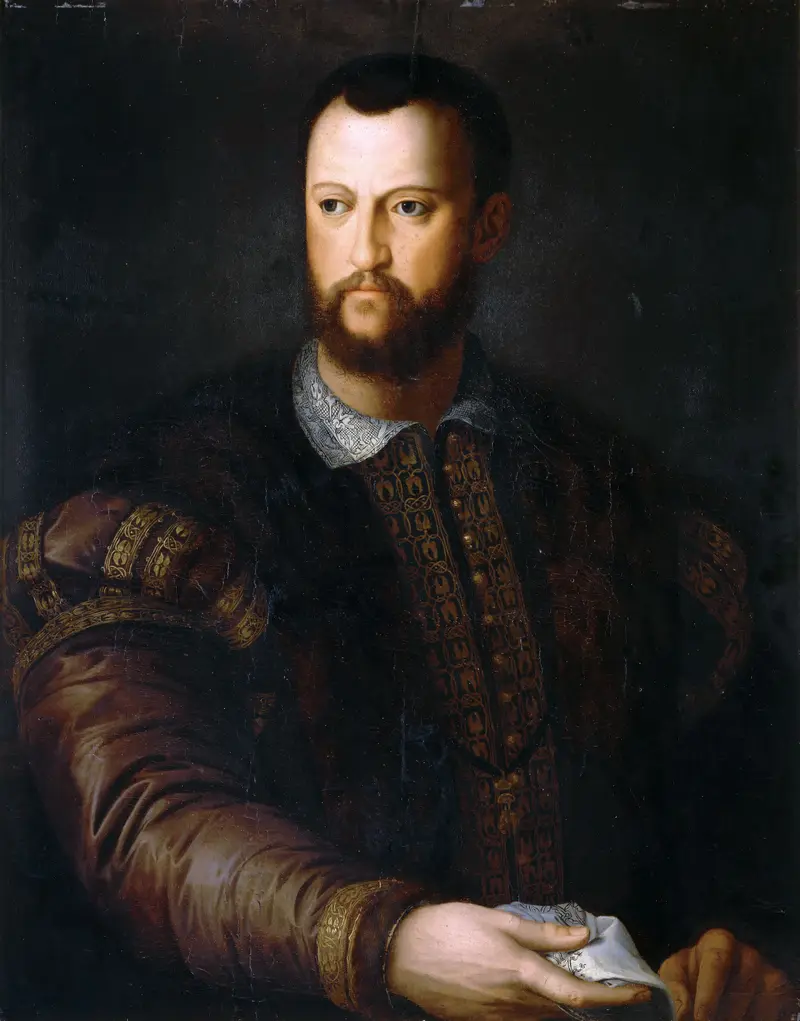
Portrait of Cosimo I de' Medici
Alessandro Allori
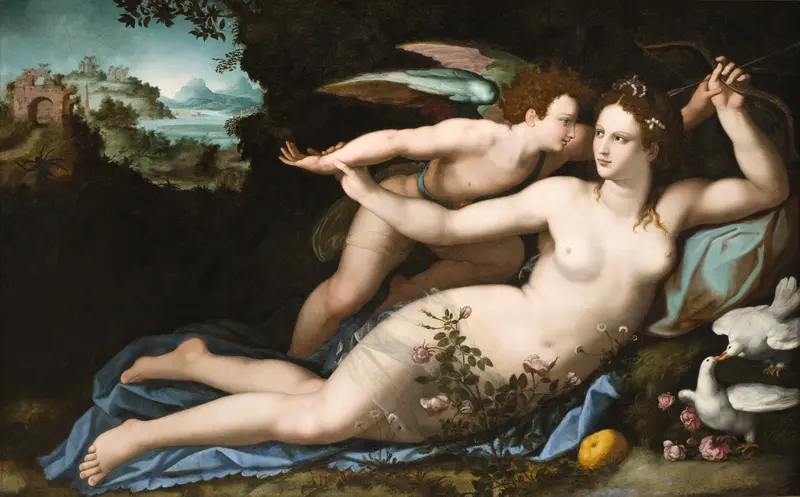
Venus disarming Cupid
Alessandro Allori
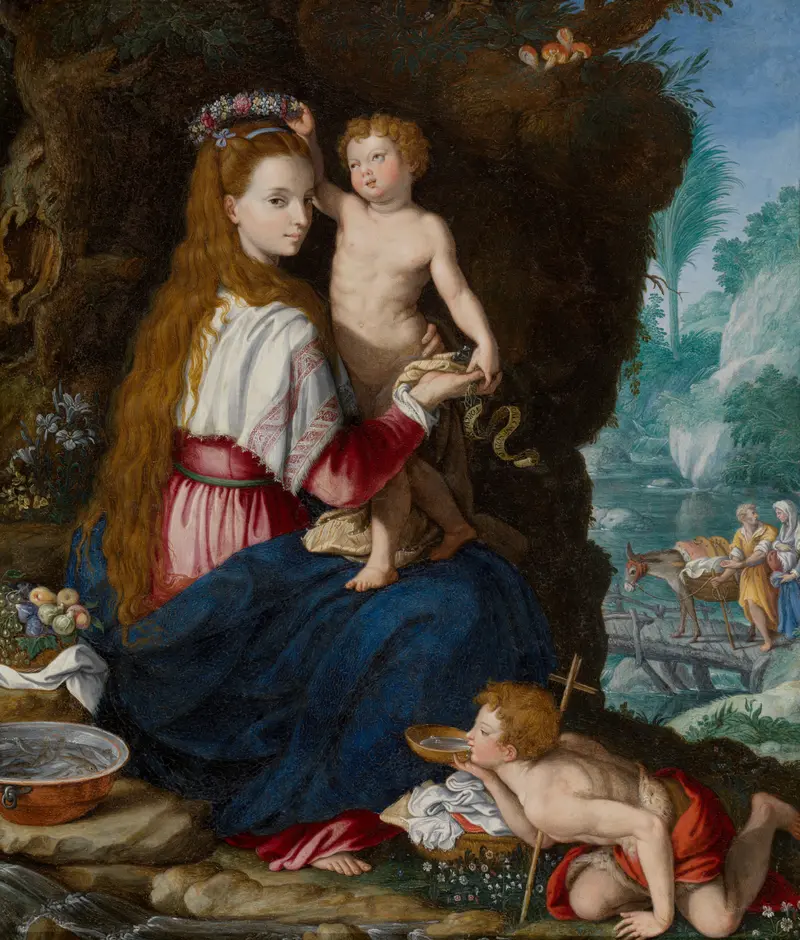
Madonna with Little Saint John
Alessandro Allori
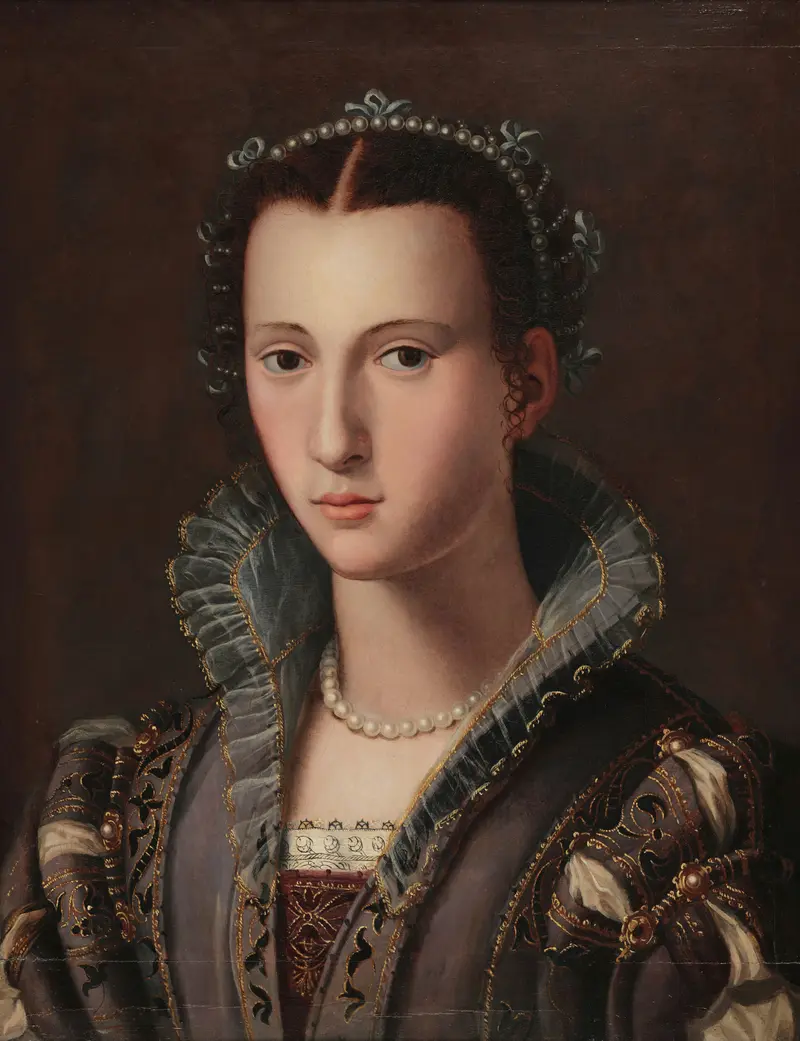
Portrait of a Florentine Lady
Alessandro Allori
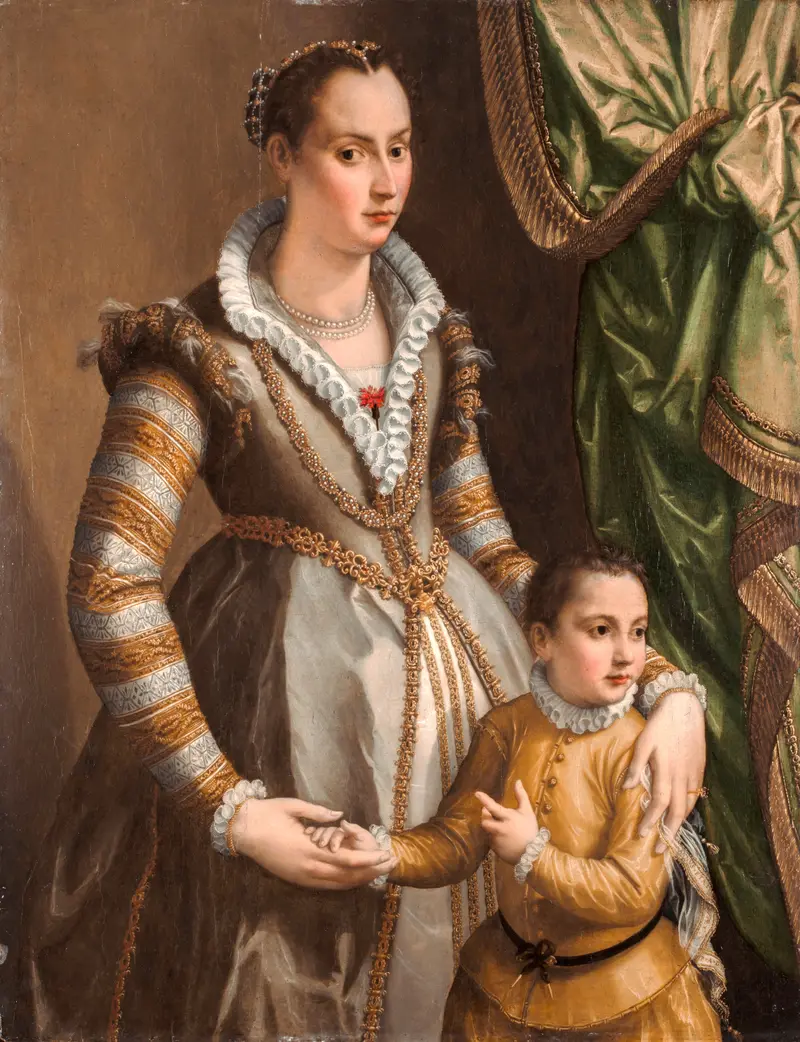
Portrait of a Noblewoman with her Son
Alessandro Allori





